
When not aiming to honor fellow ornithologists, those giving names to new bird species have an easy option: find an animal that looks similar to your new species. And end up with a name such as Zebra Finch.
However, this can get a bit confusing when the name-giving animal is a bird itself – which one is the “real” bird, and which one just got roped in for its appearance? The table below gives examples.
| Bird name | First bird family | Second bird family | What they really are |
|---|---|---|---|
| Cuckoo-shrike | Cuculidae — cuckoos | Laniidae — shrikes | Campephagidae — cuckoo-shrikes |
| Cuckoo-dove | Cuculidae — cuckoos | Columbidae — pigeons and doves | Columbidae — pigeons and doves |
| Cuckoo-finch | Cuculidae — cuckoos | Fringillidae — true finches | Viduidae — indigobirds and whydahs |
| Cuckoo-bee-eater | Cuculidae — cuckoos | Meropidae — bee-eaters | Meropidae — bee-eaters |
| Hawk-cuckoo | Accipitridae — hawks and eagles | Cuculidae — cuckoos | Cuculidae — cuckoos |
| Eagle-owl | Accipitridae — eagles and hawks | Strigidae — typical owls | Strigidae — typical owls |
| Owl-finch | Strigidae — typical owls | Estrildidae — estrildid finches | Estrildidae — estrildid finches |
| Owl-parrot | Strigidae — typical owls | Psittacidae — parrots | Strigopidae — New Zealand parrots |
As a general rule (feel free to call it Kai’s rule in my honor), the first name in these compounds seems to describe what the bird resembles, while the second tells us what kind of bird it is.
However, there are exceptions. One is the Cuckoo-finch. Given its looks, it might be taken for a finch, but it belongs to a different family, the indigobirds and whydahs. And the cuckoo part of its name comes from its habit of parasitizing the nests of other birds rather than bothering with childcare itself. In other words, unlike the other “Cuckoo-xx” birds listed above, the cuckoo reference here is about behaviour rather than appearance.
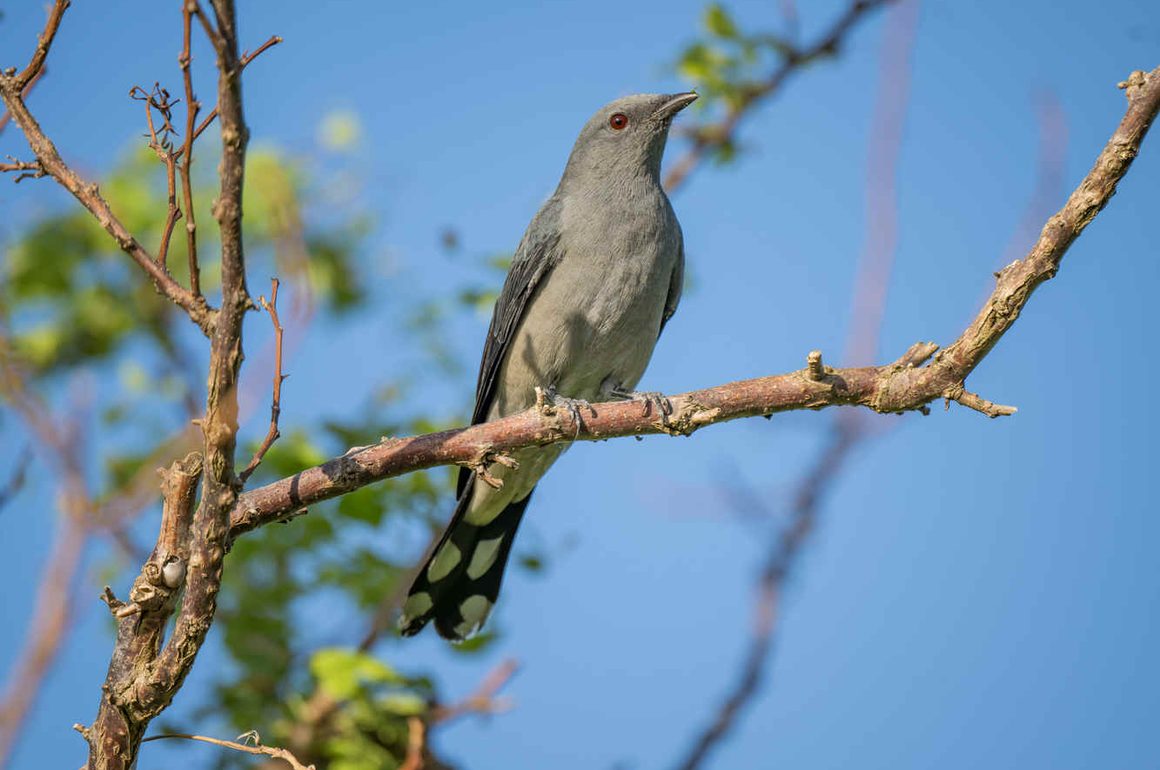
The Cuckoo-shrike is possibly even more interesting. It is neither a cuckoo nor a shrike, though one might say it looks a bit like both of those. Instead, it is a member of its own family, which – you can guess – is named Cuckoo-shrikes.
So next time someone tells you they have found a cuckoo, an owl, or a shrike, ask for the full name first.
Photo: Black-winged Cuckoo-shrike



Leave a Comment