

Birders love lists, and I’m not an exception. In 1986 I listed just over 1000 species in a year, thanks to trips to Australia, Kenya and various European countries. Sadly, in the 40 years since I’ve never come even remotely close to such a total again, and for several years I didn’t even add up how many I had seen. However, I’ve reverted to keeping an annual list, as it’s not only quite fun to do so, but it also acts as an incentive to get out looking for more birds (not that I really need much inducement).
I’m writing this in early November, happy with the fact that I have passed comfortably both my listing targets for 2026: my British target was 200 species, my Western Palearctic target 300. My British list for the year is currently on 205, and all but two of those were seen in the counties of Norfolk and Suffolk, so close to home. This reflects the fact that in the UK I haven’t travelled far outside East Anglia this year, with the most notable exception a recent visit to North Wales. This wasn’t a birding trip as I was stewarding at a tennis tournament, but it did give me the opportunity to tick off Red Grouse on a nearby moor.
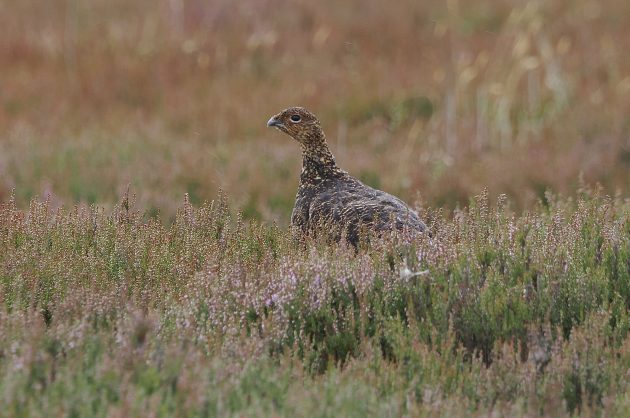
It’s always good to see a Red Grouse (above), especially as this splendid bird is once again recognised as being a British endemic, having suffered for many years the indignity of being lumped with the much more widespread Willow Grouse. Red Grouse are birds of the uplands, favouring heather moorland, a habitat we don’t have in East Anglia, so a little effort is required for me to see them.
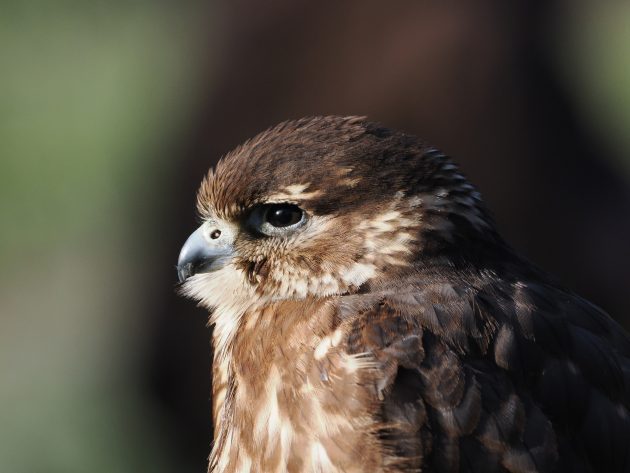
Portrait of a juvenile Merlin
My most recent tick was a Merlin, another bird that in Britain favours heather moorland for nesting. However, unlike the sedentary Red Grouse, it’s a bird that leaves the moors in the winter, so it’s one that I can expect to see here in East Anglia. These small, dashing falcons are second only to the Peregrine Falcon as the most widespread of all the members of the Falconidae, with a circumpolar breeding distribution. That this was the first one I’d seen this year reflects the fact that they are scarce visitors to this part of the world. I saw my bird at Welney, the Wildfowl and Wetlands Trust reserve in Norfolk.
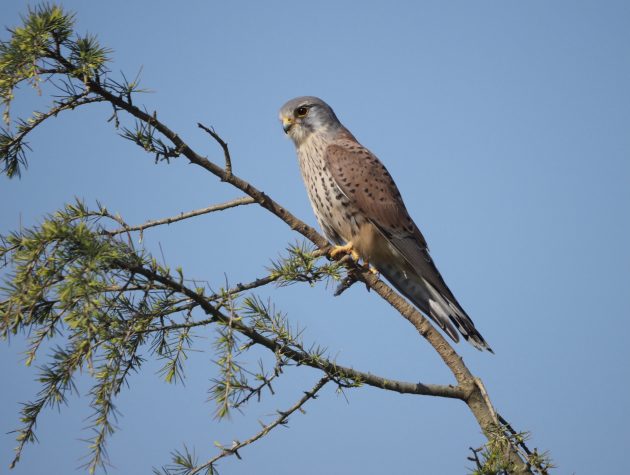
Male Kestrel: by far the most numerous falcon in Britain
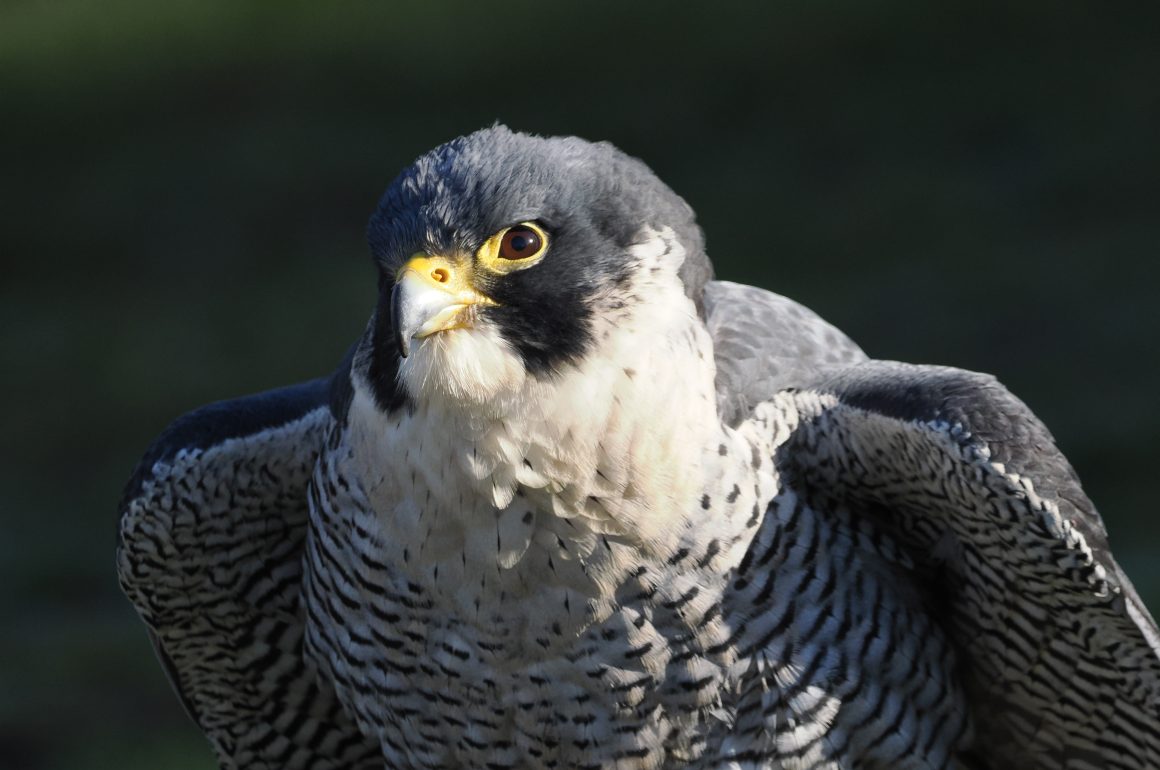
I don’t often manage a three-falcon day, but the Merlin was my third species that day. The second species was Kestrel (nearly 20 individuals seen), while the first was a Peregrine, viewed on a church tower in the small Suffolk town of Mildenhall. Peregrines are the most religious of birds, as here in the UK the most reliable sites to see them are cathedrals and church towers – there’s hardly a cathedral which doesn’t have a resident pair. Most of the cathedral-nesting Peregrines are covered by CCTV so they can be viewed as they lay their eggs and rear their chicks. As the numbers of Peregrines increases, so they seek new breeding sites, and church towers are the closest we have to cliffs in many parts of this country.
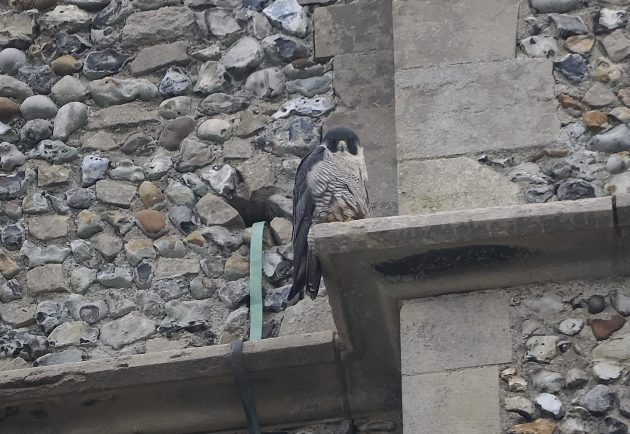
The Peregrine on St Mary’s church, Mildenhall, Suffolk, November 2026
As far as I am aware, the Peregrines on St Mary’s, Mildenhall, have yet to nest, but they clearly like the church, as they are seen there almost daily. Urban Peregrines are intriguing, as they become used to people walking around below them, and invariably become quite approachable. My photograph – taken early on a grey November morning – isn’t very good, so I have the incentive to go back again on a sunny day when, with luck, I might even see one flying.
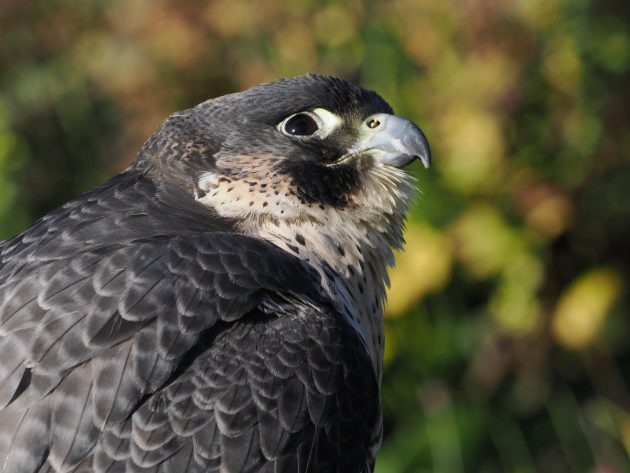
Adult Peregrine
Remaining with falcons, I enjoyed some close encounters with these impressive birds last month. Every four years the British Falconers’ Club (the largest and oldest falconry club in the world) holds an international field meet at Woodhall Spa in Lincolnshire, based at the historic Petwood Hotel. It attracts falconers and austringers (the technical term for those who fly shortwings, such as Goshawks) from all over the country, and as the word international suggests, from overseas too. At the very first International Meet, in October 1969, guests came from as far afield as Czechoslovakia, Hungary, France and Germany. Concerns about bird flu meant no overseas falconers brought their hawks this year, but the event was, as usual, well supported. This was the fifth time that I have attended it.
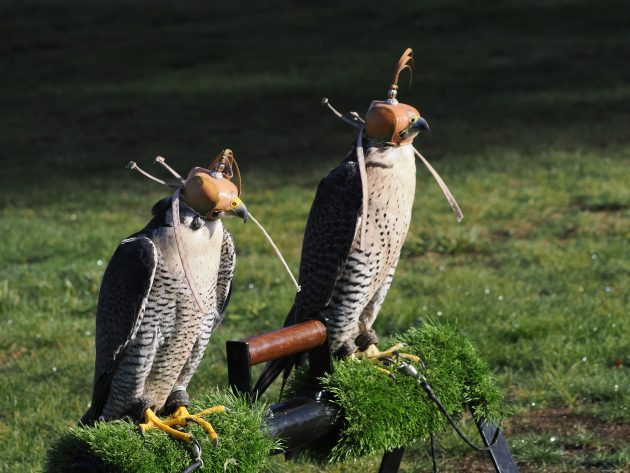
Hooded and ready to go: a Peregrine with (right) a Peregrine x Gyr hybrid
The meet is held over three days, and each morning the lawns of the hotel are dotted with hawks on their weathering blocks. Identifying them is a challenge, as there are always a number of hybrids that are tricky to name. I’m quite good on Peregrines, and pure Gyrs, but crosses between the two are more of a challenge. Falconers like hybrids because of their hybrid vigour. Legislation against taking raptors from the wild means that all the hawks used in falconry today are captive bred, which makes producing hybrids much easier.
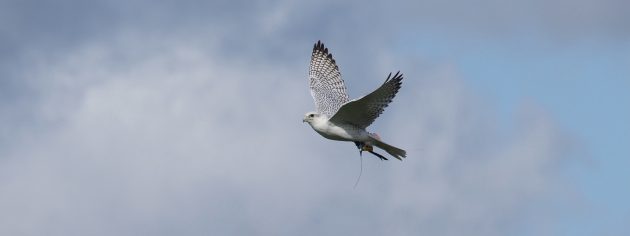
The ultimate falconer’s bird? A Greenland Gyr Falcon
Few sports have as rich a vocabulary as falconry: many words traditionally used by falconers have crept into modern usage, though their spelling might have changed over the centuries. My favourite is booze, which comes from the word bowse or boose, which is what a hawk does when it drinks. It is also important to note that a hawk in never a bird – a bird is what it might catch – while the word hawk is used generally for both falcons and hawks. Allowing something to weather has its origins in the practice of placing a hawk to weather on a block in the open air. The hawk is normally unhooded, so it can preen and enjoy the fresh air.
This falcon is a hybrid between a Gyr and a Red-naped Shaheen (a race of Peregrine)
Each day at Woodhall the falconers are divided into groups, each of which has its own field master. Each group is allocated its own venue, which may be an hour’s drive from the hotel. The success of the meet depends entirely on the generosity of the local landowners who grant permission for the hawks to be flown on their ground: this year 150,000 acres were available to the club. Lincolnshire is a prime county for flying falcons as it still holds a strong population of wild Grey Partridges, the classic quarry for a lowland game hawk.
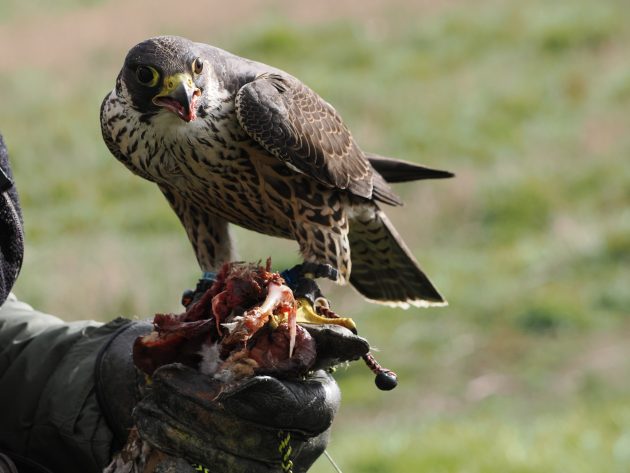
A young Peregrine tiercel (male)
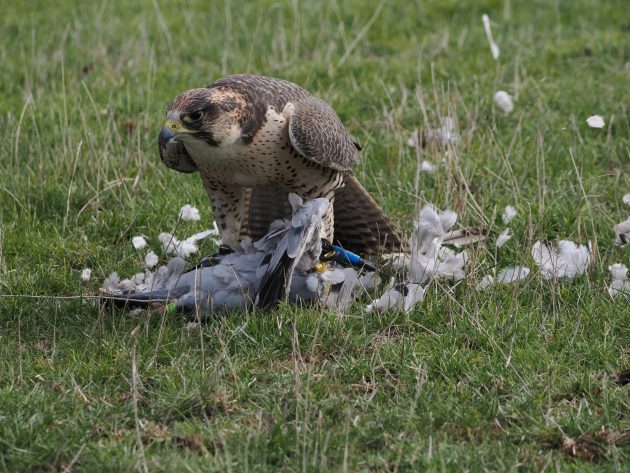
Falconry is the most exacting of field sports, and a day is never rated by the number of birds in the bag, but the quality of the flights. Blank days, where no quarry is caught, are not unusual. The group I joined had just three flights – two at Mallard, one at Grey Partridges – but none were successful. Of the three, the first was the most impressive, with the falcon (a female Peregrine) making a spectacular stoop at the ducks. The latter, seemingly well aware that they couldn’t out fly the falcon, made a speedy return to the water. The falcon flew back to the falconer’s lure, rewarded for her efforts with a dead pigeon.
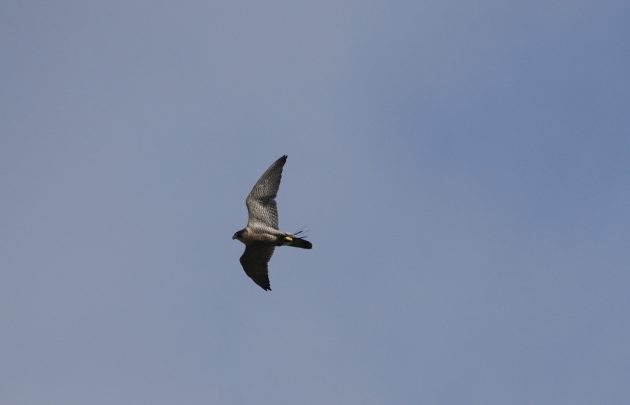
Hunting Peregrine
I never fail to be impressed by the bond between hawk and falconer. The hawk, if she had wanted to, could have simply flown away. Falconry is the oldest of all the field sports: despite modern technology, such as telemetry that allows lost hawks to be recovered, it remains by far the most challenging, demanding patience and perseverance not to mention considerable amounts of time. At a time when many old traditions are being lost, it is good to see that it still flourishing in 21st-century Britain.
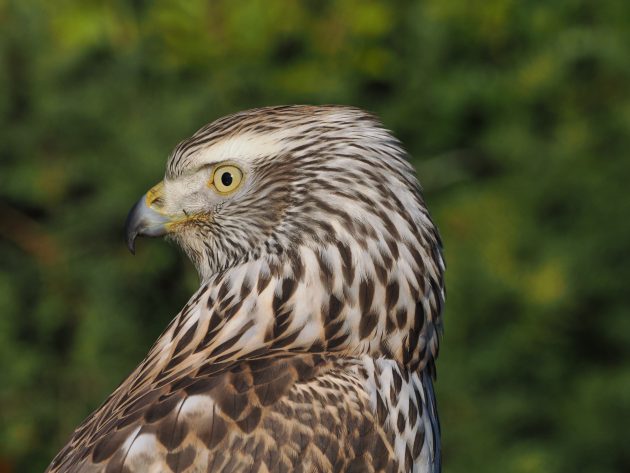
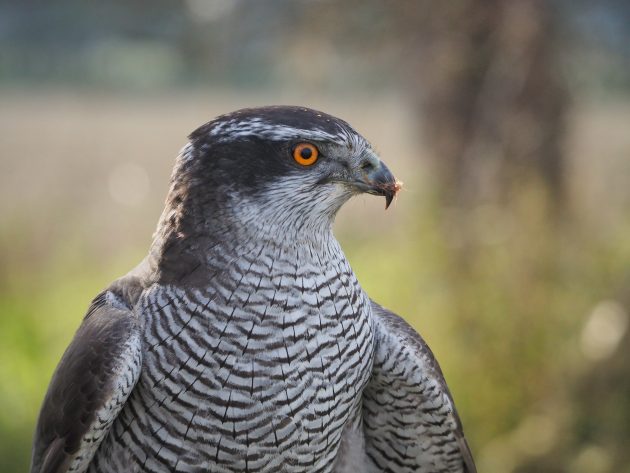
Juvenile Goshawk (above) and adult below









Leave a Comment