

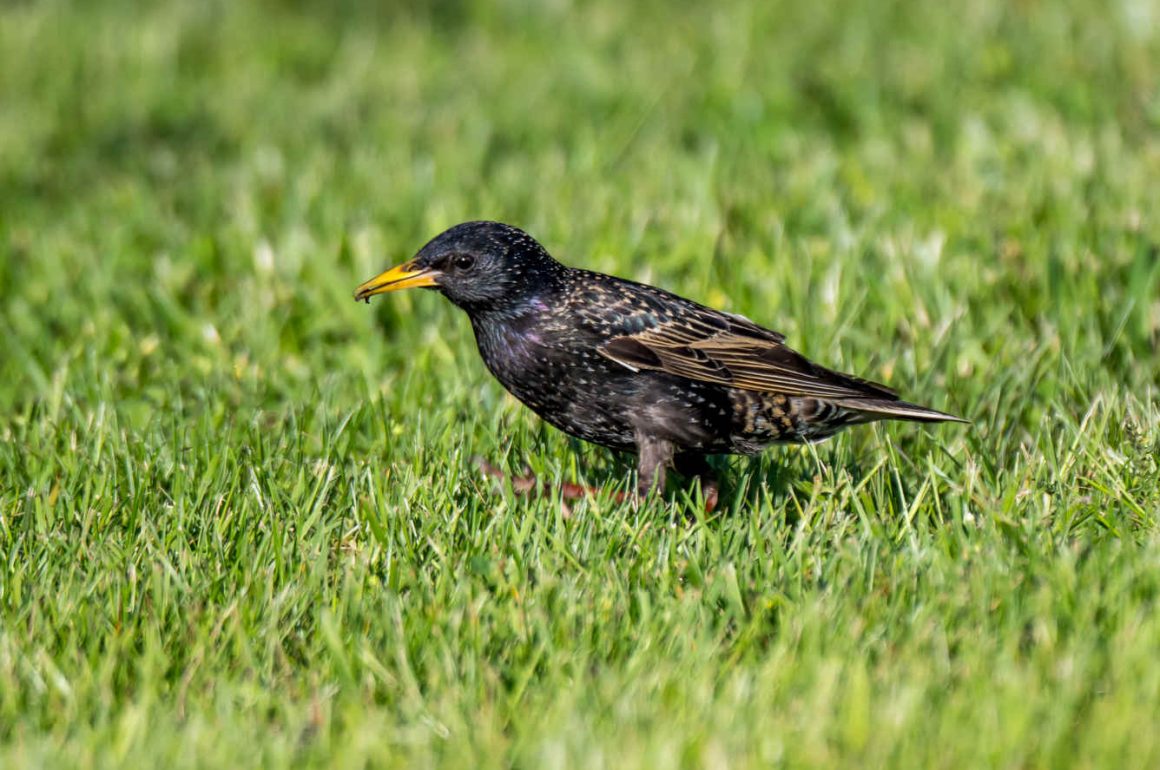
Typical for the online edition of the Handbook of the Birds of the World, the introduction of the European Starling (a Eurasian bird) focuses entirely on North America. Not an approach justifiable from a scientific perspective. Imagine an article on American Football entirely discussing European teams.
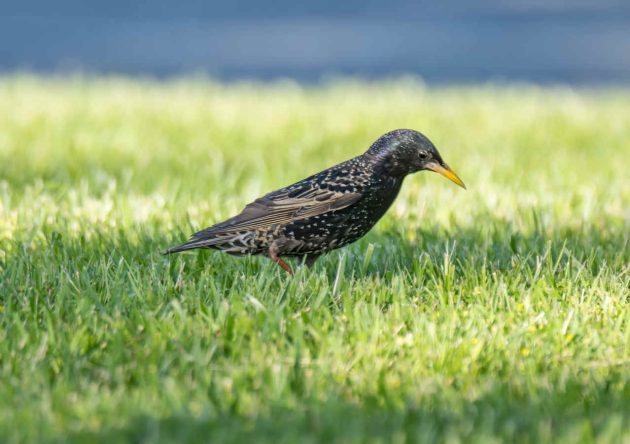
As you can imagine, the author of the profile is a US American, though his bio indicates he once participated in a field study in the UK, so he presumably is aware of the existence of countries outside of North America.
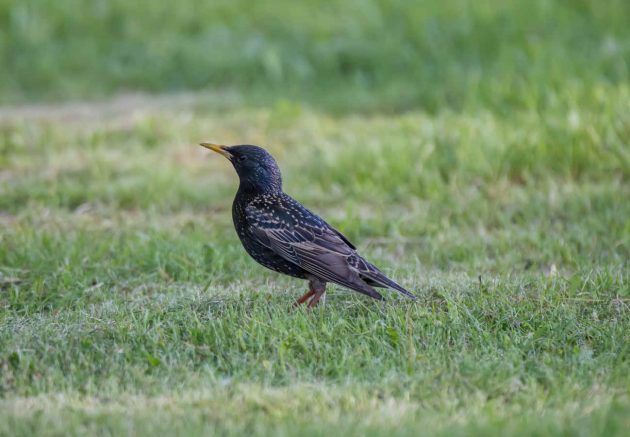
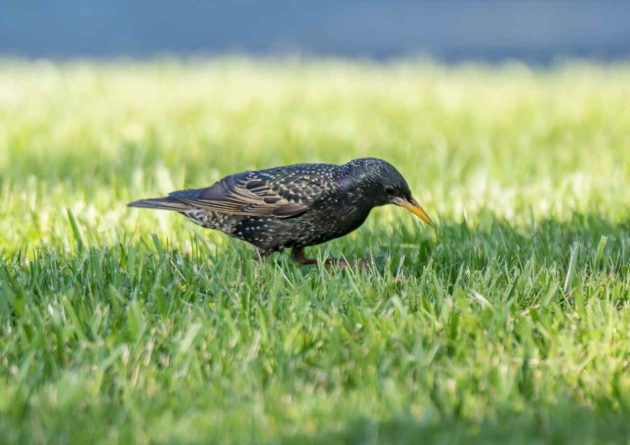
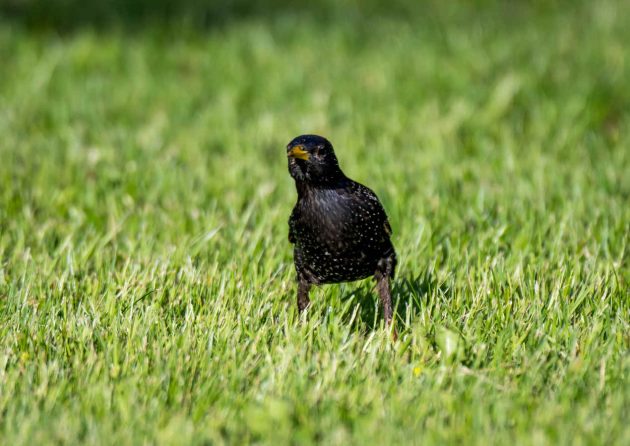
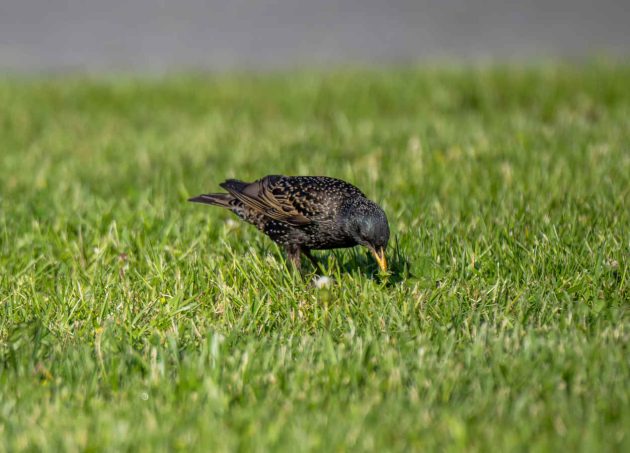
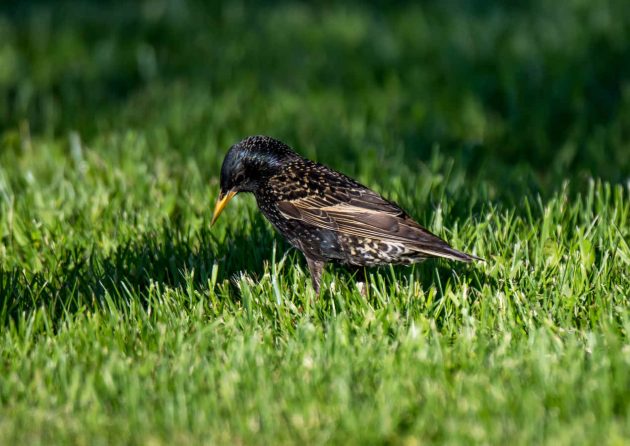
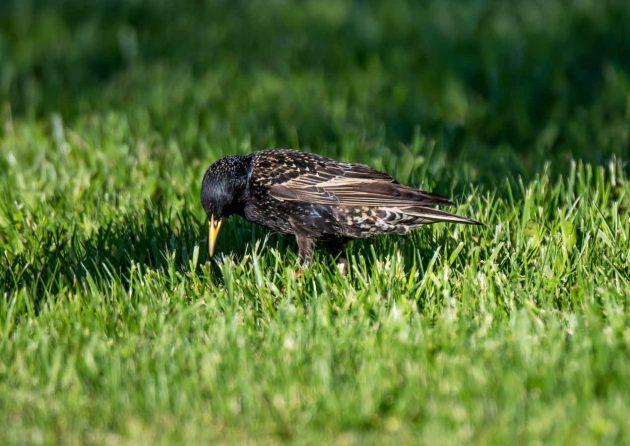
That said, this kind of thinking fits with this post, as the photos shown here were taken in North America (Maine, to be specific), where the current population is estimated at about 200 million, all presumed to be descended from a small number of birds released in New York around 1890.
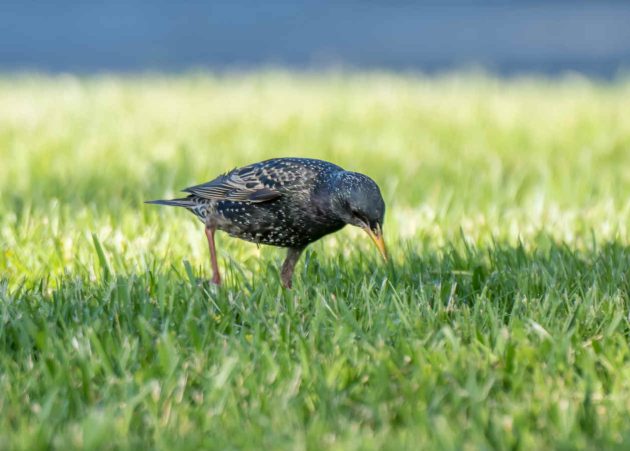
Being an invasive species in the US, some people might think that its scientific name Sturnus vulgaris already implies a criticism. That is not the case – when it was named in 1758, the word vulgaris simply meant “common” rather than “detestable.”
Notice how these days, publishers often put attractive birds on book covers even when the contents have nothing whatsoever to do with birds? Here is one example.

Similarly, all kinds of algorithms get cutified by associating them with birds. Even the generally fairly unpopular starling has now been thus employed in a Sturnus vulgaris escape algorithm and its application to mechanical design, which states that “Practical engineering optimization problems are characterized by high dimensionality, non-convexity, and non-linearity, and the use of optimizers to provide better quality solutions to the target problem in an acceptable time is a hot research topic in the field of optimal design.”
And no, I will not explain what any of this means. My hunch is that it means very little, but then that is my default reaction whenever something is described as “complex.”
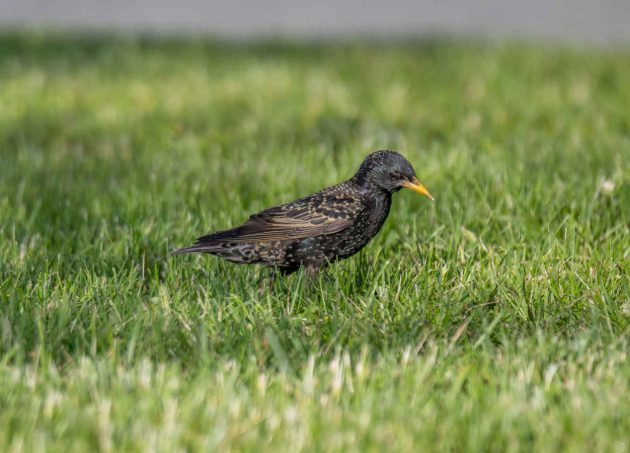
Starlings are famous for their murmurations, and a recent (2025) paper aims to explain their existence and rationale.
It states that “Collective winter roosts are hierarchically structured: dominants roost in the centre while subdominant juveniles, particularly females, are relegated to the periphery, and suffer a disproportionately high mortality.” Which sounds rather misogynistic.
But it explains the murmurations: “Murmurations emerge as competitive interactions in which birds vie for safer central roosting spots via a leading position in the flock. Under this hypothesis, the erratic flight patterns result from strategies employed by subgroups (caucuses) in the worst positions that trigger collective predator escape behaviours to improve their positions.”
Given this competitive nature, one might wonder why the starlings still participate. The paper explains this as well: “Murmurations impose collective costs: they are prolonged and energy-consuming negotiations about relative roosting positions, a fixed resource. Participation is still beneficial as the cost of not participating, roosting solitarily or in the periphery, is greater than that of participating.”
And I always thought they just do this for the birdwatchers.














Starlings are amazing birds. Everywhere.