

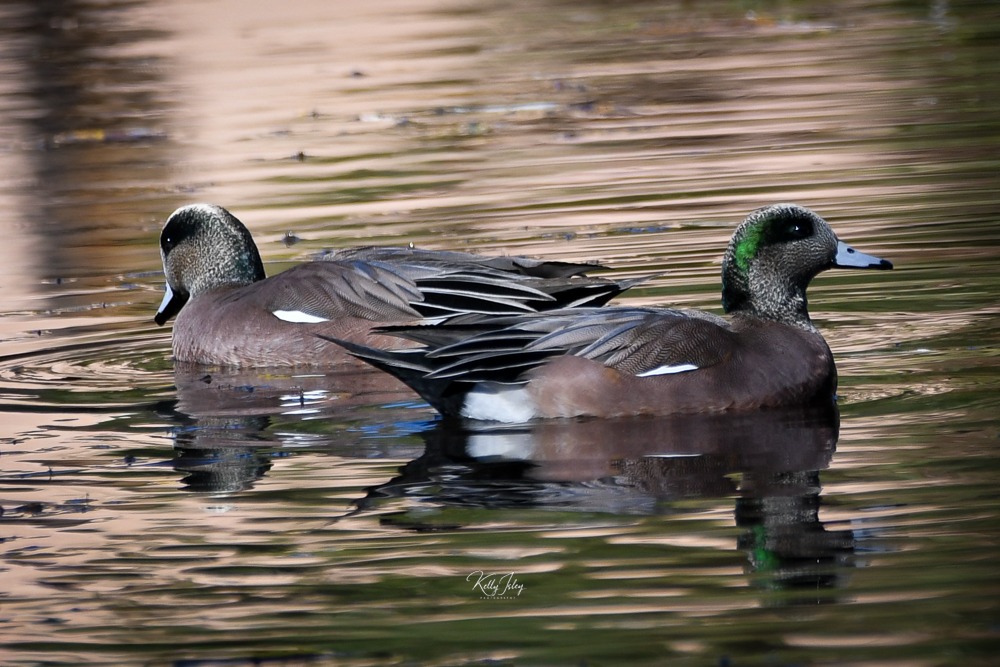
The American Wigeon (Mareca americana) is one of North America’s most distinctive dabbling ducks and one of my favorites. Whether you’re a birder scanning a quiet marsh or a wildlife photographer waiting patiently along the shoreline, these handsome waterfowl reward careful observation with striking colors and fascinating behavior. Their unique appearance and unmistakable call make them a popular species to spot during the cooler months.
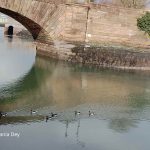
The best time to see American Wigeons across the Lower 48 is from August through April, when they gather in wetlands, ponds, lakes, and flooded fields. They also frequent nearby agricultural fields where they graze on vegetation. Before you spot one, you may hear the male’s signature nasal whistle, often the first sign a flock is nearby. Once you locate them, the drake’s gleaming white forehead, emerald-green eye patch, and bright white rump sides make identification surprisingly easy, even from a distance. Because American Wigeons flush quickly when disturbed, it’s best to observe them from afar using binoculars or a telephoto lens. I’ve learned that the hard way!
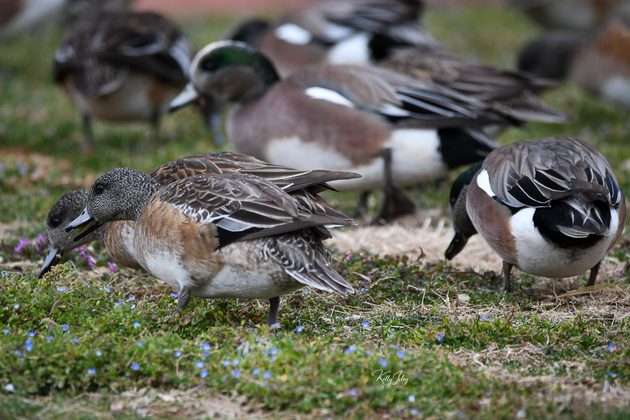
One reason American Wigeons stand apart from other dabbling ducks is their diet. They consume a higher proportion of plant material than any other North American dabbling duck. Their short, goose-like bill is specially adapted for grazing, letting them apply extra force at the tip to pluck grasses and aquatic vegetation with exceptional efficiency. You often see them feeding in fields, lawns, and shallow wetlands, much like small geese.
These eye-catching beauties are generally considered medium-sized ducks, not small ducks. They measure about 16–23 inches (41–58 cm) long, with a wingspan of about 30–36 inches (76–91 cm). They’re smaller than Mallards but larger than many people might expect from their relatively compact appearance.
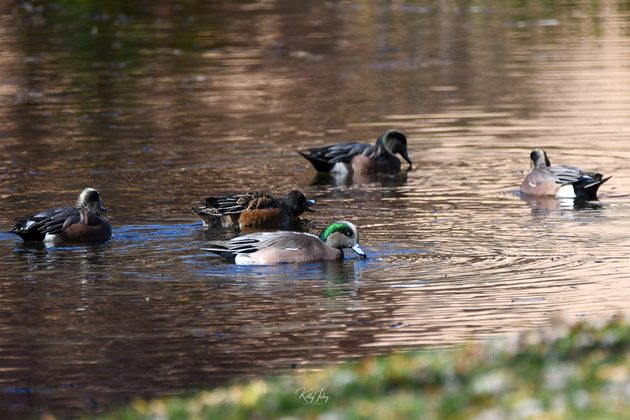
American Wigeons also live longer than many people realize. The oldest recorded individual reached at least 20 years and 11 months. Researchers originally banded one in Washington State in 1952, showing these birds can survive for decades under favorable conditions.
For photographers hoping to capture memorable images, blending into the environment is one of the most valuable techniques. Camouflage isn’t simply about wearing camouflage clothing, it’s about becoming part of the landscape. Earth-toned greens, browns, and grays help you blend into marsh vegetation, letting the birds behave naturally. Move slowly and deliberately, avoiding sudden motions that might alarm nearby ducks. Even seemingly small details matter; skipping scented products can reduce the chance of alerting waterfowl to your presence. The more natural the birds feel, the more likely you are to capture authentic moments, from feeding behavior to courtship displays and graceful landings.
With a little patience, careful observation, and respect for their space, American Wigeons offer unforgettable experiences for birdwatchers and photographers alike. Their distinctive whistle, elegant plumage, and fascinating grazing habits make them one of the most rewarding ducks to observe in fall, winter, and early spring.








Leave a Comment