
What is your favorite bird species?
Birds are all so beautiful and unique in their own way that it is really difficult to pick a specific species. But, for me, the Pitta family is particularly beautiful.
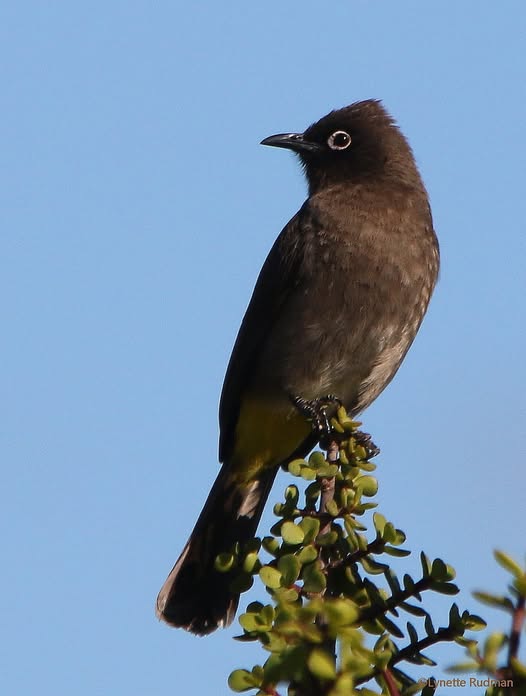
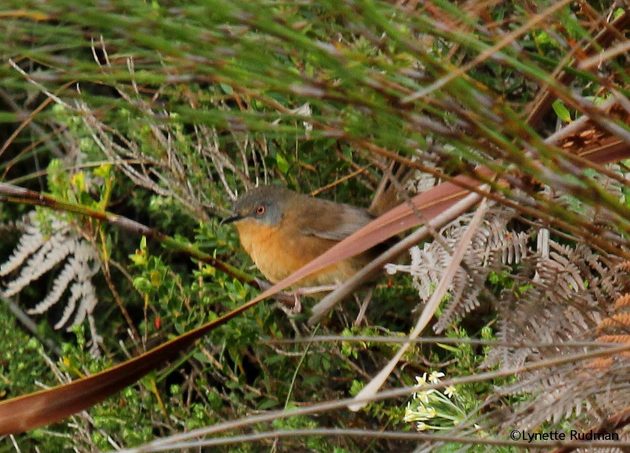
Cape Bulbul
What is your name, and where do you live?
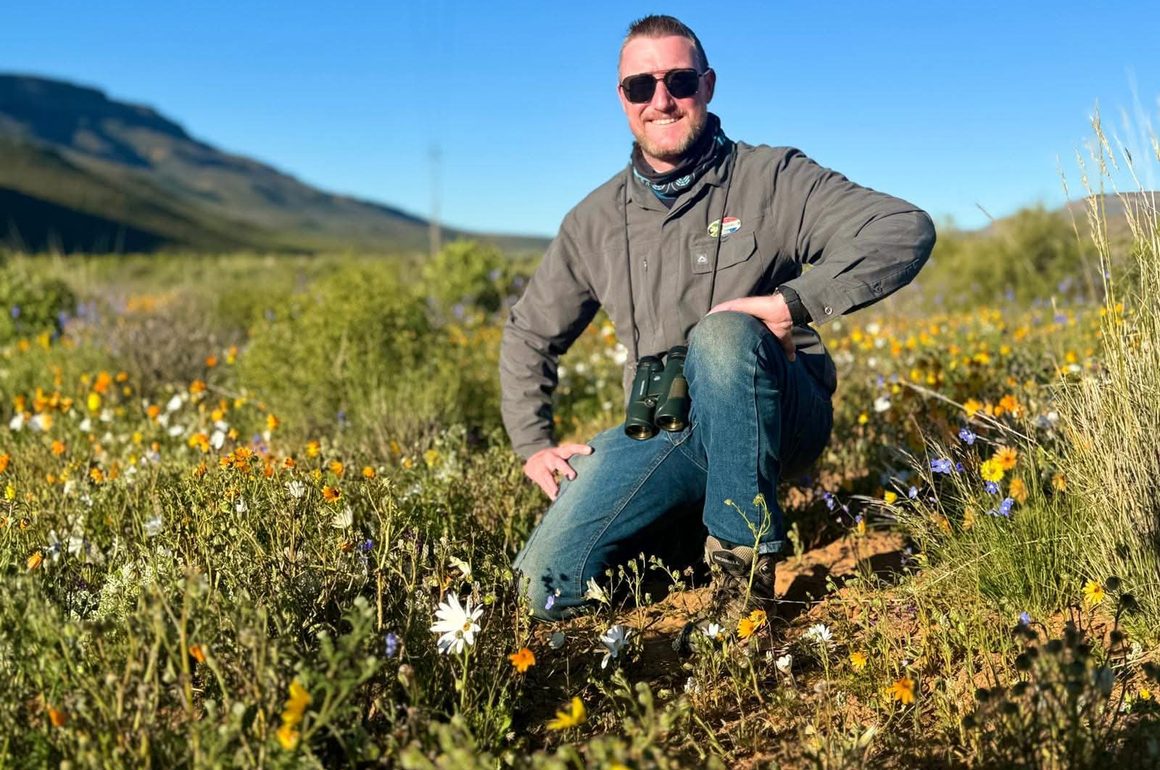
Alfie Curling. I live in Cape Town, South Africa
What are the main regions or locations you cover as a bird guide?
I do birding trips all over South Africa, but I do most of my trips in and around Cape Town.
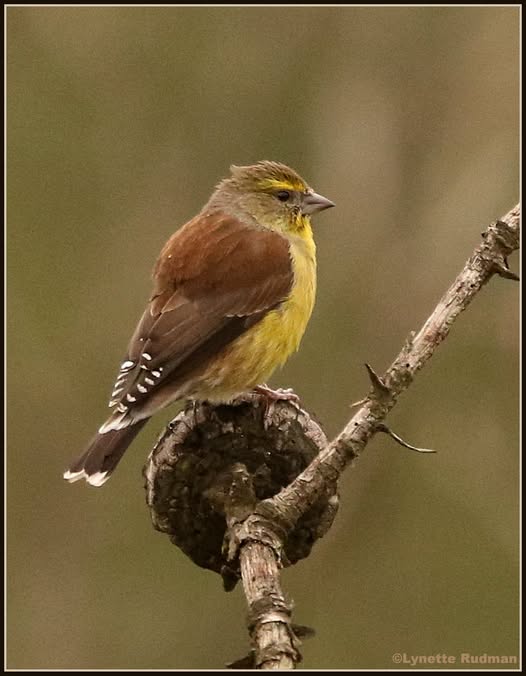
Cape Siskin
How long have you been a bird guide?
I have been a bird guide for close to 20 years.
How did you get into bird guiding?
My father was a passionate birder, and I started learning bird names from when I was learning to talk. Having grown up in the Kruger and later becoming a game ranger, I have been obsessed with birds and wildlife my whole life. In my earlier years of guiding, I was mainly taking safaris but would be the go-to guide for birding trips. Now that I am based in Cape Town, I mainly do birding trips but also do wildlife trips or a combination of both.
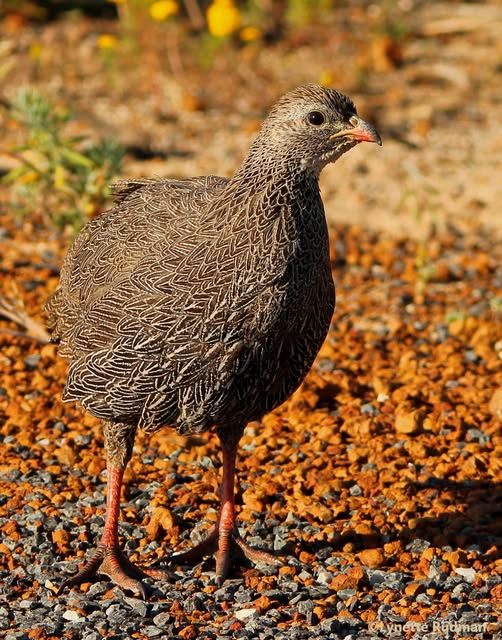
Cape Spurfowl
What are the aspects of being a bird guide that you like best? Which aspects do you dislike most?
Birding takes you to some incredibly beautiful destinations. Birds are also incredible to watch, not only for their incredible beauty, but also for their unique behavior and overall diversity. There is certainly not much to dislike about being a bird guide except for the days that you are not birding.
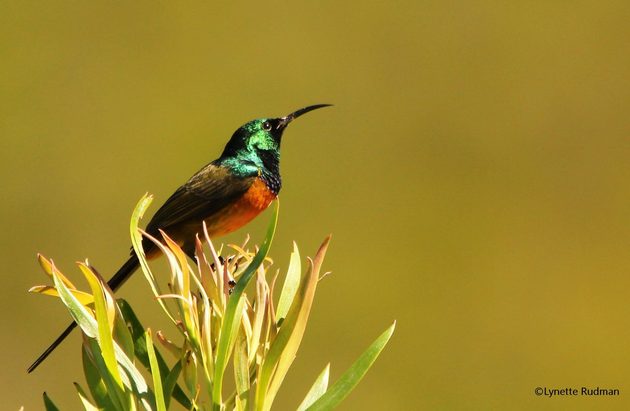
Orange-breasted Sunbird
What are the top 5-10 birds in your region that are the most interesting for visiting birders?
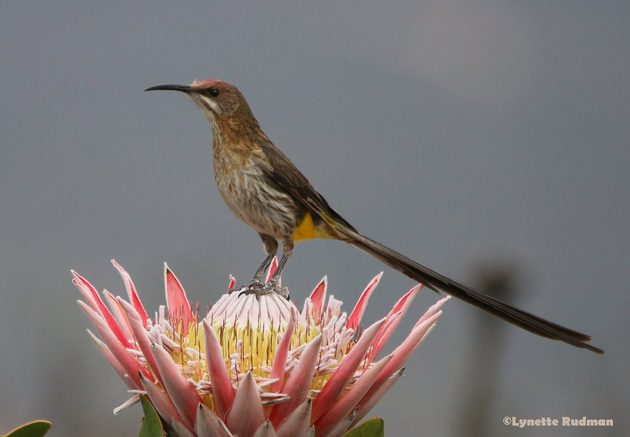
- Cape Sugarbird
- Cape Rockjumper
- Cape Siskin
- Orange-breasted Sunbird
- Cape Spurfowl
- Victorin’s Warbler
- African Penguin
- African Black Oystercatcher
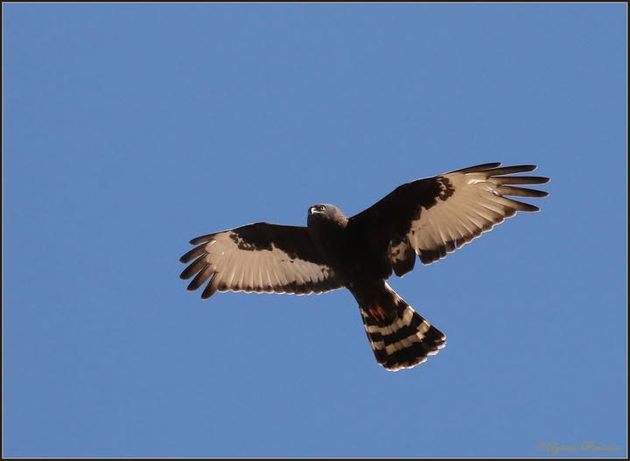
- Black Harrier
- Cape Bulbul
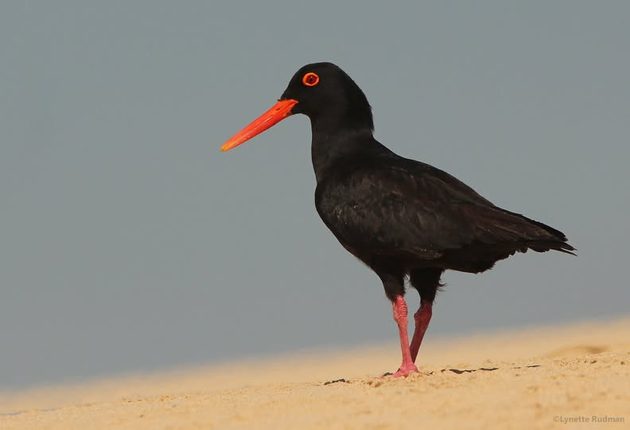
African Black Oystercatcher
Can you outline at least one typical birdwatching trip in your area? Please briefly describe the locations, the key birds, and the approximate duration of such a trip
In the Cape Town area, I typically have 3 full-day trips that I would focus on:
- Kirstenbosch National Botanical Gardens and Strandfontein Sewage Works (False Bay Nature Reserve)
- Rooiels and Betty’s Bay
- West Coast National Park
Kirstenbosch and Strandfontein focus on forest, fynbos, and wetland species:
- In Kirstenbosch National Botanical Gardens, some key birds are: Cape Sugarbird, Cape Spurfowl, Forest Canary, Cape Batis, African Olive-Pigeon, Lemon Dove, African Goshawk, Forest Buzzard, Brimstone Canary and Rufous-chested Sparrowhawk.
- Strandfontein Sewage Works is arguably one of the best birding destinations in Cape Town and provides a substantial list of waterfowl. Some key birds are: Cape Teal, Cape Shoveler, Maccoa Duck, African Swamphen, Black-necked Grebe, Greater and Lesser Flamingo, Pied Avocet, Southern Pochard, Great White Pelican, African Marsh Harrier and a number of waders.
Rooiels is best known for some really special Fynbos endemics, especially the highly sought-after Cape Rockjumper. Other key species include: Cape Grassbird, Orange-breasted Sunbird, Cape Siskin, Yellow Bishop, Ground Woodpecker, Cape and Sentinel Rock-Thrush, Grey-backed Cisticola and Cape Bunting.
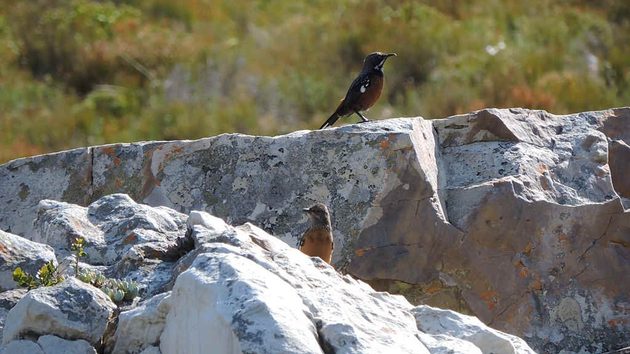
Cape Rockjumper
In Betty’s Bay we have two main destinations: Stoney Point Penguin Colony and Harold Porter Botanical Gardens. Key species for Stoney Point are: African Penguin, Banded and Crowned Cormorant, African Black Oystercatcher and Hartlaub’s Gull. In Harold Porter Botanical Gardens, the key species are: Olive Woodpecker, Victorin’s Warbler, Blue-mantled Crested Flycatcher, Swee Waxbill and African Black Duck.
Victorin’s Warbler
West Coast National Park is a great area to target some of the more arid Karoo species close to Cape Town, as well as a huge number of waders that flock to the lagoon in their thousands in the summer months. Key species include: Black Harrier, Cape Penduline-Tit, African Rail, Grey-winged Francolin, Southern Black Korhaan, Karoo Scrub Robin, African Pied and Wattled Starling, Yellow Canary, Chestnut-vented Warbler, Bokmakierie, to name a few, not including all the wader species.
Black Harrier
What other suggestions can you give to birders interested in your area?
The great thing about many of our target species in the Cape Town area is that they are endemic to the area, so any time of the year can work. It is a winter rainfall area, and there is potential for cold and rainy conditions in the winter, but the days in between are beautiful, sunny, and mild. In summer it can be quite warm. I would recommend packing for the season that you are planning on visiting in. Cape Town also has a reputation for having all four seasons in one day. Don’t forget your binoculars and camera, although being a large city, it should be possible to purchase anything you might have left behind.
Cape Sugarbird
If any readers of 10,000 Birds are interested in birding with you, how can they best contact you?
I can be contacted via email at alfie.curling@yahoo.com. Alternatively, you can contact me via WhatsApp on +27781984159
Is there anything else you would like to share with the readers of 10,000 Birds?
Firstly, thank you to 10, 000 Birds for reaching out to me and giving me the opportunity to share our birding experiences with you all.
Secondly, a bit of birding advice: Next time you are out birding, slow down, observe, and enjoy. So often we focus on getting a new tick or a perfect photo that we forget what got us into birding in the first place: enjoying the beauty and interesting behavior of our feathered friends and the beautiful environments we are privileged enough to find ourselves in when we are out there enjoying this incredible hobby.
All photos except those of Alfie and Cape Rockjumper are by Lynette Rudman




Leave a Comment