
Could you introduce your organization and the main conservation work you do?
BirdLife Malta is Malta’s leading organisation dedicated to the conservation of wild birds and their habitats. Founded in 1962, we are a member of BirdLife International, a global partnership of conservation organisations working to protect birds, their habitats and global biodiversity.
Our work combines scientific research and bird monitoring, habitat management, environmental education, public engagement and advocacy. We manage four nature reserves: Gadira, Simar and Salina, as well as Foresta 2000, an area of natural habitat that has been restored as a Mediterranean woodland. These sites provide important habitats for resident and migratory birds.
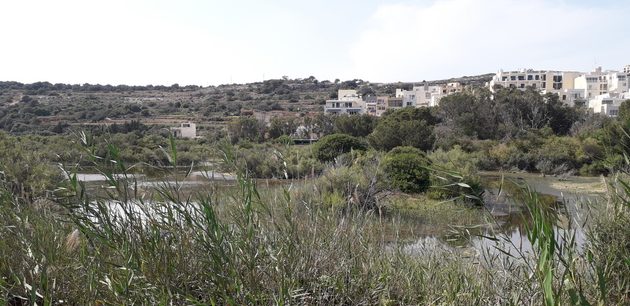
Simar Panorama. Photo Aron Tanti
We also document and monitor wildlife crime, support efforts to bring offenders to justice, and advocate for effective enforcement and strong legislation to protect wild birds. At a time when proposals to reduce penalties for offences involving protected birds are being considered in Malta, we are calling for existing protections to be upheld, not weakened.
Black-winged Stilts (flock of 30) at Salina. Photo MarioVGauci
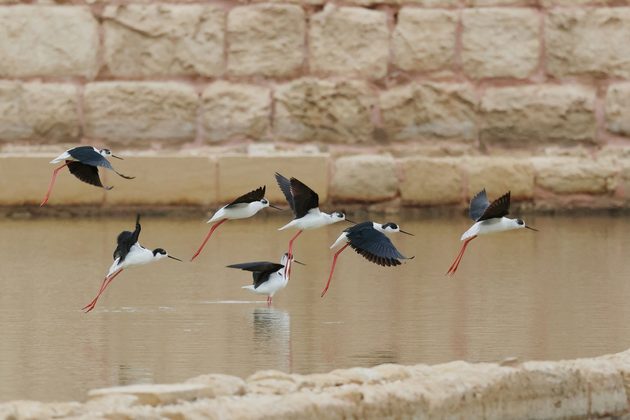
Malta’s position in the central Mediterranean makes it an important stopover for migratory birds travelling between Europe and Africa. During migration, birds crossing the islands face the risk of illegal hunting and trapping, making effective protection particularly important. Safeguarding birds in Malta is therefore not only a national conservation priority but also part of the wider international effort to protect migratory species along their migration routes.
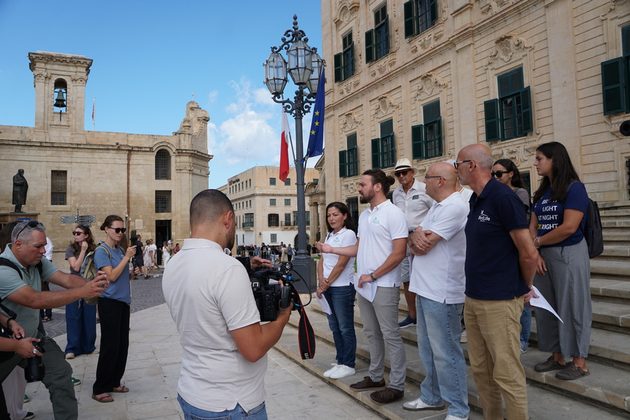
Press Conference Outside Prime Minister’s Office. Photo Cenaida Largo Rubio
Is there a particular project, species, or place you’d like to tell our readers about?
I would highlight Salina Nature Reserve, on Malta’s northern coast, as an example of how restoring degraded habitats can benefit wildlife while reconnecting people with nature and local heritage.
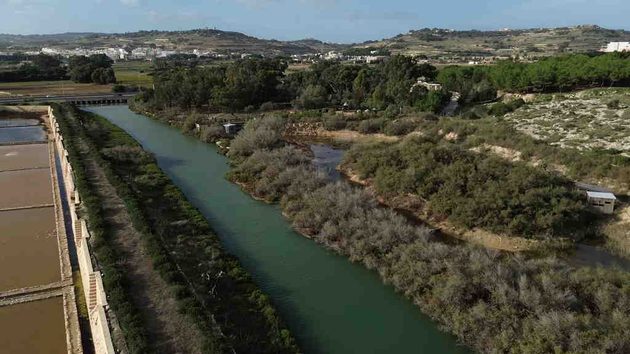
Salina is a historic saltpan site that has undergone extensive wetland restoration. The project involved removing illegally dumped material, creating brackish-water canals and ponds, improving water flow and salinity, and reintroducing native vegetation. The ecological benefits are already evident, with native plants, fish and breeding birds returning to the site.
Salina Panoramic View with Gulls. Photo Aron Tanti
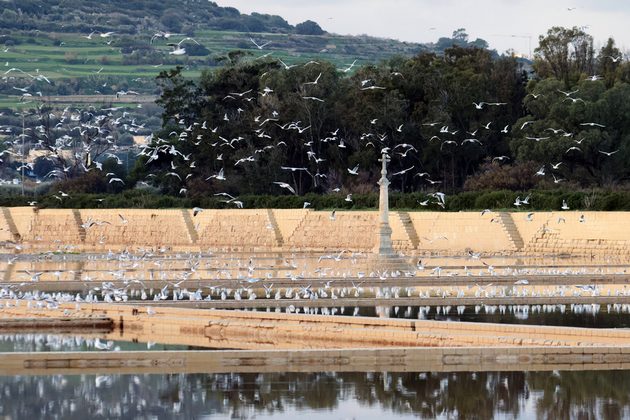
In 2025, BirdLife Malta received the Environment and Resources Authority’s Environmental Stewardship Award for Voluntary Organisations in recognition of the Salina Wetland Restoration Project. In 2026, Salina was selected as the only Maltese project featured in the European Travel Commission’s Tourism for Europe initiative, showcasing it as an example of how tourism can support nature restoration, biodiversity and local heritage.
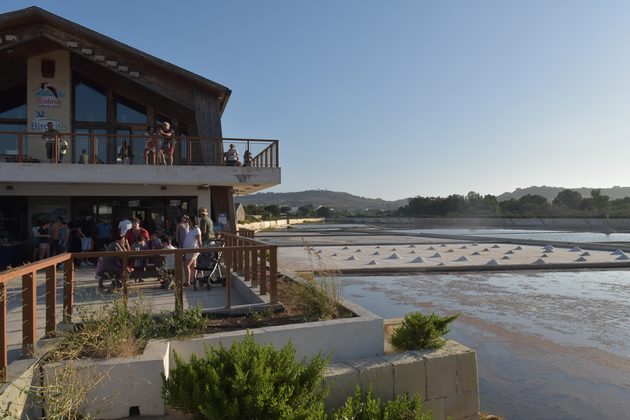
Today, visitors can discover birds such as flamingos, avocets and herons, as well as the rare Mediterranean Killifish. The reserve also preserves Malta’s salt-making heritage through the Salina Salt Museum and provides opportunities for environmental education and responsible wildlife observation.
For us, Salina demonstrates that conservation is not simply about protecting what remains. With sustained commitment, scientific knowledge and collaboration, degraded habitats can be restored, wildlife can return, and natural spaces can become valuable places for both biodiversity and people.
Salina Wetland Restoration Project. Photo Karl Andrew Micallef
What are the biggest challenges facing birds or their habitats in the areas where you work?
One of the greatest challenges is illegal hunting and trapping, particularly during migration periods when birds cross Malta on their journeys between breeding and wintering grounds. Protected species continue to be illegally shot, making effective enforcement and deterrent penalties essential.
Habitat loss and degradation are also major concerns. Malta is a small, densely populated island nation under considerable pressure from urbanisation and development. Wetlands, open countryside and other natural habitats are limited resources, and their protection is essential for birds to find food, shelter and places to rest during migration.
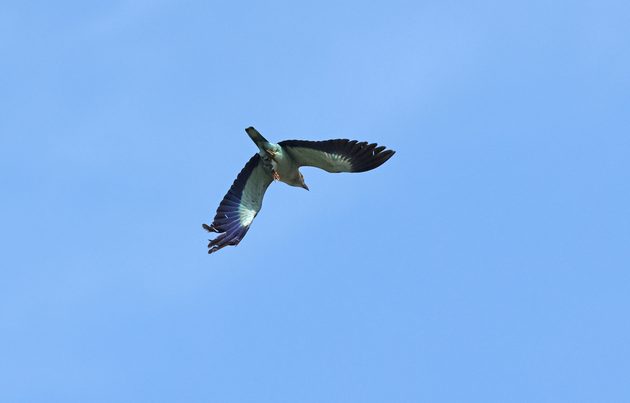
Injured Roller. Photo Aron Tanti
Climate change adds another layer of pressure, affecting weather patterns, water availability and the ecological conditions on which migratory species depend.
These challenges are interconnected. Protecting individual birds is vital, but lasting conservation also requires the protection of habitats, effective implementation of environmental laws and greater public recognition of the value of nature.
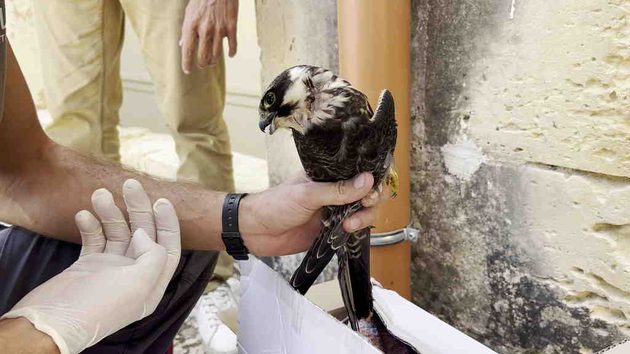
Eurasian Hobby Found Injured at St Edward’s College. Photo Antonia Micallef
Could you share a recent success or a moment that shows why this work matters?
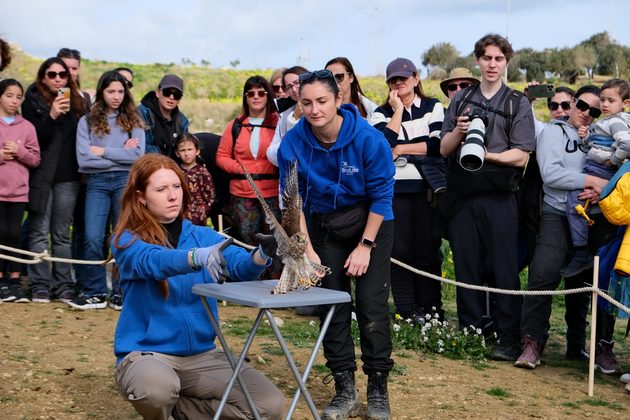
One particularly meaningful example is the story of a female Common Kestrel rescued in Gasri, Gozo, on 31 October 2025 after being shot. Through BirdLife Malta’s Wings of Hope project, funded by the Malta Environment Foundation, she received veterinary treatment and rehabilitation before being released back into the wild at Foresta 2000 in Melliea on 10 February 2026.
Fitted with a GPS-GSM tracking tag, she subsequently travelled from Malta to Sicily and mainland Italy, reaching the Apulia region. As autumn migration began, we continued tracking her journey south through Italy and Sicily. Her latest GPS signals confirm that she has arrived back in Malta, where she may remain for the winter.
Her journey is a reminder of both the resilience of wild birds and the threats they face. This kestrel survived being shot thanks to timely rescue, veterinary care and rehabilitation, which gave her a second chance at life in the wild. Sadly, many other birds are not so fortunate.
Update: Unfortunately, on October 23, we had to release the following press release:
Still, through Wings of Hope, we are not only giving injured birds a chance to return to the wild but also learning more about their movements, habitat use and migration through GPS tracking. These findings are helping us better understand the importance of Malta as a potential habitat for Common Kestrels, including during migration and possibly even for breeding.
For us, her story captures why conservation matters: every bird deserves the chance to live free in the wild, and we must continue working towards a future in which birds can cross Malta safely.
Kestrel Release After Rehabilitation in Foresta 2000. Photo Nadia Sodano
How do local communities, volunteers, or other partners take part?
Public engagement is an important part of BirdLife Malta’s conservation work. We believe that protecting nature requires not only practical conservation action but also opportunities for people to learn about wildlife, experience nature and become involved in protecting it.
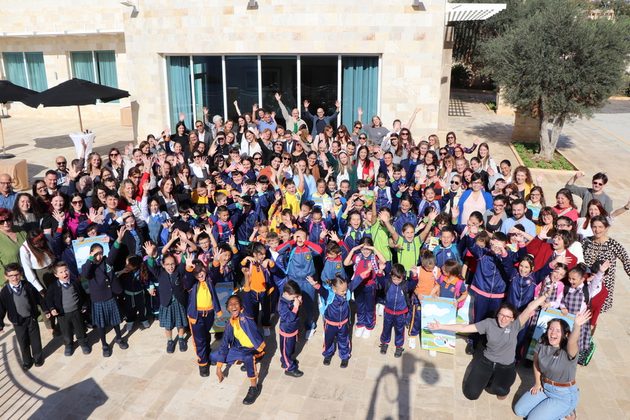
Through our Dinja Wahda environmental education programme, delivered in collaboration with Malta’s education authorities, we engaged more than 12,000 students during the year, connecting schools with nature through educational activities and visits to our nature reserves.
Dinja Wahda Awards Ceremony. Photo Yusuf Gamal
Through FALKO, BirdLife Malta empowers young people to turn their passion for nature into conservation action. With our support, members develop ideas, organise events and awareness activities, and build leadership and communication skills. Erasmus+ youth exchanges also allow them to explore environmental challenges and collaborate with young people from other countries.
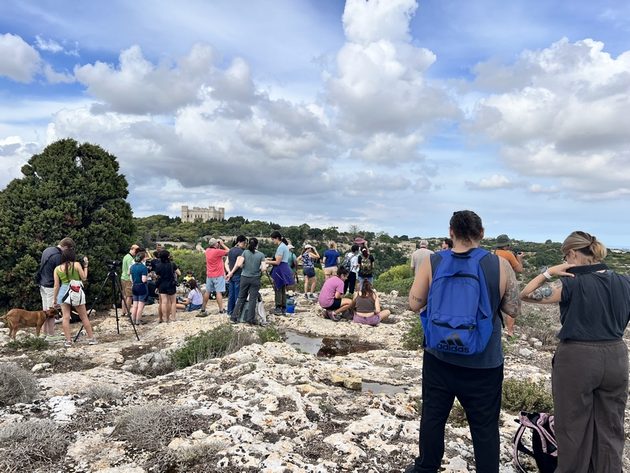
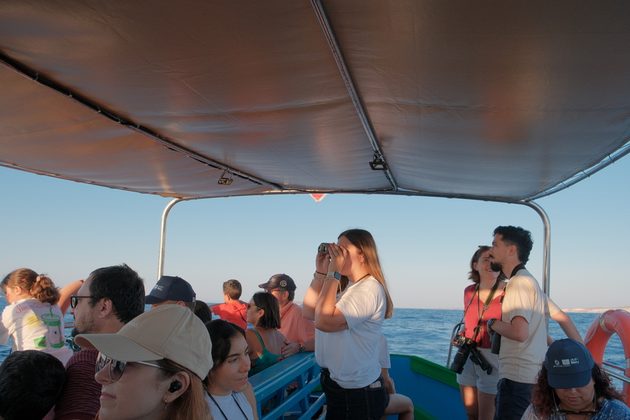
We organise guided walks, birdwatching activities and nature events for different audiences, from Raptor Watch and bird-ringing activities to shearwater boat trips and events at our nature reserves. In collaboration with external partners, we also raise awareness of issues such as light pollution and its impact on wildlife. This year, we expanded our outreach through monthly activities with Project Green in parks around Malta and participated in Agrifair for the first time, engaging thousands of visitors, including audiences we would not usually reach through our activities.
Raptor Watch Buskett. Photo Antonia Micallef
Partnerships are central to this work. We collaborate with schools, public authorities, other environmental organisations, international conservation partners and local communities. Our communications channels, publications and social media also help us keep members informed and encourage wider participation in conservation campaigns.
Through these activities, we aim to make nature conservation accessible to people of different ages and backgrounds, strengthen their connection with the natural environment and encourage them to take an active role in protecting Malta’s wildlife.
What can people do to support your work?
One of the most important ways to support BirdLife Malta is by becoming a member. There is strength in numbers, and a larger membership gives a stronger collective voice to advocate for the protection of birds and their habitats.
In Malta, hunting and trapping organisations have established memberships, with membership of a recognised hunting or trapping organisation required for the relevant licence. These organisations can therefore lobby decision-makers and make their views heard. People who love and respect nature, however, are not required to belong to a conservation organisation. This means that many people who care deeply about wildlife may support conservation in principle without being represented collectively when decisions affecting nature are made.
Nature needs a voice too. By becoming a BirdLife Malta member, you help strengthen that voice and demonstrate that protecting wildlife matters to a significant part of society. Annual membership is affordable, but when many people join together, their support can make a real difference.
People and businesses can also support our work through donations and corporate partnerships. These contributions help fund bird conservation, wildlife rehabilitation, habitat restoration, environmental education and public engagement. Companies can support specific projects, sponsor activities or work with us on initiatives that deliver tangible benefits for nature.
People can also volunteer, take part in our events, visit our nature reserves responsibly and help raise awareness of the threats facing birds and their habitats.
Every membership, donation and act of support helps us continue our work to protect Malta’s wildlife. If you want nature to have a stronger voice, join the flock.
Shearwater Boat Trip. Photo Simone Davide Brunori
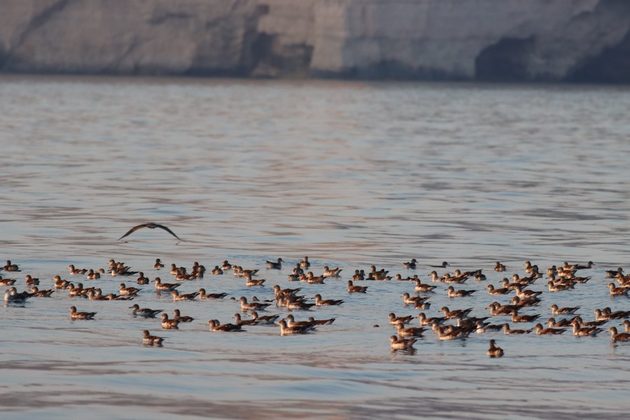
Scopoli’s Shearwaters Rafting Observed During Boat Trip Near Ta’ Cenc. Photo Alex Casha
Is there anything else you would like to highlight or mention?
Bird migration does not stop at national borders, and neither should the effort to protect it. Malta lies on a major migratory route between Europe and Africa, making the islands an important stopover for birds travelling between their breeding and wintering grounds. Yet, instead of finding safety here, migratory birds continue to face illegal killing and trapping.
This autumn, the concerns go beyond individual incidents of illegal shooting. Malta has once again authorised the trapping of Song Thrushes and the capture of finches under the guise of scientific research, despite two European Court of Justice rulings on finch trapping and ongoing concerns about compliance with EU law. The trapping season for Golden Plovers is due to open on 1 November. Meanwhile, according to a map based on official coordinates published by Malta’s Wild Birds Regulation Unit, 3,688 sites have been registered for finch trapping under the research derogation, 756 more than last year, with a further 1,800 sites registered for trapping Golden Plovers and Song Thrushes, 159 more than last year. Many of these sites are on public land.
SaltFest Salina. Photo Charles Coleiro
The situation is particularly alarming when considered alongside the events of September, when severe Mediterranean storms drove exhausted migratory birds to seek refuge in Malta. BirdLife Malta documented the shooting of large numbers of Turtle-doves and other protected species during this period. At the same time, proposals to reduce penalties for breaches of the laws protecting wild birds risk weakening deterrence when effective enforcement is urgently needed.
We believe the European Union must take a stronger role in ensuring that its wildlife protection laws are respected and enforced. Migratory birds connect countries and ecosystems across continents, and failures to protect them in one country undermine conservation efforts throughout their range. The EU Birds Directive establishes shared responsibilities for protecting wild birds, but those responsibilities must translate into action on the ground. Enforcement should know no borders. European institutions must use the tools available to them to address persistent non-compliance and ensure that Member States meet their obligations.
Ultimately, protecting birds requires more than conservation work on the ground. It requires political will, effective law enforcement, public support and cooperation across borders. We need people to speak up for wildlife and support organisations working to protect it. Birds belong to all of us, and their future depends on the choices we make today.
Are there a website or social media pages you’d like us to link to?
- Website: https://birdlifemalta.org/
- Facebook: https://www.facebook.com/BirdLifeMalta/
- Instagram: https://www.instagram.com/birdlifemalta/
- TikTok: https://www.tiktok.com/@birdlifemalta
- YouTube: https://www.youtube.com/user/BirdLifeMalta
- LinkedIn: BirdLife Malta: Posts | LinkedIn
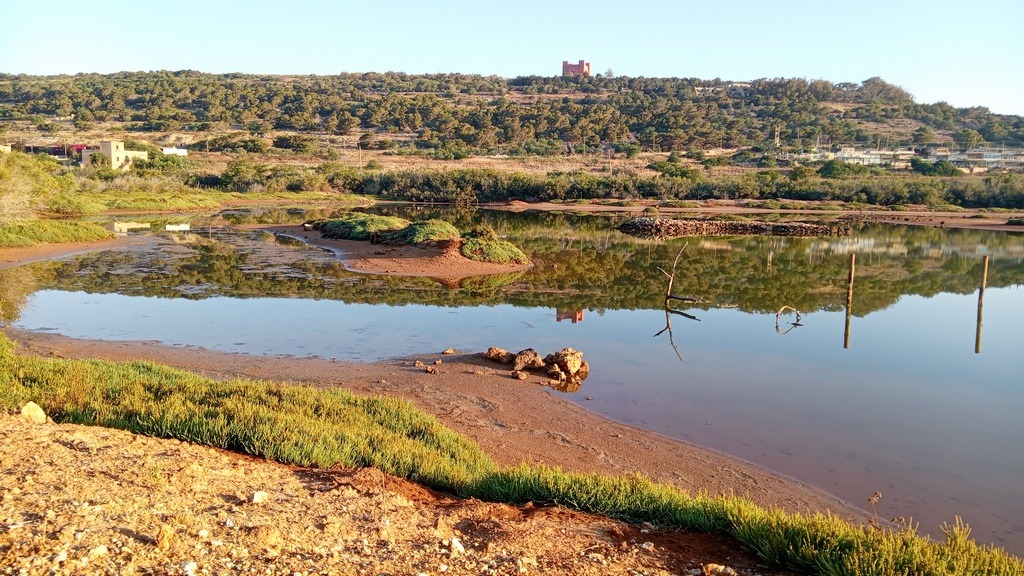
Cover: Foresta 2000 and Ghadira View. Photo Aron Tanti



Leave a Comment