
If you think that part 1 of a two-part post on Kaeng Krachan had some nice birds, you will probably not be disappointed by part 2 either. On the other hand, if you disliked part 1, it is probably a bit pointless to read on – unless you like butterflies. Which is why I only come to that topic at the end.
Before, there are woodpeckers to introduce. In particular, the somewhat bizarre-looking Great Slaty Woodpecker – the biggest of all woodpeckers still alive (if you now say the Ivory-billed is bigger, you probably also believe there is a shed somewhere in Roswell where they store broken spaceships of stranded aliens).
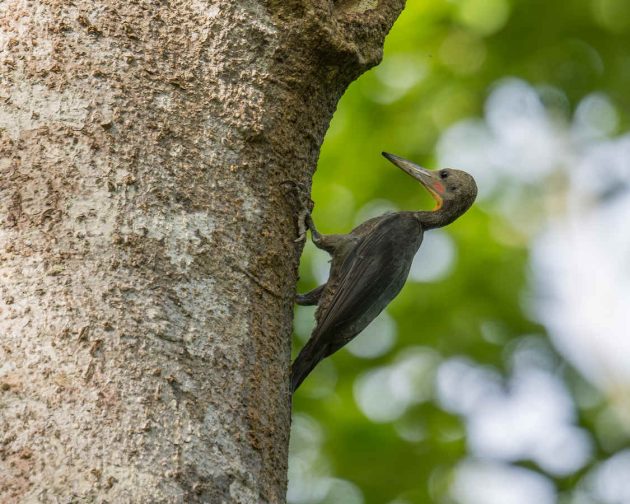
Its scientific species name Mulleripicus pulverulentus implies that it is dusty, which presumably refers to the color, not the fact that the species has not taken a shower in decades. And yes, Mulleripicus might well be the ugliest genus name I have ever heard.
With a length of 45-50 cm, it is substantially longer than the Greater Flameback with 30-34 cm (which is still a comparatively big woodpecker).
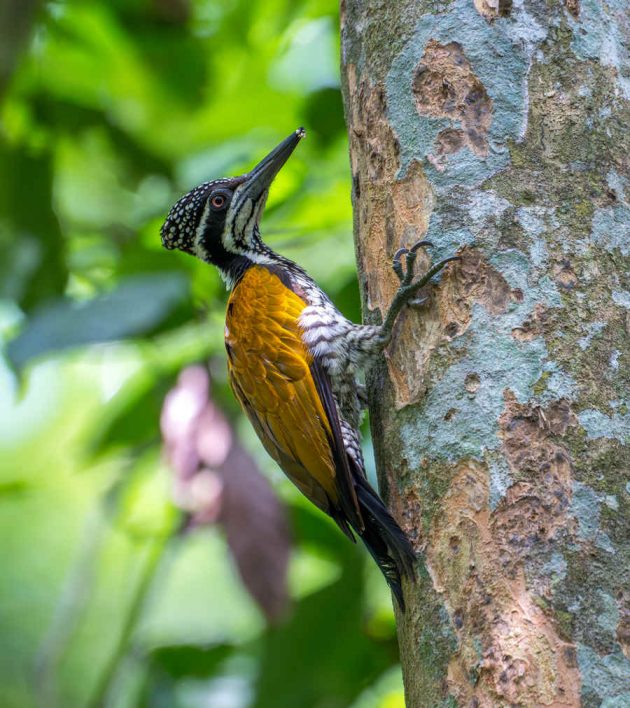
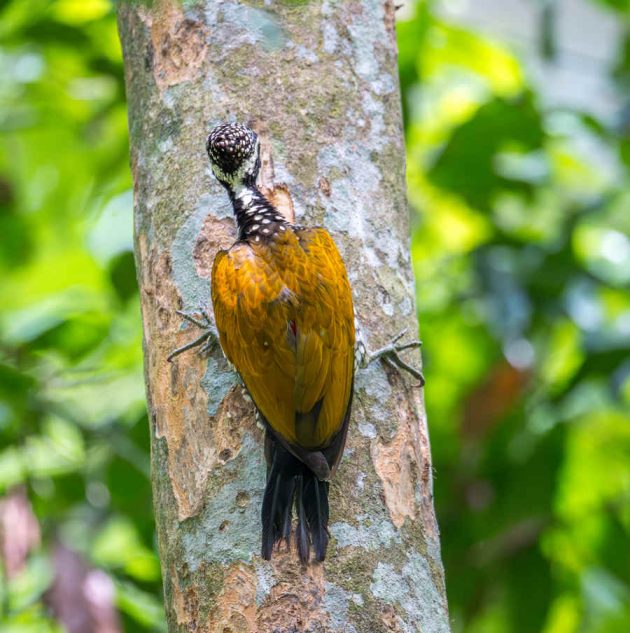
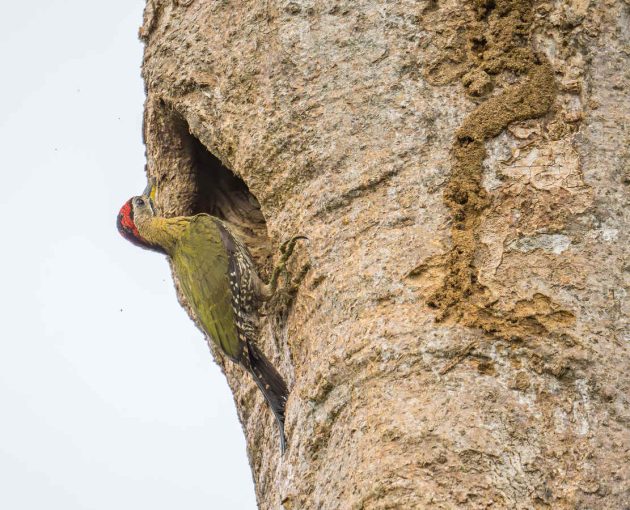
The Streak-breasted Woodpecker is only a little bit shorter (30-33 cm) but substantially lighter.
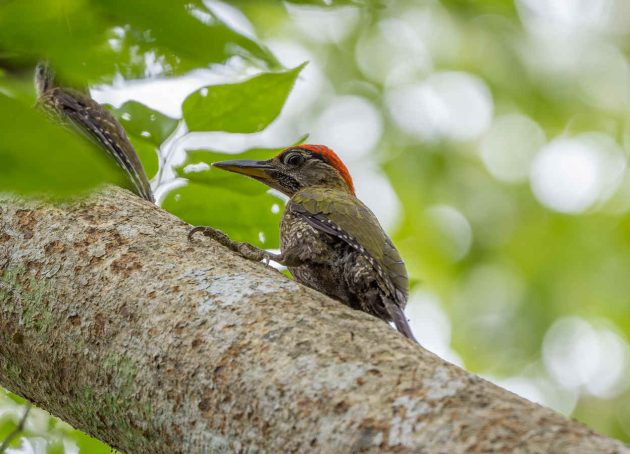
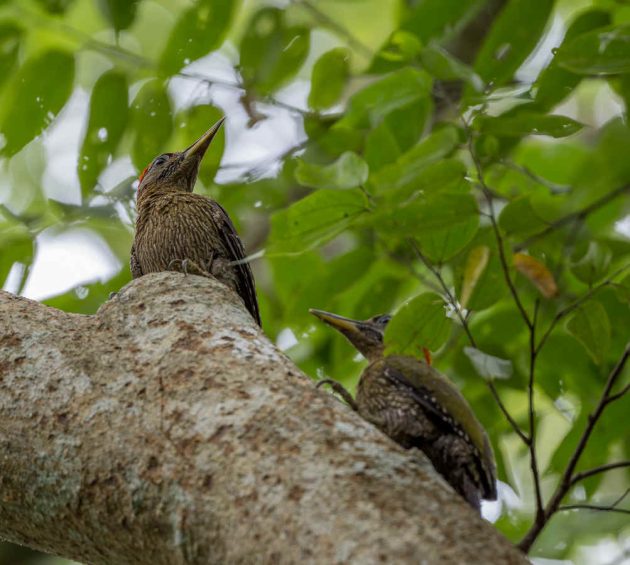
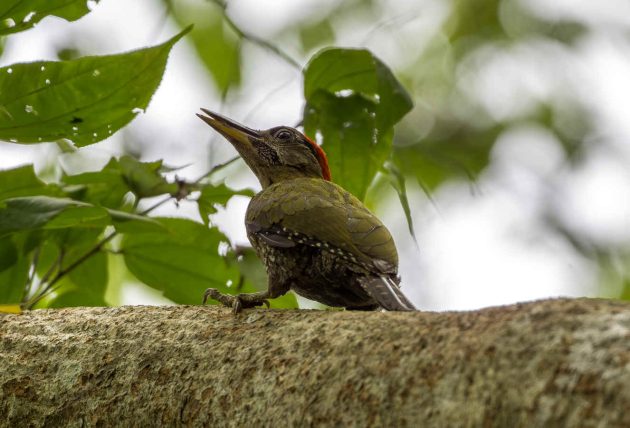
The viridanus in the scientific name Picus viridanus sounds like it could be a medicine for old men suffering from both digestion issues and erectile disfunction, but it only means “green”. Lucky woodpecker.
As far as I know, cuckoos never parasitize woodpeckers. In any case, the question is not relevant for the two malkohas of Kaeng Krachan, as they proudly bring up their own chicks (and never stop boasting about this fact, much to the annoyance of some other species they talk to in the local pubs at night).
One of them is the Green-billed Malkoha.
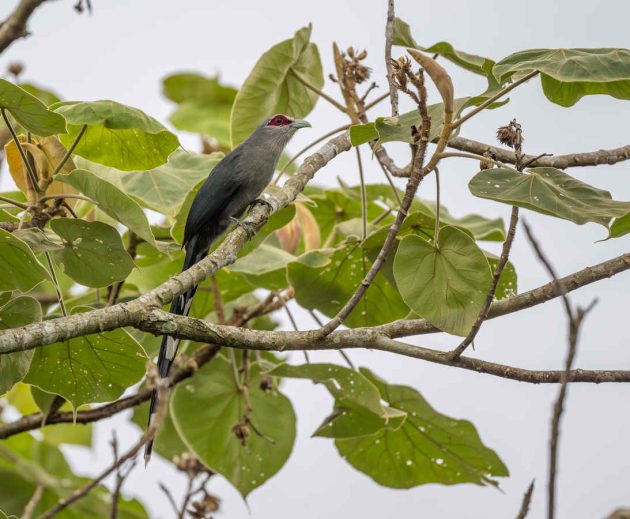
According to eBird (and my own observation), the species “creeps through foliage like a squirrel”, which is kind of amazing for such a largish bird (length 50-60 cm).
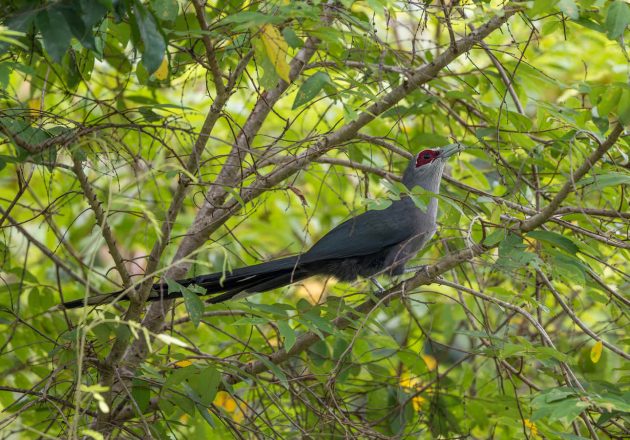
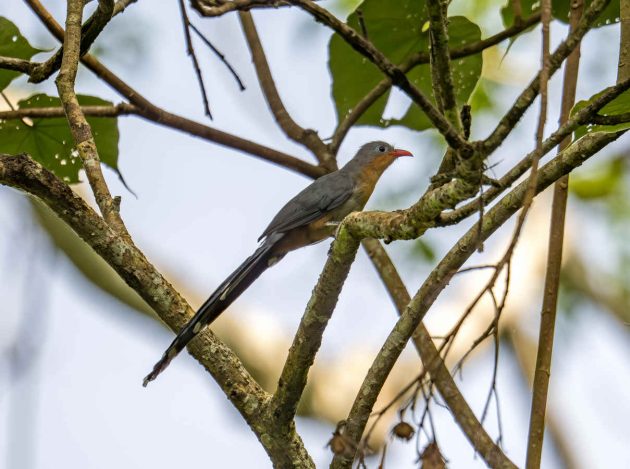
The Red-billed Malkoha looks much more refined and is also a bit more likely to pose out in the open.
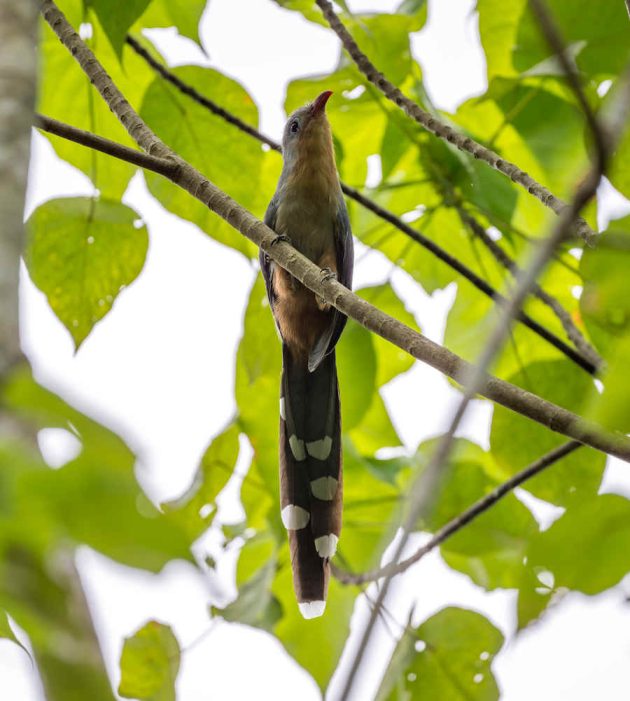
It therefore gets a higher rating from the Global Association of Malkoha Photographers, a well-recognized expert body (though the association still views the choice of messy backgrounds by the species quite critically).
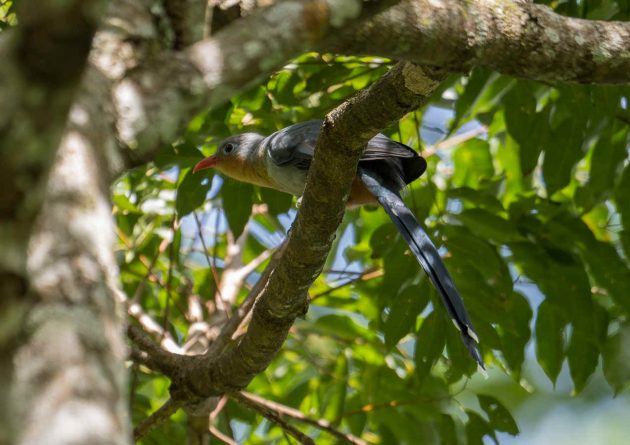
(You can tell from such lame jokes that I did not find any interesting scientific papers on the species.)
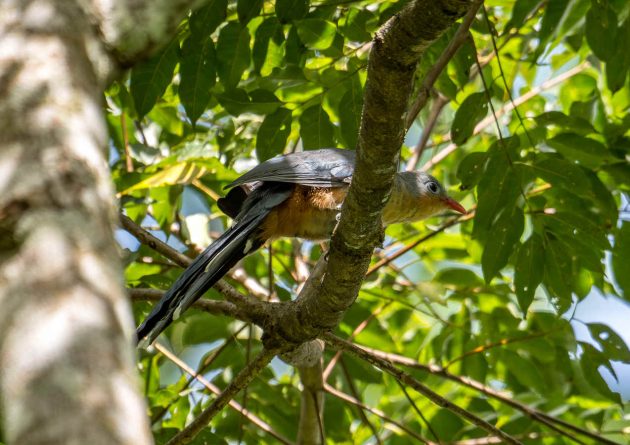
Though I learned that the malkoha group name is derived from the Sinhala word for the red-faced malkoha, mal-koha meaning flower-cuckoo (source).
The Greater Coucal is another member of the cuckoo family that despises the stereotype of brood parasitism.
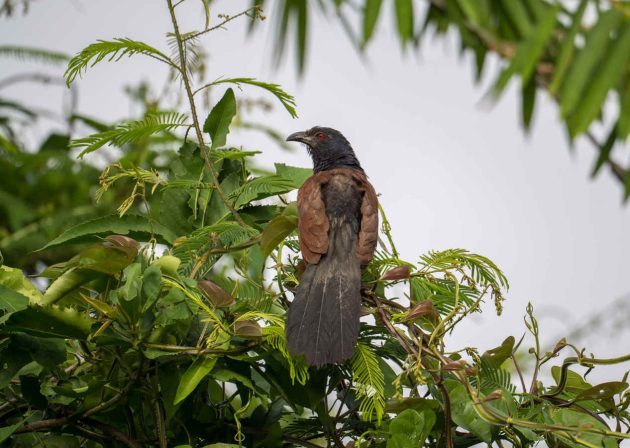
Though I am sure, sometimes, when being harried by hungry chicks, the species secretly wishes it had made a different choice.
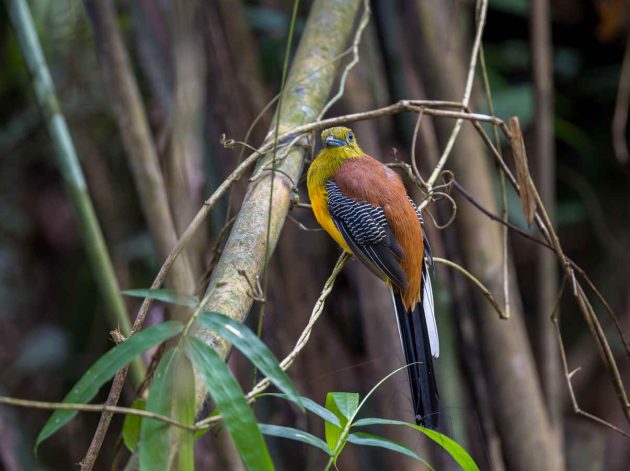
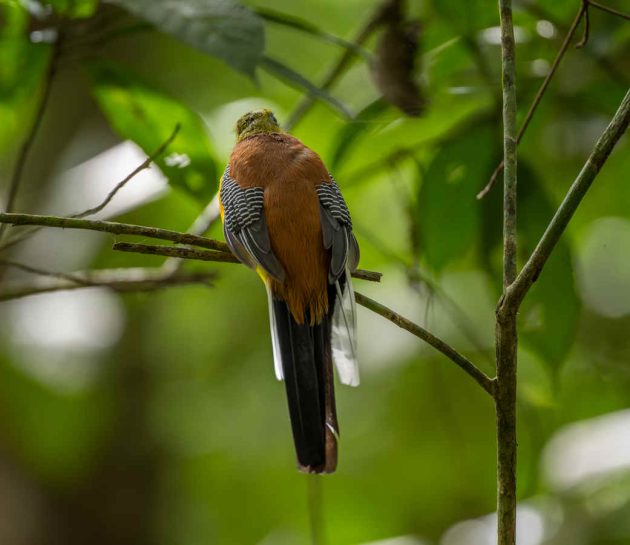
Fellow writer Peter occasionally complains about trogons and their limited movements, so he would probably not have liked this Orange-breasted Trogon.
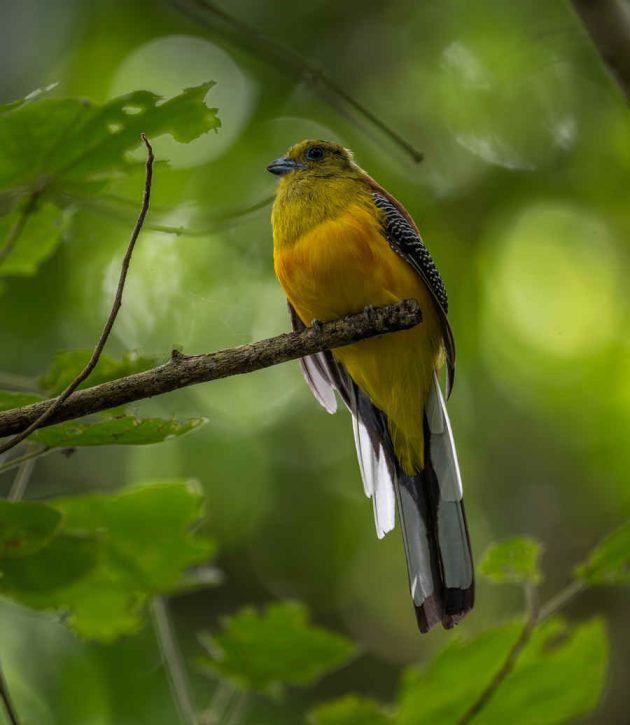
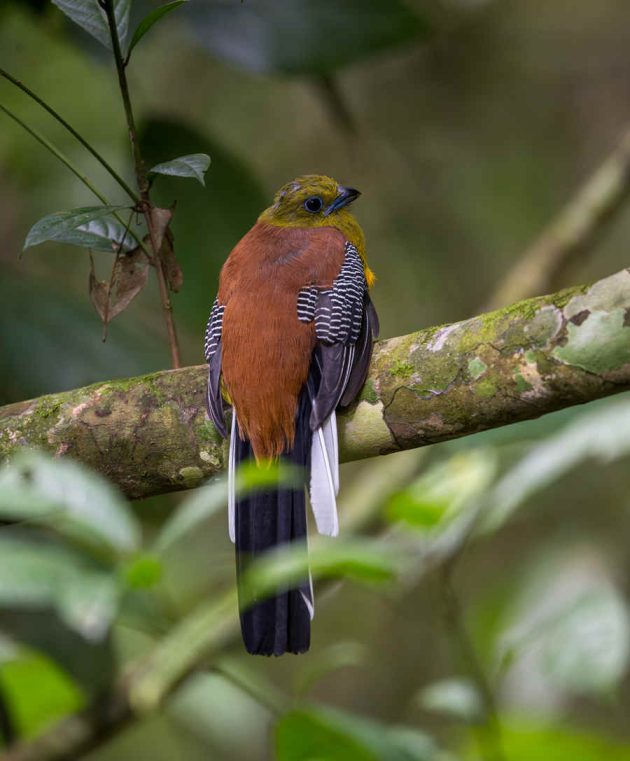
Particularly as he is not a photographer – as species like this typically sit somewhere in dim light, for photographers, their limited movements are a blessing (only dead birds would be easier to photograph).
White-fronted Scops Owls similarly do not move around much during the day. My guide from the Baan Maka Lodge found an adult with two juveniles just a few meters from the main road through the national park.
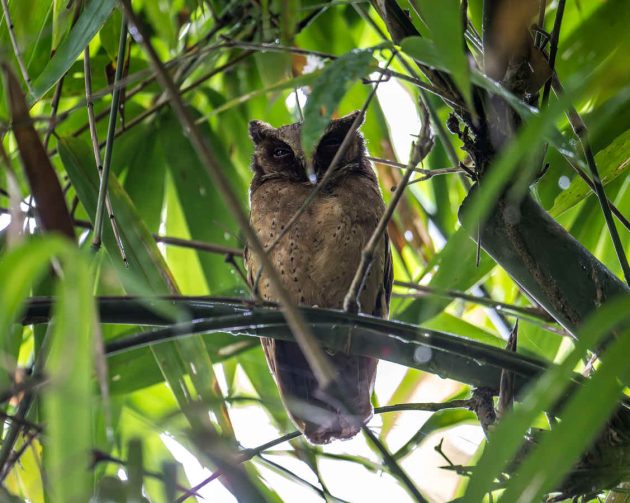
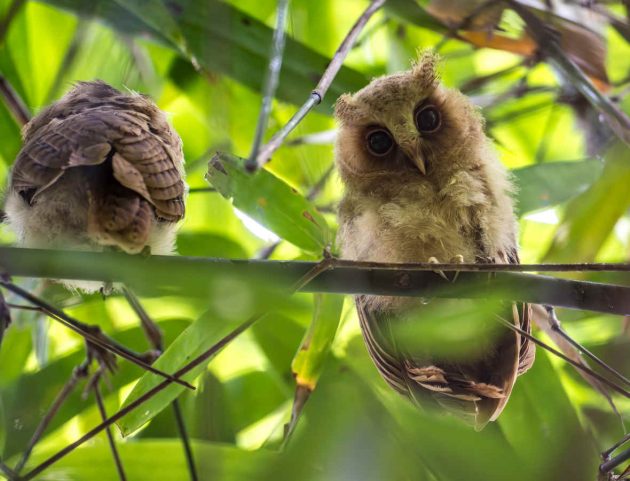
The owl is listed as vulnerable, with an estimated global population of 2500-10000 individuals.
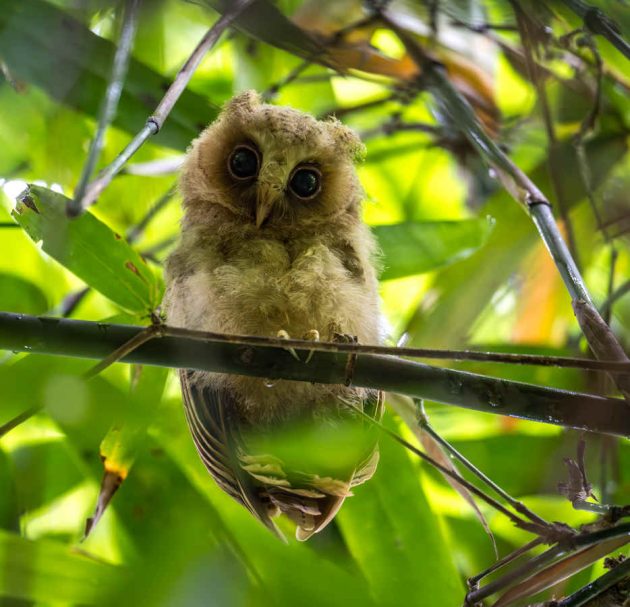
Mysteriously, the species profile in the HBW – although rather short – has 10 authors …
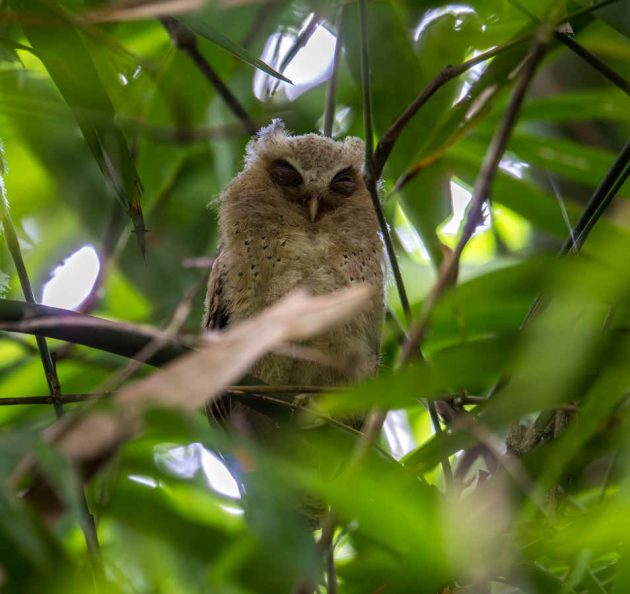
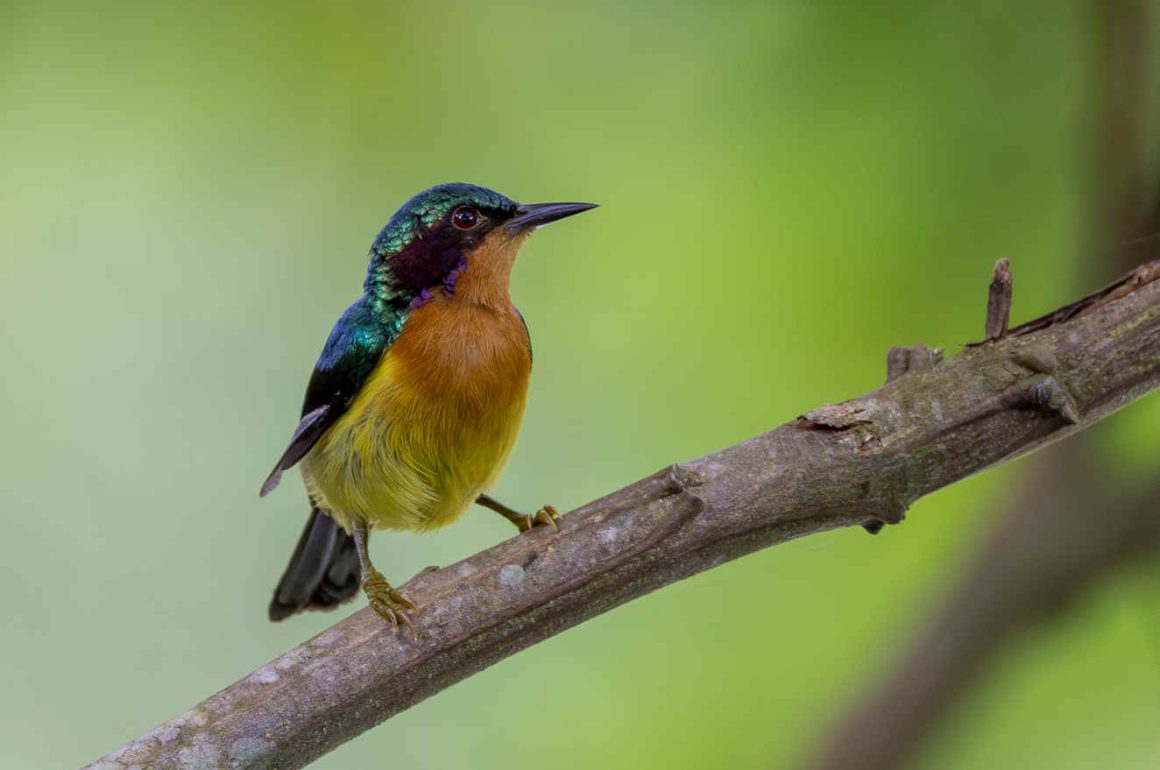
… while the longer entry on the Ruby-cheeked Sunbird only has two. A case for DOGE?
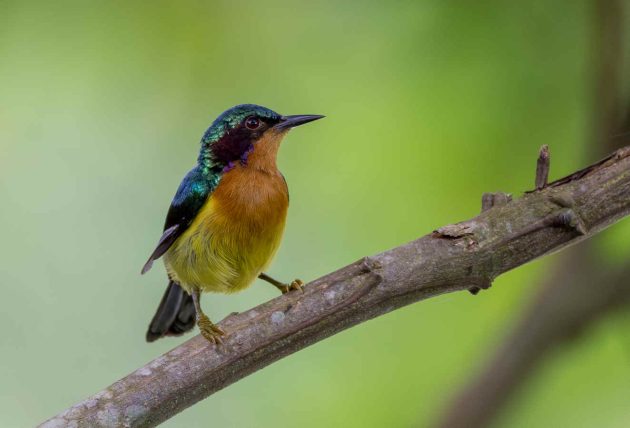
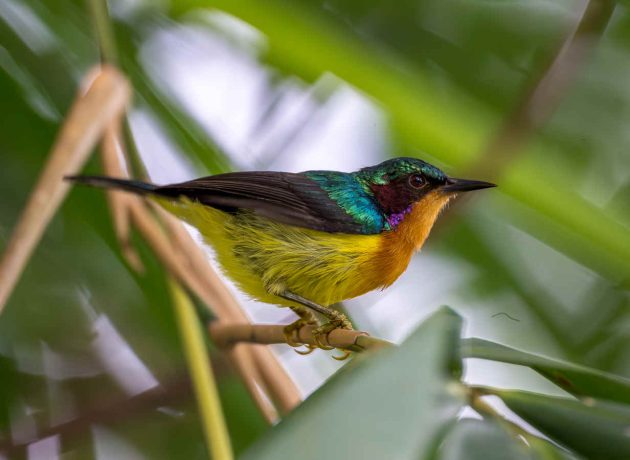
This is a sunbird species in which even the female looks nice.
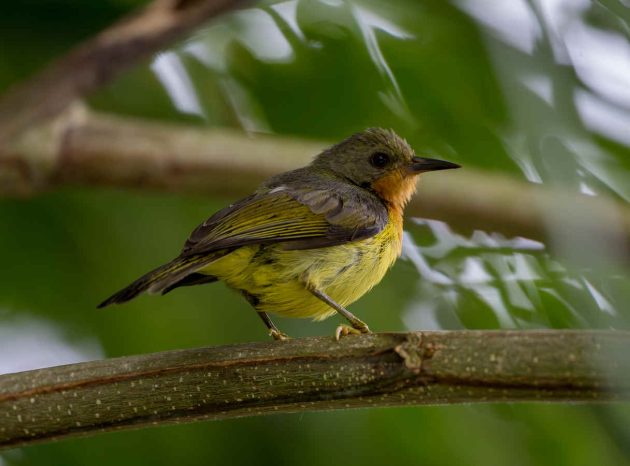
This sunbird is a species mentioned in a paper on bird trapping in Sumatra, with disheartening sentences such as “Only seven passerine species were observed during two field surveys, but 18 species were recorded as caged birds in village houses”.
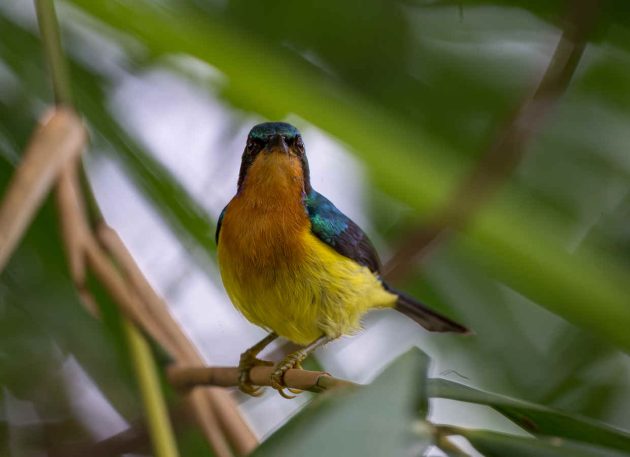
The juvenile male Crimson Sunbird looks a bit like a female Ruby-cheeked but has a very different beak, indicating its larger extent of feeding on nectar.
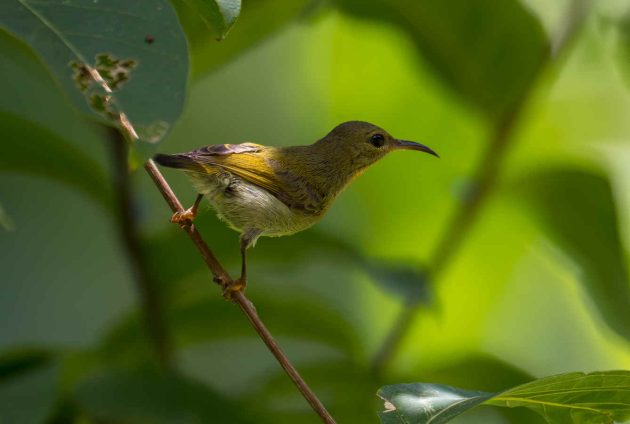
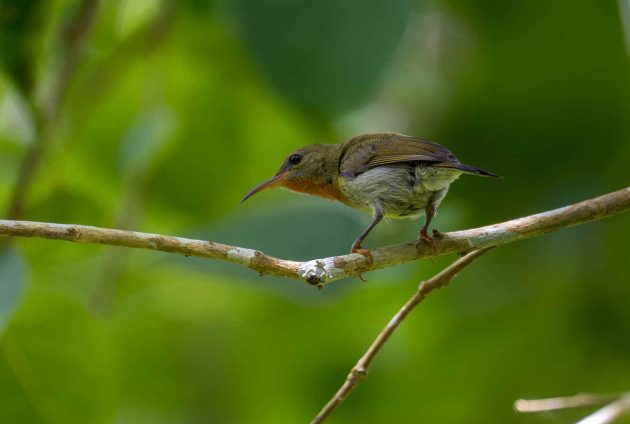
Two more common birds at Kaeng Krachan:
Common Hill Myna, with the (as John Peel would have said) rather wonderful scientific name Gracula religiosa …
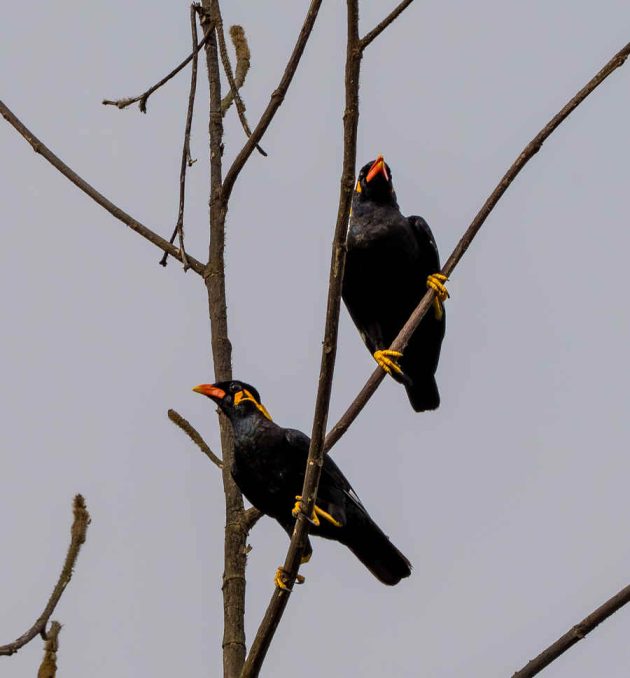
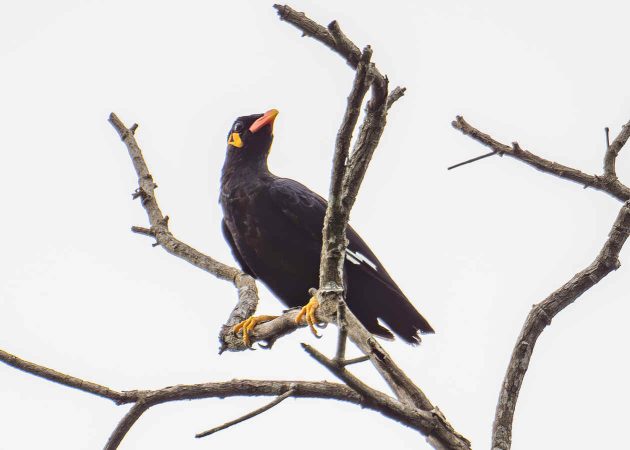
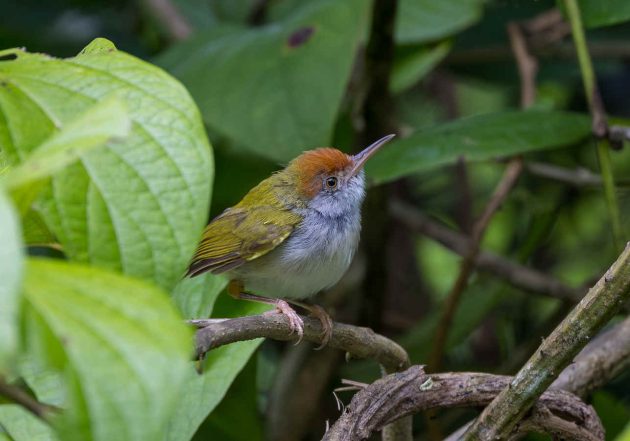
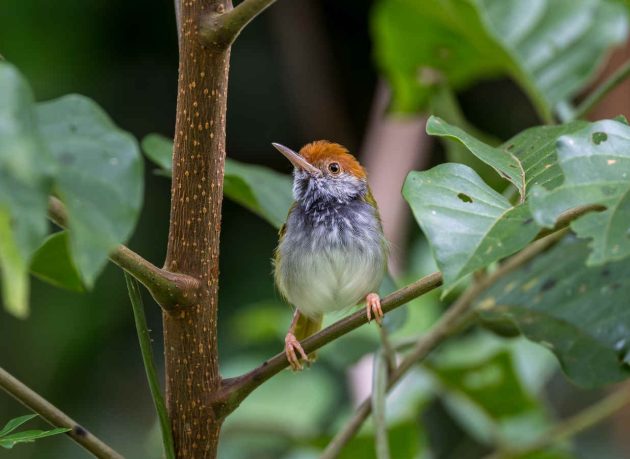
… and Dark-necked Tailorbird, a bird that can be heard almost everywhere at KK but is not that easy to see and even more difficult to photograph.
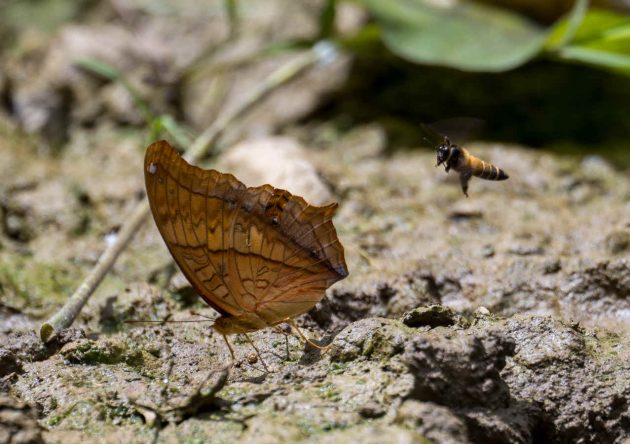
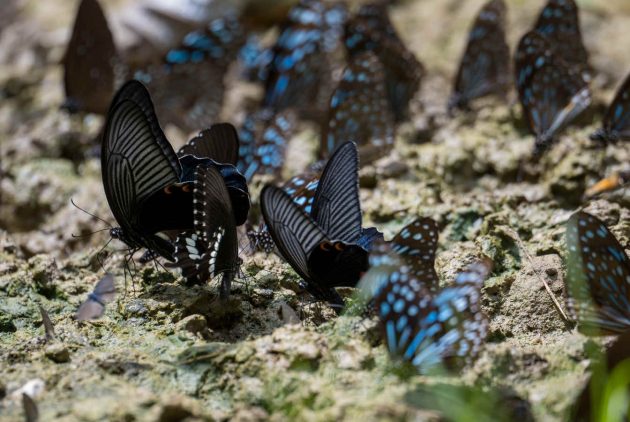
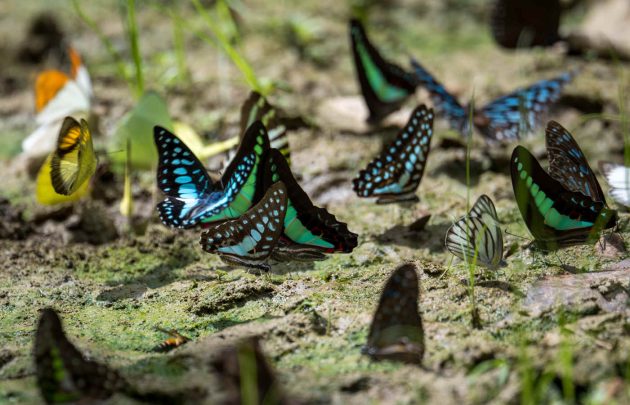
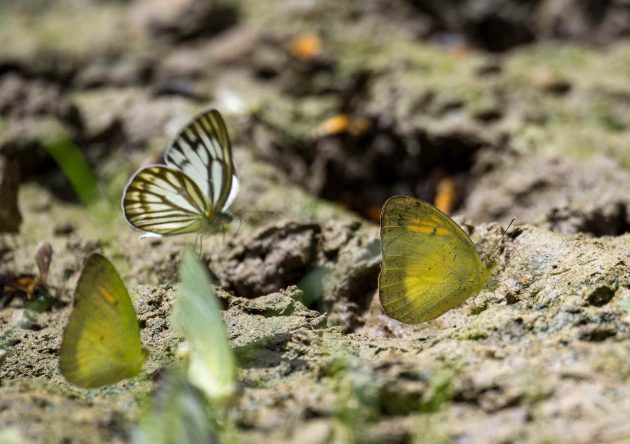
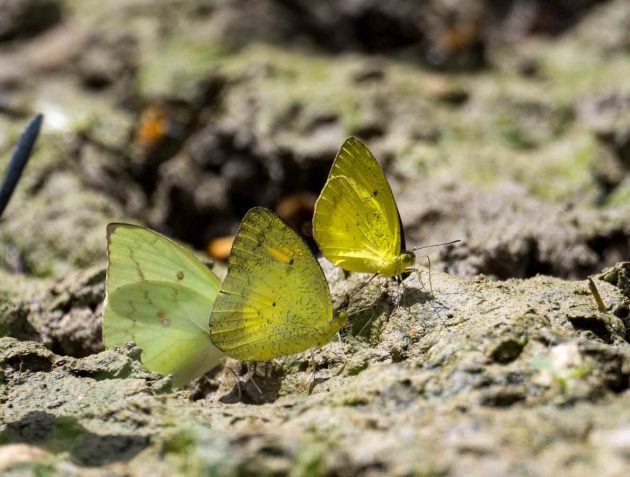
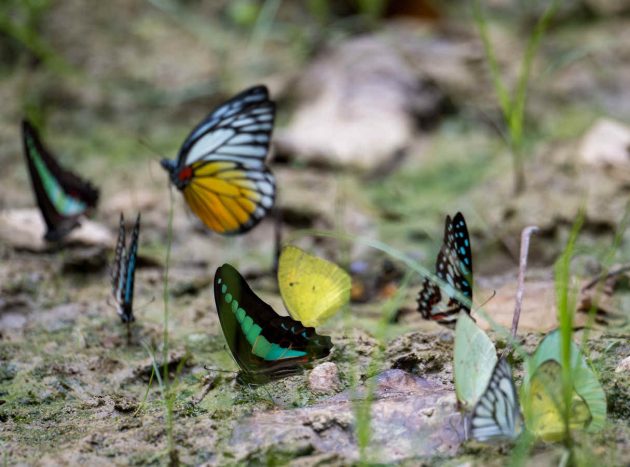
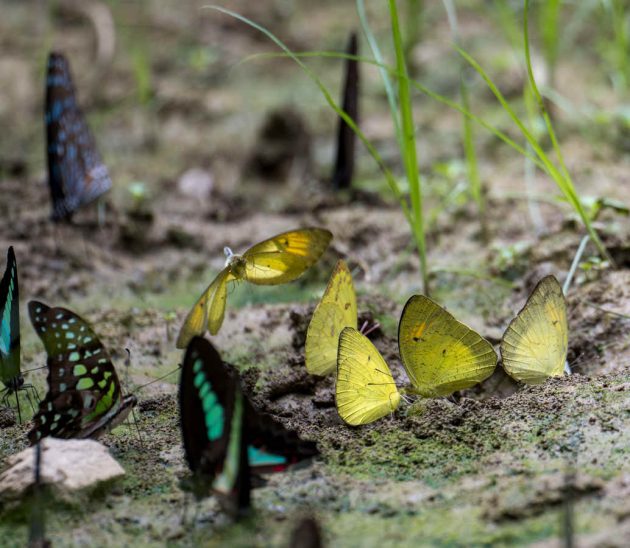
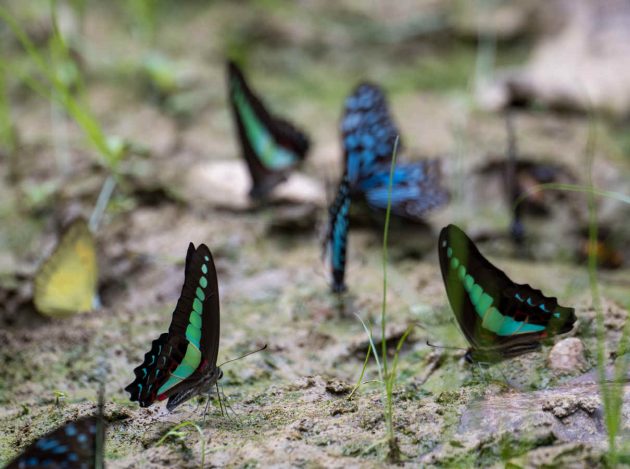
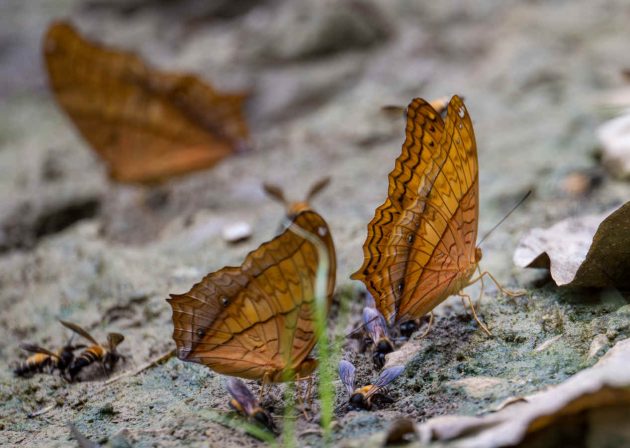
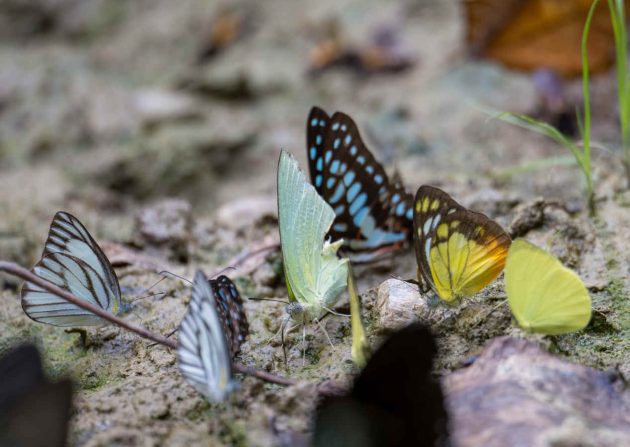
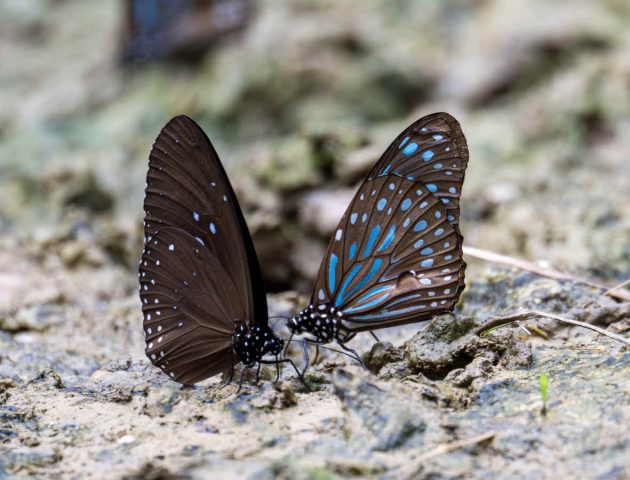
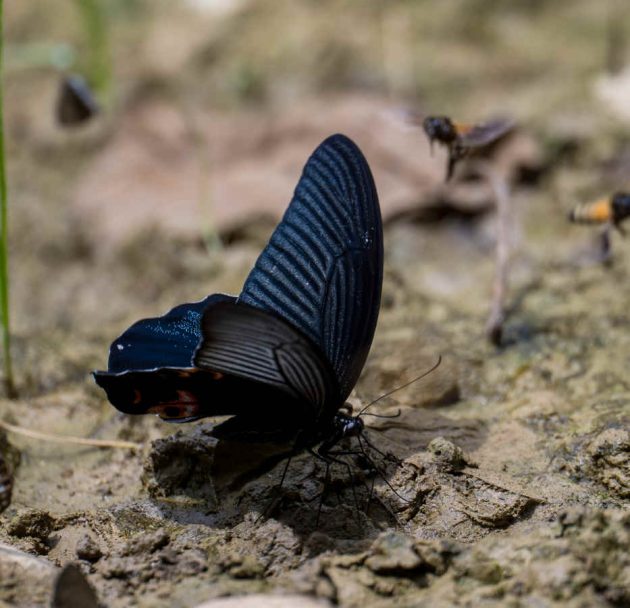
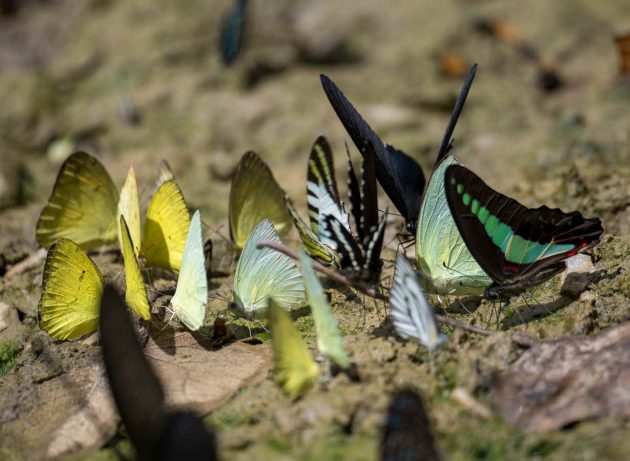
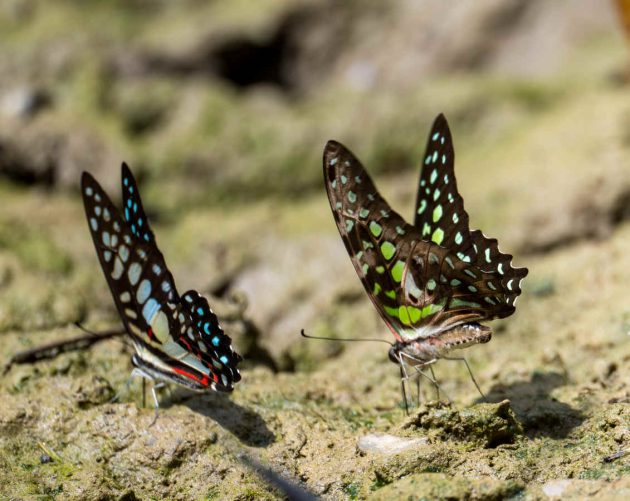
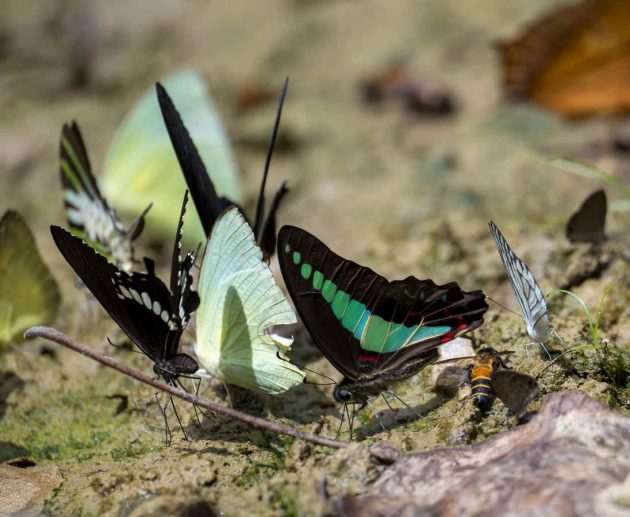
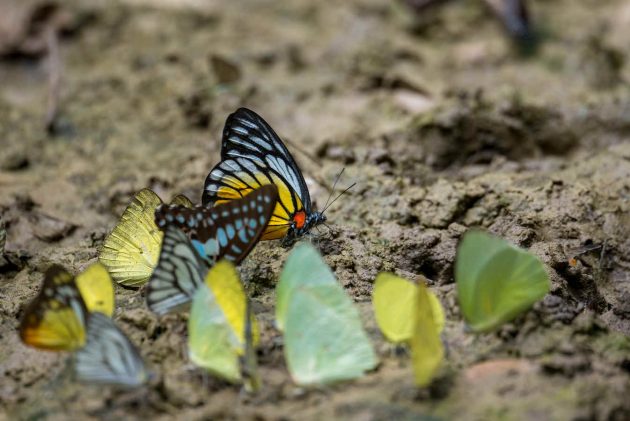
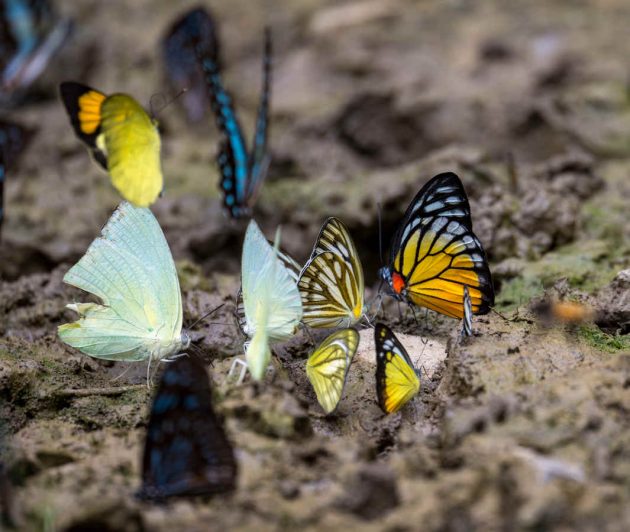
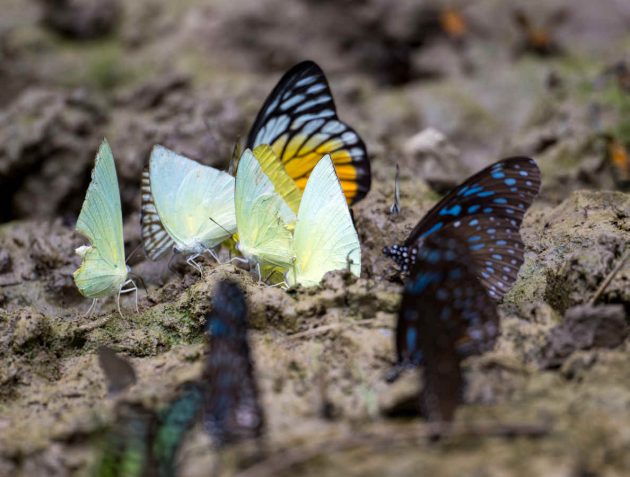
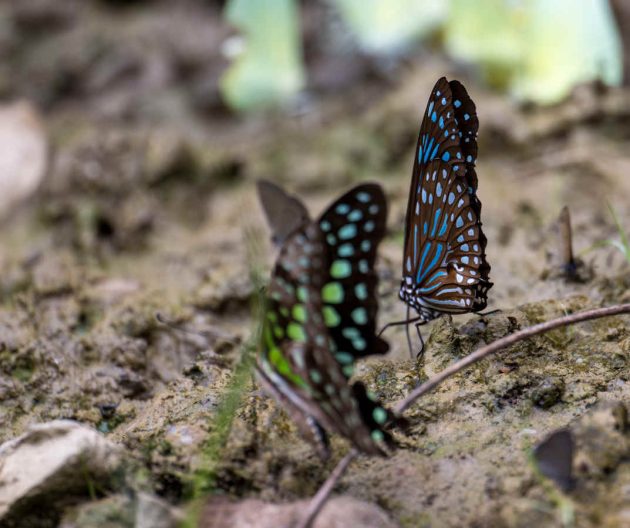
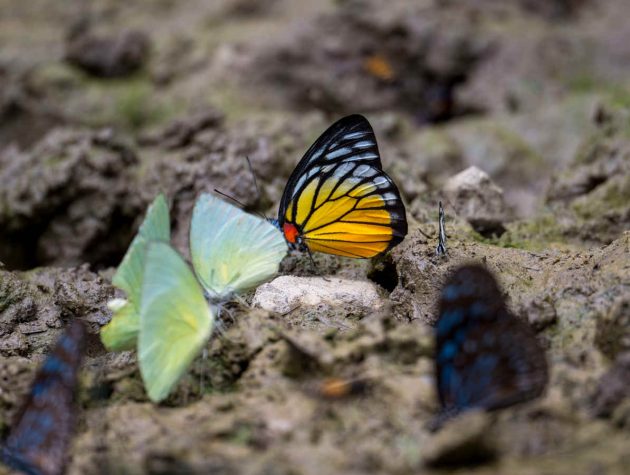
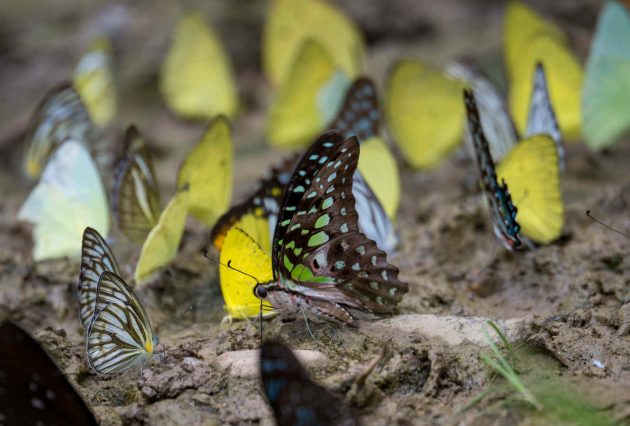
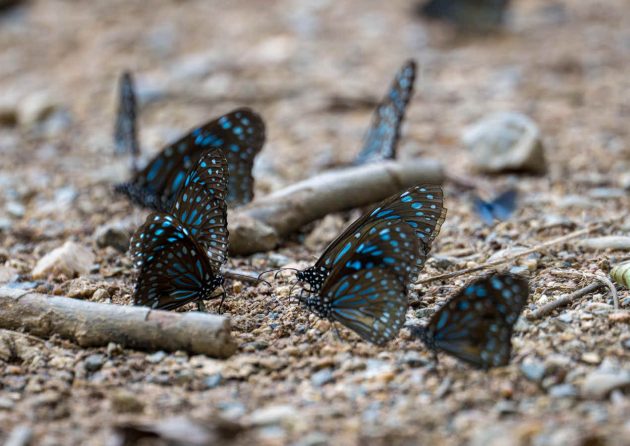
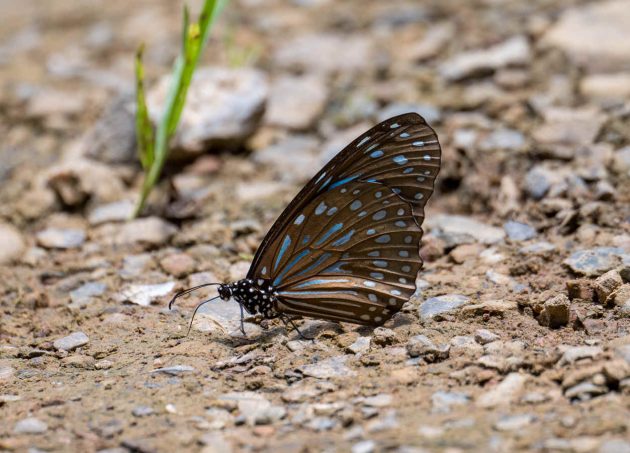
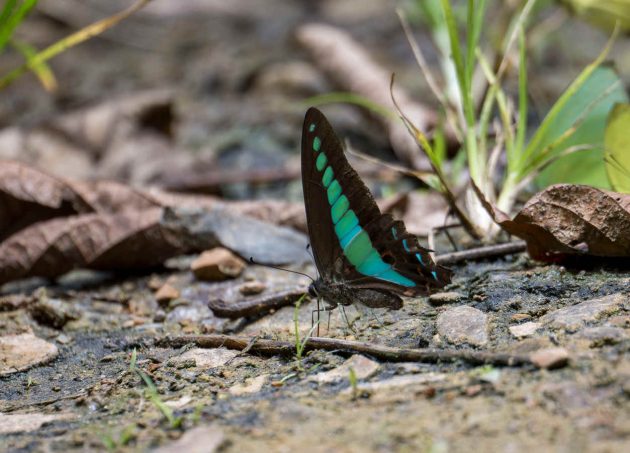
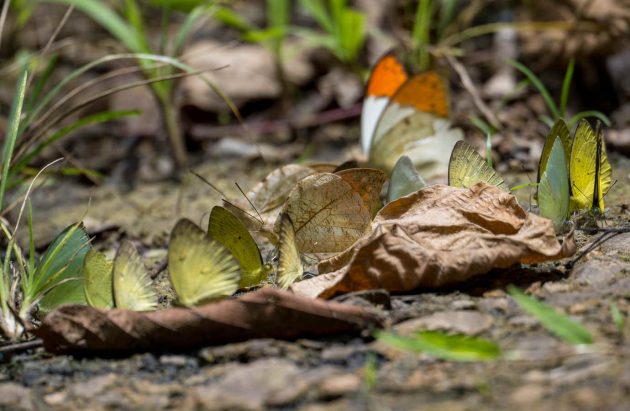
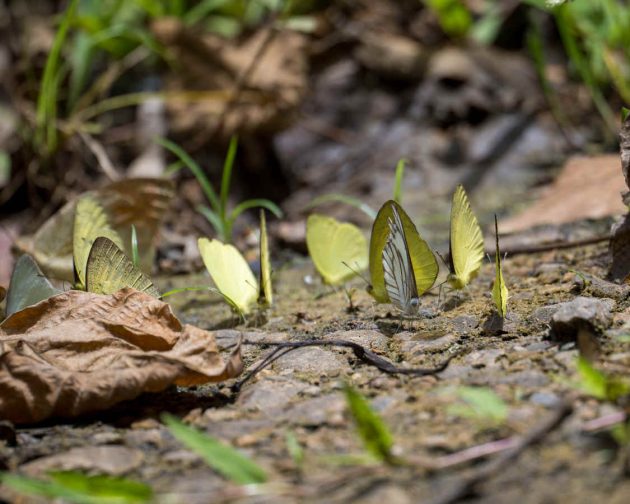
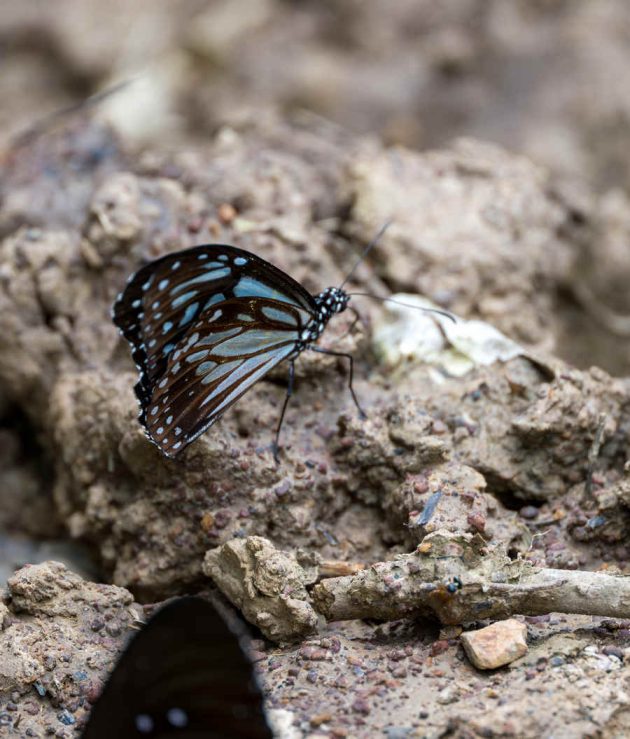
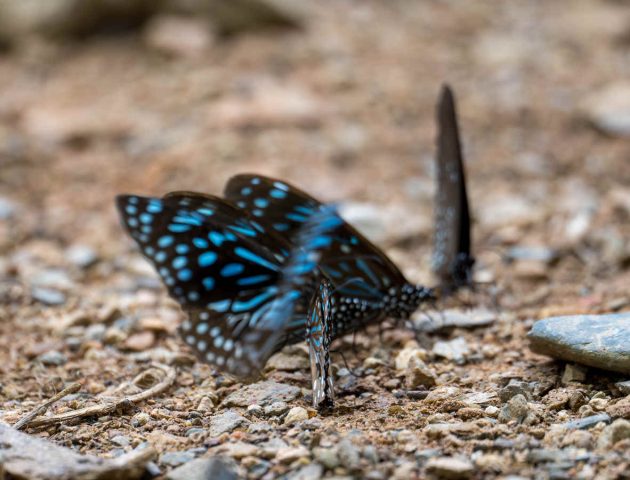
In the “Other” section of my posts, I usually show ugly mammals, just to have a contrast to the beautiful birds. Not today. Kaeng Krachan has several hundred butterfly species, and they gather on or near the road to lick up salts. Needless to say, I do not know the name of a single species.





Trogon apparently is Greek for yawn.
Thanks for sharing your photographs. Loved all those woodpeckers. The butterflies’ jewel tones were stunning.
The small, lemon-colored ones are named “Common Grass Yellow,” probably, which I had to look up after I photographed them in another part of the tropics several years ago. Unless they are some closely-related species. 😉