

10,000 Birds has been writing about bird species for so long that some of these species have probably evolved new subspecies by now. But even after more than 10,000 posts, we think there is still so much left to say.
If you care about birds — watching them, photographing them, puzzling over their calls, or just thinking about what strange, improbable creatures they are — we would like to hear from you.
As always, we are looking for contributors who can write with genuine curiosity. You do not need to be a professional writer or scientist; you just need to be interested in birds and able to put that interest into words.
There’s no pay (the birds do not pay us either), but your work will reach a large, lively audience of fellow birders around the world.
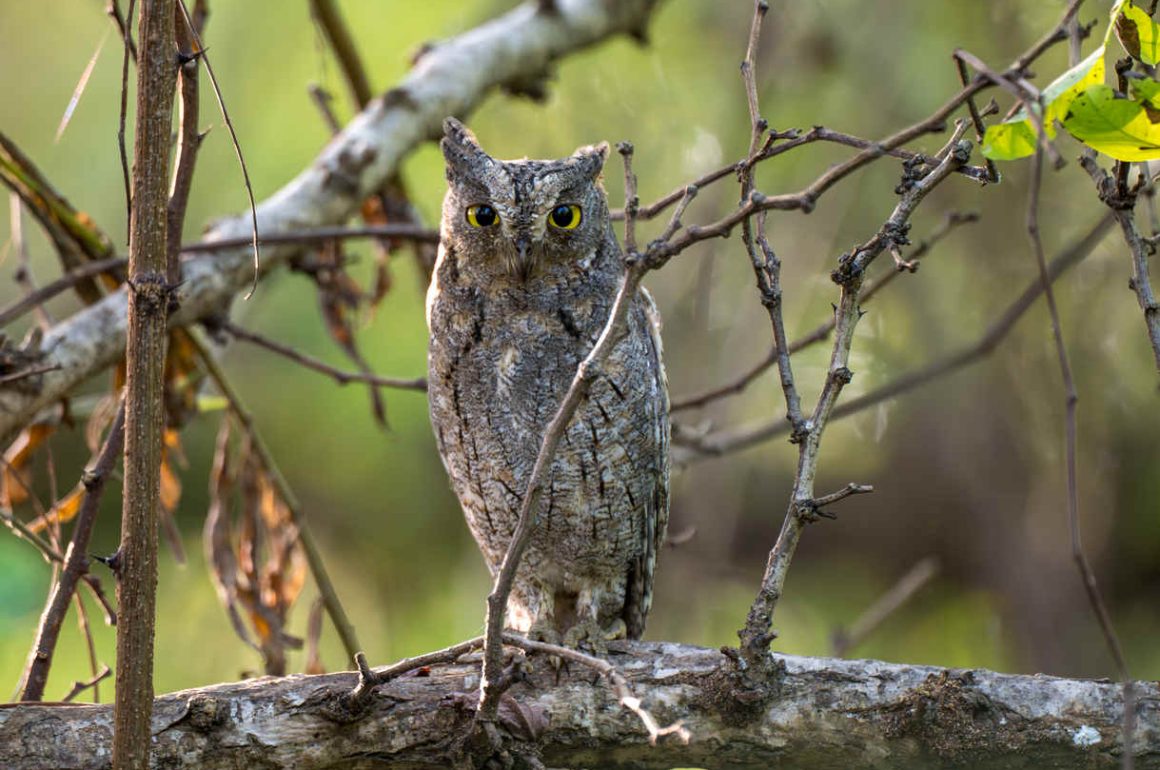
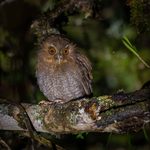
Photo (without any particular link to the post, I am afraid, but still nice, and I got tired of AI-generated illustrations): Oriental Scops Owl, Nanhui, Shanghai, October 2025







Are you interested in poems about birds?
Yes. Feel free to contact me at kai.pflug@gmail.com
How about experimental fiction?
Hi Thomas,
We could give this a try now that we have a category Poetry/Fiction … but I guess there needs to be some birding aspect to it. Want to send me something?
Kai
Do you take trip reports?
Hello Iordan,
That is an interesting question.
Frankly, I am not very interested in publishing “traditional” trip reports – I mean those that are more or less just extended lists of birds and locations, along with a note on whether breakfast was good or bad.
However, any description of a trip with a stronger focus on observations, activities, emotions, bird behavior, etc. … fits well with the site. Anything that is not just an eBird list in disguise.
If you have a specific text in mind, feel free to send it to me for a specific comment.
I’ve been observing and photographing a pair of Bald Eagles for almost a year. Watching their habits, how often they fly, repairing the nest, sitting on the nest, seeing the Eaglet for the first time as a little white ball of fluff just over the edge of the nest. It’s now about 2 weeks after the one, (only) Eaglet has left the nest, and I have been shown the alertness and passion the adults display toward their offspring. They have 2 places they are usually perched to keep an eye on the surroundings. It’s quite obvious when a threat is somewhere near, as the head movements, the constant swivel of the head, and the need to be closer to the nest, and/or the Fledgling. It’s an exciting and precious gift to see and enjoy this Eagle family every day.
We have a pretty robust backyard of birds, swifts in chimney too, actually. OK if just backyard bird antics??
Sure, see my email to you!