

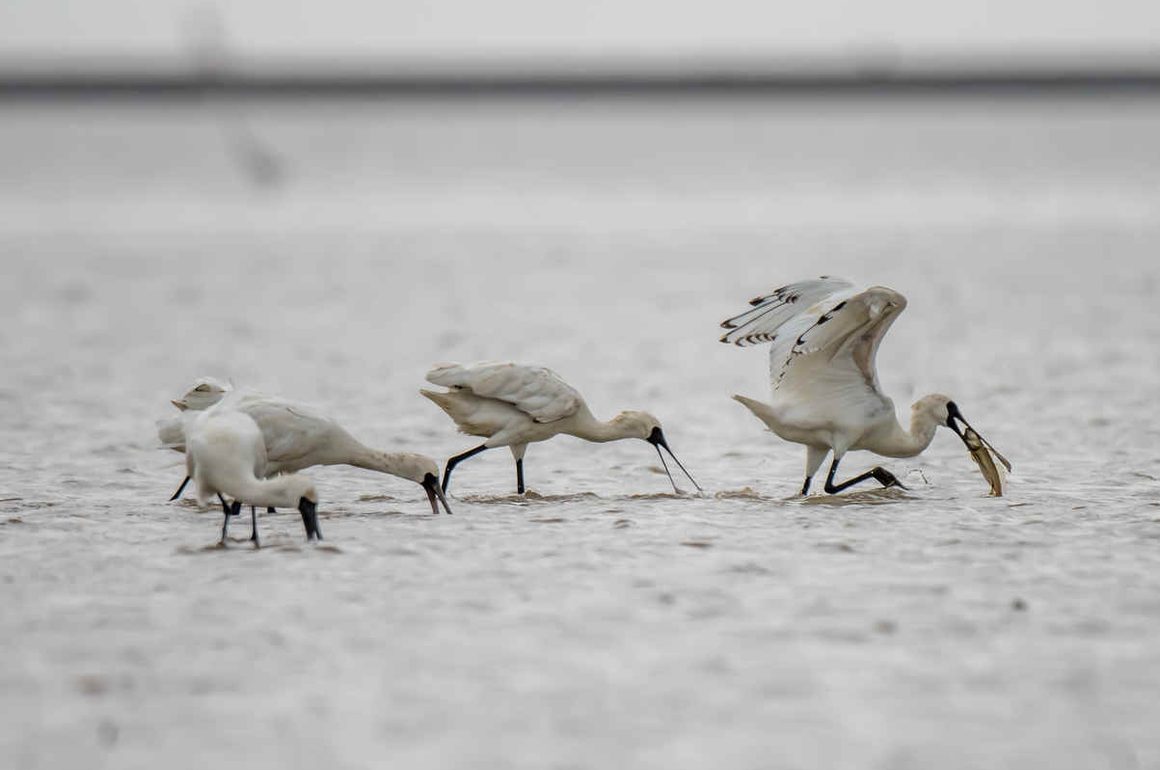
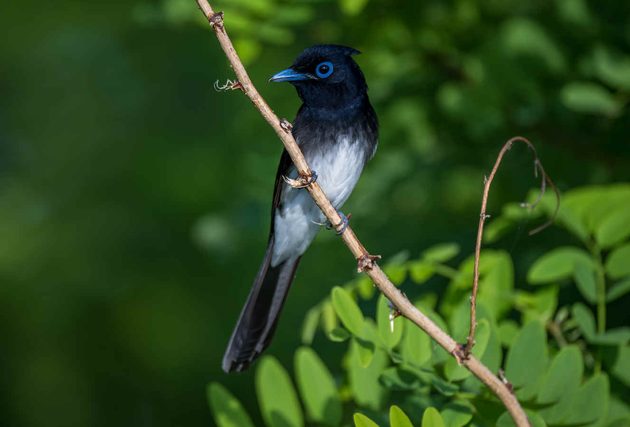
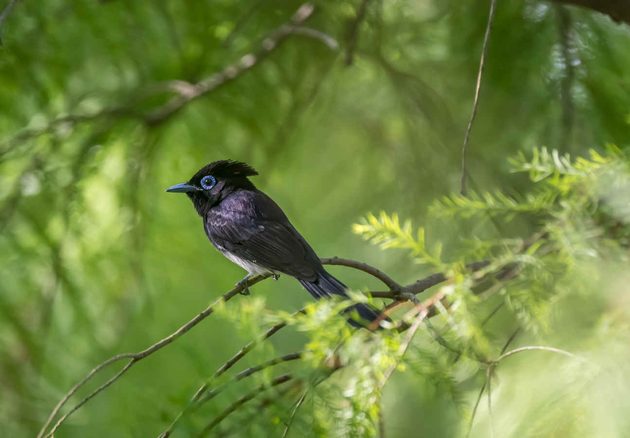
I completely missed the spring migration season in Shanghai in 2026. Then I read about the Black Paradise Flycatcher breeding in Jeju (see this profile), so I was glad to see the species again in early September. The male in particular is attractive even without the long tail feathers, which the birds have lost by now.
At this time of the year, it seems much easier to see juvenile birds than adults. So you get many light-blue juvenile male Siberian Blue Robins, rather than the dark-blue adult males …
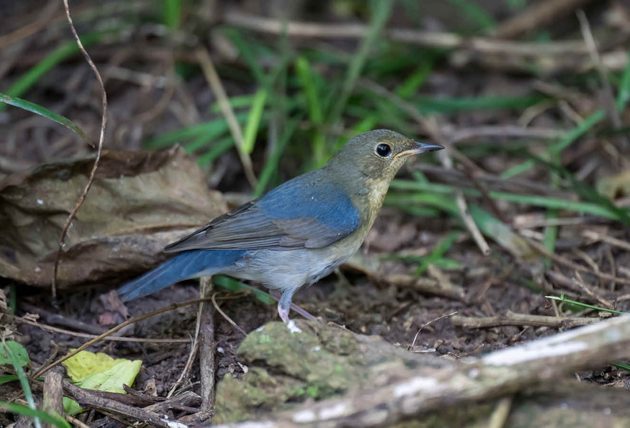
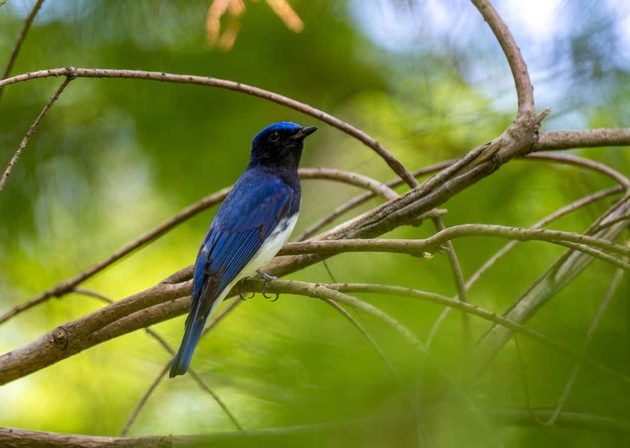
… and similarly, it is easier to see light-blue juvenile Blue-and-white Flycatchers rather than the dark-blue adult males …
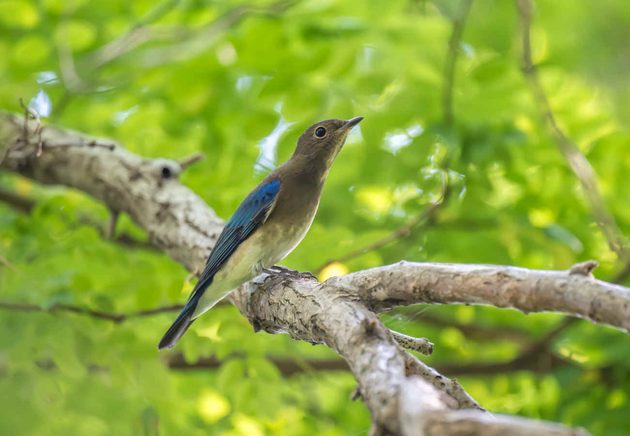
… though I saw that one as well.
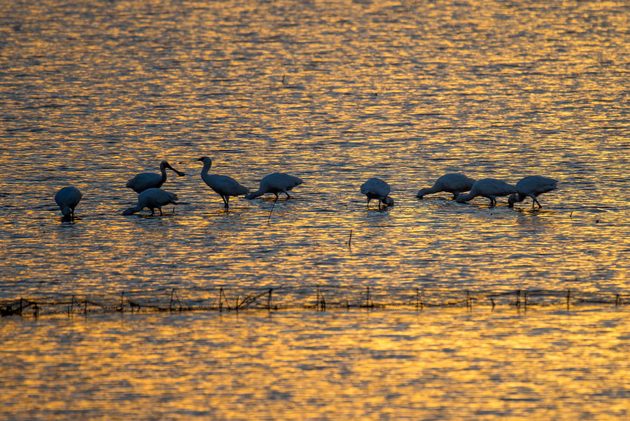
The coastline outside of the Nanhui microforests has been freed of cordgrass, but rumor has it that this area will be used for land reclamation soon. So this may be the last chance to see the Black-faced Spoonbill here.
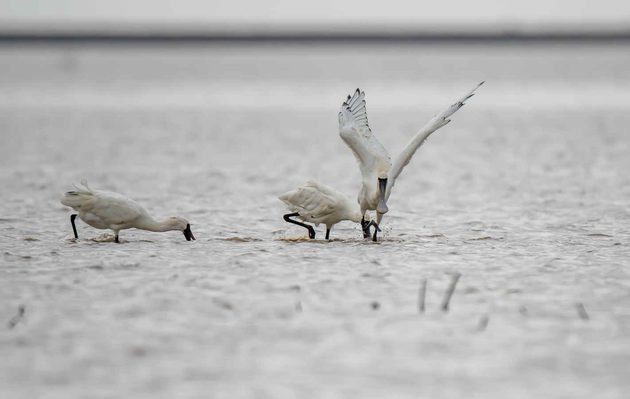
It is listed as Vulnerable – on the positive side, with about 7,000 individuals, this is a much better situation than the 1988 estimate of only 288 birds.
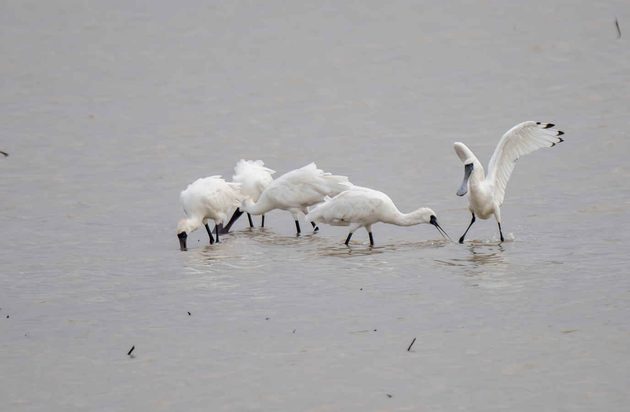
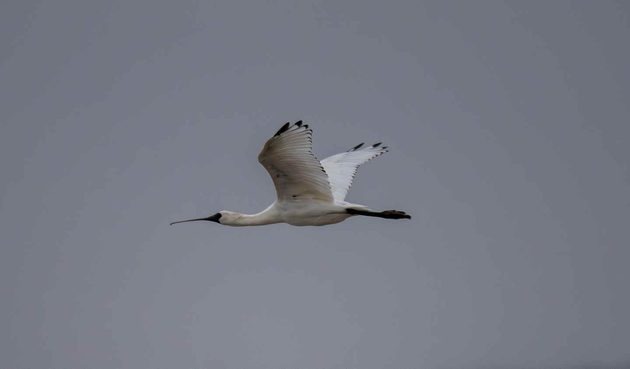
Note to photographers: if you disastrously overexpose some shots of Black-faced Spoonbills, you can just call them art.
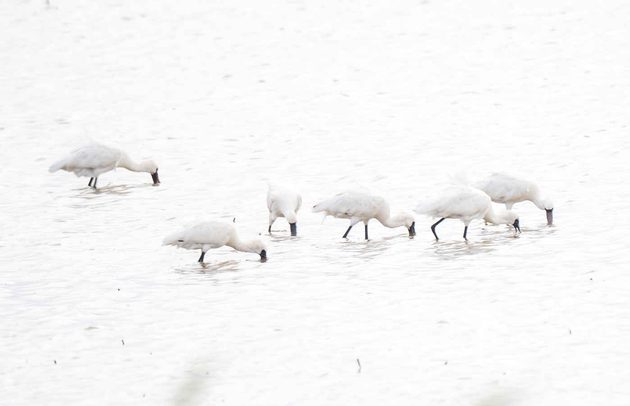
Or when arriving very early, sell the photo to Hallmark.
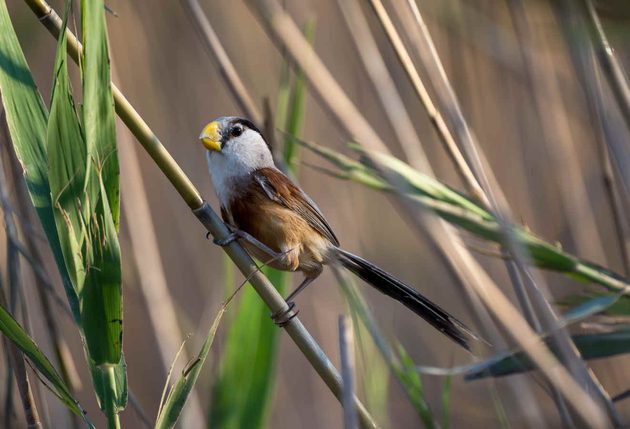
There is just a tiny strip of reed left at the moment – where will the Reed Parrotbills go once that has been destroyed as well?
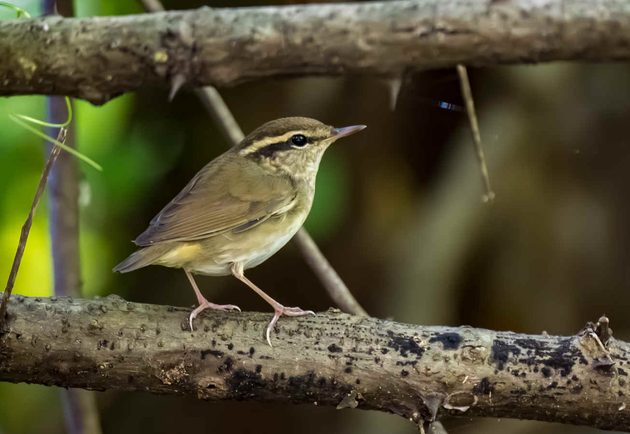
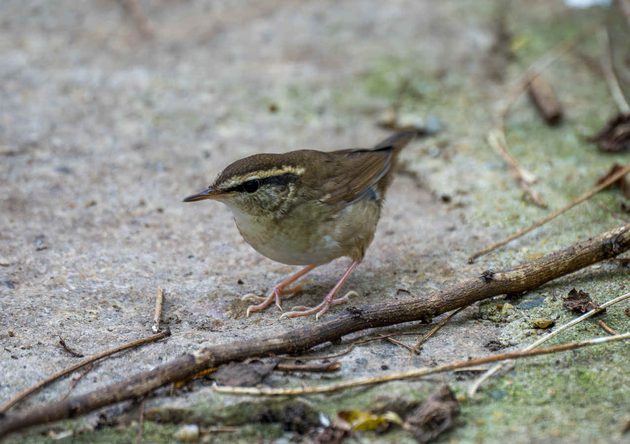
The Asian Stubtail looks almost like a leaf warbler but apparently is a bush-warbler, and instead of hectically flying among leaves, it hops around on the ground. The near absence of a tail gives it a cute look, too.
The Black-winged Cuckooshrike sometimes wonders about its name, as it is neither a cuckoo nor a shrike. It just looks a bit (but not much) like both, which was apparently reason enough to have this name imposed on the species.
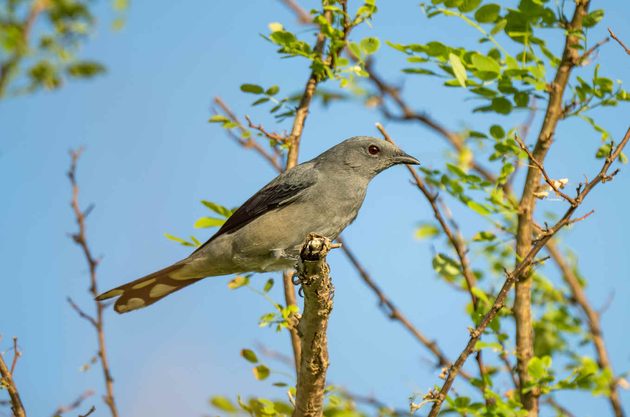
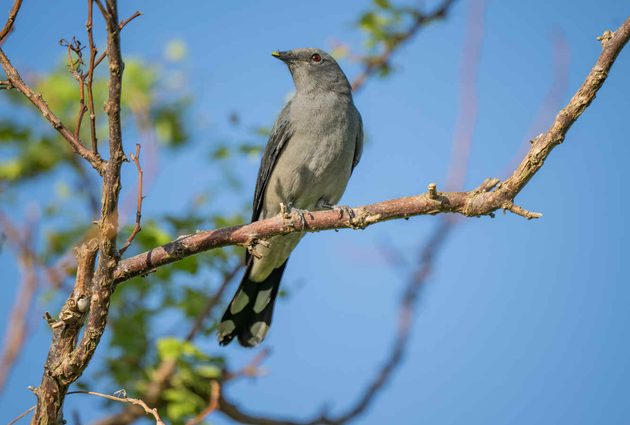
Consequently, whenever Brown Shrikes have a get-together at Nanhui, cuckooshrikes are not invited.
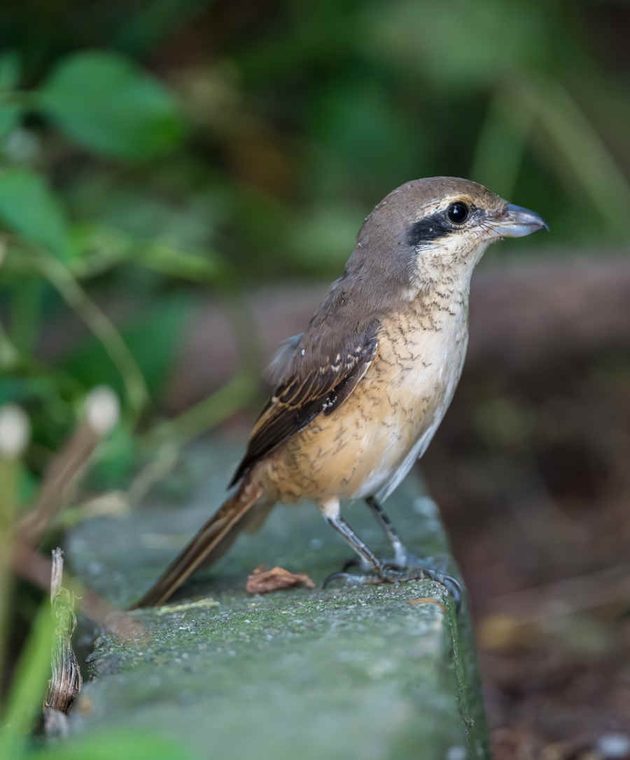
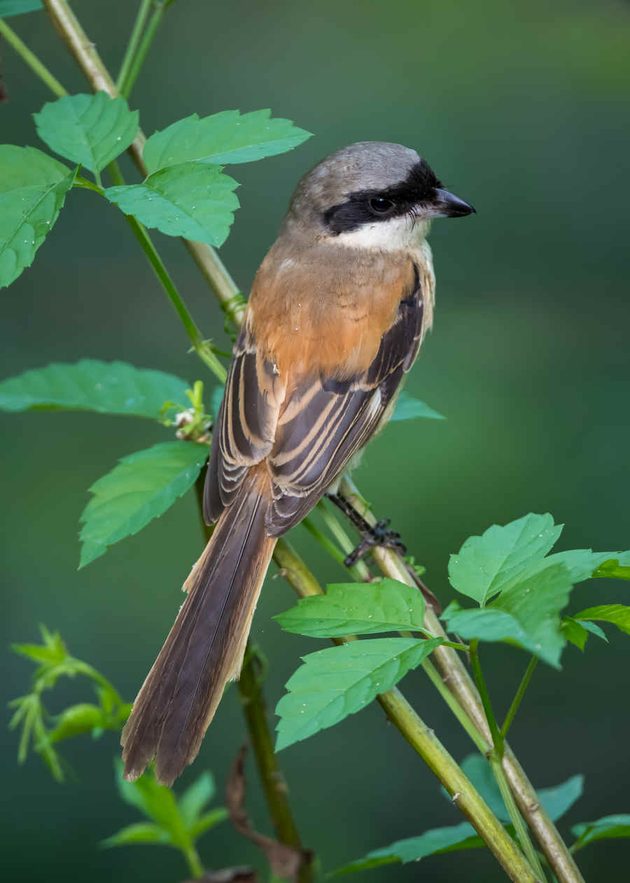
That said, they do not invite Long-tailed Shrikes either, despite being related.
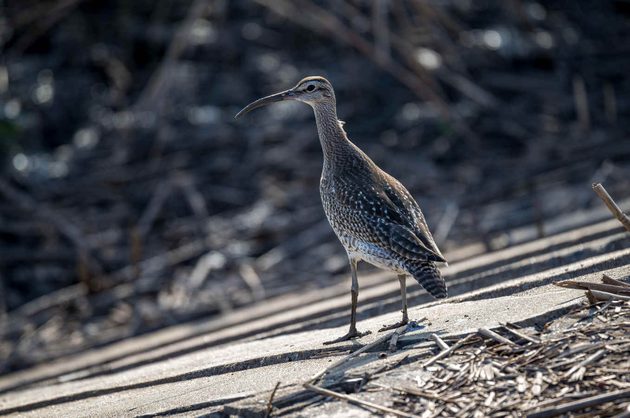
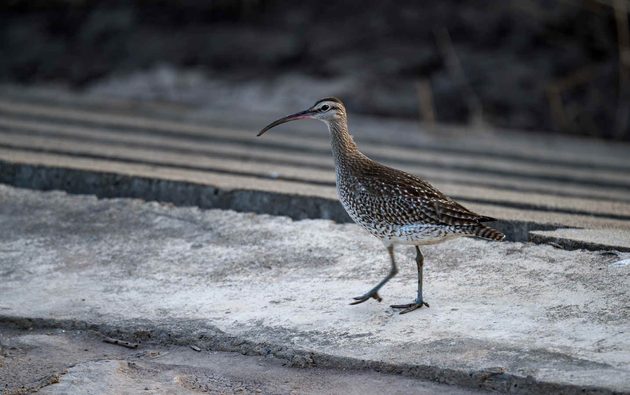
In marketing, there is something called the decoy effect. It basically means offering three differently priced versions of the same product, with the most expensive one not really created to get big additional sales but rather to make the middle option more attractive and reasonable. Seeing the sequence of Little Curlew, Eurasian Whimbrel and Eurasian Curlew, I think the whimbrel is a good example for the middle option when contrasted with the exaggerated shape of the Eurasian Curlew (and let’s not even speak of the Far Eastern version).
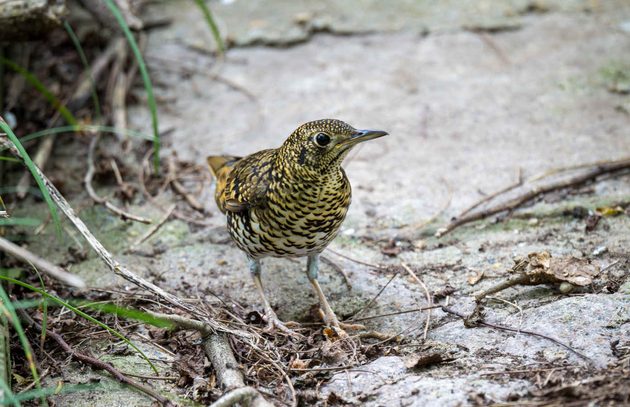
September also marks the return of thrushes. Some may even winter in Shanghai, such as White’s Thrush …
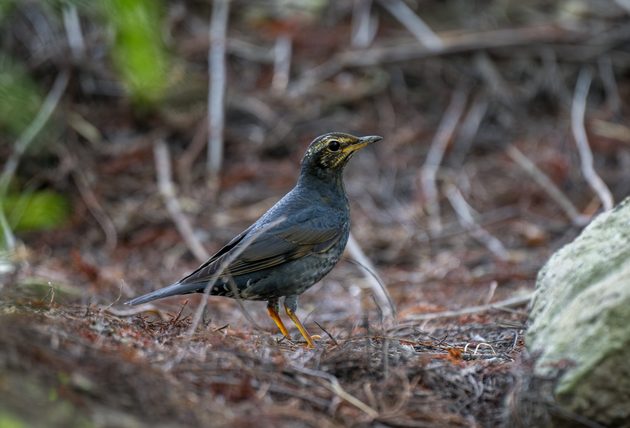
… while others, such as this (female) Siberian Thrush, still have quite a distance to go.
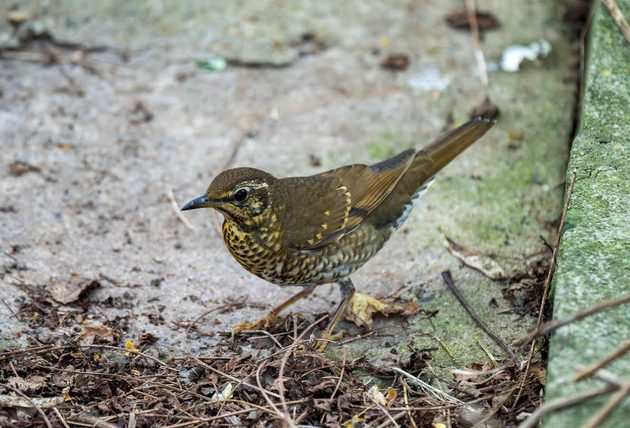
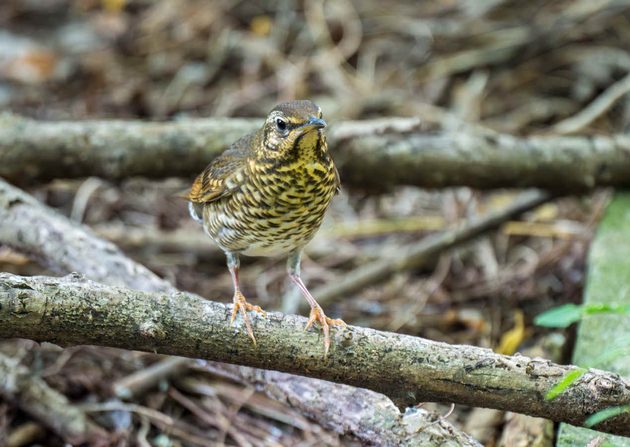
The male looks a bit less like the White’s Thrush.
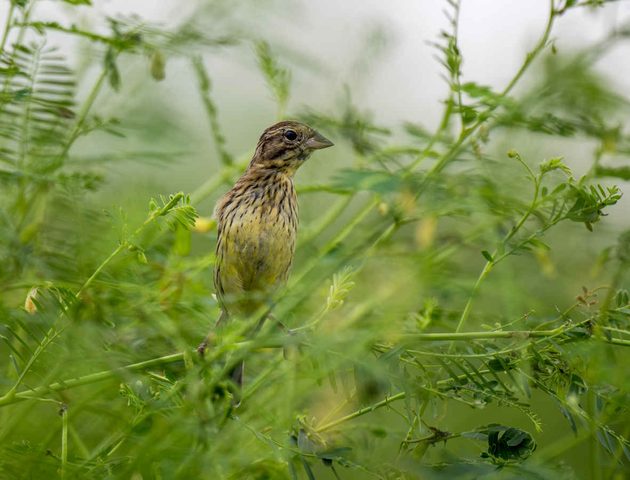
Hopefully these Yellow-breasted Buntings, which are listed as Critically Endangered, will make it through Guangdong without being eaten.
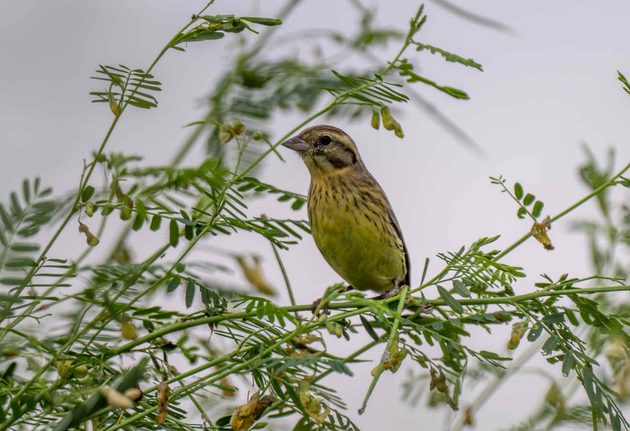
The HBW: “Flocks roosting in reedbeds are flushed and then caught in mist-nets, cooked and sold as food (described as “sparrows” or “rice-birds”); this practice, previously restricted to small area of S China, has become more widespread”.
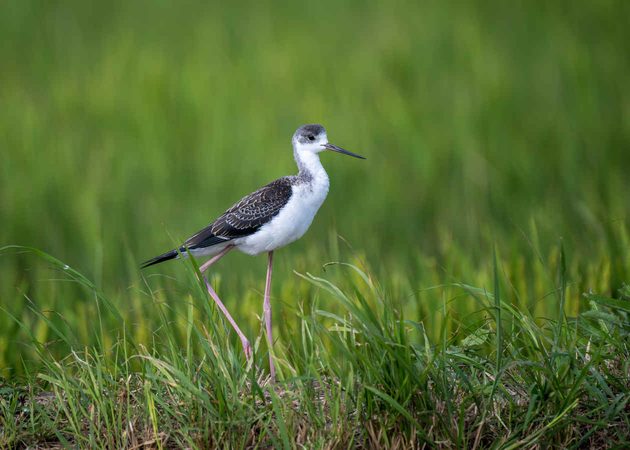
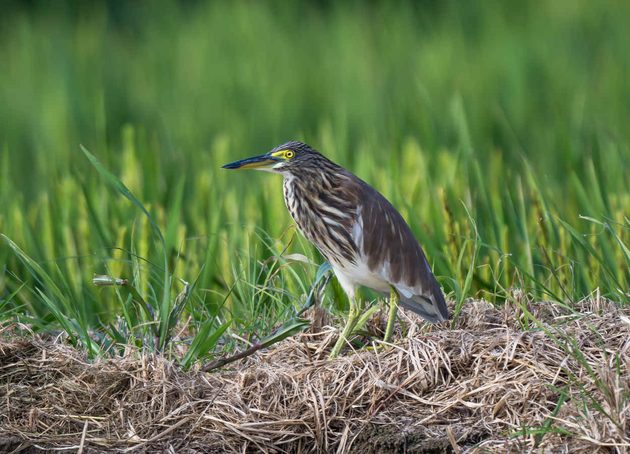
Coastal Nanhui used to have a big hinterland of fields and small rivers and canals, which are now replaced by housing, factories, and even military facilities. So, the habitat for birds like
Black-winged Stilt …
… Chinese Pond Heron …
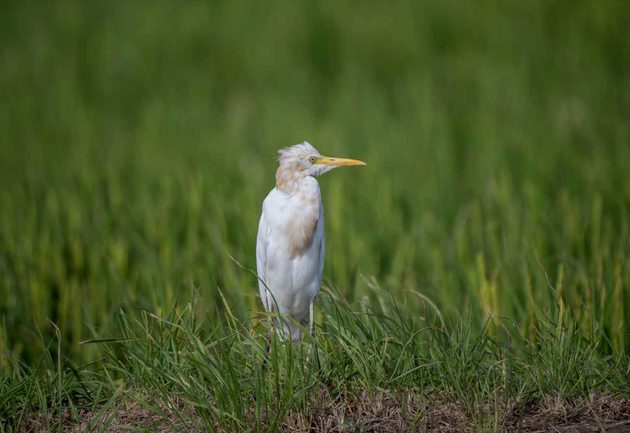
… and Cattle Egret is shrinking. On the plus side, more habitat for humans!






Leave a Comment