
Highlights
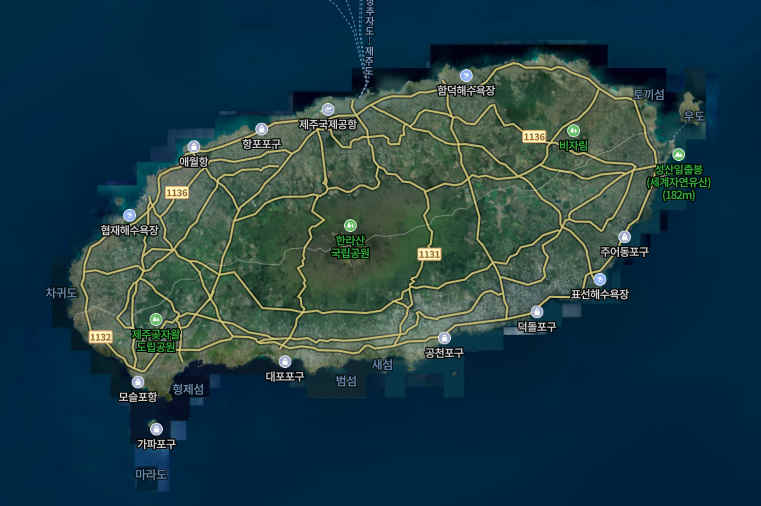
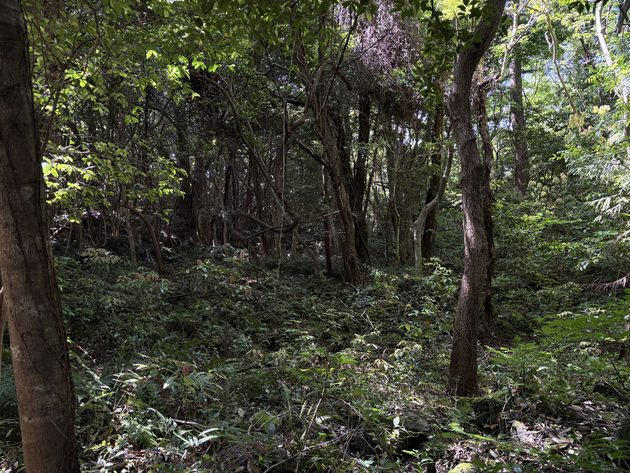
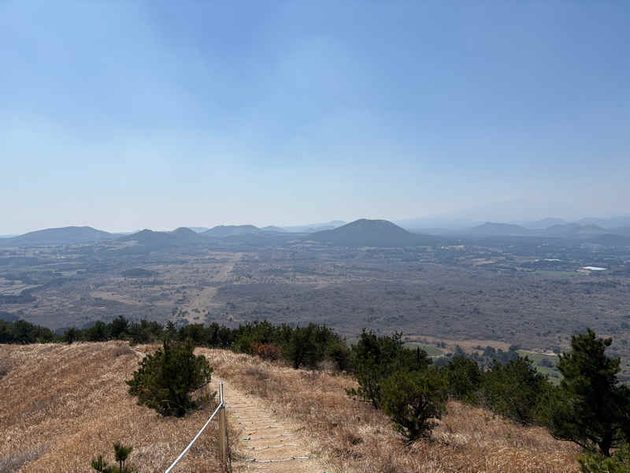
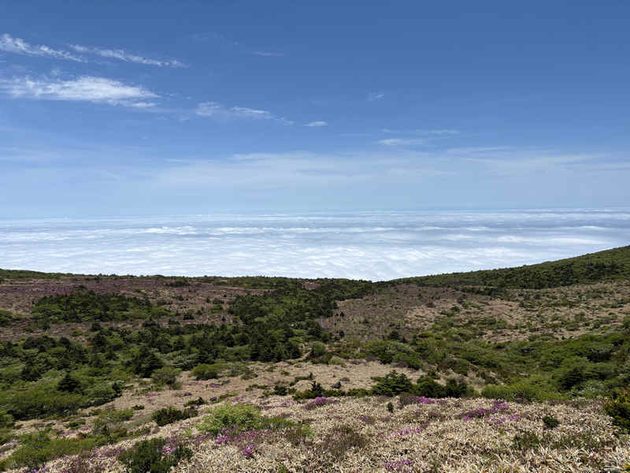
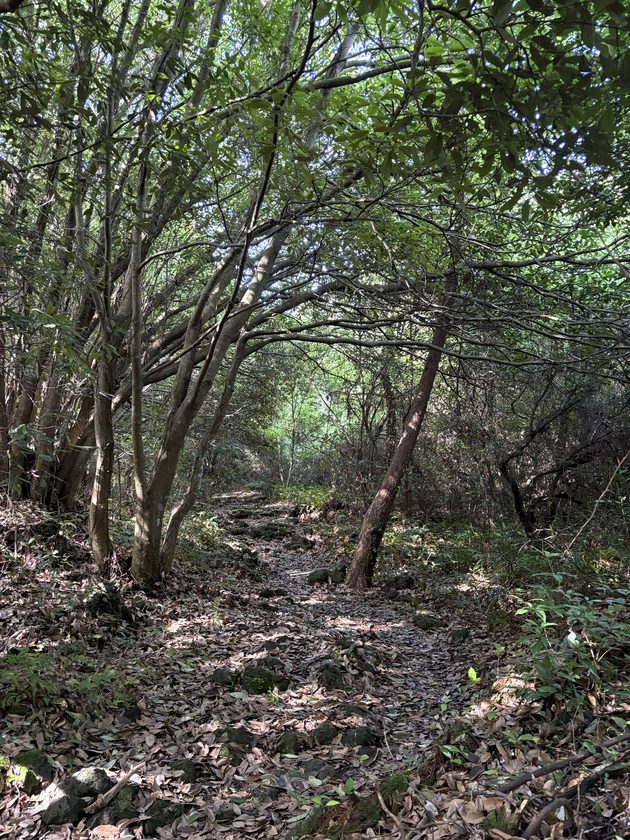
Jeju Island (Jeju-do) is the southernmost region of South Korea. Given its geographic location, it has a unique mixture of temperate and subtropical plants, which support a variety of bird species along the coast, forests, and mountainous areas. The island is a shield volcano, Hallasan, with a peak of 1950m at the centre of the island. The slopes of Hallasan are heavily forest and access is generally restricted outside of designated hiking trails. This part of the mountain supports a wide variety of birdlife, especially in summer when many species nest and raise young. Midway down is a mixture of forest (local word is gotjawal) and agricultural areas, which is excellent for buntings, corvids, and other songbirds. This midmountain area is also where the majority of Fairy Pitta and Black Paradise Flycatcher breed on the island in summer. The coastline is mainly black volcanic rock, with some beaches and a few tidal flats, which makes it excellent for gulls, egrets, herons, and shorebirds. The entire island is covered with smaller parasitic volcanic cones (360+), the local name being oreum, and they basically function as small mountains or hills. Most of these are forested, with some partly used for agriculture. For birders, Jeju is an excellent place for ducks, raptors, and gulls in winter, a wide diversity of migrants in spring and fall, and regional specialties such as Fairy Pitta, Black Paradise Flycatcher, and Styan’s Grasshopper Warbler in summer.
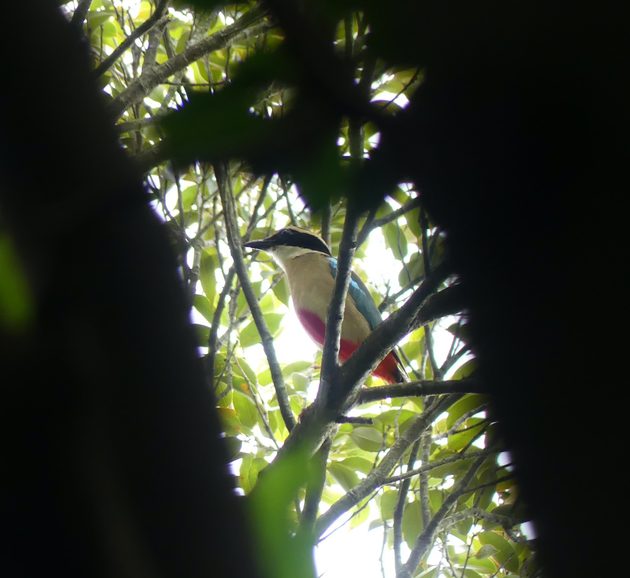
Fairy Pitta
Key Bird Species and Families
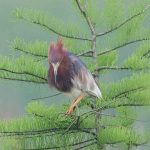
- Fairy Pitta: this species breeds on Jeju and can be found in many forests and oreums from the end of May through until early September. The species is extremely challenging to find once they stop singing by the end of June.
- Black Paradise Flycatcher: incredibly numerous in forests and oreums from late May through til September.
- Styan’s Grasshopper Warbler: this species breeds on Mara Island, where it is relatively easy to find from May through until July.
- Streaked Shearwater and Swinhoe’s Storm Petrel: Very common in offshore waters from May through until September, with Swinhoe’s being more regular in the seas north of Jeju.
- Black-faced Spoonbill: Jeju is the furthest north this species can be regularly found in winter, making the coastal areas they inhabit very important nationally.
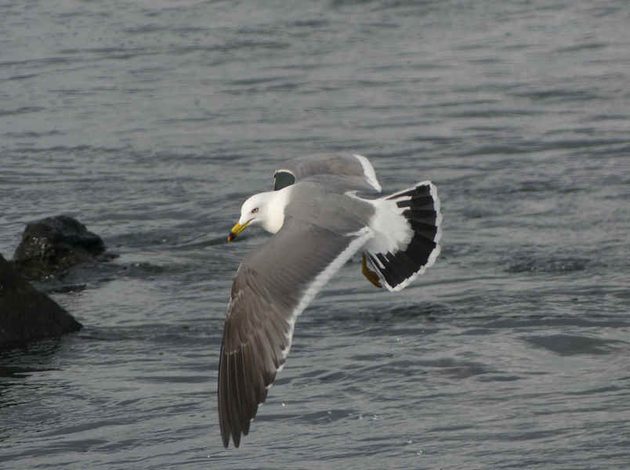
- Gulls: very numerous along the coast from October through until April. Tend to aggregate near fish farms and harbours. The most common species are Black-tailed, Vega, Taimyr (Lesser Black-backed ssp.), and Slaty-backed.
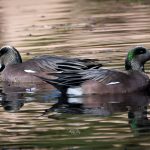
- Ducks: very numerous along the coast and wetlands from November until March, with smaller numbers in October and April. The most common species are Mallard, Eastern Spot-billed, Gadwall, Falcated, Green-winged Teal, Greater Scaup, Tufted, Common Pochard, Common Shelduck, as well as mergansers and grebes.
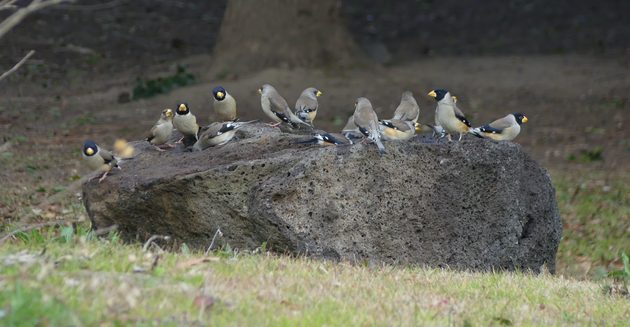
- Winter songbirds: Chinese Grosbeak and Eurasian Siskin can be found in good numbers in winter months. Japanese Waxwing in some years on the slopes of Hallasan.
Chinese Grosbeak
Best Regions for Birding
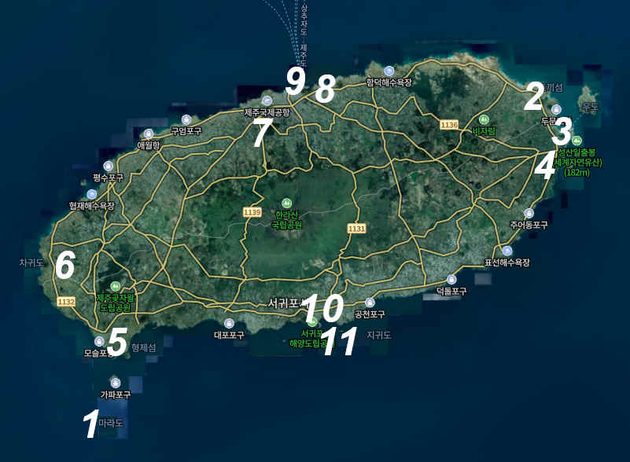
1. Mara Island: One of the best spots to find spring migrants in all of Korea from April to May. Located on the far southwest of the island, it is accessible by two ferry terminals: Unjin Harbour in Moseulpo, and Songaksan Harbour near Sagye Beach. Also an excellent place to find Styan’s Grasshopper Warbler in summer, and seabirds such as Japanese Murrelet and Streaked Shearwater in the right season.
East coast
2. Hado-ri Wetland: Large brackish lagoon on the east coast of the island. This site is excellent for wintering ducks, raptors, and songbirds in the wetland. Accessible by public bus 201.
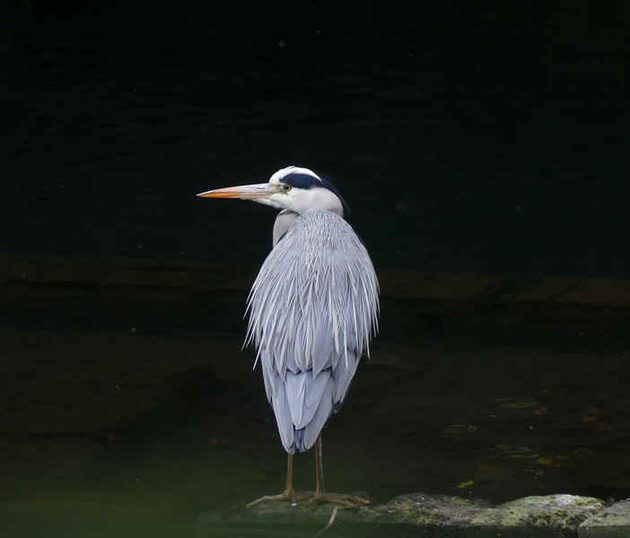
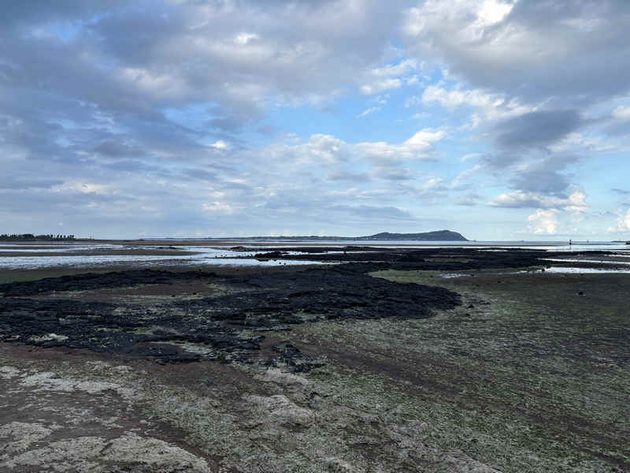
3. Jongdal Bay and Coast: The largest tidal flat in Jeju, this is the best location to find shorebirds, gulls, egrets, and herons throughout various seasons. Accessible by bus 201 but requires a long walk.
Black-tailed Gull
Grey Heron
4. Ojo-ri Wetland: A very large coastal lagoon that can be fantastic for wintering ducks, raptors, herons, egrets, and songbirds. Very easy access via various buses, and close to popular tourist sites such as Seongsan Ilchulbong (Sunrise Peak).
West Coast
5. Aldreu Airfield: The easiest place in the country to find Eurasian Skylark, Zitting Cisticola, and Ring-necked Pheasant. Can be amazing during spring migration with regular sightings of Little Whimbrel, Oriental Pratincole, and various snipes, pipits, and raptors. Accessible by bus but requires a walk from the bus terminal in Unjin Harbour.
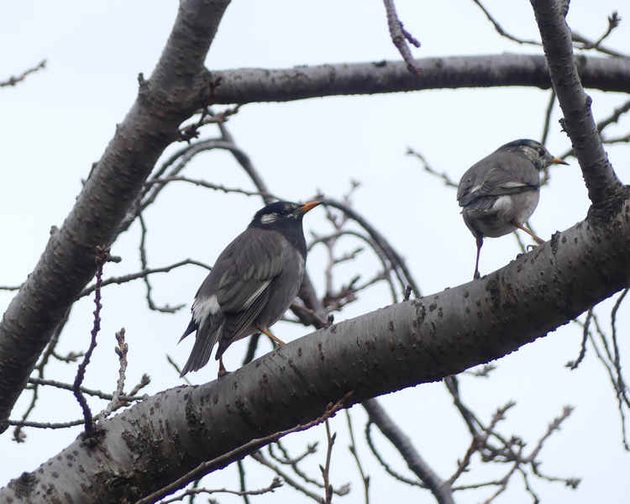
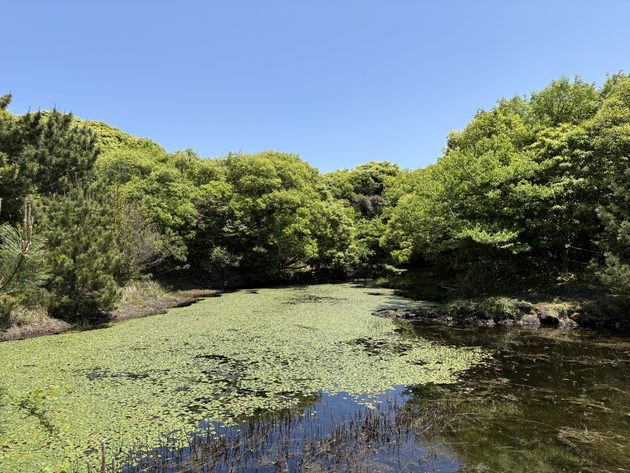
6. Yongsu Reservoir: An artificial reservoir on the west side of the island, very productive throughout most of the year. Good for ducks, raptors, terns, and songbirds, depending on the season. Resident White-cheeked and Red-billed Starlings in the area. Easy access via bus 202.
White-cheeked Starling
Jeju City Parks
7. Halla Arboretum: Free admission, curated botanical garden with a wide variety of resident birds. Can be good during spring and fall migration. A good place to look for owls at night in spring and summer. Can have many wintering songbirds in winter months.
8. Sarabong Park: A large park featuring two oreums, a seaside cliff on the north side, and a stream on the southeast side. This park can be exceptional for migrants, but it’s so large and varied that it can take some time to really figure it out.
9. Tapdong Plaza: Excellent for gulls in winter; there is a breakwater that can have hundreds resting if you’re there at the right time. Migration can have the occasional tern or jaeger. The pier with the lighthouse is a good place for seawatching, and you can easily see Streaked Shearwater if watching with a scope, and sometimes Swinhoe’s Storm Petrel if lucky.
Seogwipo City Parks
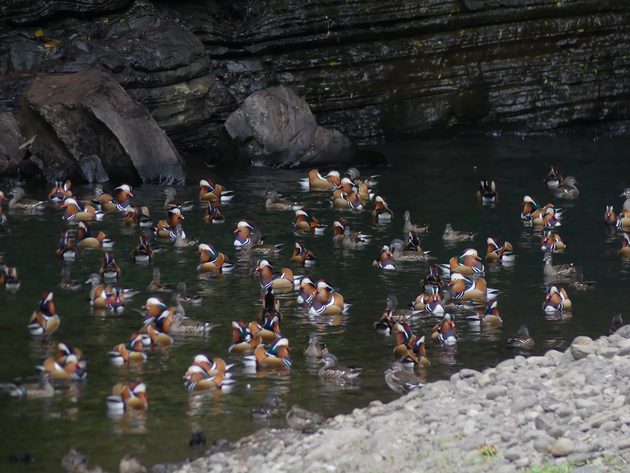
10. Cheonjiyeon Waterfall: Paid admission, short forested valley trail leading to a waterfall. Excellent for Mandarin Ducks in winter, and many migrants during spring and fall migration.
Mandarin Duck
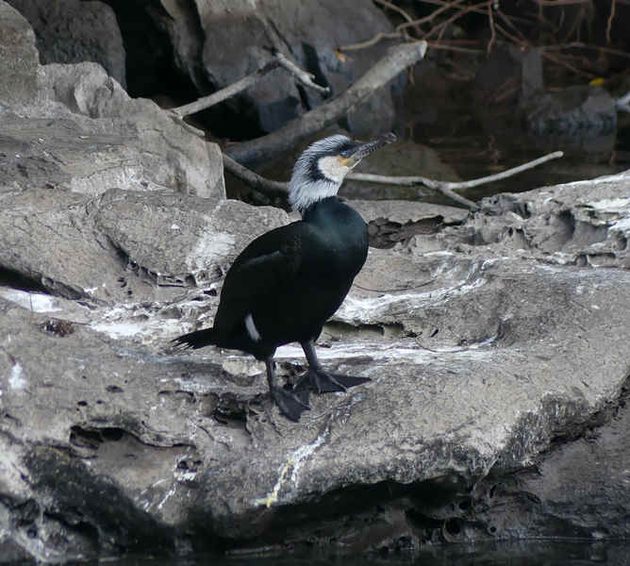
11. Seogwipo Harbour: Great place for gulls, cormorants, ducks, and the occasional rarity. Very excellent during winter, with close views of these species. There is a small island park, Saeseom attached by a bridge that was good for migrants, but bird activity as of 2026 has decreased due to recent development and tourist infrastructure.
Japanese Cormorant
Best Birding Season
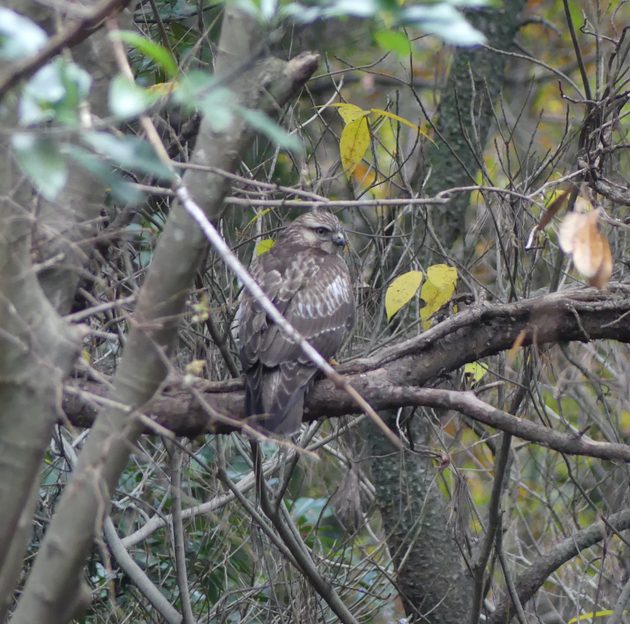
December – February: The best season for birding on Jeju and Korea overall is arguably winter. Nearly every species of duck in East Asia can be seen in decent numbers, along with a wide variety of gulls. Wetlands and coastal areas on the east and west sides of Jeju can be particularly productive, with hundreds of ducks in the larger wetlands and reservoirs. Forests and Hallasan can be good for wintering songbirds such as Eurasian Siskin, Red-flanked Bluetail, Brambling, Hawfinch, Chinese Grosbeak, Grey Bunting, and Japanese Waxwing in some years. Raptors such as Eurasian Sparrowhawk, Eastern Buzzard, and Common Kestrel are numerous, and most winters have Greater Spotted Eagle overwintering, among other possibilities.
Eastern Buzzard
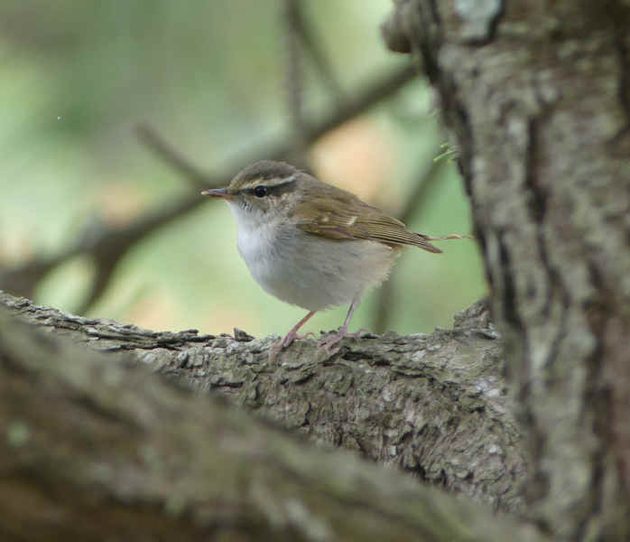
April – May: Spring migration can be super exciting on Jeju, and generally starts in early April, a bit earlier than mainland Korea. Migrants can be easily found in city parks, coastal trails and forests, and oreums. The best spot for looking for migrants is Mara Island (Mara-do), where birders have a chance for almost anything on any given day during this period. Other islands such as Biyang Island, Gapa Island, and Chuja Island can be productive as well. Peak time is the second week of April to the first week of May. Bird activity dies down by the final week of May. Species passing through Jeju tend to have a more southern distribution, such as Sakhalin Leaf Warbler, Japanese Thrush, Japanese Robin, and Narcissus Flycatcher, making migration here a little bit different than further north in Korea.
Sakhalin Leaf Warbler
Narcissus Flycatcher
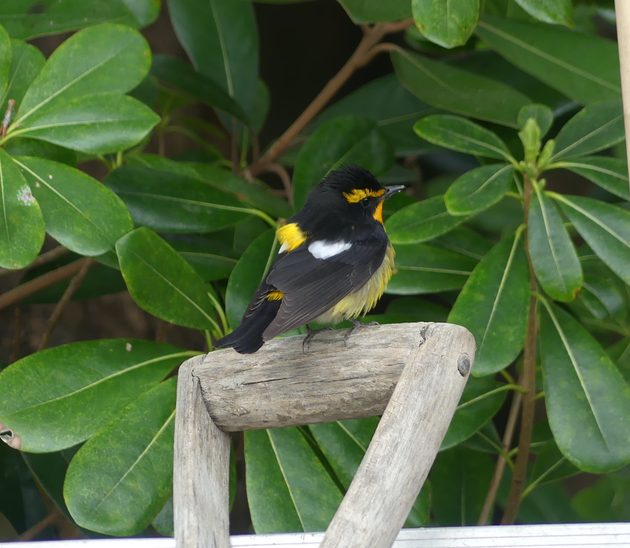
June – July: Summer on Jeju can be exciting for searching for regional breeders such as Fairy Pitta, Black Paradise Flycatcher, Yellow-rumped Flycatcher, and Grey-backed Thrush. All four species are relatively easily found in midland forests and oreums, although generally heard much more easily than seen. By late June, Fairy Pitta becomes difficult to find, as they stop singing for the most part. Several other species can be easily found throughout Jeju during this time as well: Lesser Cuckoo, Common Cuckoo, Barn Swallow, and Pacific Swift. Streaked Shearwaters and Swinhoe’s Storm Petrel are in good numbers offshore in the surrounding seas.
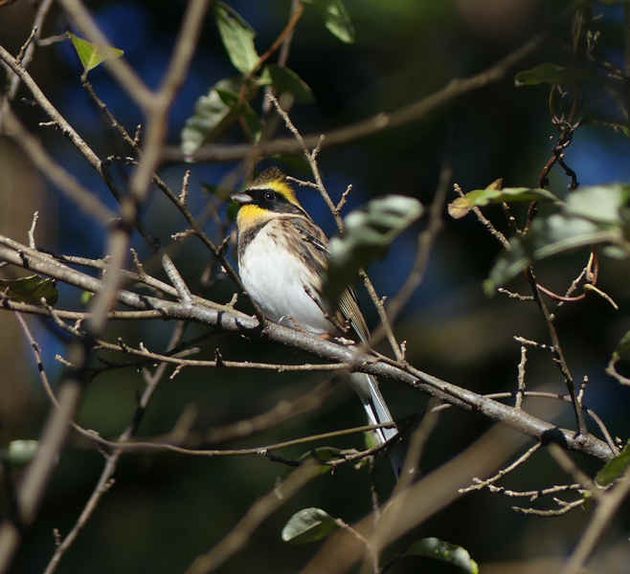
Yellow-throated Bunting
October – November: Fall migration, of course, begins earlier with a slow trickle in August with shorebirds, but it peaks by early October, and then winter migrants begin to move through by November, making these two months particularly interesting to see a good mix of species. Forests, city parks, oreums, and of course offshore islands such as Mara Island are your best spots to search.
Birding Trip Suggestion(s)
Jeju can be fully covered in any season over two days, spending a day each on the west and east sides. Three days adds extra time to explore further inland, Hallasan, or even one of the small offshore islands. Itineraries depend entirely on the season, with summer being much better further inland in forests and on Hallasan, and winter being much better in wetlands.
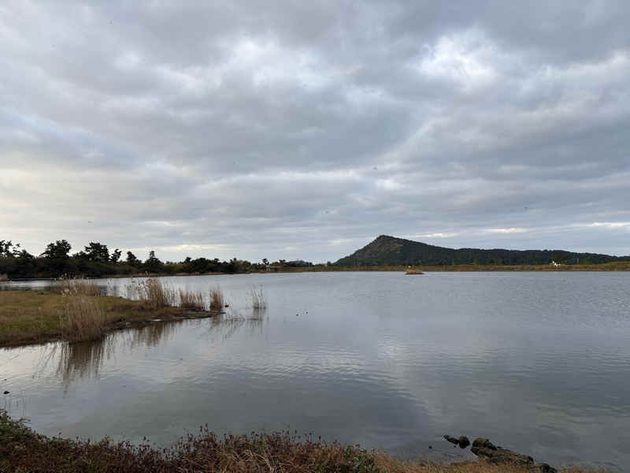
- West side: Coastal areas, especially in more rural areas on the far west end past the fancy tourist spots (although beaches and harbours can be productive), Yongsu Reservoir, Alddreu Airfield, Gojtawal Provincial Park, and both Seogwipo Recreational Forest and Eoseungsaengak trail up on Hallasan.
- East side: Hado-ri Wetland, Jongdal Bay and coastal road, Ojo-ri Wetland, Pyoseon Beach, Seonheul Gotjawal / Dongbaekdongsan, Seongeup Reservoir, and Halla Eco Forest.
- Jeju City parks such as Halla Arboretum, Shinsan Park, Sarabong Park, and Tapdong Plaza. These are a bit far from each other, so transportation would be needed. Any of them would be great for birding if someone is staying in the city.
- Seogwipo City parks such as Cheonjiyeon Waterfall, Geolmae Eco Park, and Seogwipo Harbour area. These are all within walking distance and easily fit in during a stay in the city. The nearby oreum along the coast and agricultural areas can be great, too.
Practical Tips
- Jeju (and Korea overall) is very safe to visit, much like the other neighboring countries in the region. Of course it’s important to be respectful of locals when birding. Roadways can be busy with traffic and fast drivers, even in rural areas occasionally, so it’s best to stay alert and aware when birding near roads.
- The bus system is good and very affordable but can be infrequent and/or take a long time to travel. A local transportation card is needed to use transit here, which is easily acquired in any convenience store. A rental car can be an incredible time saver, with many rental companies set up in the airport area. Self-driving on Jeju is simple, with many road signs in English and low speed limits (watch for the numerous speed cameras), but be wary of other drivers.
- Summer can be incredibly hot and humid, so staying hydrated and resting in shaded areas is recommended. Storms frequently move through, so keep an eye on the weather forecast for heavy rain and strong wind.
- Jeju is perpetually windy, which can make birding challenging at times, even further inland. This can be especially challenging for finding small songbirds. For gulls, ducks, and other larger birds, it’s generally not an issue and can sometimes make things easier. It’s a good idea to check apps such as Windy to get an idea of the direction and intensity of the wind, which can help plan a birding trip. Dress warmly in winter with layers, as actual temperature can be much lower due to northerly Siberian winds.
- Convenience stores and restaurants are numerous, although generally easier to find in the urban areas (Jeju City and Seogwipo City). As of 2026, nearly everywhere accepts both cash and card. Prices are similar to those of Japan – cheaper than North America and Europe, but higher than China and SEA.
- Accommodation as of 2026 ranges from 40,000 to 80,000 Korean Won per night. Most hotels are fairly clean and well taken care of, but this can depend on the hotel’s age. Accommodation is numerous and can be found in nearly every part of the island, with the exception of Hallasan itself.
Books
- Birds of East Asia by Mark Brazil ISBN 0713670401: Standard field guide covering the entire region, very useful for vagrants and especially for those visiting multiple countries in the region. Uses illustrations.
- A Field Guide to the Birds of Korea by Woo-shin Lee ISBN 9788995141588: The original classic field guide for Korean birders, currently on its third edition. May be difficult to find outside of the country, but searchable in online shops with some effort. There is an English version available of the second edition, but not of the most recent third edition. Uses illustrations.
- Wild Birds Field Guide by Jong-gil Park ISBN 9791164500444: A recent favourite among local birders. May be difficult to find outside the country but searchable in online shops with some effort. No English version exists; it is only in Korean. Uses photographs.
Links
- Jeju eBird: Up-to-date sightings https://ebird.org/region/KR-50
- Jeju Wildlife Research Center http://birdsinjeju.com/
- Birds Korea http://www.birdskorea.org/
- Jeju Birds https://www.jejubirds.com/
By Leslie Hurteau
Leslie is a Canadian who currently lives in Jeju, South Korea. He studied ecology at university and spends his free time birding and occasionally guides visiting birders in Jeju. He can be reached through his blog https://www.jejubirds.com/




I have never seen that many Mandarin Ducks together, what a wonderful place this must be.
I’d never even heard of Jeju – it is clearly a terrific place for birds. And I agree with Peter – that flock of mandarins is magnificent.
Thanks for this helpful overview of Jeju for birders. I especially appreciated the way you connect Hallasan’s 1,950 m shield-volcano slopes with the summer breeding of Fairy Pitta and Black Paradise Flycatcher. The description of the gotjawal and agricultural belt as good habitat for buntings and corvids, alongside the black volcanic coastline for gulls, egrets, herons, and shorebirds, gives a wonderfully practical sense of how varied the island is. The 360-plus oreum also sound like fascinating smaller targets to explore between the mountain and coast.