

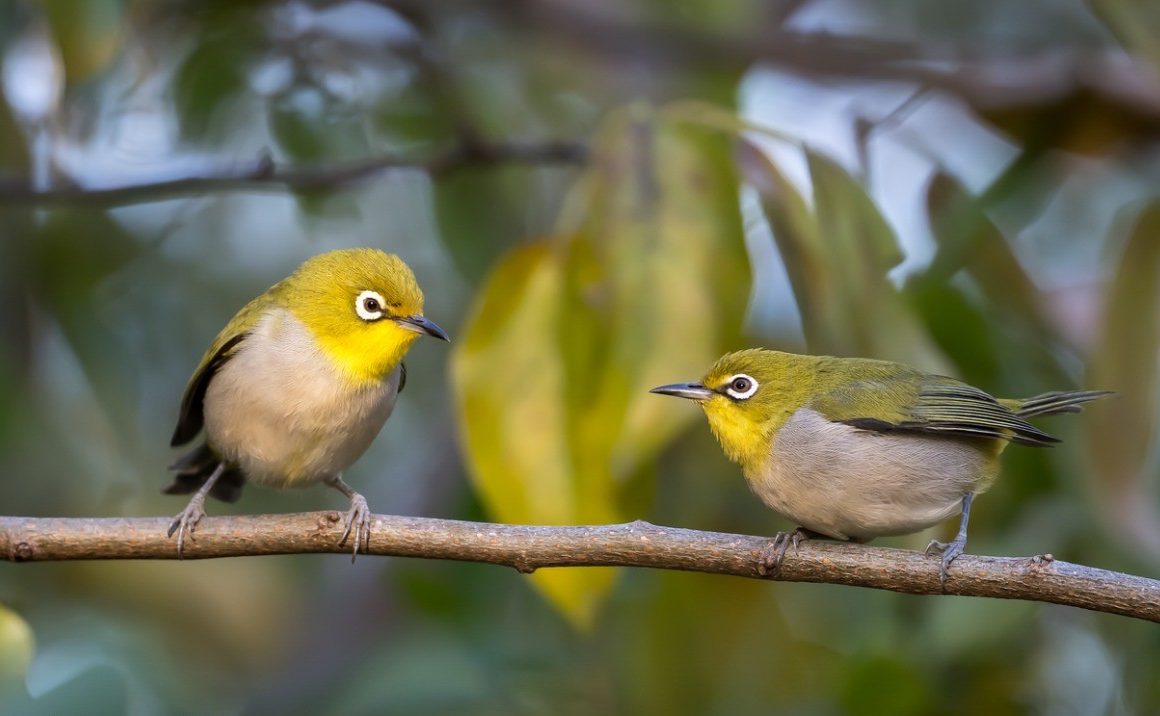
It is called kawaii – cute – a very Japanese cultural and anthropological phenomenon. What can the rest of the world offer in terms of cuteness? The New World is a lost cause, I’m afraid. Hummingbirds may be small enough to invoke a sense of cuteness, but they are in fact vicious little [expletive deleted]. Also, hummers are boring as we have established in the past. Warblers? Oh please… As you have guessed by now, we are looking at avian forms of cuteness and fortunately the Old World has tons of cutie-pies, in the form of Zosteropidae, the white-eyes. In the process, shamelessly targeting a younger audience: u like qt? rd dis post!
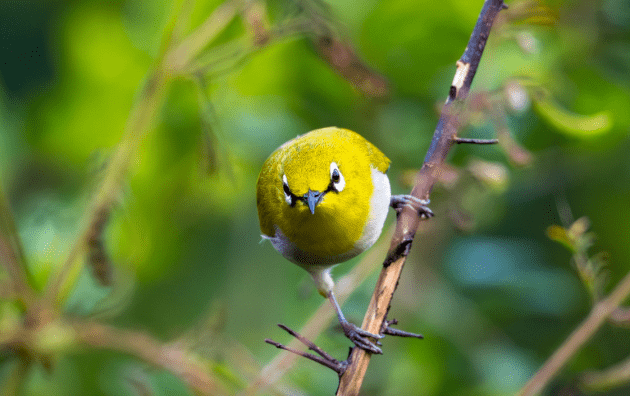
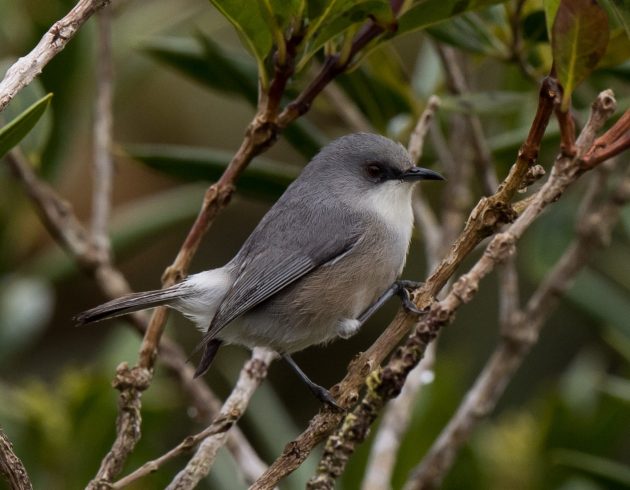
White-eyes have a characteristic white eye-ring. Unless they don’t. Cuteness lies in the eye of the beholder, and the eye makes the white-eye. I do not consider the Mauritius Grey White-eye to be cute, for example.
My own experience with Zosteropidae is limited. My first sightings were in South Africa of the Cape White-eye.
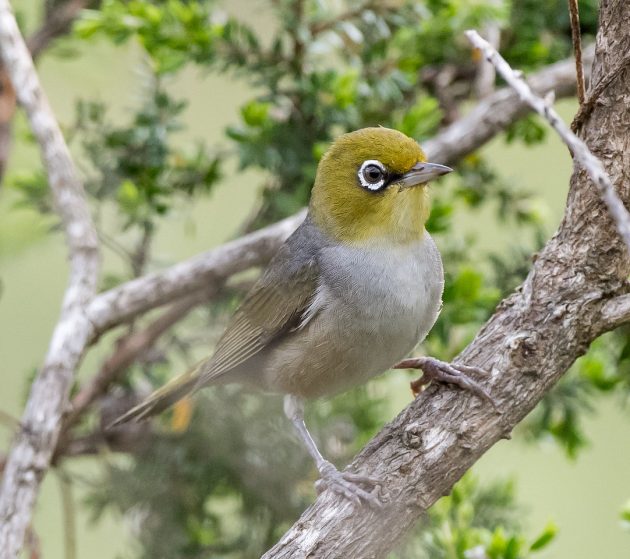
I saw the African Yellow White-eye in Namibia in a small town on the Zambezi. To see the last of the “Africa south of the Zambezi” trio, the Orange River White-eye, I had to traverse the Northern Cape to reach the Orange River. The trip through the hot plains was only interrupted by flat tyres and lark sightings but still took us a fair few days (there were a lot of larks…). Seeing the Orange River White-eye with its characteristic pink wash on the flanks was surprisingly easy. Here’s a picture of the Cape White-eye, for African Yellow White-eye make it more yellow, for Orange River White-eye paint it a bit pinkish on the side. I have just shown you in one sentence why some of the 10000birds beat writers do not like these birds, despite their cuteness: they do look all very similar indeed.
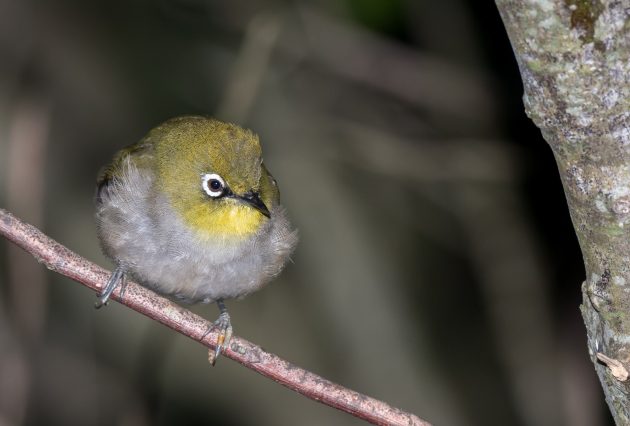
However, you can not deny their cuteness. Here’s one Lowland White-eye I accidently left in my trousers. It went through a full laundry cycle and it came out damp, frumpy but cute.
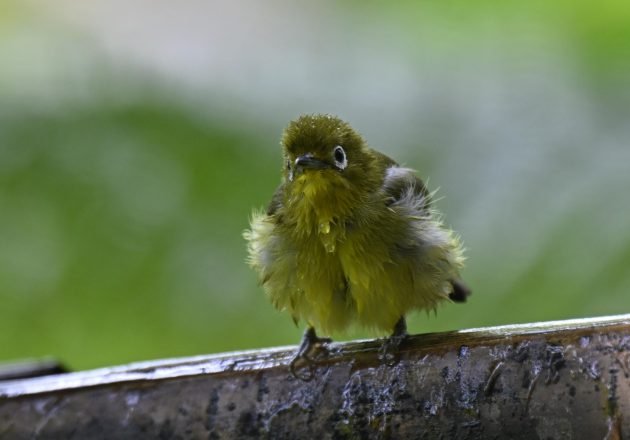
All pictures by Kai Pflug whose love for photography has obviously trumped his dislike of white-eyes.









Leave a Comment