

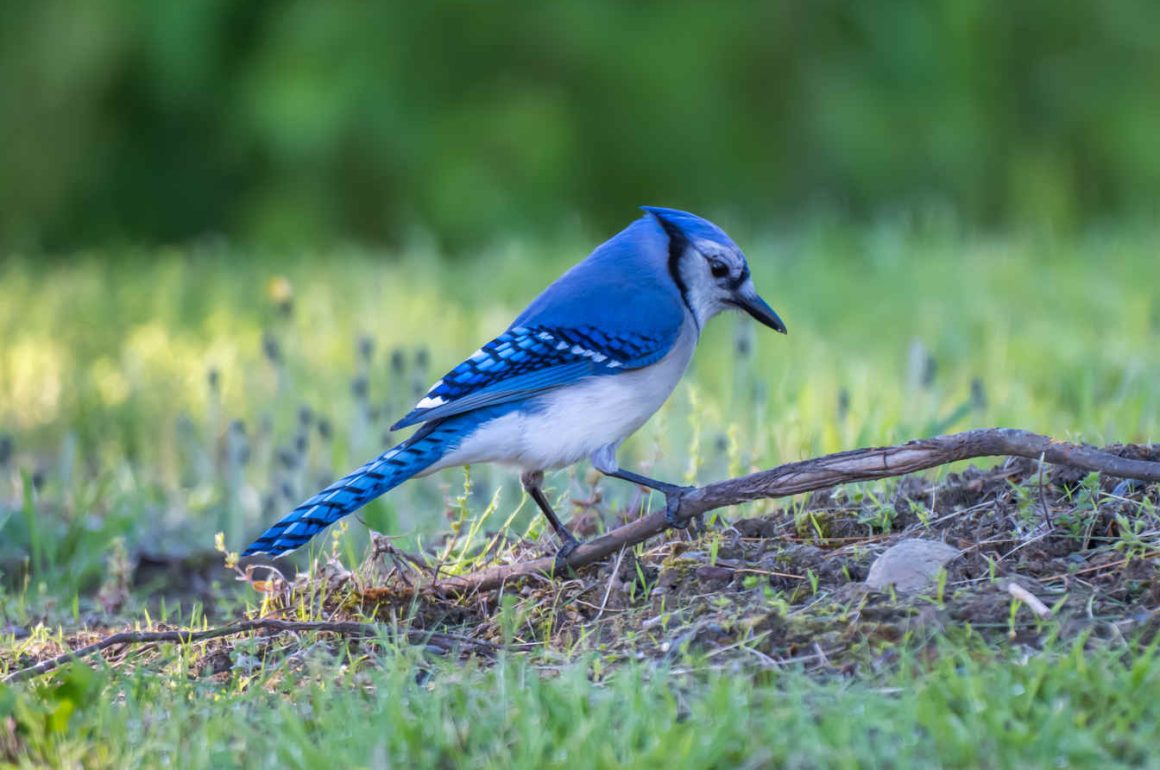
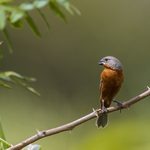
Like some US citizens, the Blue Jay comes off as a bit of a poser, as this early description by Alexander Wilson demonstrates: the Blue Jay “is distinguished as a kind of beau among the feathered tenants of our woods, by the brilliancy of his dress; and like most other coxcombs, makes himself still more conspicuous by his loquacity, and the oddness of his tones and gestures.”
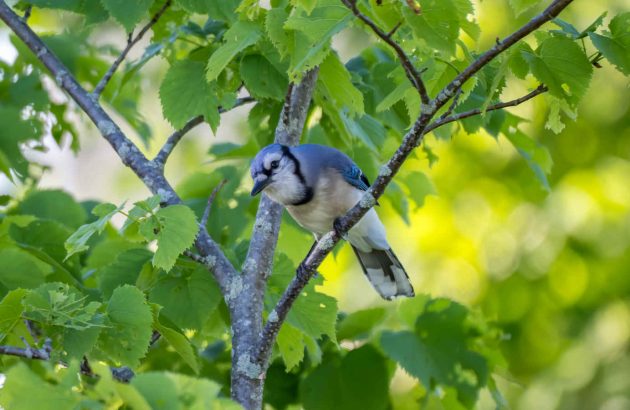
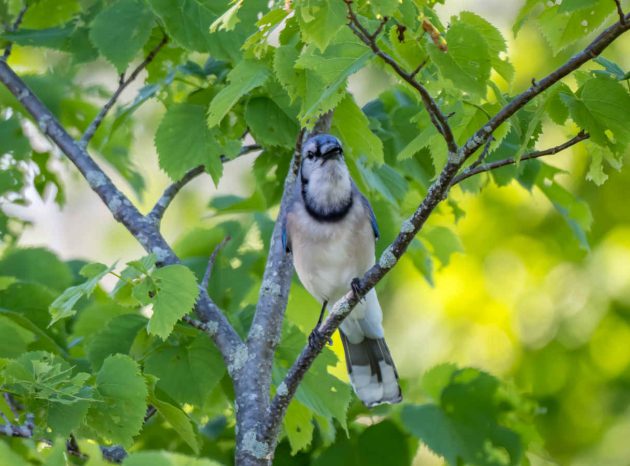
The next sentence in the species profile could equally describe the bird or the country:
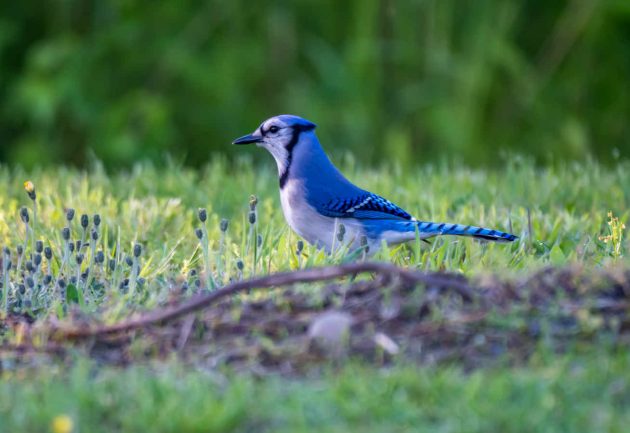
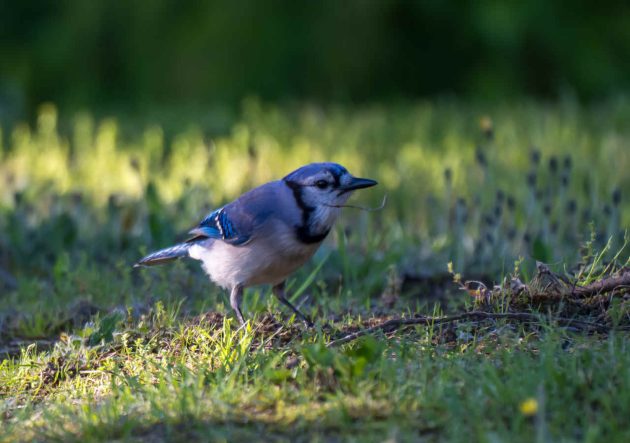
“Although often disliked because it is sometimes aggressive toward other …, this … offers excitement and fascination to those who observe it closely.”
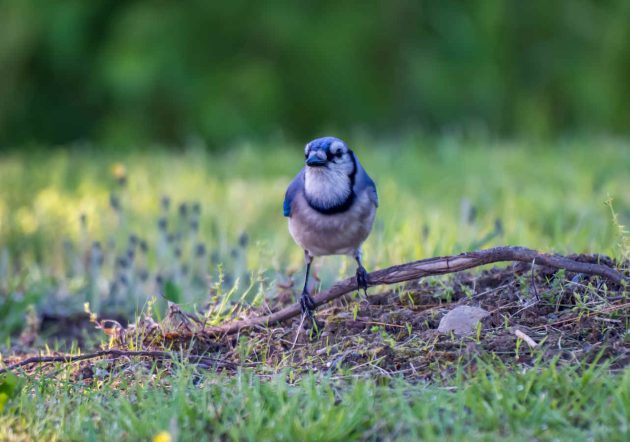
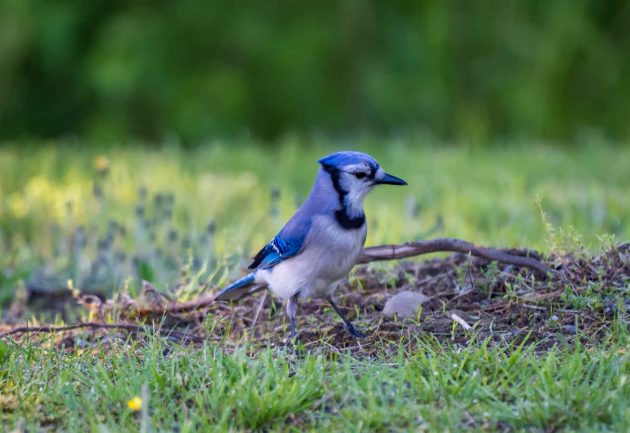
That is probably enough of the analogies. The next sentence in the profile (“Blue Jays quickly learn to take food provided by humans, and annually many are trapped and banded.”) is a bit too difficult even for me to turn into political satire. So, let’s stop.
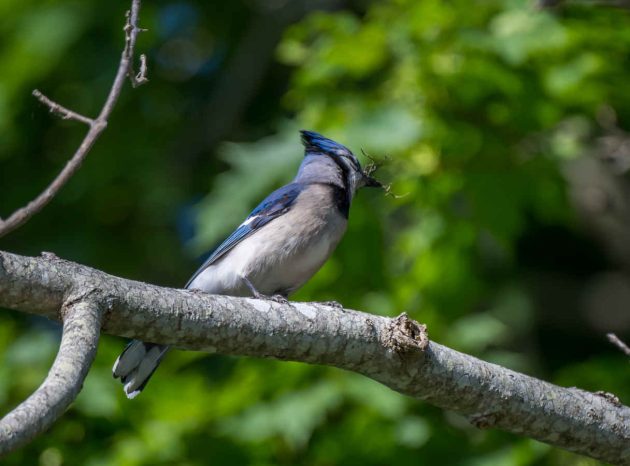
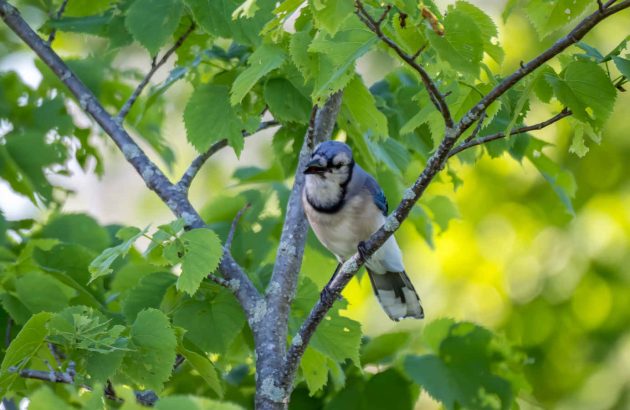
Particularly as an important ecological function of Blue Jays—dispersing acorns—is also somewhat difficult to translate into human terms. One study found that Blue Jays transported and cached about 133,000 acorns from a stand of oaks in Virginia, representing roughly 54% of the entire crop, with one to five acorns carried on each caching trip.
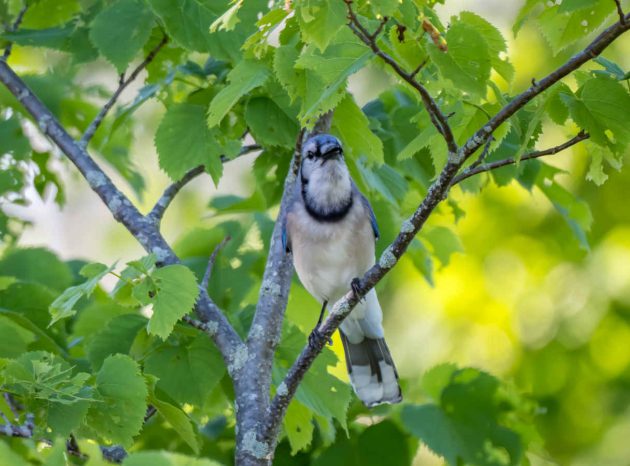
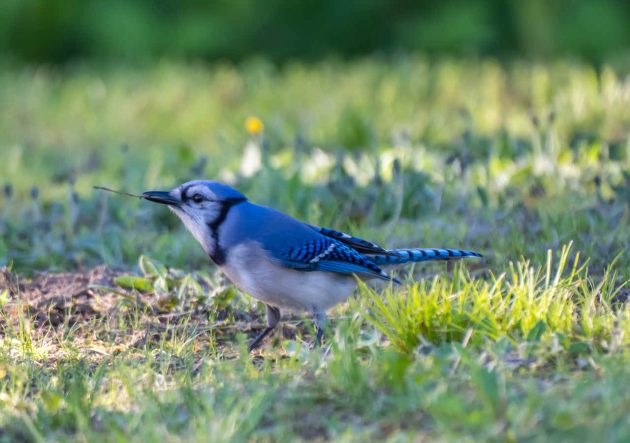
Even more interesting than the description of the bird is the language used to describe it in very old ornithological literature. In 1889, the species was said to be “exceedingly sly and very suspicious, and can only be approached with the greatest difficulty,” while also being introduced in language that would seem rather overblown today: “This beautiful bird, the subject of our illustration, is a denizen chiefly of forest and heavy timbers.” Modern ornithological writing is generally much less emotional.
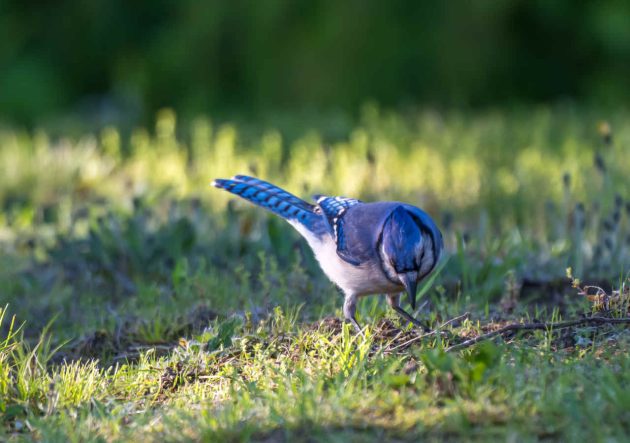
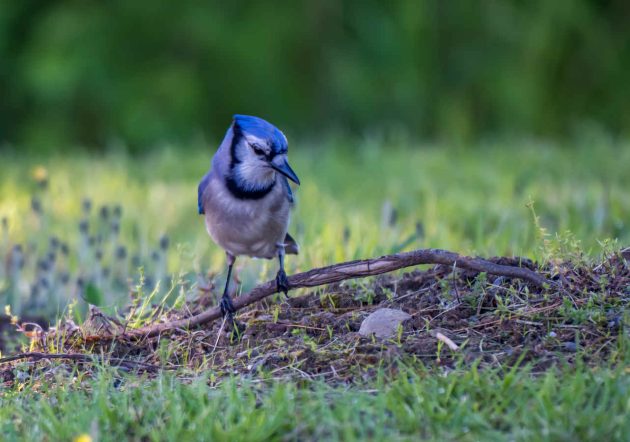
The Blue Jay is a small corvid, one of the most intelligent bird families. Perhaps unsurprisingly, it uses tools, and tool use has recently even been observed and photographed in the wild.
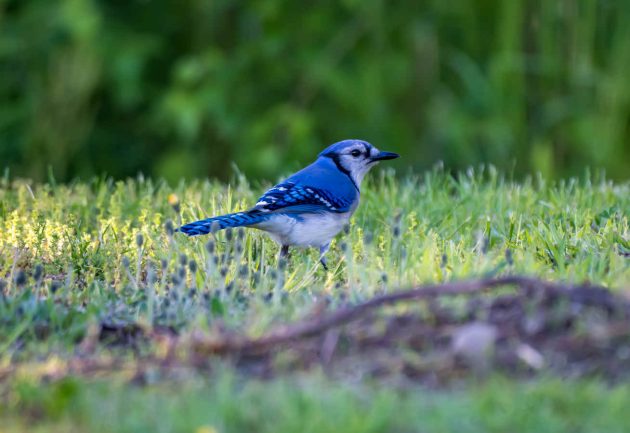
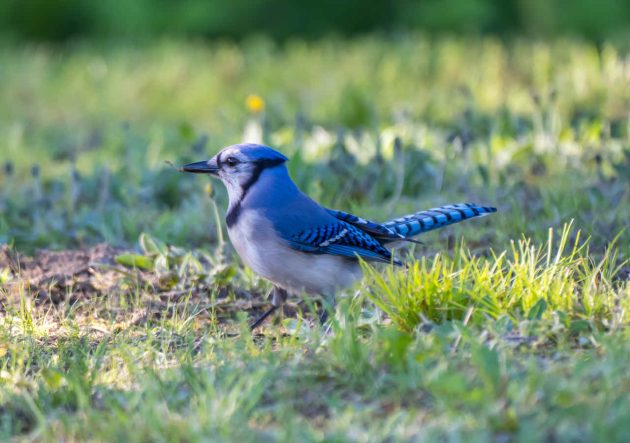
It is also a bird that—like Mr. Audubon with his shotgun—can present a danger to other birds. So, despite this similarity between the two, Audubon had some rather harsh words for the species in Birds of America: “It robs every nest it can find, sucks the eggs like the crow, or tears to pieces and devours the young birds.” Reading about Blue Jays picking at the eyes of a shot grouse also does little to improve their public image.
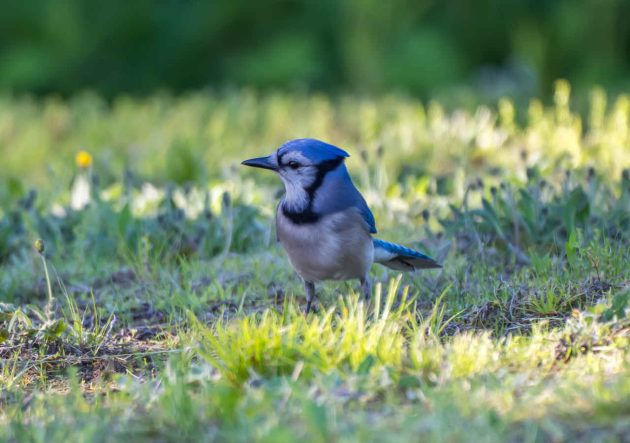
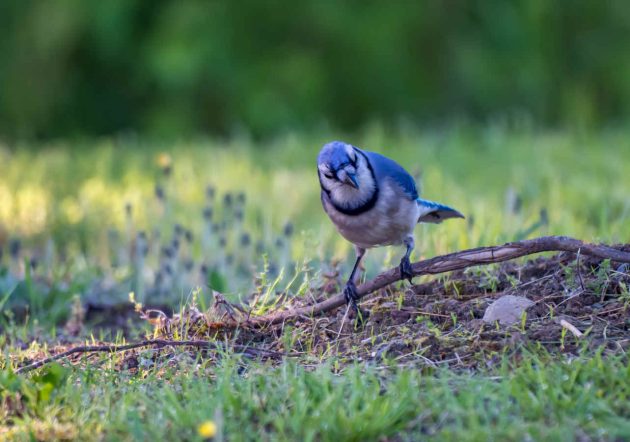
Still, shouldn’t such a beautiful bird be given some leeway?




Leave a Comment