

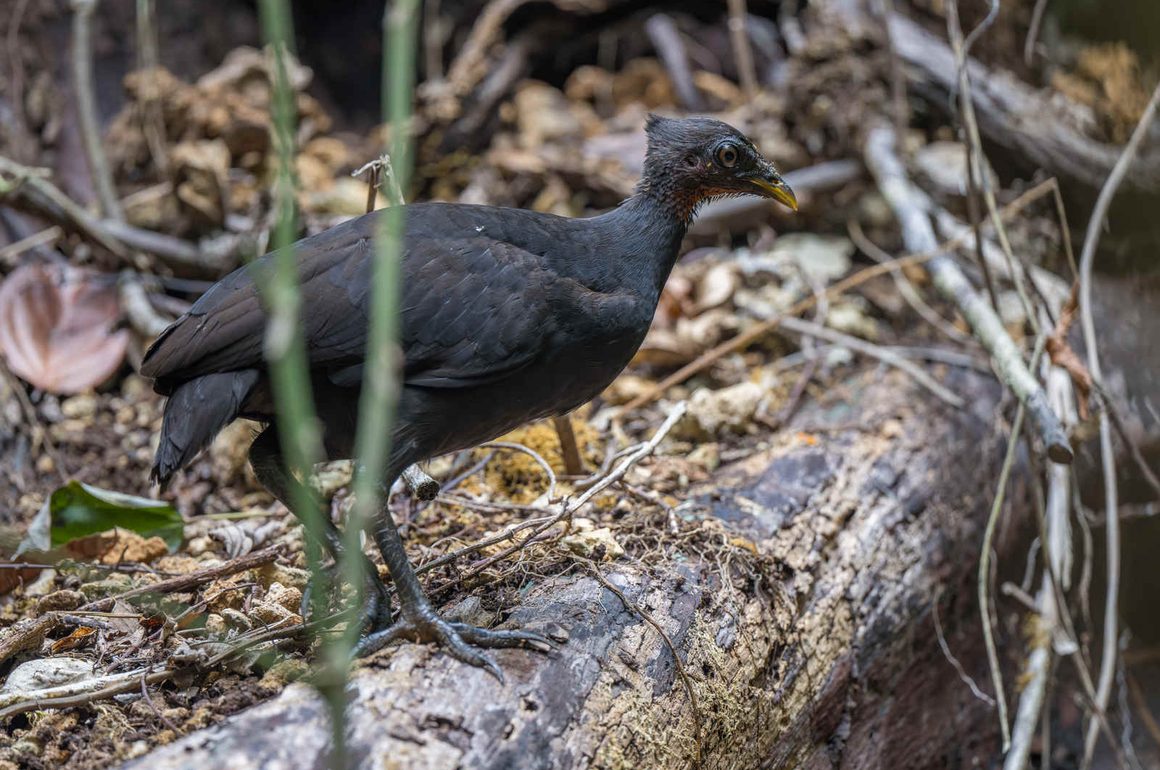
The scientific name of the Dusky Megapode is Megapodius freycinet, in honor of Louis-Claude de Saulces de Freycinet (1779-1842). He was a French naval officer and cartographer who explored portions of Australia and islands in the Pacific Ocean (source).
Personally, I think his main claim to fame is that on his 1817 voyage, his wife, Rose, disguised as a sailor, with her hair cut, was smuggled aboard and accompanied him. Quite a woman.
She actually described this in a journal published in 1827, a journal available online (in French).
But enough about Rose …
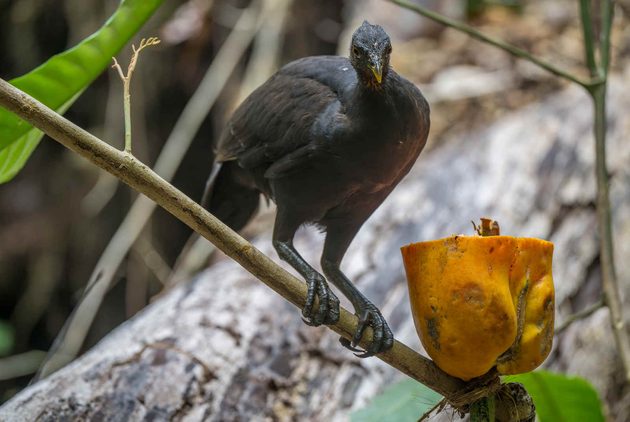
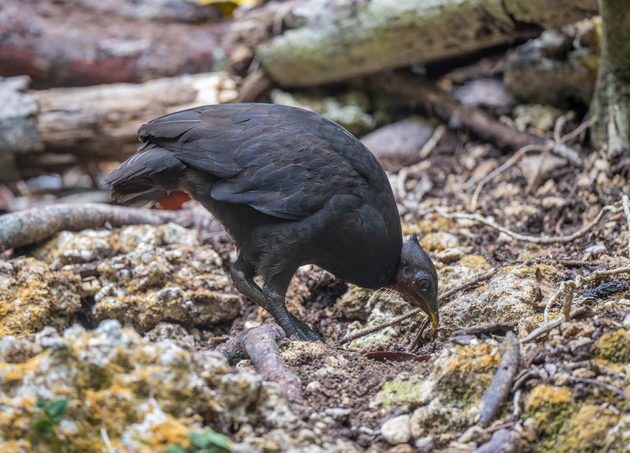
Different from her, the Dusky Megapode is a mound builder. The mounds are up to 1.5–2.0 m high and 2–5 m in diameter, composed of stones, sand and leaves, and have a relatively constant internal temperature of between 25 and 36 degrees Celsius. So, no incubation needed – instead, mound construction duties.
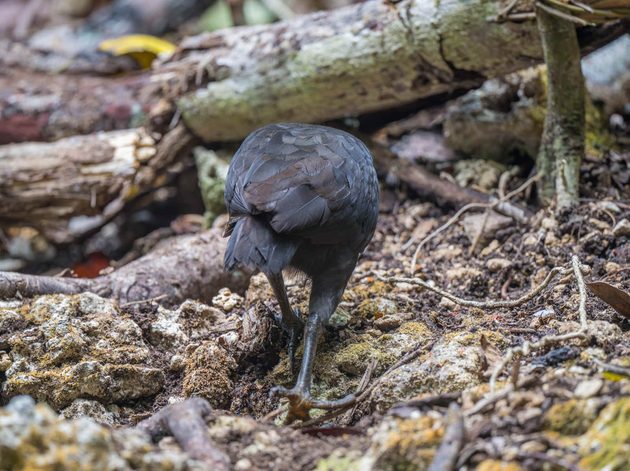
The low temperatures inside the mounds mean long incubation times, but the resulting chicks are heavier than those of other species, dig themselves out of the mounds without help from a parent, and can fly within one hour (source).
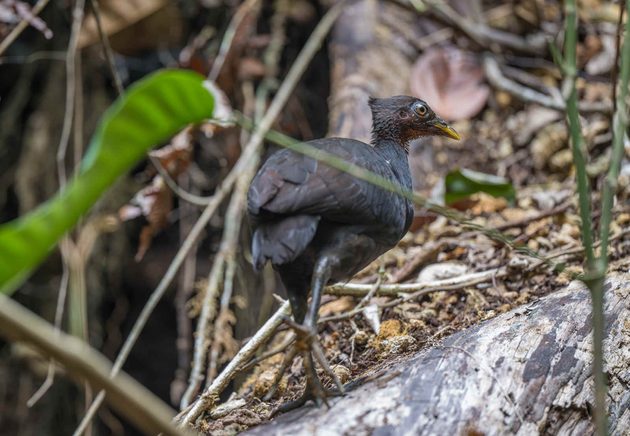
If even building a mound seems too much work, the species also engages in brood parasitism – i.e., laying its eggs in the mounds of other species such as brush turkeys (source).
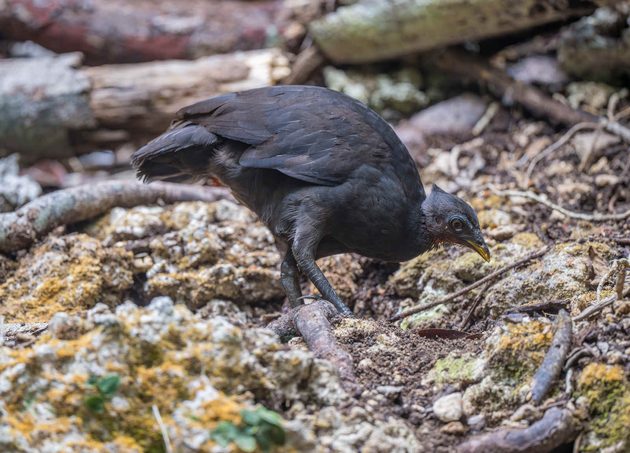
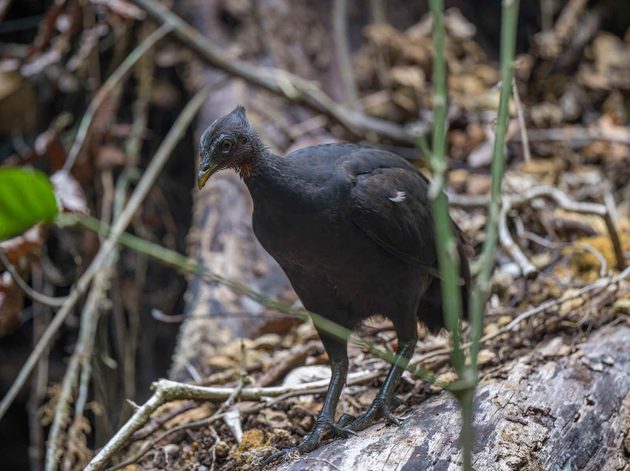
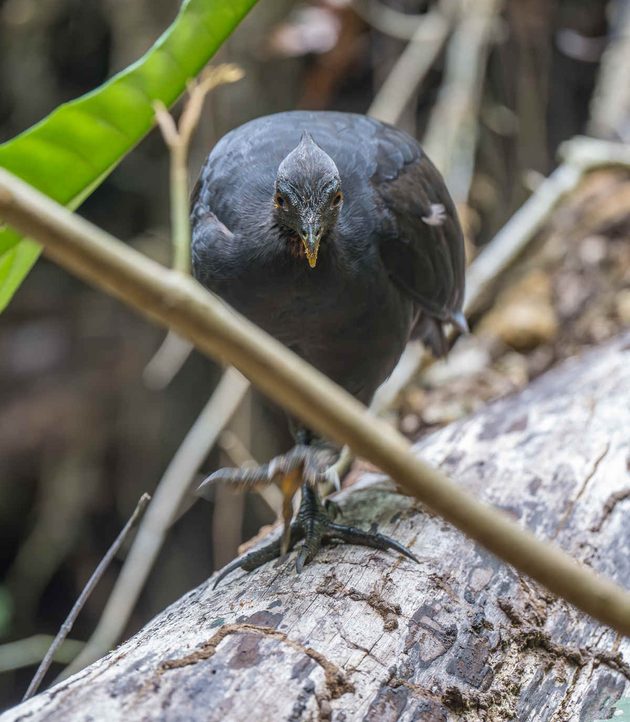
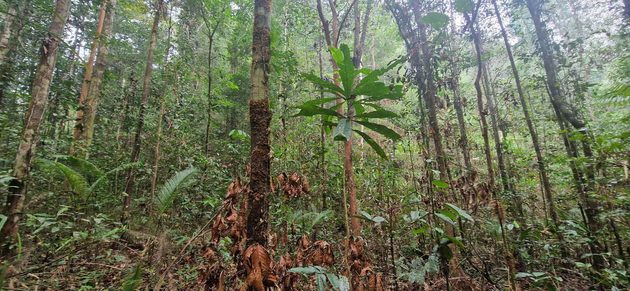
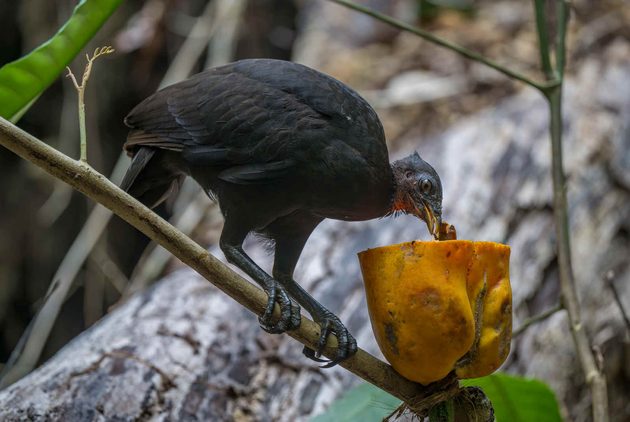
At Raja Ampat, West Papua, where these photos were taken in October 2026, the Dusky Megapode visits a fruit feeder set up for birds-of-paradise (see habitat shot below).
Maybe also parasitic behaviour?
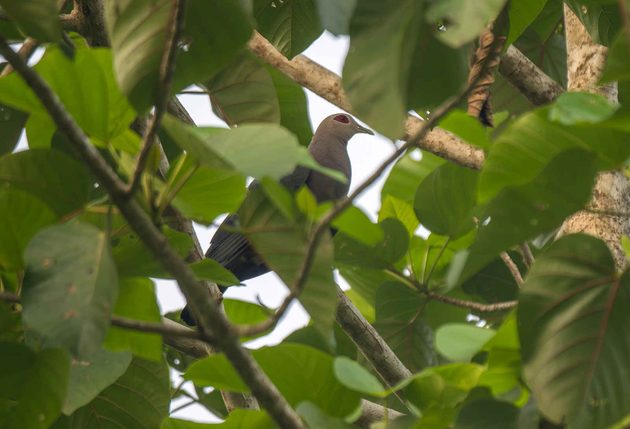
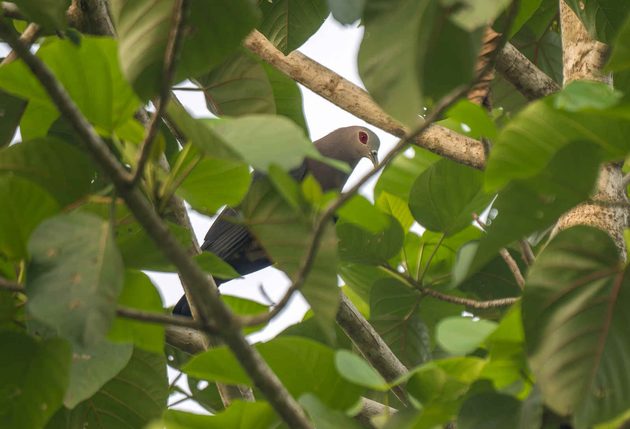
Back to Rose, though – her maiden name was Pinon, and indeed, Pinon’s Imperial Pigeon – which I also saw on Raja Ampat – is named after her.










Sorry, I love megapodes but Rose Pinon seems much more interesting. She sounds like an amazing person to me.