

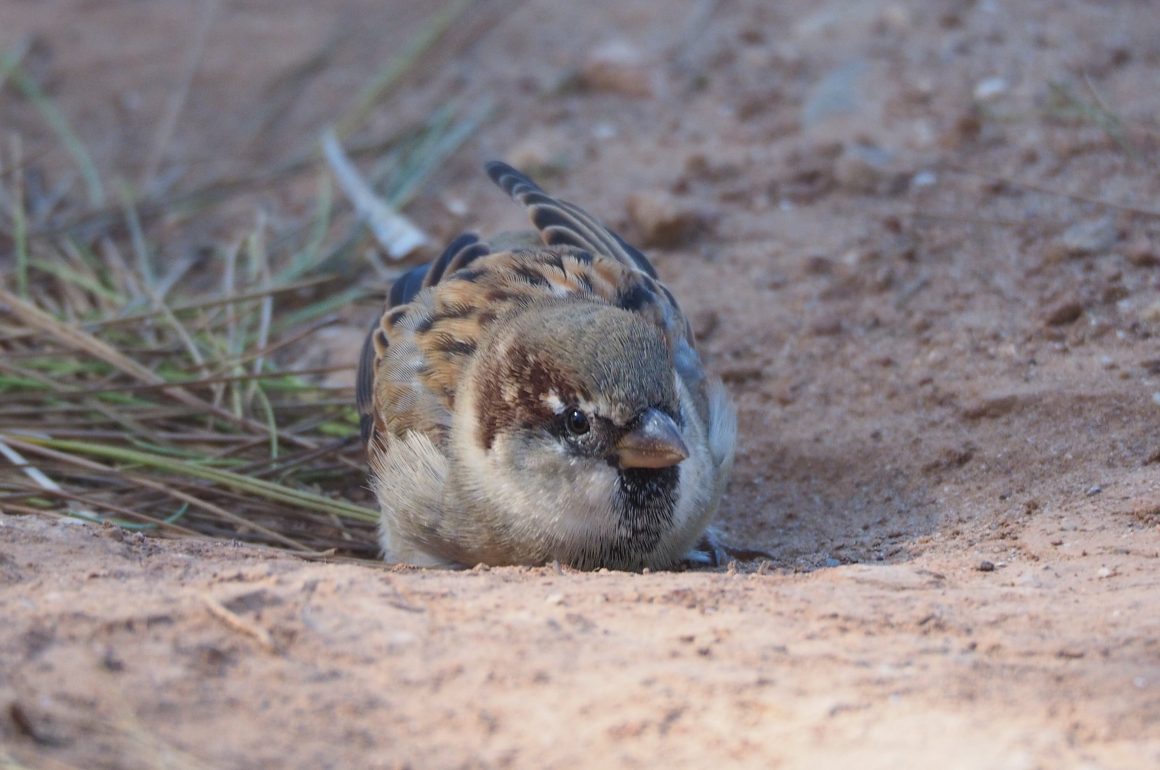
Arguably the most familiar bird in the world, everybody (or almost everybody) knows the sparrow. House Sparrows apparently originated in North Africa, and from here they colonised Europe, Asia, Arabia and India. Today, thanks to introductions, they can also be found throughout North America and much of South America, Southern Africa, eastern Australia and New Zealand, as well as numerous offshore islands. (Note for North American readers: Old World sparrows, such as the House Sparrow, are not even remotely related to New World sparrows.)
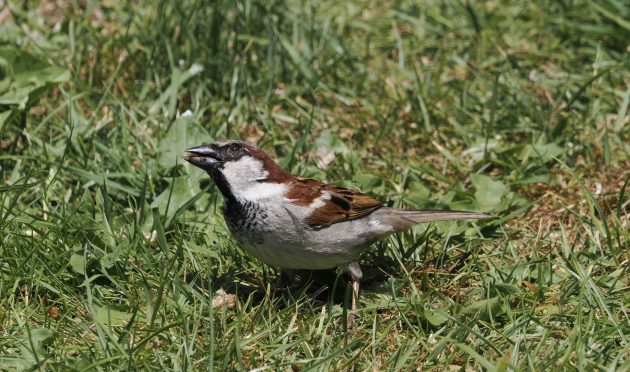
Familiar bird: cock House Sparrow in breeding plumage
Such success makes the humble sparrow one of the world’s most successful birds, possibly even the most successful, thanks to its ability to live alongside man. Curiously, here in the UK House Sparrow numbers have declined hugely, with the population falling by 69% between 1997 and 2010. We still have an estimated 5 million pairs, but the species has been red-listed since 2002. Perhaps most surprising of all, nobody really knows what has caused the crash.
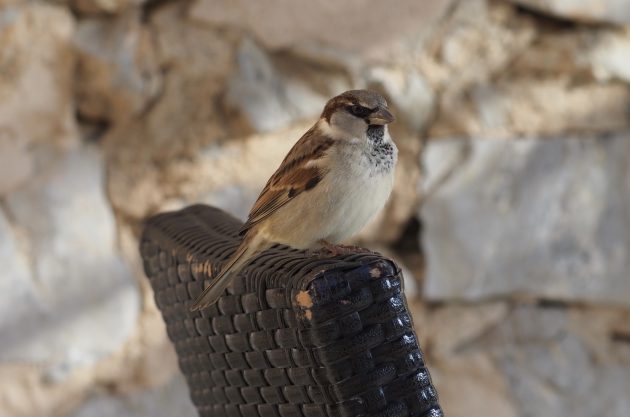
Cock House Sparrow in winter plumage – note the reduced black bib
The decline now seems to have stabilised, but populations still come and go. Just three years ago I would see birds in my garden every day, and the peak count was 49 individuals (I couldn’t find a 50th). This year they have become increasingly scarce, and I haven’t seen one here for at least six weeks. However, they can still be found elsewhere in the village, so why have they deserted my garden?
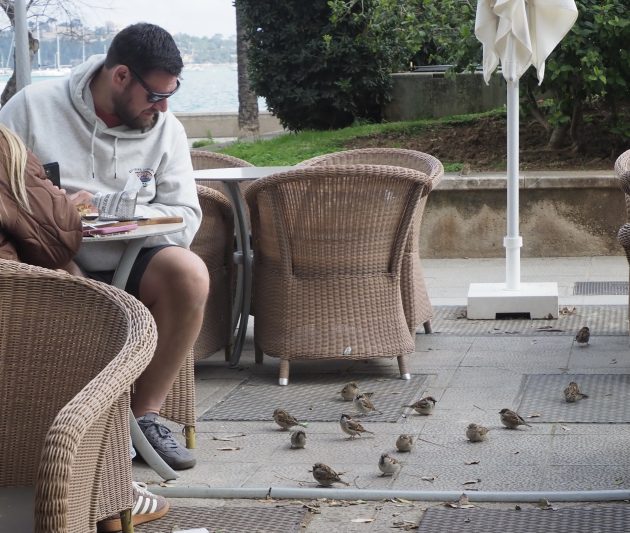
House Sparrows are happiest living alongside man
There are, according to AviList, no fewer than 12 sub-species of House Sparrow. I remember in Kazakhstan seeing individuals of the race indicus (the race that breeds in India) alongside the local race (presumably domesticus). The former were notable for their bolder looks: the cocks had notably blacker beaks and whiter cheeks. Our local guide insisted that they were summer migrants, and didn’t interbreed with the locals. It is birds of the race indicus that are believed to have been introduced to Southern Africa and the Indian Ocean islands.
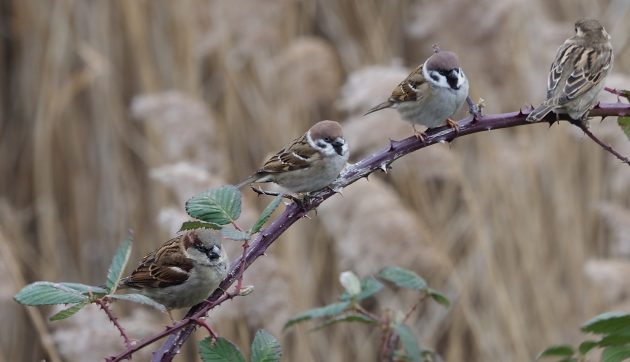
Tree (centre) and House Sparrows
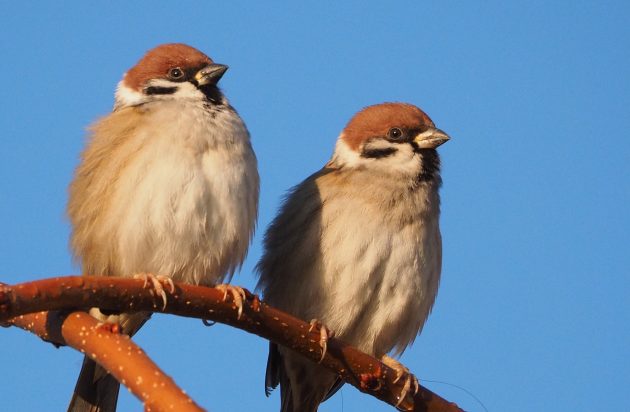
A pair of Tree Sparrows. Unusually for a Passer sparrow, the sexes are identical
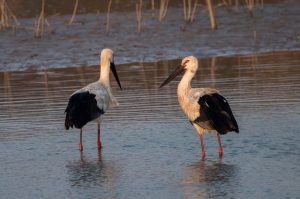
In Europe we have three other Passer sparrows: the Spanish, the Italian and the Tree. The Spanish is misnamed, as though it does occur in Spain, the populations there are localised and it is absent from many areas. It its much more widespread in the Balkans and Greece, where I know it well. It’s a highly social bird that likes to nest colonially; most White Stork nests in Greece support numerous pairs. I’m sure that the storks get fed up with their chattering squatters. I once witnessed a stork catch and eat one of its tenants, much to the consternation of the rest of the sparrow colony.
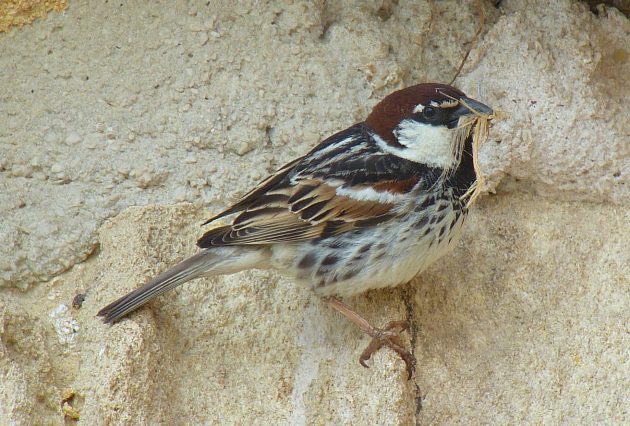
A cock Spanish Sparrow, photographed on Sicily, where the species is common
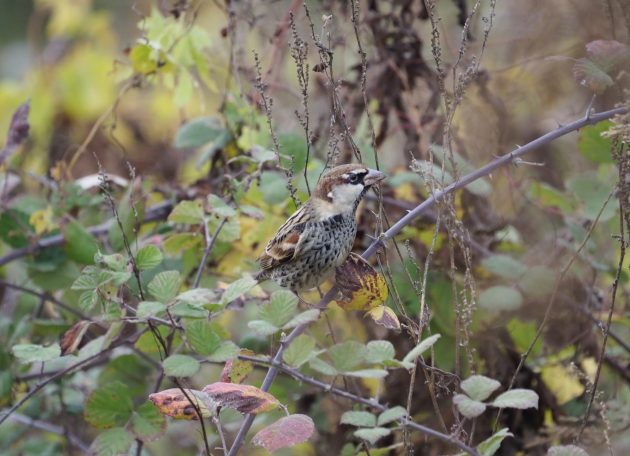
Cock Spanish Sparrow in winter, photographed in Greece. They are much more shy than House and Tree Sparrows
Italy has its own endemic sparrow, aptly named the Italian. It’s thought to be a stable hybrid between the Spanish Sparrow and the House Sparrow, and it shares the characteristics of both. It’s taxonomic status used to be disputed, but AviList recognises it as a full species. House Sparrows don’t occur in Italy; Spanish Sparrows are abundant on Sardinia (where Italian Sparrows are absent) and on Sicily. Spanish Sparrows are not found on Corsica, which has only Italian Sparrows.
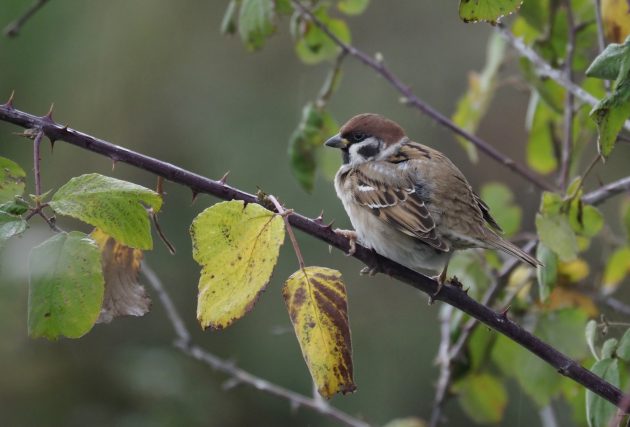
Tree sparrow
The Tree Sparrow is widespread throughout Europe, ranging from the Mediterranean to the arctic, though it is absent from Iceland (as is the House Sparrow). In recent years they have become rare birds over much of the UK. At my last house I managed to establish a small nesting colony of a dozen pairs, but I didn’t manage to persuade them to follow me to my new house, just four miles away. Smaller and more dapper than the House Sparrow, they are attractive little birds.
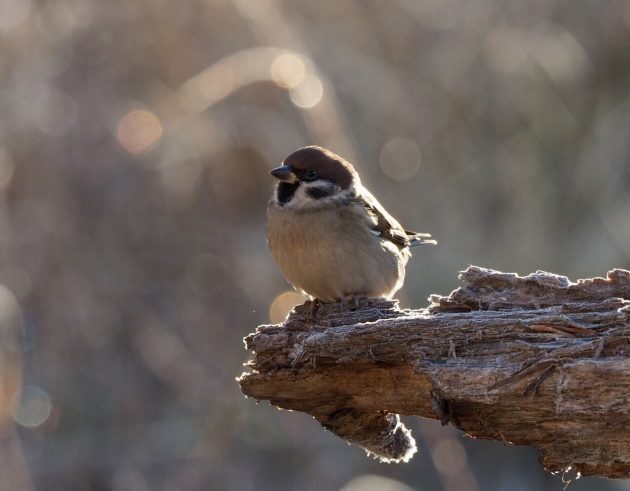
In Europe, Tree Sparrows occur from the Mediterranean to the arctic. This bird was photographed in arctic Finland in October
In the UK Tree Sparrows are country dwellers, avoiding towns and built up areas. This is in marked contrast to eastern Asia, where they take the place of the House Sparrow as the common urban sparrow. It always comes as a shock to British birders to see them in the middle of towns and urban areas in China, Thailand and Malaysia. The birds in southern China are of the race malaccensis, which is notable browner on the underside than the nominate race montanus of Europe.
Many of the other members of the genera Passer are localised and challenging to find. I’ve only seen the Dead Sea Sparrow close to the Dead Sea in Jordan, but AviList misleadingly notes that this bird occurs in Cyprus. I’ve never seen it there, despite many birding trips to the island. It was first recorded breeding on Cyprus, at Akrotiri, in 1980, and last did so in 1994; it is now a very rare vagrant.
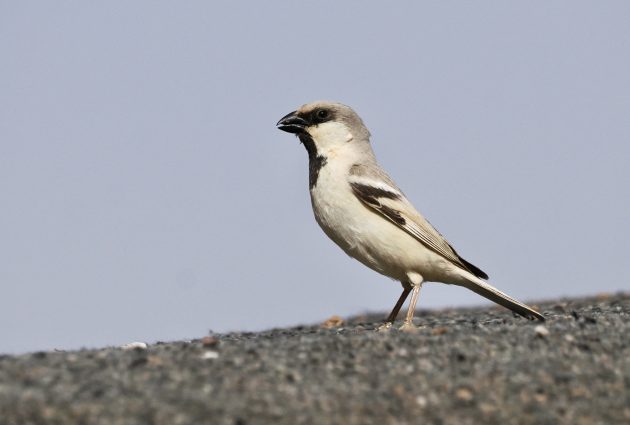
Cock Desert Sparrow, an elusive and localised bird of the desert
Earlier this year I achieved an ambition by seeing the Desert Sparrow in Morocco. This is a bird that has suffered a severe range contraction in the last 100 years. According to sparrow-expert Denis Summers-Smith, it once had a continuous range from North Africa to southern Kazakhstan. In his delightful book In Search of Sparrows (Poser, 1992) Summers-Smith writes about the challenge of finding this species in the Sahara. Having failed to find them in Morocco he undertook an expedition to Southern Algeria where he eventually found a pair, after three weeks and 5000 kilometres. Fortunately my Moroccan guide knew a reliable site, so I had no such difficulties.
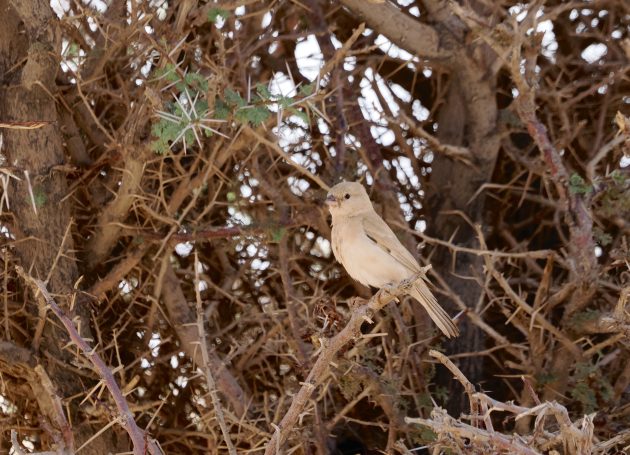
Female Desert Sparrow. She had a nest in this accacia tree
The taxonomy of the various species of Grey-headed Sparrows (all members of the Passer genus), which range across much of sub-Saharan Africa, is so complicated that I won’t delve into it here. The Cape Sparrow lives up to its name by occurring in South Africa and neighbouring Namibia and Botswana: it is arguably the most striking of all the Passer sparrows, though I would love to see the two golden Passer sparrows: the Sudan Golden and the Arabian Golden.
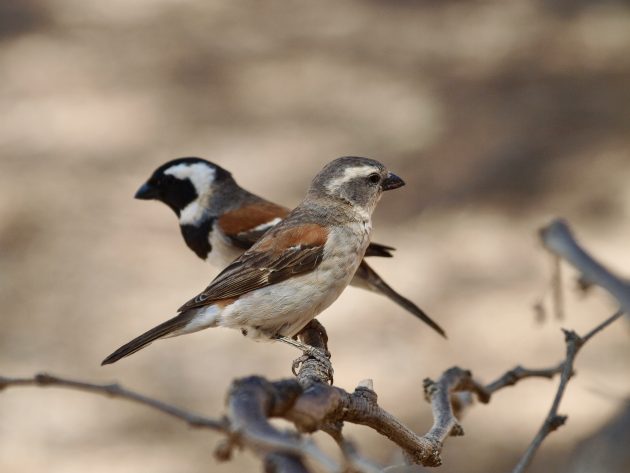
A pair of Cape Sparrows, an endemic of southern Africa
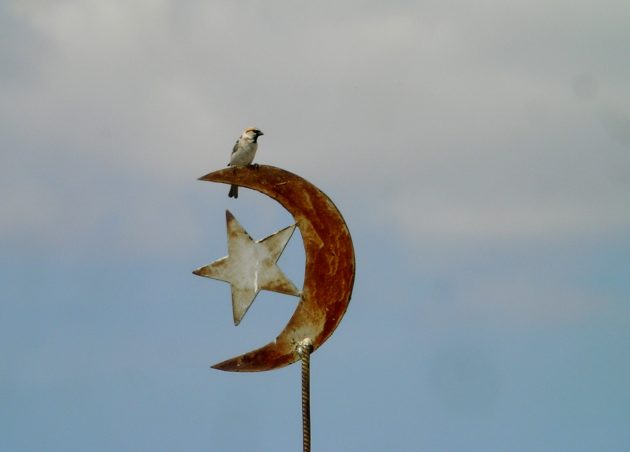
Saxual sparrow (above and below), photographed in a Muslim cemetery in Kazakhstan
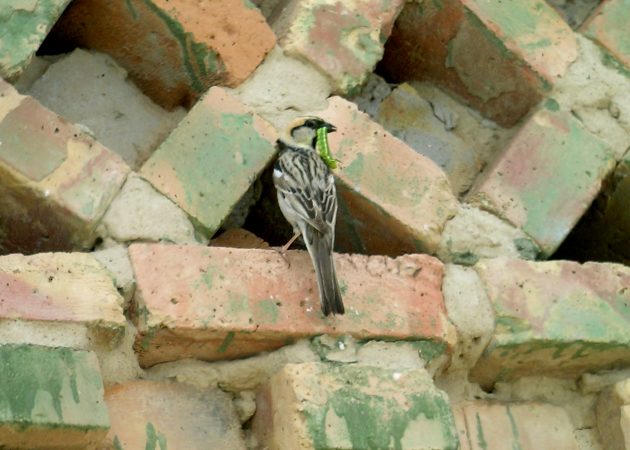
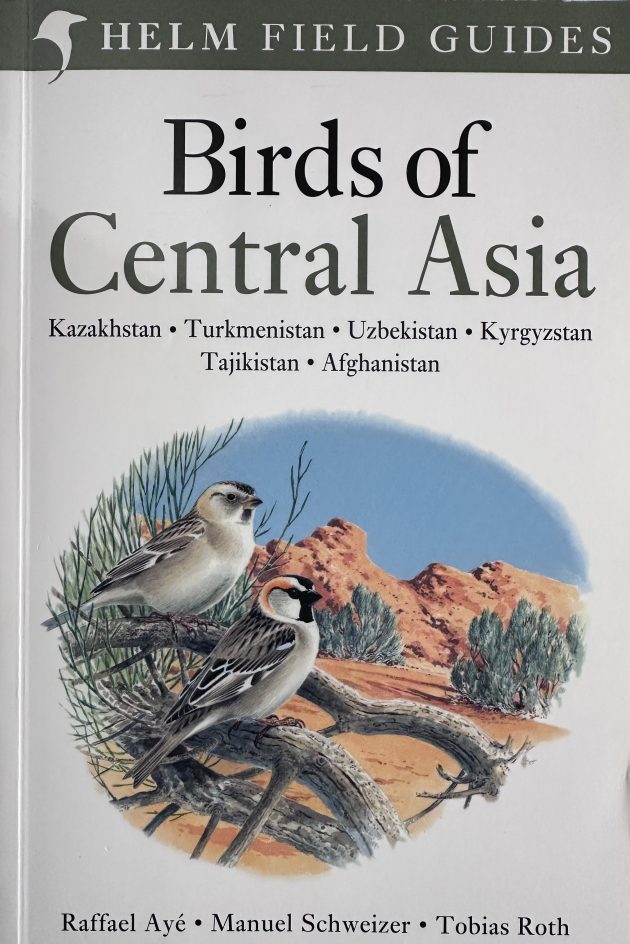
One highly localised sparrow that I have seen is the Saxual Sparrow, a bird of central Asia (Kazakhstan) and northern China. I saw my birds in a Muslim cemetery where they were breeding. My rather poor digiscoped photographs are a reminder of my encounter. It is important to get the spelling of this bird’s name right and not let autocorrect take over. These sparrows take their name from the saxual forests they frequent. Saxual is a drought-resistant shrub or small tree that is native to the deserts of Central Asia. Appropriately, a pair of Saxual Sparrows feature on the cover of the Helm field guide, Birds of Central Asia. The delightful painting is by English bird artist Alan Harris.















Leave a Comment