

Yes! Here are some examples.
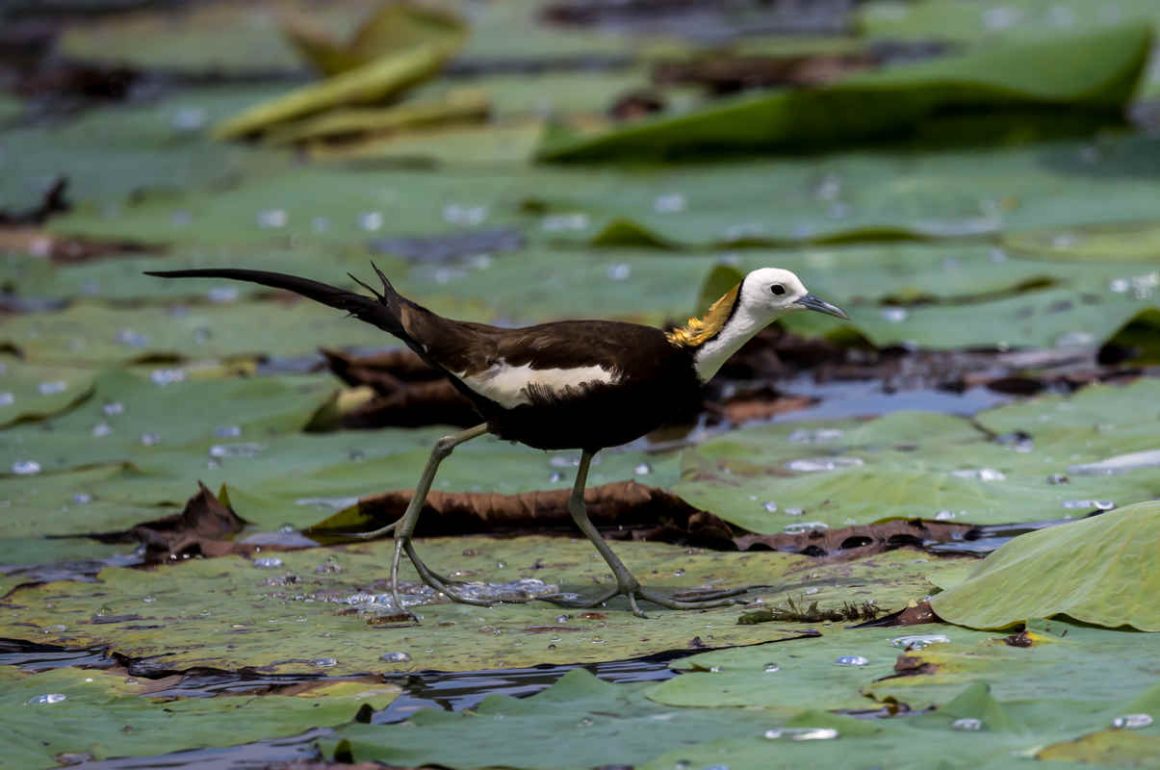
In Jacanas such as the Pheasant-tailed Jacana, the females are larger and more aggressive. Females defend territories that may contain several males. Each male builds a nest and – once the female has laid the eggs – incubates the eggs and subsequently raises the chicks. The females compete for males.

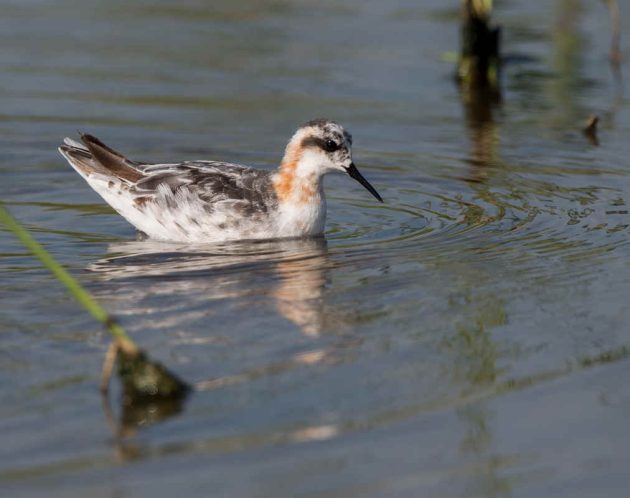
In Red-necked Phalaropes, the females are more brightly colored than the males, and they are the ones that court the males, not the other way around. Again, once the eggs are laid, the male incubates them and cares for the young while the female may seek another mate.
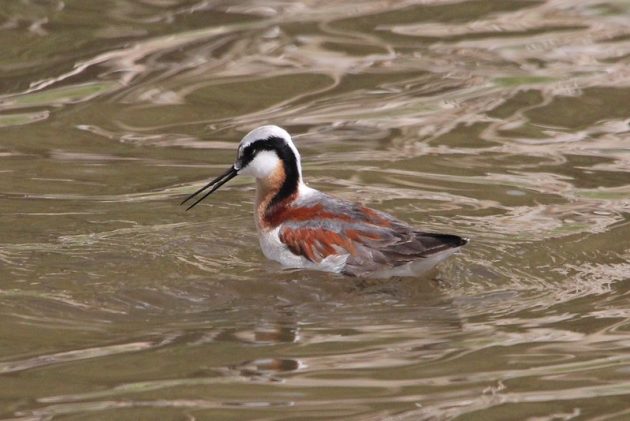
For Wilson’s Phalarope, the situation is quite similar.
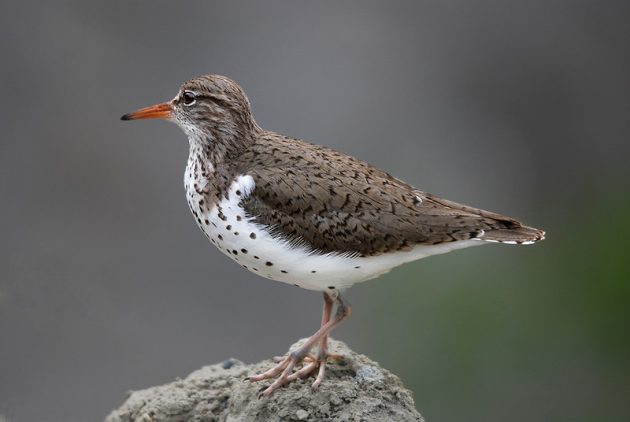
Finally, among Spotted Sandpipers, the females arrive on the breeding grounds first, establish a territory, and may then mate with several males. Each male then incubates and raises his own brood.
Why the role reversal?
The key is that the males are responsible for incubating and caring for the chicks. That makes them the limiting resource rather than the females – and the limiting resource is the one that becomes choosier. The females then need to compete for males, becoming larger, more colorful, or more aggressive.
Photo Credits:
“Spotted Sandpiper” by kdee64 is licensed under CC BY-NC-ND 2.0.
“Wilson’s Phalarope” by USFWS Mountain Prairie is licensed under CC BY 2.0.
Others by Kai Pflug















You wonder why this model isn’t more popular amongst birds…