

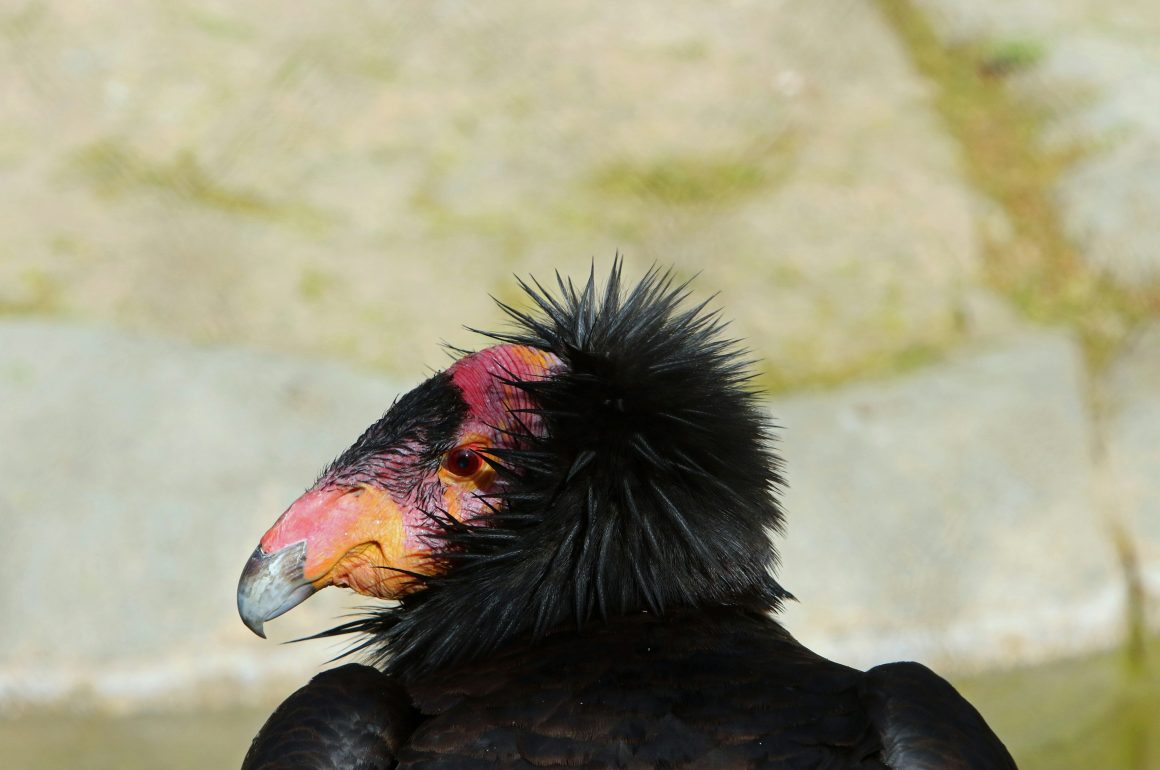
Decades of intensive conservation work brought the California Condor back from the brink of extinction, yet its recovery remains fragile. Despite all the effort, lead poisoning continues to kill wild Condors at an alarming rate and prevents the population from becoming truly self-sustaining. The path forward depends on continued monitoring, adopting non-lead ammunition and supporting conservation teams.
A Conservation Story of Incredible Success
When you look at where California Condors are today, it’s hard not to feel amazed. The population recently reached 607 individuals, with 392 flying free in the wild and 215 in captivity.
The 1980s brought a crisis that demanded dramatic action. In 1982, only 23 remained in the wild, and conservationists made the controversial decision to bring all of them into a captive breeding program. The gamble paid off when the first wild-fledged chick from the reintroduction program emerged in 2004, marking a pivotal moment in the comeback.
The recovery didn’t happen quickly, largely because California Condors face biological challenges that make population growth painfully slow. These birds don’t reproduce until they’re six years old, and even then, they typically raise only one chick every two years. Every new Condor represents years of careful management from conservation teams dedicated to bringing them back.
Since then, biologists have carefully reintroduced Condors to habitats across California, Arizona and Baja California. You can now spot these massive birds with their distinctive nine-foot wingspans soaring over the Grand Canyon, Big Sur and other wild landscapes where they once thrived.
The Persistent Threat Hiding in Plain Sight
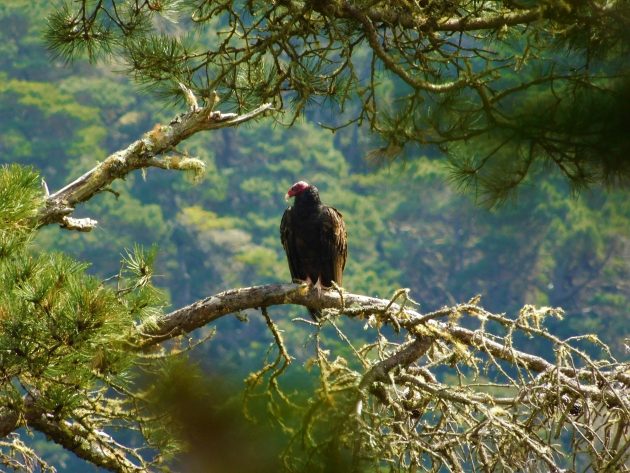
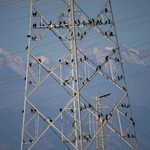
Photo by David Trinks on Unsplash
Lead poisoning is still the leading cause of death for wild Condors, and the problem extends far beyond this species. In Europe, lead ammunition kills over 1 million birds annually and causes sublethal poisoning in another over 3 million, making it a crisis for scavengers worldwide.
California Condors encounter lead when they feed on carcasses containing ammunition fragments left by hunters, and the physiological effects are devastating. Poisoned birds show severe lethargy and muscle wastage while losing their balance and coordination. When neurological damage sets in, it often causes leg paralysis that leaves these raptors unable to perch or walk. Many die slowly and painfully if they don’t receive treatment to remove lead from their bloodstream.
Intensive conservation efforts require constant wildlife monitoring, which involves tracking key indicators such as reproductive rates and overall animal health to identify environmental threats before they spiral out of control. Biologists regularly trap and test Condors for lead exposure, treating birds before poisoning becomes fatal. Without this ongoing intervention, the death toll would climb higher.
Why the Wild Population Still Isn’t Self-Sustaining
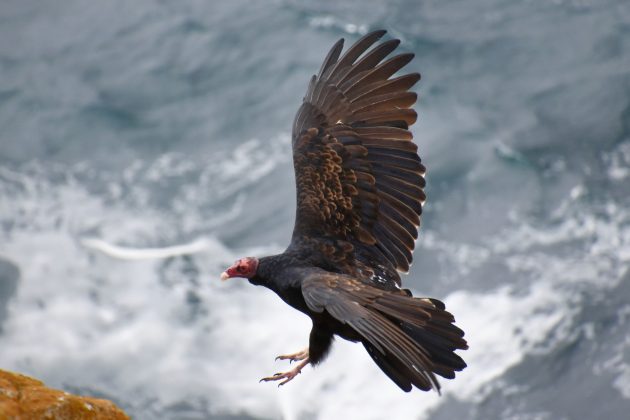
Photo by Jeffrey Eisen on Unsplash
Despite impressive numbers, wild populations can’t yet sustain themselves without constant human support. The U.S. Fish and Wildlife Service aims to recover two self-sustaining populations in geographically distinct areas, with each population needing at least 150 birds and 15 breeding pairs to be considered viable.
Because lead poisoning kills Condors faster than they can reproduce, conservationists must continuously release captive-bred birds into the wild to offset the losses. You’re essentially watching a species kept afloat by intensive management rather than thriving on its own.
Even though California banned lead ammunition for hunting in Condor range areas, the problem persists. Lead bullets fragment into hundreds of pieces when they strike an animal, which remain in gut piles and unretrieved carcasses that Condors scavenge. Even years after hunters stop using lead in an area, enough contaminated carrion remains to poison birds.
The Path to a Truly Sustainable Future
The 600-bird milestone proves that focused conservation can work miracles. Getting California Condors to self-sufficiency requires solving the lead problem at its source and maintaining the support systems that keep the population stable.
Overcoming the Ammunition Hurdle
Lead ammunition remains widely used despite the availability of safer alternatives, and the reasons are more complex than mere resistance to change. Research shows that non-lead ammunition is more expensive and less available than traditional options, with rural hunters struggling to find copper or steel ammunition locally.
Cultural factors also play a role, as ammunition choice connects to deeply held values about personal freedom and tradition for American hunters. Some question whether non-lead bullets perform as effectively, while age and gender can influence how hunters view the health implications of lead ammunition.
Solving this challenge requires making non-lead options more accessible and affordable while respecting hunting traditions. When hunters understand the direct connection between their ammunition choices and Condor survival, many willingly make the switch.
Empowering Conservation Efforts on the Ground
Conservation organizations need sustained funding to continue working to sustain Condor populations. These groups maintain captive breeding programs that serve as genetic reservoirs while monitoring wild birds for lead exposure and providing emergency treatment when poisoning occurs. Public outreach efforts also help hunters understand ammunition impacts and teach outdoor enthusiasts how to protect Condor habitat.
The monitoring and intervention programs that prevent population collapse require significant funding and trained personnel. Supporting these organizations strengthens the safety net that Condors depend on while conservationists work toward long-term solutions.
How You Can Contribute to the Comeback
Individual choices and actions strengthen the work that conservation groups do on the ground. You can contribute to Condor recovery in several ways:
- Support conservation organizations: Donate to groups like the Peregrine Fund and Ventana Wildlife Society to fund monitoring equipment and veterinary care.
- Spread awareness about non-lead ammunition: If you hunt, switch to copper or steel bullets and encourage other hunters to do the same.
- Practice responsible recreation: Pack out all trash when visiting a Condor habitat, as birds investigate anything that looks like food.
- Report Condor sightings: Your observations help biologists track individual birds and understand their movements.
Ensuring the Next Generation of Condors Can Soar
The California Condor recovery story shows what’s possible when conservationists refuse to give up on a species, yet the hardest work may still lie ahead. Future generations of these magnificent birds can only thrive independently once lead poisoning no longer stands as the primary threat to their survival.













Fascinating article: we don’t hear much about the condors on this side of the Atlantic. Lead ammunition is due to be phased out in the UK in the next couple of years, but there remains a great deal of resistance to the move. Whether countries like France and Spain will do the same remains to be seen; in France, chasseurs (hunters) have considerable political clout, so are likely to resist any such moves.
Thank you for this both sad and great update. I Denmark, where I live most lead ammunition for hunting has been prohibited for many years. Yet we still have some cases with especially White-tailed Eagles, being poisoned by lead. Often hunters actually enjoy the eagles and think they are doing the eagles a favor by leaving parts of deer and other animals in nature as food for the eagles, unaware that they are actually putting the eagles at risk. I hope my English is understandable 🙂
Lead ammunition has been banned from wetlands all over the EU but total bans are not in place everywhere yet. Small committed minorities can influence policy when the majority of people stay silent.