


The Urumqi Botanical Garden is not much of a botanical garden. Vast parts of it are dedicated to dubious amusements for humans, such as fishing for tiny little fish or buying commemorative items celebrating one’s own visit to the park. While there are plants (as indicated in the place name), my guess is that the variety of plants serving as ingredients at the restaurants in one part of the park is greater than that still alive inside the park.
Still, the entrance is free, the park has its own dedicated subway station (the city currently has the record for having the shortest subway system in mainland China), and what else is one going to do when having an afternoon to spare before starting a Xinjiang birding trip?
So, I went to the park despite the 37 or so degrees Celsius and despite it being kind of the worst hours of the day for birding – between about 2 pm and 4 pm local time (which given China’s peculiar system of having only one time zone makes it about 12 noon to 2 pm in “real” time, as Urumqi is far further West than Beijing, which probably is the location the China time zone is aimed at).
This meant I saw only about 7 species before giving up and returning to my hotel. Four of them were exactly the same as the ones easily observable in Shanghai.
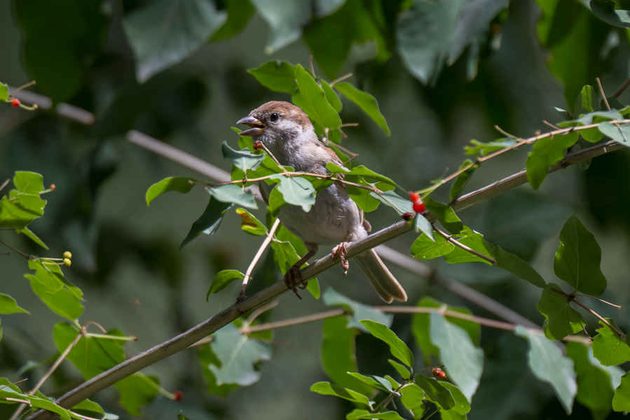
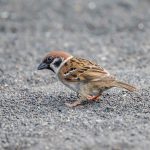
Unsurprisingly, one of them was the Eurasian Tree Sparrow …
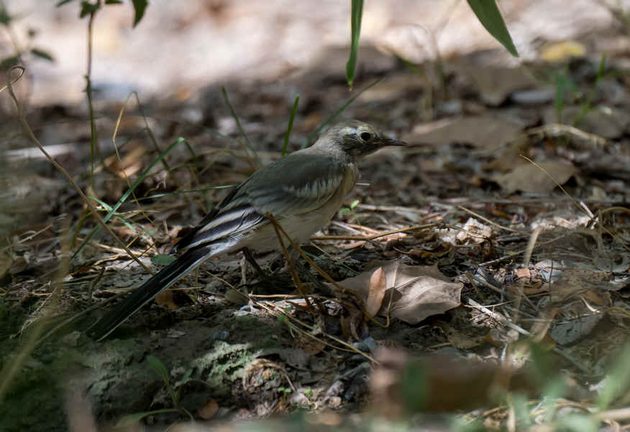
… another the White Wagtail.
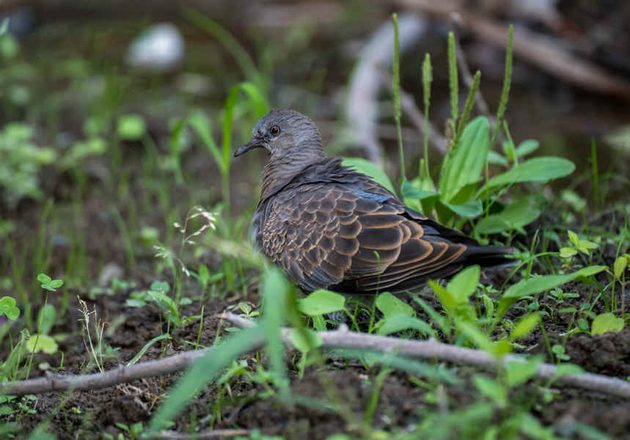
The turtle dove I saw could have been the European one, but I think this is the Oriental Turtle Dove (their range overlaps in this part of Xinjiang).
Seeing Azure-winged Magpies was a bit more surprising: Urumqi is well outside the species’ mapped range, although apparently not outside its actual range (there are several listings on eBird).
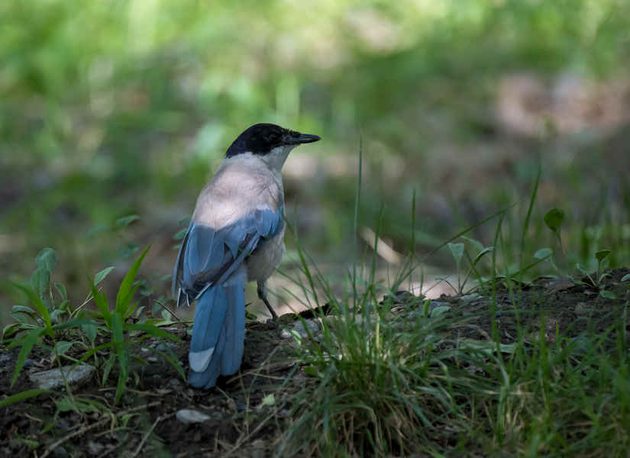
One study showed that adults of these magpies are aware of human gaze, while juveniles are not (source).
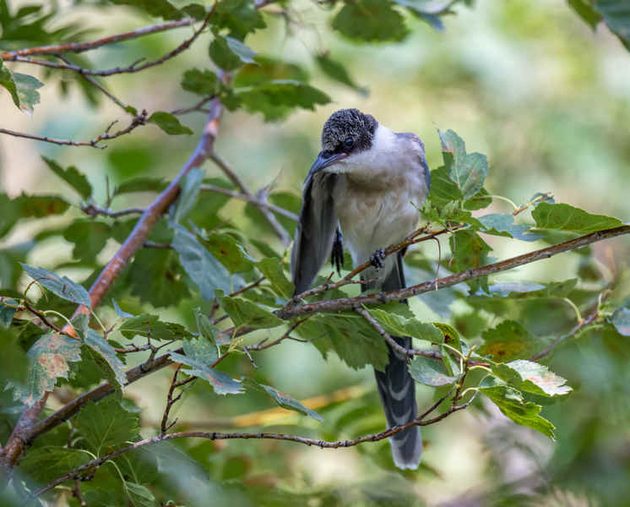
Another study showed that both adults and juveniles sometimes act as helpers for other breeding pairs – so one explanation for helping, which is only applicable to juveniles (that they learn from this), seems to be wrong or at least insufficient. That leaves the researchers a bit puzzled, which in scientific language is phrased as “the associated benefits of helping as opposed to simply recovering for future reproduction, especially for former breeders, deserve further study” (source).
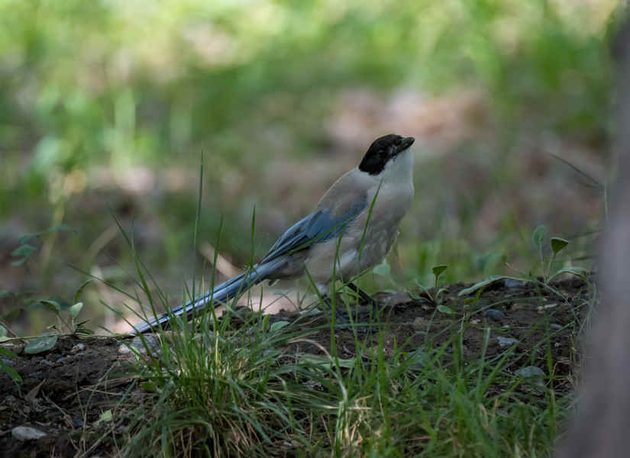
Yet another study on cooperative breeding found that helpers are more frequent in years with more severe weather and that helpers increase breeding success. The authors call helping in this species a “best-of-a-bad-job” strategy utilized by individuals with low prospects of breeding success, or with high costs associated.
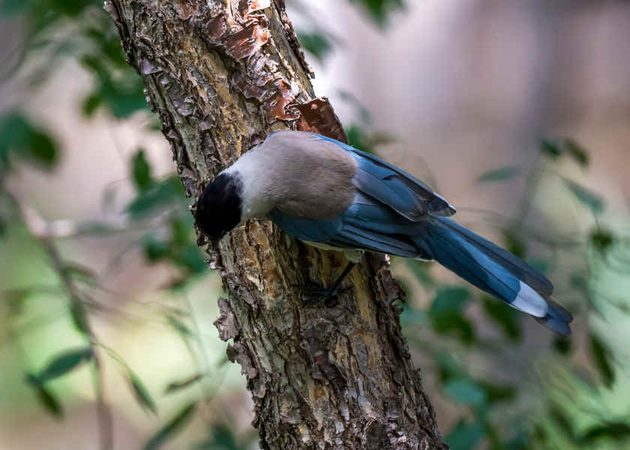
As an introvert and a bit of a loner, the term “Proactive prosociality” has a negative ring to me. Yet, this is what has been observed in Azure-winged Magpies – they delivered food to their group members at high rates, and without any cues provided by others (source).
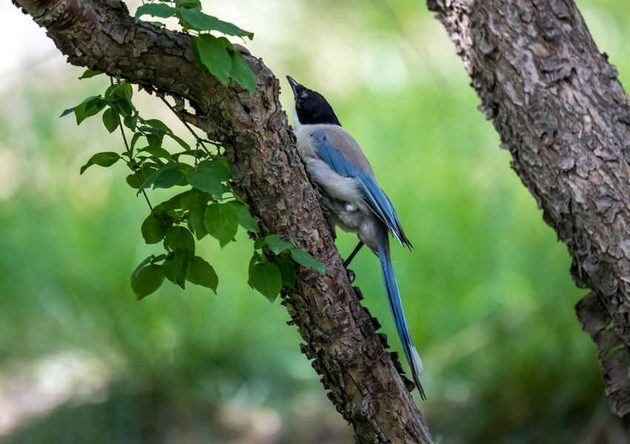
And as a cat lover, I find it interesting that Azure-winged Magpies have different reactions to three models (pigeon, falcon, and cat) – and that the cat model is the one perceived to be the highest risk (source). I guess I need to keep buying cat food then.
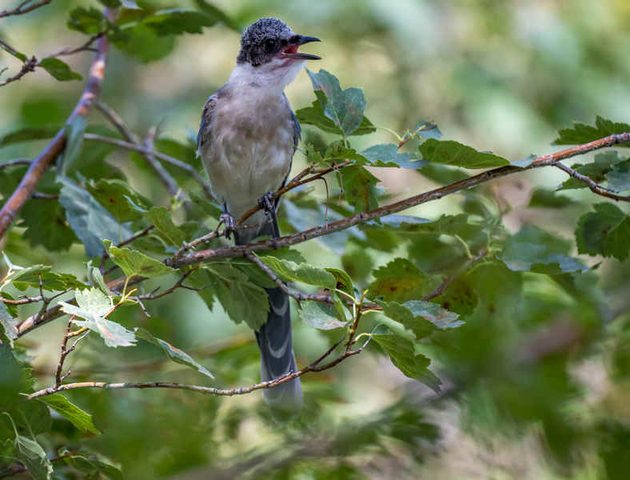
The other three were species I do not get to see in Shanghai – and yet, they were disappointing. Why?
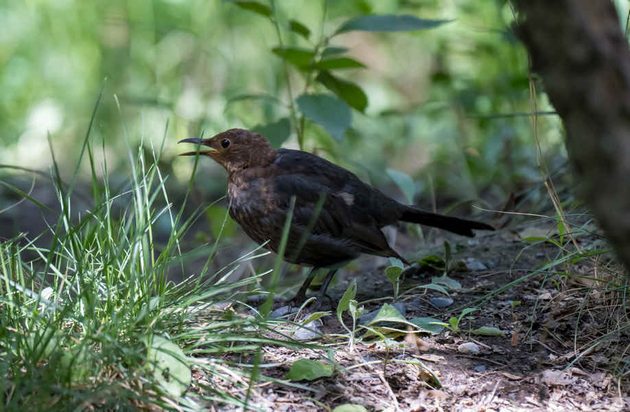
To me, the Common Blackbird looks like the Oriental Blackbird.
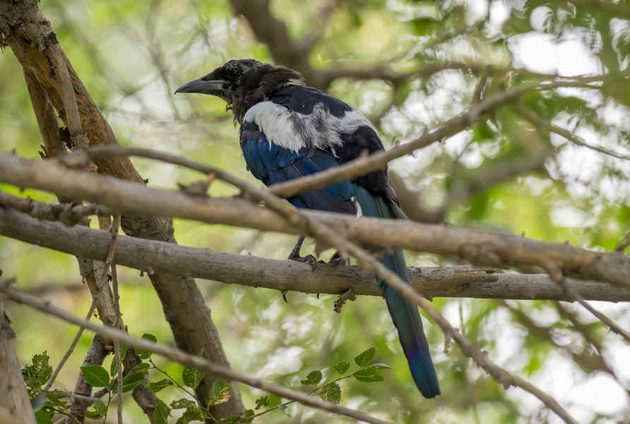
To me, the Eurasian Magpie looks like the Oriental Magpie.
To me, the Great Tit looks like the Asian Tit.
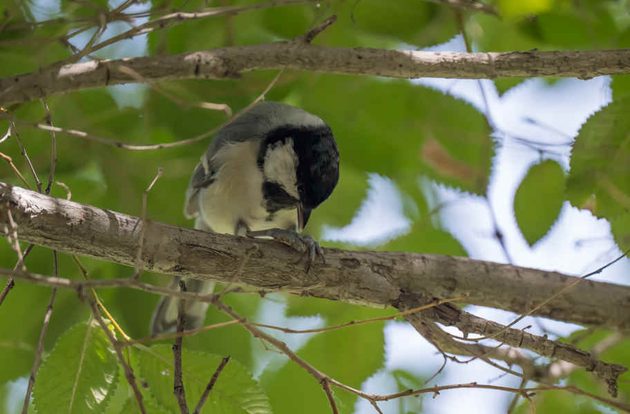
Only the location tells me that these three are different species.
I guess this is one of the hazards of birding: you can travel thousands of kilometers and find that evolution is not always very imaginative.
The naming of the park is quite imaginative, though.
Photo: Some street scenes in Urumqi are more reminiscent of Kabul than Shanghai – not surprising, as the flight distance to the former is far shorter than to the latter (3 hours versus 5 hours).










The birds look all very ragged after the breeding season – I am sure the “disappointing birds” will bring more sparkle in April.
Really enjoyed this post. It’s interesting how even a short afternoon visit can reveal such a mix of familiar and unexpected species. The Azure-winged Magpies were especially interesting — it’s a good reminder that actual bird ranges don’t always match the maps perfectly. Thanks for sharing the observations from Urumqi!