


Attentive readers of my posts know that I have been to the Maasvlakte before. That trip ended with a very sore bum, a futile request for information about the Dutch royal family and a good list of birds.
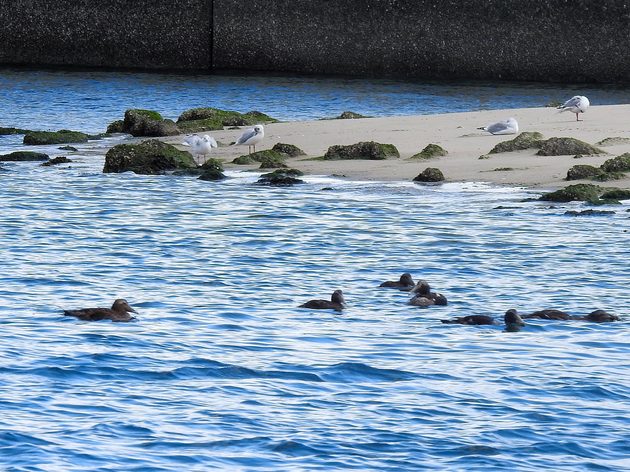
Life’s inevitable progress doesn’t make me younger, so sparing my buttocks further agony I successfully researched transport options to get to the Maasvlakte. Just in time for this post I caught one of the season’s last ferries out of Hoek van Holland directly to the Maasvlakte. This ferry runs in the summer months and the first boat sets sail at 10:00 hrs. Generally speaking, quite useless for birding. The ferry is being run by volunteers, people with their heart in the right place, but they are not freaks like birders. Pre-dawn rising just isn’t on the books. However, when life gives you lemons make limoncello, so I loaded my dog, binoculars, raincoat and a packed lunch on to my bicycle and got on the metro to Hoek van Holland. Only thirty minutes later I reached the Berghaven, the port from which the ferry leaves. I paid the ferryman and we left for the Maasvlakte. A roaring tide, almost six nautical miles distance and the busiest shipping this side of China make for an hour crossing. Throw in hundreds of Great Cormorant, Eurasian Oystercatchers, six gull species (Little Gull!) and several floats of Common Eider and you know you will have a nice day. Of course, that’s also the exact moment the rain starts coming down in buckets.
Why am I so keen to get to this desolate industrial landscape? The answer will not come as a surprise: birds. Sticking far into the North Sea the man-made peninsula is home to several birding hotspots. Migration is the star attraction at this time of year. Having checked out the sightings I had decided to find myself some Northern Wheatear, do some sea-watching and just see whatever else would appear. The ferry docks more or less at the point that I got to last time, so I turned right and cycled to the northwest. While I didn’t stop for long, the hotspot Trektelpost Maasvlakte 2 is a popular place for sea-watching. Official migration counts take place here so there is always a good chance very knowledgeable people with excellent vision and determination skills are present. My experience with sea-watching is that most birds appear in the early hours and by the time I got there it was very quiet at sea. Definitely a place to go to by car, I’m afraid.
Luzerneveld lies a few kilometres further east. It is a barren piece of land, with some scattered bushes and lots of flowering plants. I tried in vain to find information on the background of this area as it seemed more a botanical reserve than a bird reserve. It is an excellent area for rare birds and vagrants during the autumn migration period. I wanted to see Northern Wheatear and with luck, Whinchat. Success rate: 50%, with three Wheatears showing their eponymous “white arses”. If you thought their name was due to some grain sticking out of their hearing organs, well, consider yourself rudely re-educated. I also spotted the yarrellii subspecies of the White Wagtail walking among the low vegetation. Apart from what seems to be an exaggerated numbers of identical letters in its name, nothing too exciting, especially when considering that this location has hosted every other Eurasian member of the pipit family. Already regretting the tight schedule I had forced upon myself by picking the ferry trip, I cycled quickly to the next stop.
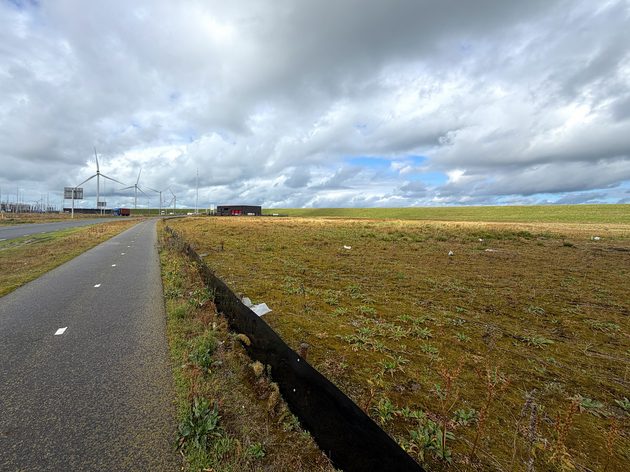
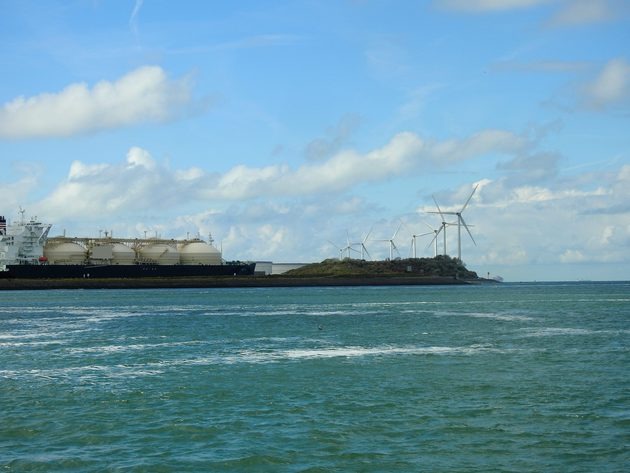
Nieuwe Stuifdijk is an artificial dune overlooking the beginning of the shipping canal into Rotterdam. The dune is covered with shrubs and other vegetation. The high vantage point offers sea viewing (Long-tailed Jaeger, Leach’s Storm Petrel, Northern Fulmar, all possible gull species and European Shag for example) while the dune itself can provide a temporary home for Common Rosefinch, Lesser Whitethroat and Garden Warbler. You can get chips, sandwiches and coffee at a shack nearby, so this place caters for anyone spending a whole day in the area. I, on the other hand, had to cycle back like a maniac to catch the ferry back home.
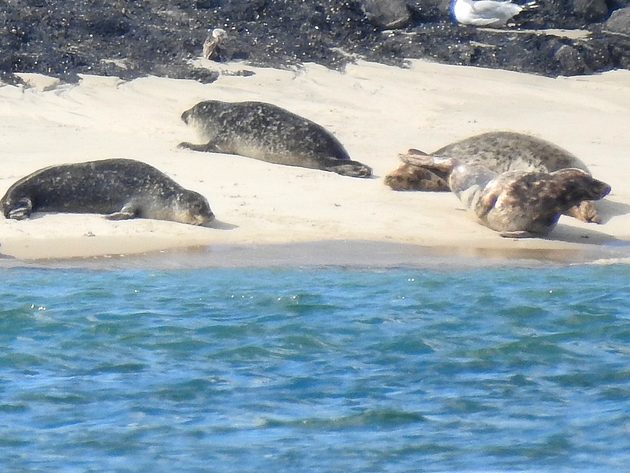
Contemplating the day on the ferry deck, I decided that the Maasvlakte is a destination for car-based birding, but for birdwatching or just having a few hours on the beach, the ferry is not a bad option. Nothing wrong with seeing both the Common Seal and the Grey Seal on one beach.









Leave a Comment