

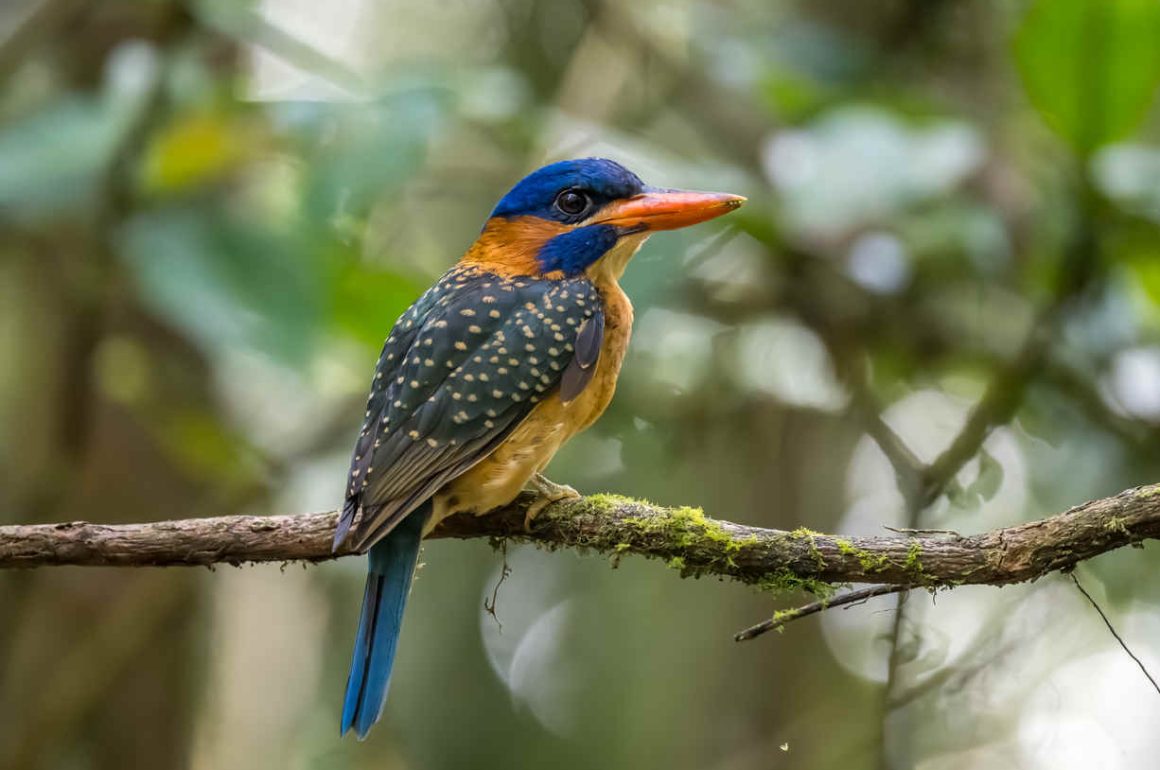
This is one of the many magical tropical kingfishers of South-east Asia, and the reason why many US birders are suicidal, given their own lack of such species.
Here is my usual “not much scientific information on the bird, so I will ramble on about its scientific name instead” bit that takes up space in many of my posts. So, what about those Actenoides hombroni?
Actenoides comes from aktis, aktinos, indicating brightness and splendour. Rather less inspiring, the hombroni commemorates one Surgeon-Maj. Jacques Bernard Hombron (1798-1852), a surgeon in the French Navy who was also active as a naturalist in the Pacific from 1837 to 1840 (HBW). Strangely, Wikipedia states that during the same period of 1837-1840, he served on a French voyage to investigate the perimeter of Antarctica. I guess this could still mean the Pacific, but it seems like a strange way to put it that way. Hmm.
Unfortunately, my nagging question to ChatGPT did not yield any interesting results:
“Is there any negative/scandalous information on Jacques Bernard Hombron?“
“Most historical sources present him as a respected scientist; nothing in the standard biographies or historical accounts suggests misconduct, scandal, or controversy. His reputation seems entirely scholarly.”
I sometimes feel that the entertainment value of modern AI is overrated.
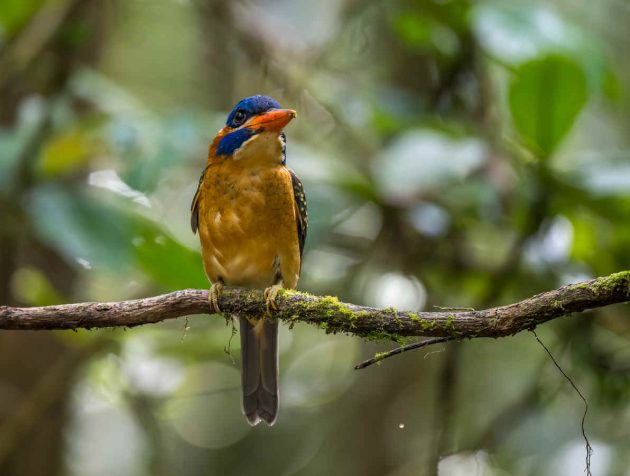
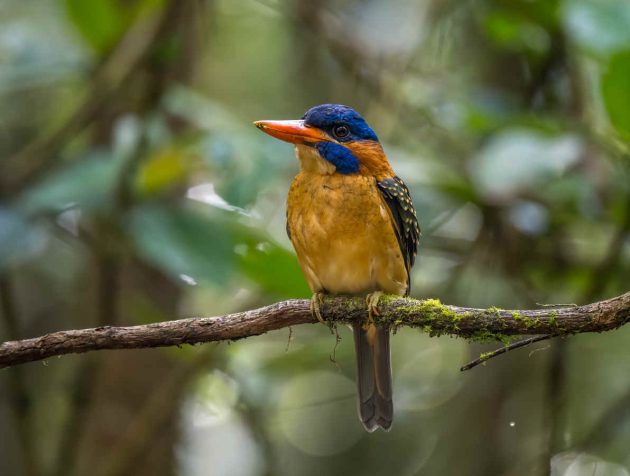
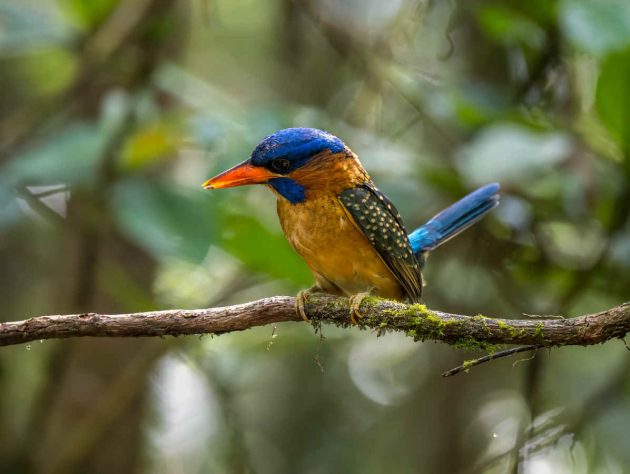
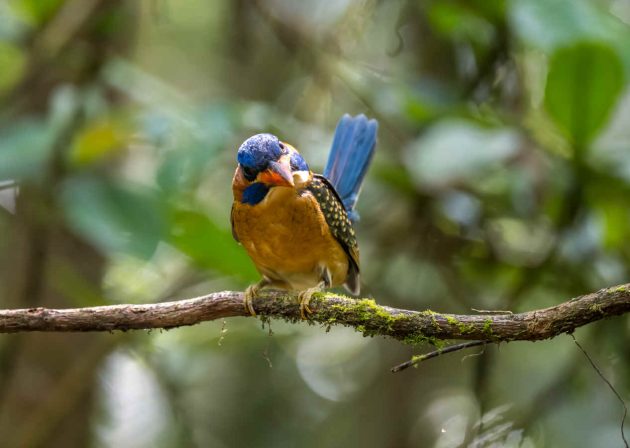
And now for something completely different: The Blue-capped Kingfisher. It is a sexually dimorphic bird – the female is obviously less fond of blue than the male.
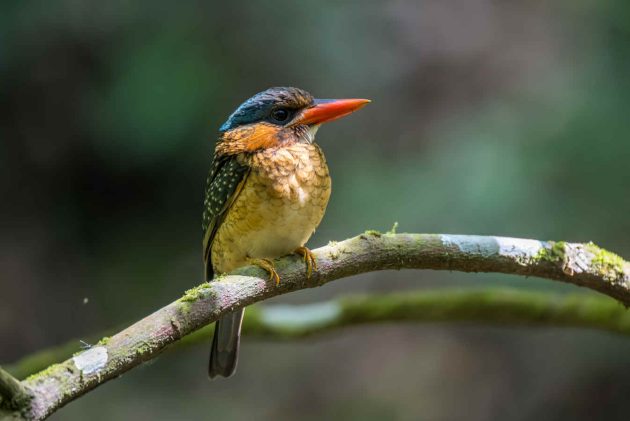
While listed as Least Concern, it is restricted to only one island of the Philippines (Mindanao). And the situation may worsen, as the HBW states: “Total population estimated at up to 10,000 individuals, but declining rapidly.”
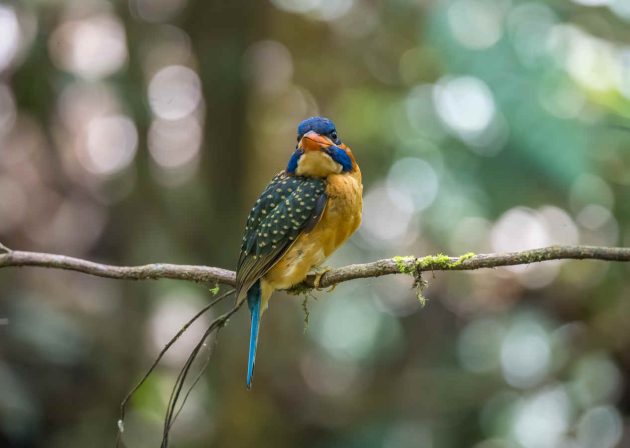
Why? Well, see my recent post on the Philippine Eagle, or this bit on the kingfisher from the HBW: “Main threats are continuing deforestation, especially at elevations below c. 1200 m; even within legally protected Mt Kitanglad Natural Park (a stronghold for the species) all forest below 1200 m has been felled, and agricultural encroachment and illegal logging continue here and within other protected areas”.
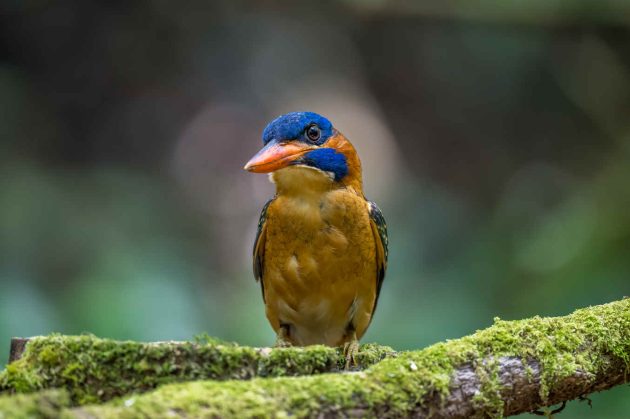
Genetics are not really on the side of the species either, as found in DNA tests: “Results suggested that there is a considerable low genetic diversity that existed within the population” (source).
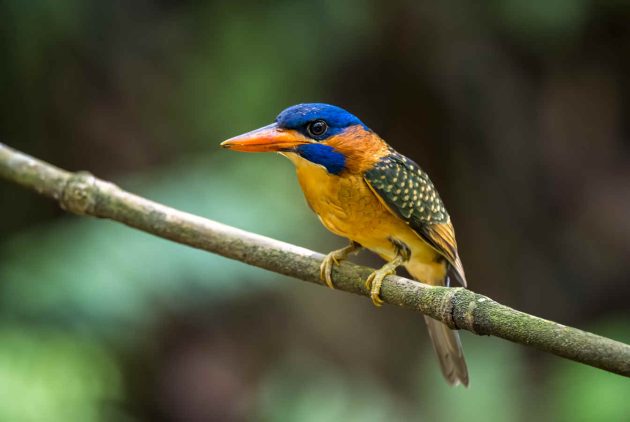
Well then. Cry if you still have tears left (ok, you are right, too dramatic).









What a stunner!