

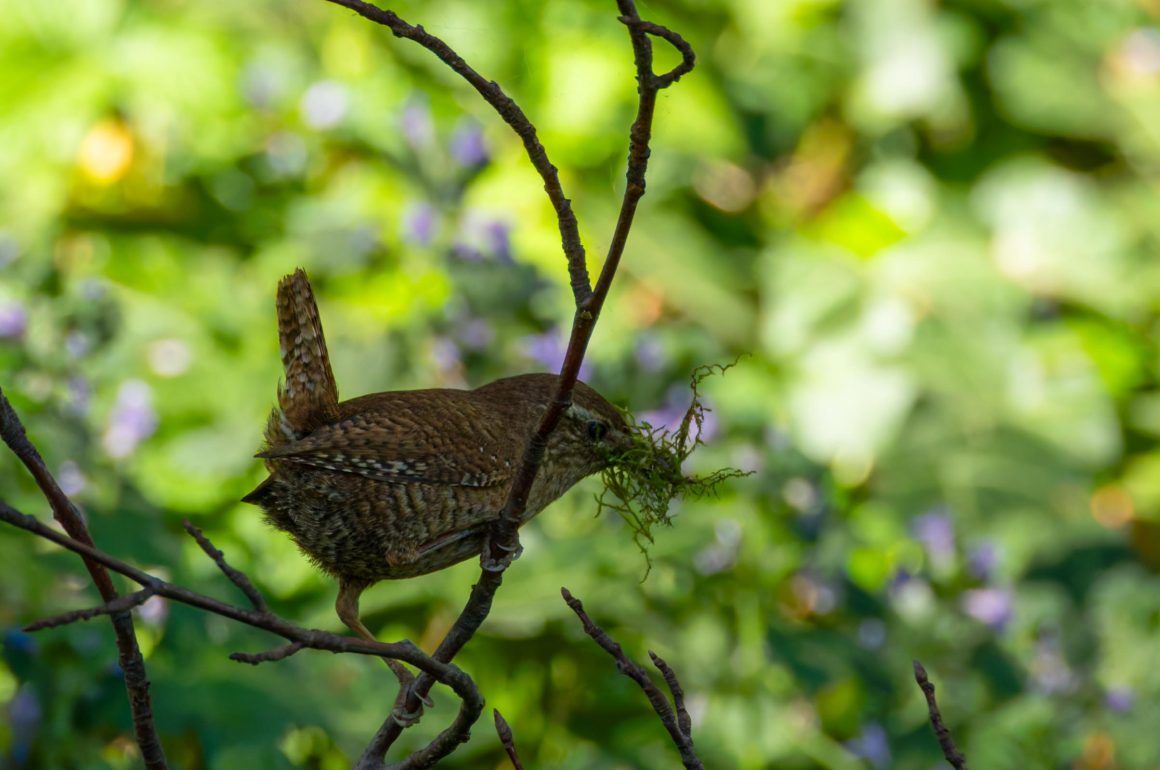
A few days ago in Switzerland, I was out early, camera ready, expecting one of those mornings where everything just works.
It didn’t.
I walked for a while, stopping now and then, looking around. A bird here, another there, nothing that really held my attention. Did I pick the wrong spot, wrong time, maybe both?
I am still fairly new to this. Only a few years in, still figuring it out. And when I think about it properly, these slower days are not random. They tend to follow a pattern, the same habits, the same mistakes.
Here are a few I still catch myself making, more often than I would like, even on my “good days”.
The first one is always looking high up in the trees.
I do not know why, but I got it into my head early on that the action is always in the canopy. So there I am, head tilted back, scanning the tops of trees like something amazing is about to appear.
Meanwhile, the real action is often right in front of me around eye level.
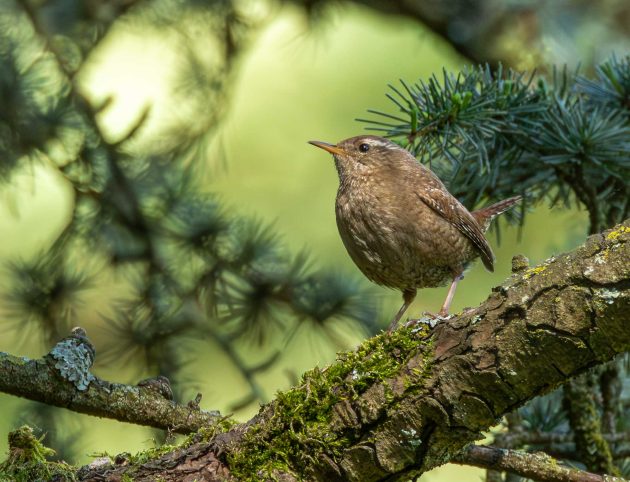
Birds moving through the bushes, hopping along the ground, sitting low and quiet, and I am missing all of it because I am staring above them. Learning to look lower as well, increases the odds of spotting a bird or two.
The second mistake is moving too quickly and not giving an area time.
I used to treat birding like a search, always thinking the next spot would be better. Keep moving, check ahead, cover more ground. Even when I stopped, I never really stayed. A minute or two, nothing happens, and I am off again.
But birds do not work like that.
What I have started to notice is that things only begin to happen when I slow down and give a place a chance. The surroundings settle, the birds come back out, and suddenly there is movement where just minutes before there was nothing.
It sounds simple, but it takes patience, and I am still working on it.
The third mistake is trying to listen to everything at once.
At the beginning, I was overwhelmed by sound. Birds calling from every direction, different tones, different rhythm, and I was trying to follow all of it. The result was I ended up following nothing.
Now, I try to simplify it.
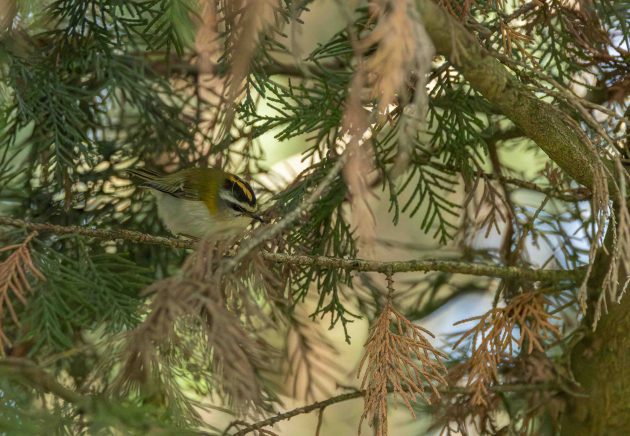
I pick one call and stick with it. Just one. I focus on where it is coming from and then I follow a simple sequence: sound, then movement, then colour, and only then the bird itself.
Before, I was trying to jump straight to seeing the bird, which rarely works (for me at least). Now I look for the smallest movement in the direction of the call, a flicker, a shift, something that breaks the pattern. Once I catch that, the rest more often than not, starts to fall into place.
I still have a long way to go when it comes to identifying sounds but I am enjoying the learning process.
The fourth mistake is always hoping for something better.
You see a “common bird“ and instead of really watching it, you think, “I have seen that,” and move on. You are waiting for something more interesting.
The problem is, while you are waiting, you are not really paying attention.
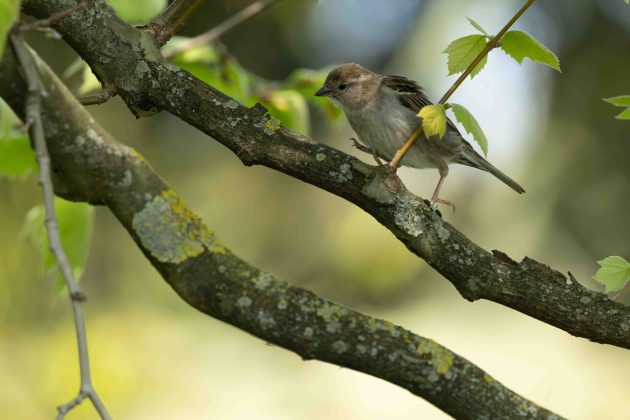
I have started trying to treat every bird like it is worth a second look. And honestly, that’s made the biggest difference. Not just in what I see, but in how much I enjoy it.
My fifth mistake, and one I did not really think about at first, was birding with non-birders and expecting it to work the same way.
There is nothing wrong with sharing a walk with friends or family, but birding moves at a different pace. You stop often, you listen, you wait, sometimes for longer than makes sense to anyone else. When I tried to mix the two, I ended up doing neither properly. I was either rushing to keep up or feeling like I was holding people back.
Now I treat those as different things. If I am birding, I am birding. If I am out for a walk with others, I enjoy it for what it is.
These are not the only mistakes I make, but they are the ones that seem to take the most away from my birding experience. The frustrating part is that I know better. The encouraging part is that I also know they can be improved.
Some days I get it right. Other days I fall straight back into the same habits. But I suppose that is all part of it, learning as I go, one outing at a time.
Note: Please do share in the comments any additional mistakes you may have made. Hopefully it will be useful to others trying to improve their birding.



Great food for thought, I am guilty of being impatient at times (even though I know stopping and being still for a bit will bring all living things back to their own rhythm).
Great thoughts