

Evolution produces successful behaviour. This should not be confused with good advice.
Common Cuckoo — Avoid responsibility
The Common Cuckoo lays its eggs in the nests of other birds, leaving the hosts to incubate the egg and raise the chick, frequently at considerable cost to their own offspring. It is an impressive system, particularly from the cuckoo’s point of view.
Magnificent Frigatebird — Steal from colleagues
Magnificent Frigatebirds sometimes harass other seabirds until they drop or regurgitate their food, which the frigatebirds then take. Biologists call this kleptoparasitism, presumably because stealing lunch from your colleagues sounds insufficiently scientific.
Bowerbird — Concentrate entirely on appearances
Male bowerbirds build and decorate elaborate structures to impress females, sometimes carefully arranging objects according to colour, size and other aesthetic criteria. Substance is important, but some species seem to have concluded that arranging blue objects is close enough.
Killdeer — Fake an injury when things get difficult
When a predator approaches its nest or chicks, a Killdeer may perform a broken-wing display, dragging one wing and appearing injured to lure the threat away. Once the predator has been led far enough from the nest, the supposedly injured bird suddenly recovers and flies away. This approach is probably less effective in most office environments.
Shoebill — Stand motionless and look hostile
Shoebills hunt by standing almost completely motionless for long periods, waiting for suitable prey to come within reach. Their enormous bills and permanently disapproving expressions make this look less like patience and more like a deliberate technique.
Adélie Penguin — Steal building materials from your neighbours
Adélie Penguins build nests from stones, a valuable commodity in a large breeding colony. Rather than finding their own, some penguins steal stones from neighbouring nests, sometimes while the owner is briefly distracted. Home improvement is much cheaper when your neighbours have already bought the materials.
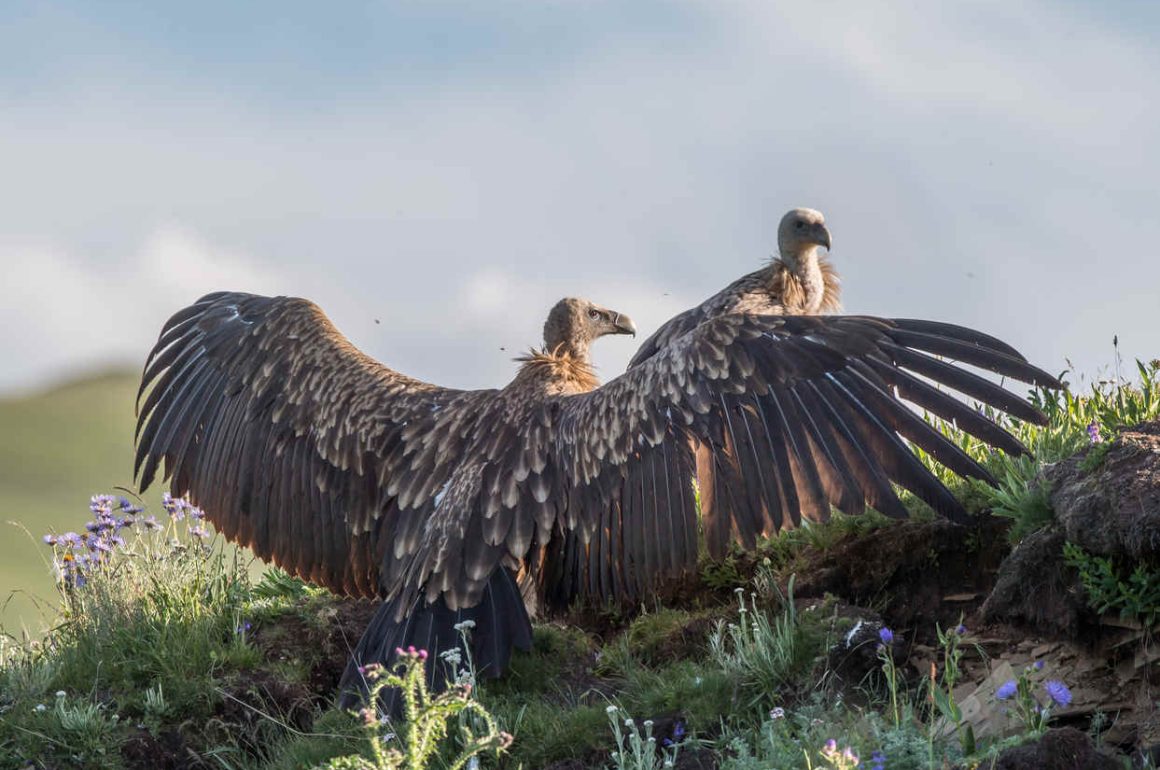
Vulture — Wait for someone else to fail
Many vultures survive largely or entirely by eating carrion. This is ecologically valuable, highly efficient and, from a human career perspective, perhaps not the attitude you want from a mentor or colleague.
Photo: Himalayan Vulture, Ruoergai area, China, July 2021



Leave a Comment