
Which bird species do you think is the biggest attraction to visitors of your lodge?
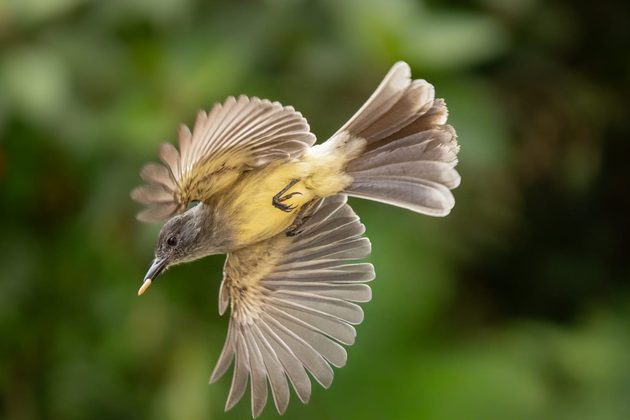
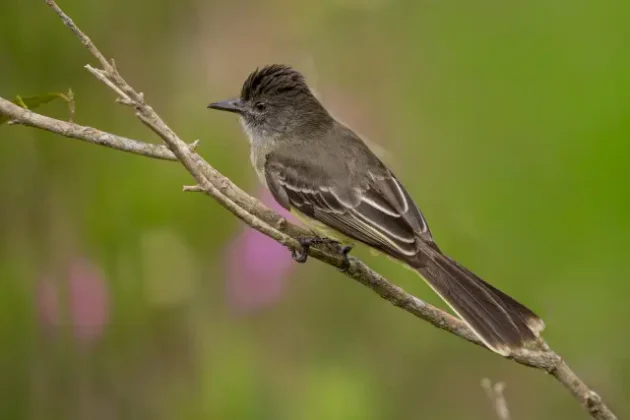
The Apical Flycatcher (Myiarchus apicalis), a Colombian endemic we affectionately call “Caleño.” Ours is, as far as we know, the only individual of this species anywhere in the world that feeds from the hand — remarkable for a flycatcher, a family that catches insects on the wing and has no natural reason to approach people. I
What is the name of your lodge, and since when has your lodge been operating?
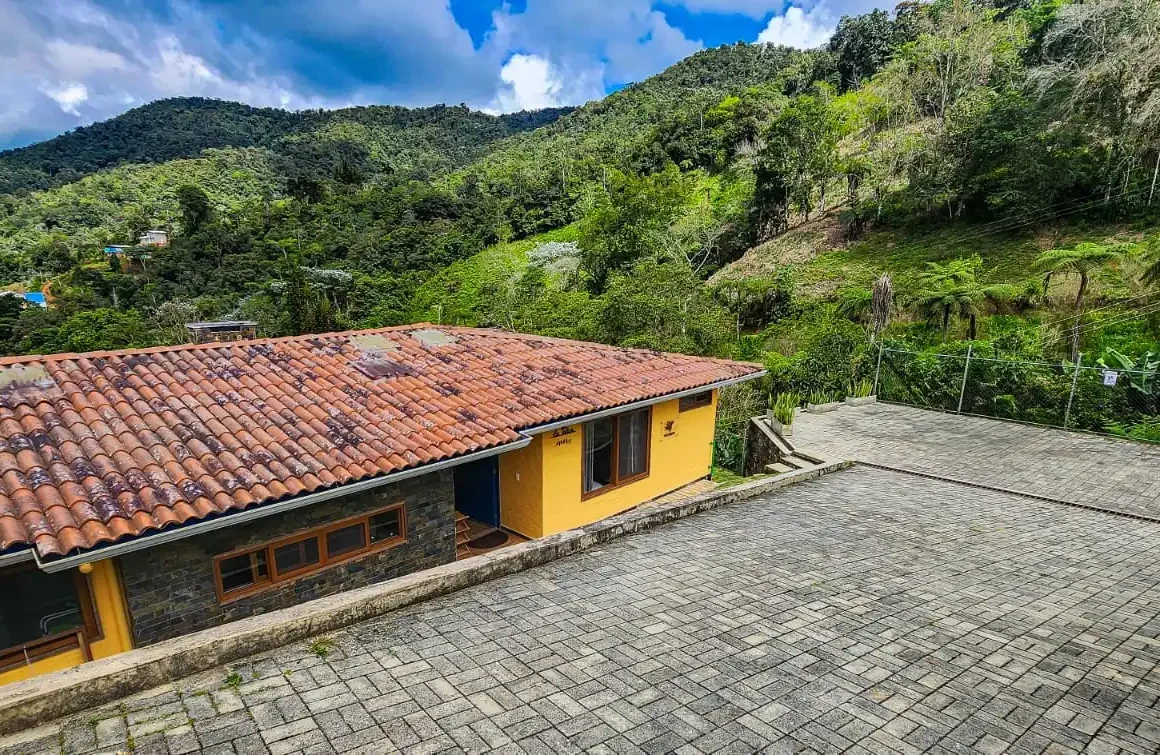
Yotoco Lodge — our tagline is “Western Andes Birding Basecamp.” The name of our lodge is a tribute—a profound recognition of our ancestors and the first inhabitants of these mountains: the Yotoco Culture. As one of the most brilliant and complex archaeological periods of the great Calima Culture. Yotoco Lodge is a young lodge, recently established (it opened in January 2026), though I have personally been guiding birders in this region for 15 years under the Piculet Birding name.
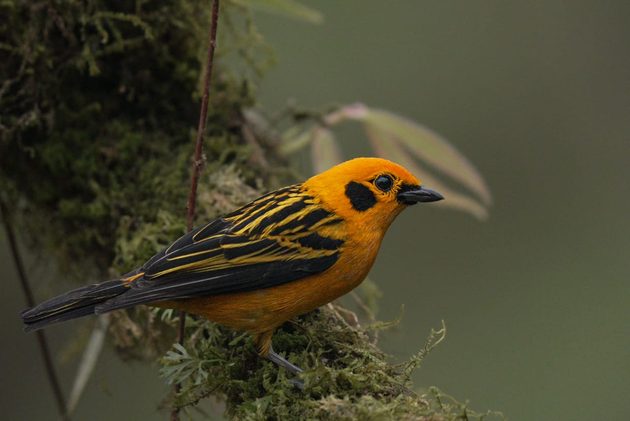
Golden Tanager
How best to travel to your lodge?
Fly into Cali (Alfonso Bonilla Aragán International Airport, code CLO), which has good domestic and international connections. From there, the lodge is a manageable drive away (1:30 hr.), at Km 26 on the old Cali–Buenaventura road, in the municipality of Dagua, Valle del Cauca. We arrange airport pick-up and all ground transport for our guests, so there is no need to rent a car or navigate the mountain roads yourself.
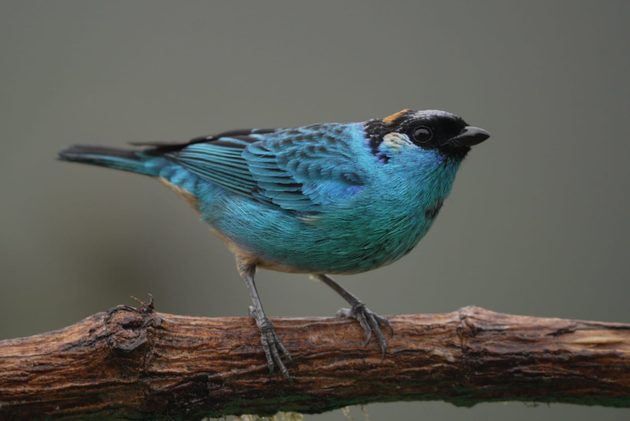
Golden-naped Tanager
What kind of services – except for accommodation and food – does your lodge offer to visiting birders?
- Expert local guiding in English and Spanish (15 years of experience in this exact region).
- On-site bird feeders (Apical Flycatcher, Green /Inca Jay, Whiskered Wren z
- Reliable ground transport and airport transfers.
- Fully-inclusive day trips to the region’s hotspots, with reserve entries arranged.
- Help planning a target-species itinerary tailored to each guest.
- We are birder-exclusive and capped at 10 guests, which means quiet nights, early breakfasts, and a pace built entirely around the birds.
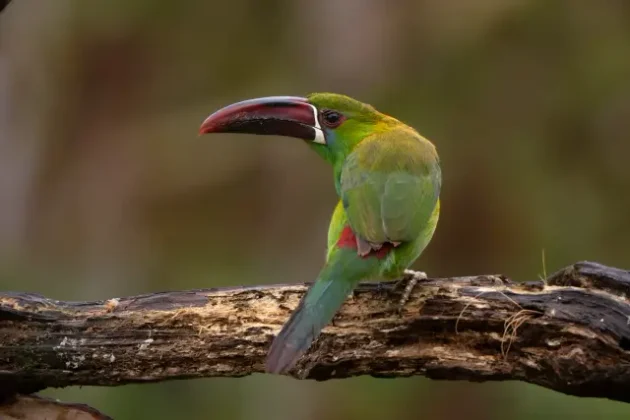
Crimson-rumped Toucanet
What makes your lodge special?
Four things above all.
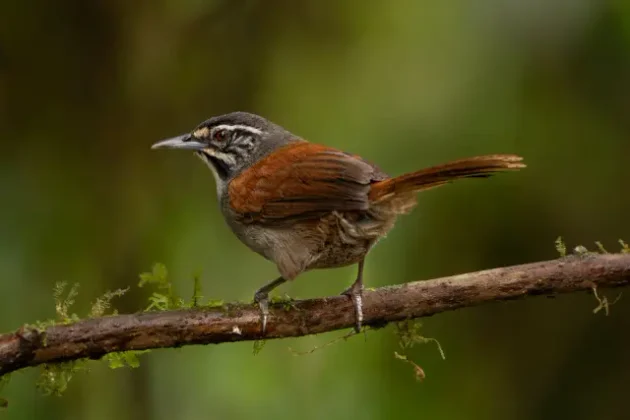
- First, our two world-class feeder exclusives: the hand-feeding Apical Flycatcher and one of the only reliable Whiskered Wren (Pheugopedius mystacalis) feeding stations anywhere — a notorious skulker brought into the open.
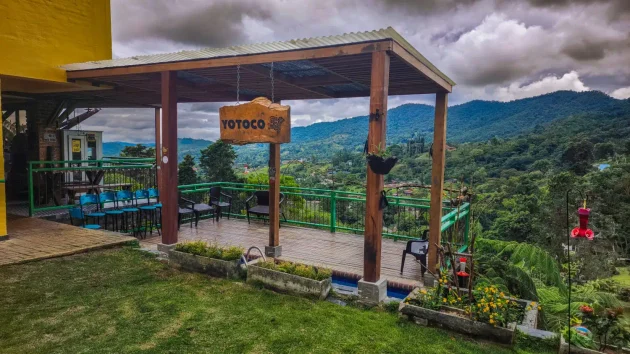
- Second, our location. The lodge sits centrally at Km 26, at the hinge of a remarkable elevation gradient, so guests can bird an enormous range of habitats — from around 200 to 2,000 m — as day trips from a single base, without changing hotels. And we offer all of this in a personal, birder-first way, without the cost of a large tour operator.
- Third is the overall atmosphere and vibe of the Lodge. We are deeply committed to maintaining a warm and welcoming environment for our guests. A perfect example of this is our living room fireplace, where visitors often gather in the evenings to complete their checklists. This setting creates an inviting ambiance that encourages meaningful conversation. Furthermore, our dedicated staff provides exceptional service, and all our guest communications are thoughtfully designed to promote an environment of empathy and mutual respect among everyone at the Lodge
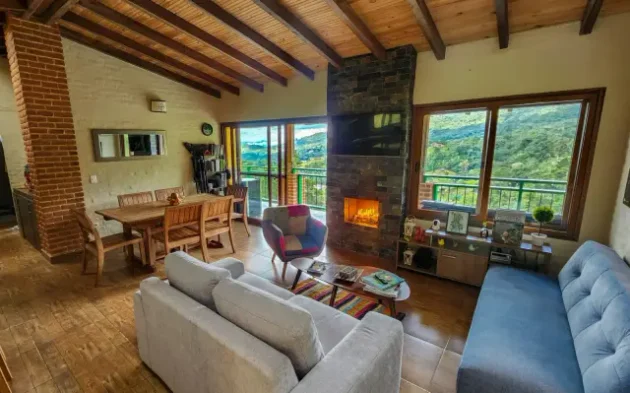
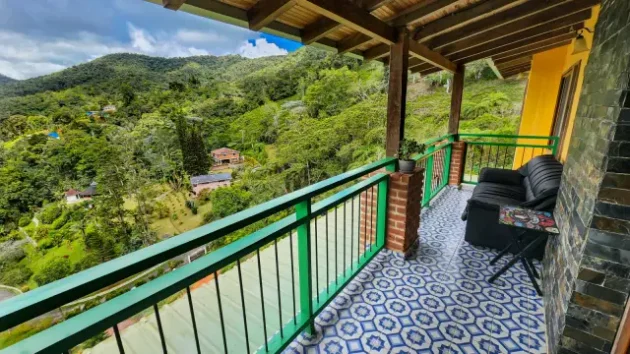
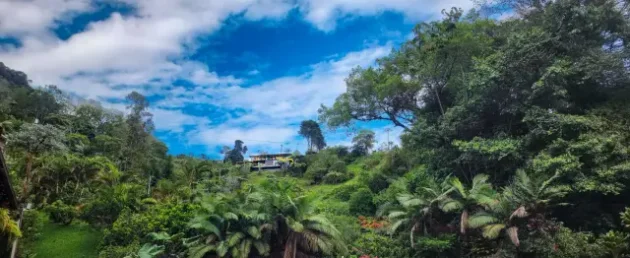
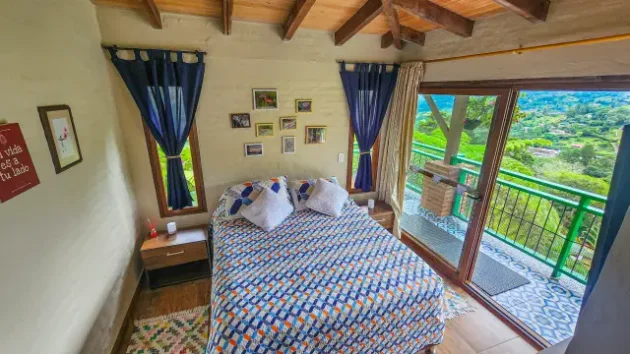
- Fourth is the spectacular view from our mountain-perched balcony, looking out over the San Antonio cloud forest. Our guests love witnessing the mornings and afternoons beautifully bathed in mist and golden sunlight.
What are the 10 – 20 most interesting birds that your lodge offers good chances to see?
These span the hotspots we visit from the lodge (a few, like the Multicolored Tanager, are seen at the famous Km 18 feeders rather than at the lodge itself):
- Apical Flycatcher (“Caleño”) — hand-feeding, at the lodge
- Whiskered Wren — at our feeding station, at the lodge
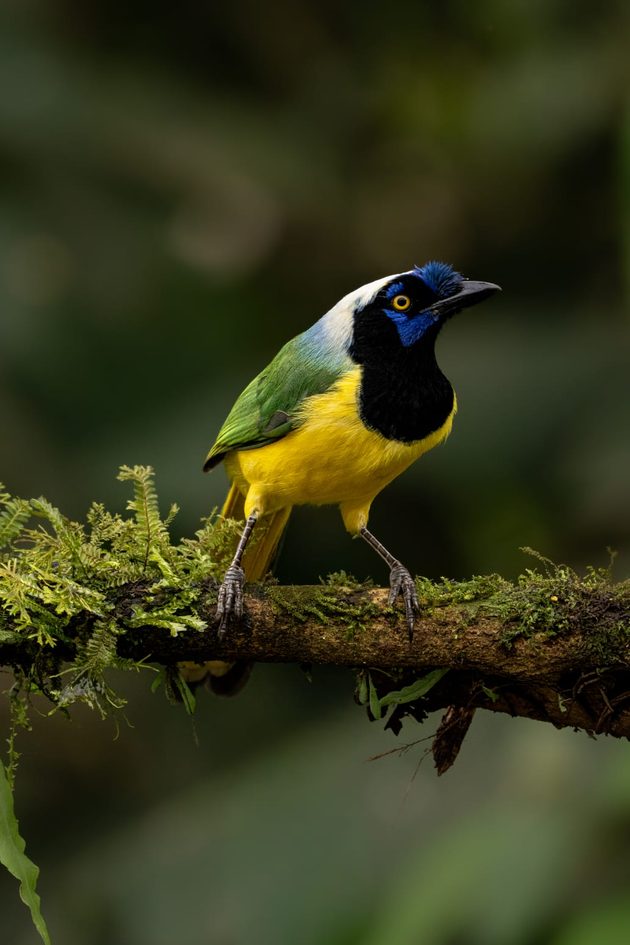
- Green(Inca) Jay— at our feeders, at the lodge
- Golden-napped Tanager— at our feeders, at the lodge
- Black-capped Tanager— at our feeders, at the lodge
- Multicolored Tanager (a dazzling Colombian endemic) — at Km 18 & Rio Bravo (20min from the Lodge)
- Toucan Barbet — at Doña Dora (40min from the Lodge)
- Plain-backed Antpitta (“Dorita,” habituated) — at Doña Dora (40min from the Lodge)
- Andean Cock-of-the-Rock (at a lek) —at Doña Dora (40min from the Lodge)
- Chestnut Wood-Quail — at Km 18 (20min from the Lodge)
- Crimson-rumped Toucanet — at Km 18 feeders (20min from the Lodge)
- Booted Racket-tail (hummingbird) — at Km 18 (20min from the Lodge)
- Velvet-purple Coronet and Empress Brilliant — at Doña Dora (40min from the Lodge)
- Violet-tailed Sylph — Pacific slope (40min from the Lodge)
- Glistening-green Tanager — at Doña Dora (40min from the Lodge)
- Ruby-topaz Hummingbird — in the dry enclave at Atuncela (45 min from the Lodge)
- Five-colored Barbet and Chocó Toucan — lowland rainforest at San Cipriano (1:20hr. from the Lodge)
- Horned Screamer — at the Laguna de Sonso wetland ( 2hrs. from the Lodge)
- Rufous-breasted Anttrush– at Rio Bravo (1:20hr. from the Lodge)
- Parker’s Antbird – at Doña Dora and Rio Bravo (40min from the Lodge)
- Chestnut-crowned Gnateater –At Yotoco Forest Reserve and Suee Birding (1:30hr. from the Lodge)
Green(Inca) Jay
Note: these are wild birds at feeders and in the field, so sightings vary with season, weather, and the day — but the region concentrates an extraordinary variety into a small area.
What is the best time to visit your lodge, and why?
Birding here is rewarding year-round, because our feeder birds are present in every season and we sit in a wet, productive tropical zone. Drier stretches (generally around December to March, and a shorter window mid-year) can make trails and roads easier, while the greener months bring lush conditions and active feeders. Northern migrants add variety roughly between October and April. In short, there is no bad time — tell us your targets and dates, and we will make the most of them.
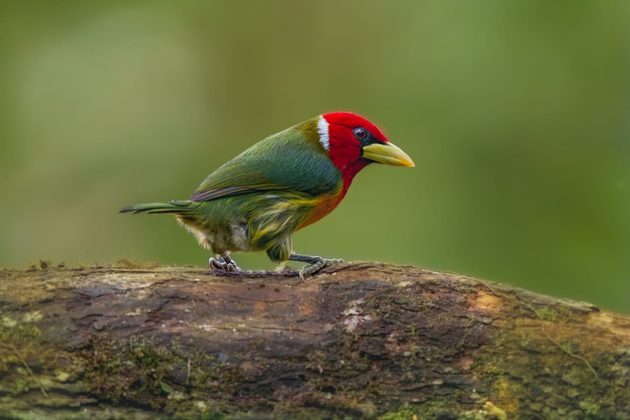
Red-headed Barbet
Is your lodge involved in conservation efforts? If yes, please describe them.
Yes, in a grassroots but very real way. The feeder network across our region — including several stations we work with — is maintained day after day by local families. The income they earn from visiting birders depends directly on living birds and standing forest, which gives the whole community a concrete economic reason to protect the habitat these species need. Many of the birds we show guests are threatened or near-threatened by habitat loss, so responsible birding here genuinely helps fund their conservation. We also believe our birder-exclusive, low-volume model keeps our footprint light.
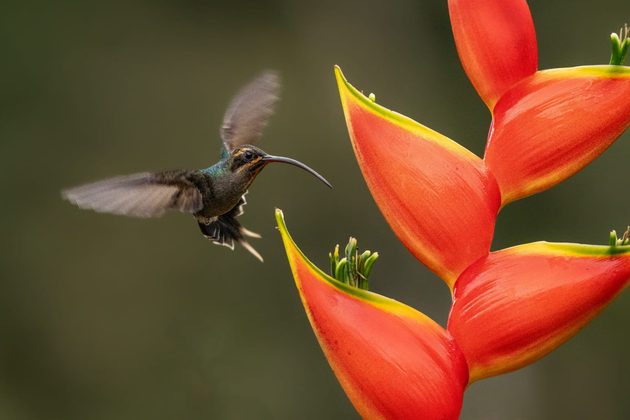
Green Hermit
What other suggestions can you give to birders interested in visiting your lodge?
- Bring binoculars, of course, plus a camera if you photograph — our feeders give superb close views.
- Pack for a range of elevations: light clothing for warm lowlands, a layer and light rain gear for the cool, damp cloud forest.
- Rubber boots or sturdy shoes help on forest trails, like the ones in San Cipriano.
- Send us your target list ahead of time so we can plan the right hotspots and timing.
- Don’t rush — give the region several days to work the full elevation gradient properly.
Whiskered Wren
Do you have activities for non-birders? If so, please describe.
Yes. The setting itself — cloud forest, mountain views, home-cooked Colombian food and some of the country’s finest coffee — is a genuine draw for non-birding companions. Beyond relaxing at the lodge, the region offers gentle nature walks, photography, local culture, and the memorable rail-trolley ride to San Cipriano. A non-birding partner can have a lovely, restful time while their birder travels the hotspots. Additionally, if you want to mix in some culture, Cali offers great cultural activities—such as visiting the Museo del Oro Calima (Calima Gold Museum). There, you can see incredible gold and ceramic artifacts from the pre-Columbian Calima culture, which is actually where we got the name for Yotoco Lodge!
If any reader of 10,000 Birds is interested in staying at your lodge, how can they best contact you?
The easiest way is directly via WhatsApp, or through our website at yotocolodge.com. You’ll always reach a real person who knows these mountains — me or my team — and we reply personally and quickly. Julio: WhatsApp number +573504338075 and preferred email: yotocolodge@gmail.com
Is there anything else you would like to share with the readers of 10,000 Birds?
Only that this corner of the Western Andes still surprises me after 15 years. In a single day you can watch a hand-feeding endemic flycatcher over breakfast, photograph glittering hummingbirds and tanagers at a cloud-forest feeder, and descend the Pacific slope to a completely different set of birds — all from one comfortable base. If you love birds and value an authentic, personal experience over a luxury price tag, I’d be honored to host you.


Leave a Comment