

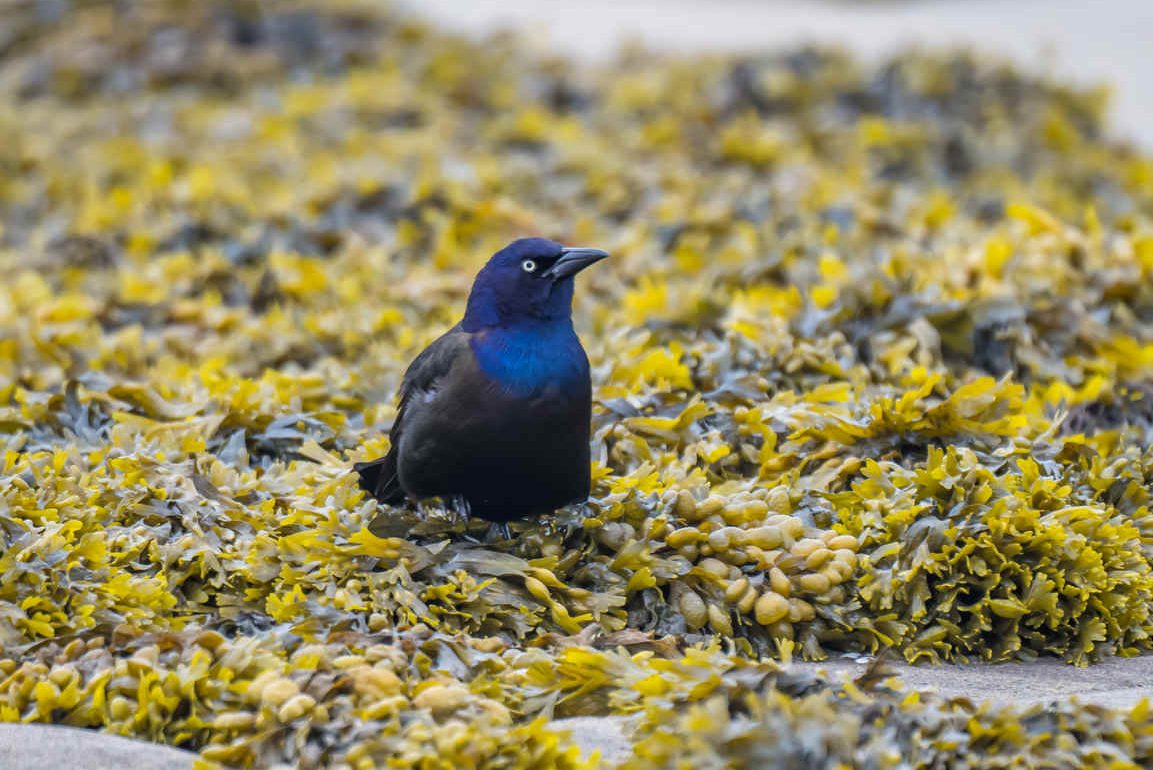
This is another profile of a bird that was new to me during my first proper birding trip in North America, though it is probably terribly familiar—and rather boring—to readers in the US. I suggest you skip this post and wait until I talk about Asian birds again.
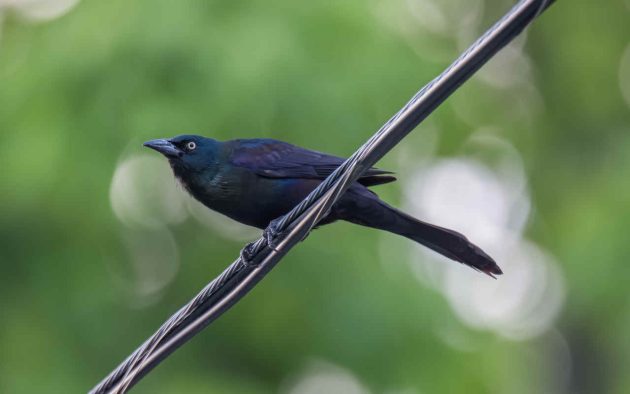
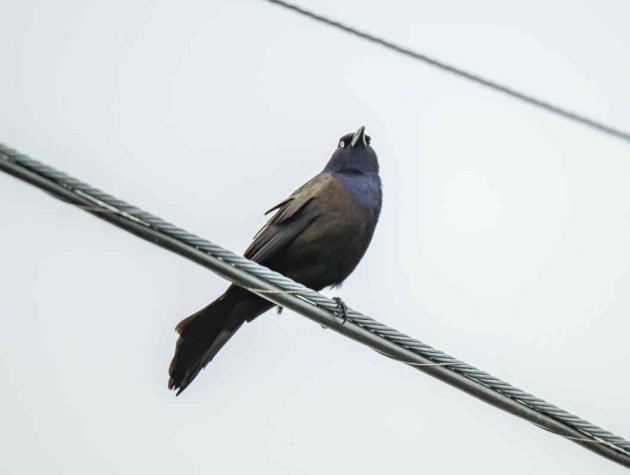
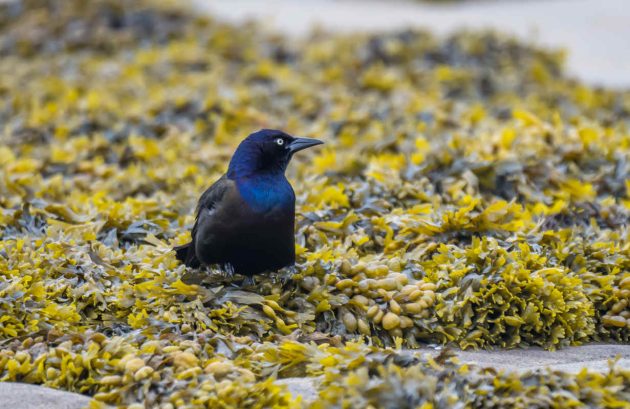
eBird describes the Grackle as a lanky, fierce-looking, glossy blackbird—I particularly like the “fierce-looking,” which makes it rather interesting to me. It is not often that I feel a bird is trying to hypnotize me.
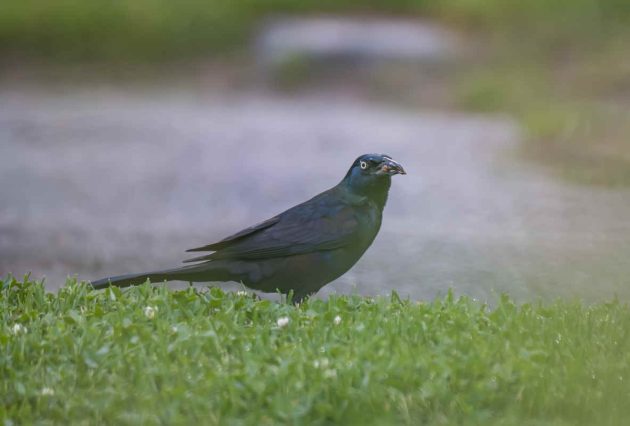
I was somewhat puzzled by the listing of the Grackle as Near Threatened, given that at the same time it is described as one of the most common species on the North American continent by the HBW.
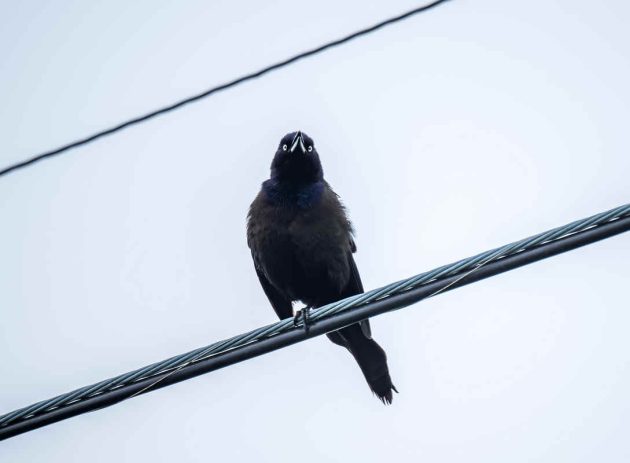
A lazy question to ChatGPT yielded a plausible explanation: “common” describes the present, while “Near Threatened” reflects the expected future. In other words, while the Grackle is still one of the most abundant birds in many places, its population has been declining steadily for decades, with reductions of around 60–70% over the last 50 years or so.
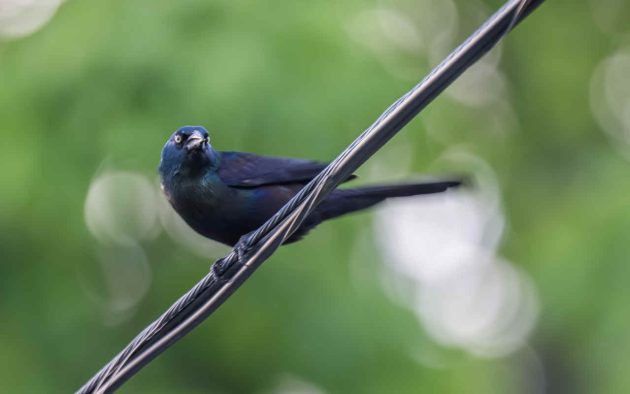
Likely reasons for this decline include agricultural intensification (loss of breeding habitat), loss of wetlands, expanded pesticide use, and even past grackle control programs, since grackles were once considered agricultural pests.
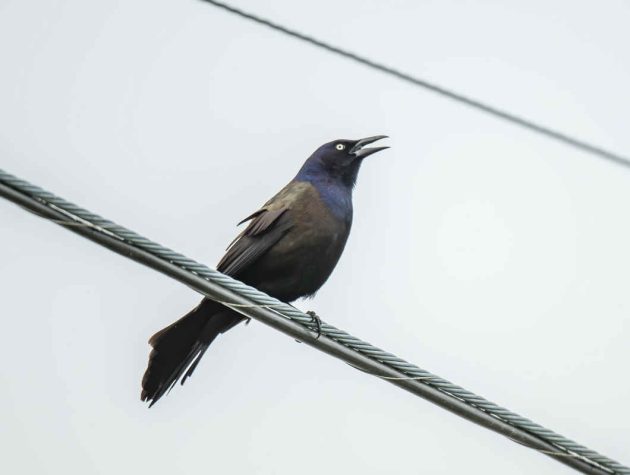
Which may be why the collective noun for grackles is a “plague,” as in “a plague of grackles” (source).
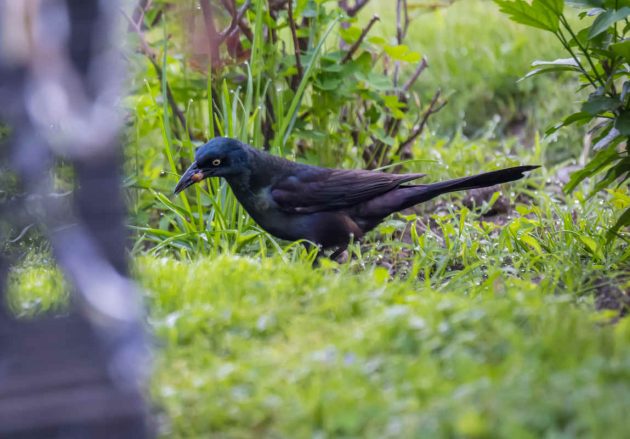
On the other hand, other scientific papers suggest that grackles may actually benefit from climate change by extending their range northwards (source). So a species can be declining overall while simultaneously expanding into new areas. Confusing.
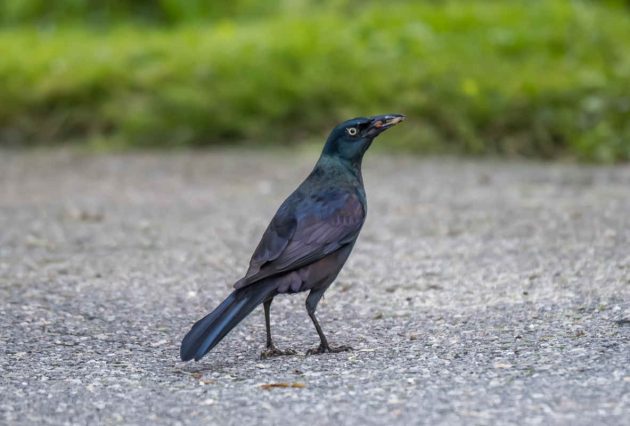
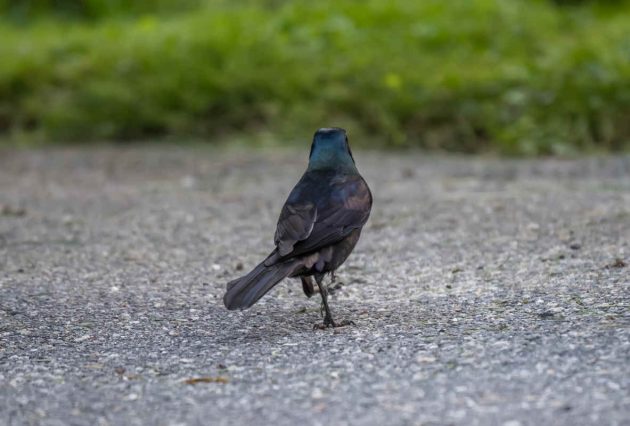
Grackles pursue different reproductive strategies depending on clutch size (source). Females laying small clutches (2–4 eggs) do not increase egg size with laying sequence and start incubation only after the last egg is laid. Such parents usually raise the entire brood. Females laying larger clutches (5–6 eggs) increase egg size with laying sequence and begin incubation before the clutch is complete. In these cases, few pairs succeed in raising the entire brood. Late-hatching young benefit from larger eggs but are disadvantaged by hatching order, since older siblings are fed first and grow faster. The youngest chicks are kept alive as long as possible but tend to starve if food becomes scarce.
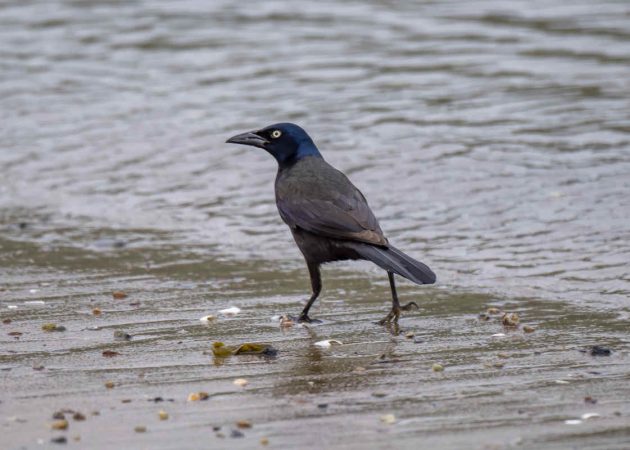
So, grackles face a trade-off familiar from human societies: is it better to have a small number of offspring and invest heavily in each, or to have a larger family and spread resources more thinly? In affluent societies, the first pattern generally dominates; historically, larger families have been more common in poorer societies.
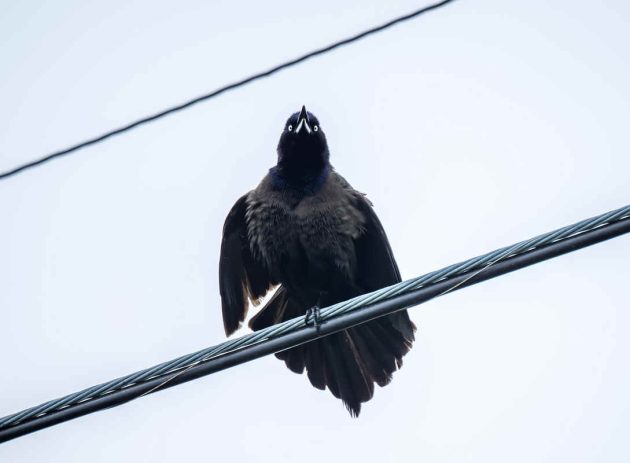
Grackles have the good fortune of not being heavily parasitized by cowbirds. They are apparently close to the upper size limit for successful brood parasitism: although cowbird chicks hatch earlier than grackle chicks, they grow more slowly and usually fail in grackle nests. Interestingly, grackles are not very good at recognizing cowbird eggs—probably because there has been little evolutionary pressure to improve this skill. Cowbirds, in turn, seem to have largely learned that grackle nests are poor targets, given the low probability of successful fledging (source: HBW).
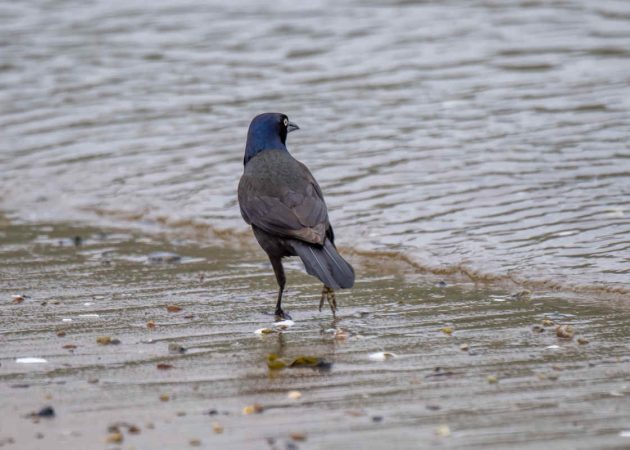
Finally, would you do research on whether chicks can move in and out of sunlight? Some ornithologists did, resulting in a paper titled Shade Seeking by Common Grackle (Quiscalus quiscula) Nestlings at the Scale of the Nanoclimate. They found that nestlings move in and out of the sun depending on which parts of the nest are shaded. The finding is entirely sensible—but calling it “nanoclimate” somehow makes it sound much more impressive. Then again, the paper appears in the Journal of Thermal Biology, where such terminology probably comes with the territory.










Leave a Comment