
My trip to Brazil was planned with a clear purpose in mind, finding and photographing jaguars and giant river otters in the wild. These were the main targets. Birding would be more of a bonus on this trip.
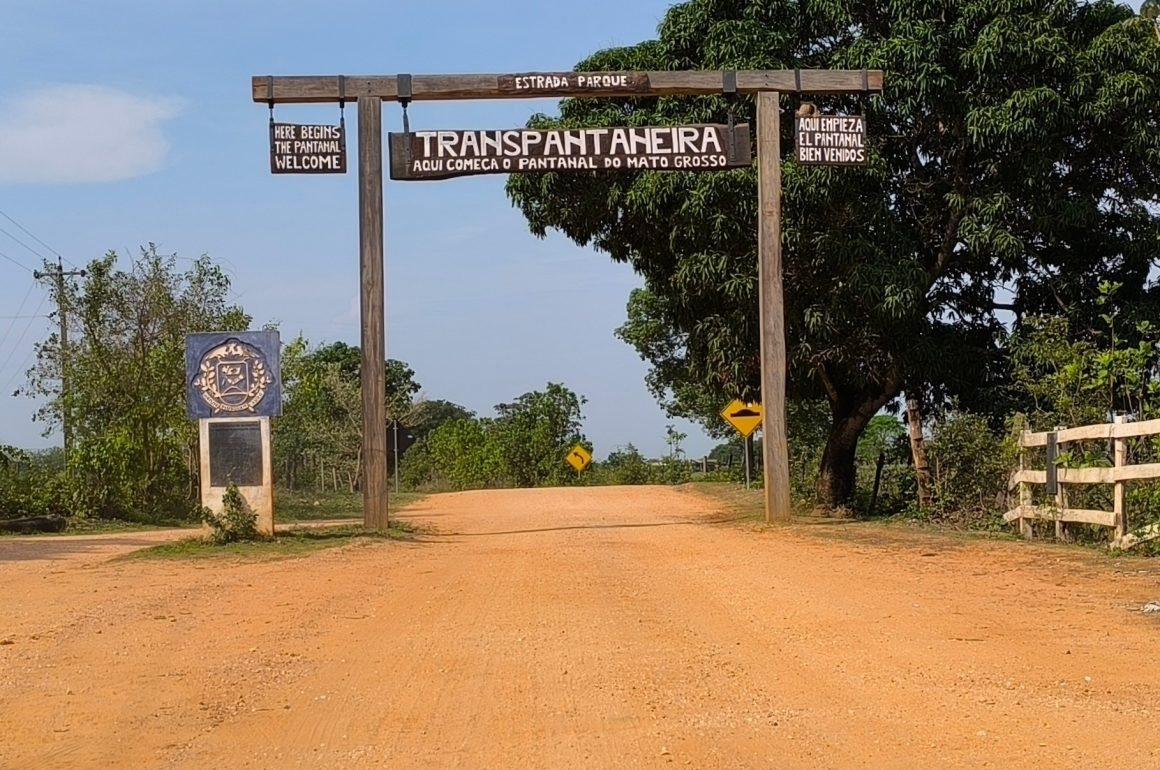
Getting to the Jaguar Camp lodge in Porto Jofre meant travelling along the Transpantaneira, about 145 km of unpaved, dusty road with more than 100 bridges along the way. Wetlands, woodlands, ponds and savannahs ran alongside the road or should that be, the road passed through wetlands, woodlands savannahs and across ponds? Either way this mixture of vegetation and habitat provided a more than suitable environment for a variety of birds and animals.
Photographing them, though, came with some challenges. Firstly, getting the driver to slow down or stop could be tricky. Sometimes it was best just to let him concentrate on the road ahead, especially if there was another vehicle in front kicking up dust and limiting visibility.
Stopping was one thing, getting a decent photograph was another. The dust and heat haze were not helping, and with the outside temperature at 38°C, neither was the heat. But I was not going to let that stop me from taking a few photographs especially of birds I had not seen before.
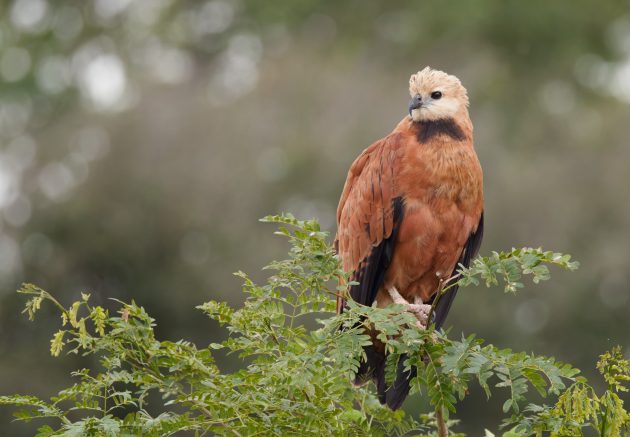
The birds came out in their numbers. One of the first was the Black-collared Hawk. This hawk was all over the place, sitting on roadside perches or farther back from the road. I would see a lot more of them over the next four days.
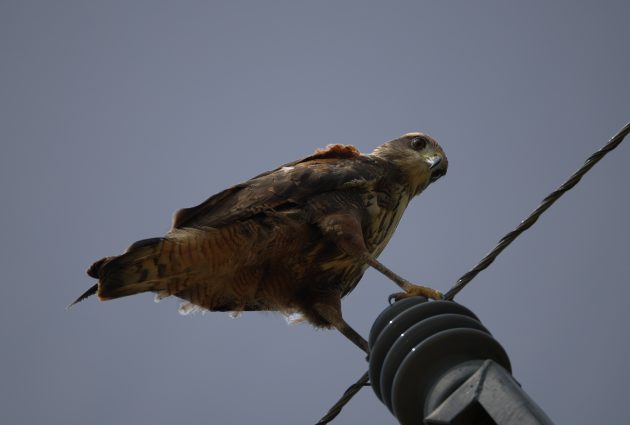
Savannah Hawks were there too, including this one I photographed perched on a power line directly overhead from inside the car.
Egrets were everywhere. At one point I estimated there must have been hundreds gathered around the water.
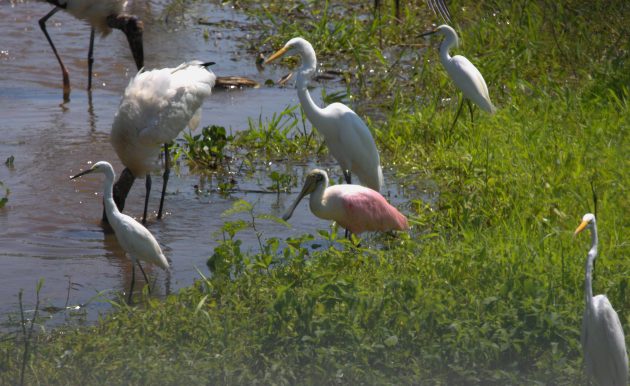
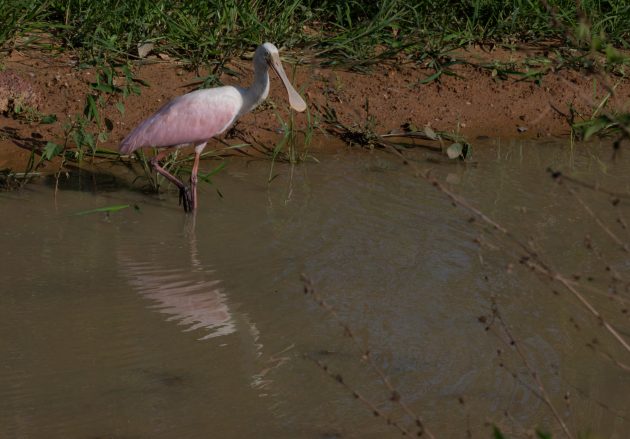
Roseate Spoonbills were nice to see, along with Wood Storks. The Roseate Spoonbill is not born with its spoonbill, it actually grows one.
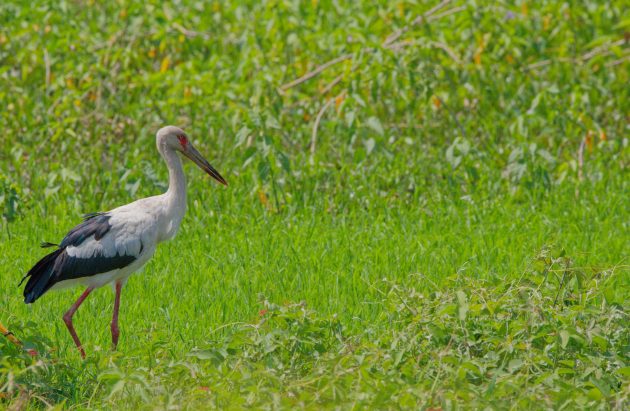
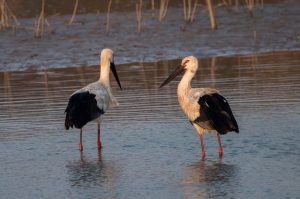
Maguari Stork were out and about in the savannah and around the waters edge.
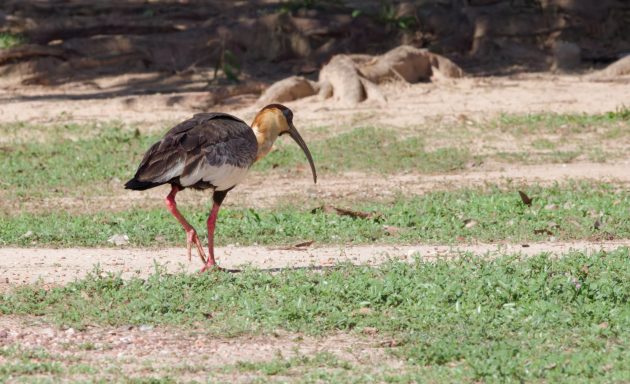
At one of our pit stops a few Buff-necked Ibis were foraging around on the ground paying no mind to the humans and cars moving around. They seemed almost domesticated but they were not.
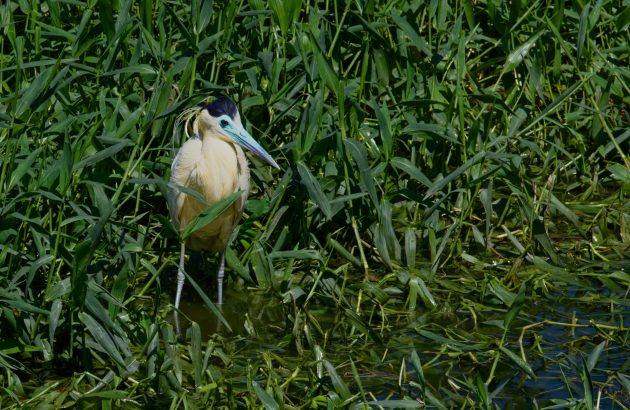
This photo does not do justice to this Capped Heron, a lifer for me. With its pale plumage, black cap and blue bill, it looked quite different from the other herons along the road.
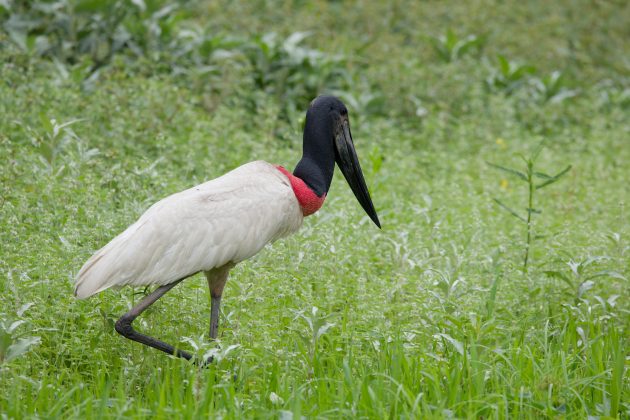
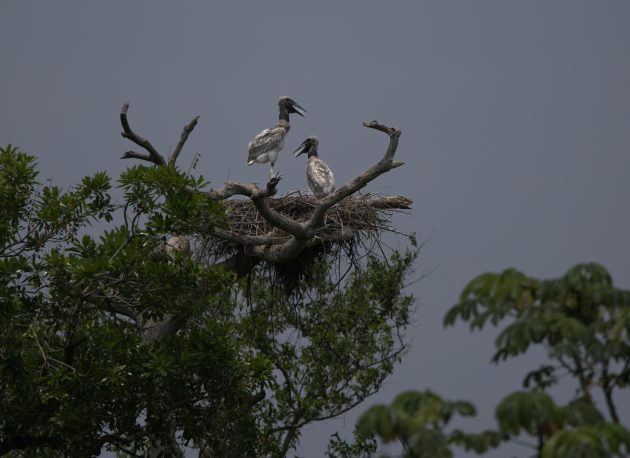
Jabiru Storks were plentiful, including a nest with two young chicks high up in a tree.
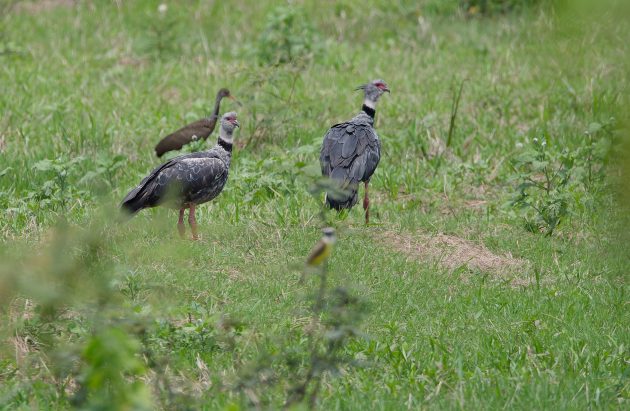
Southern Screamers, at first glance I thought, wild turkeys but as we got closer I realised they were not. While they look a bit like turkeys (to me) they are in fact, relatives of ducks and geese.
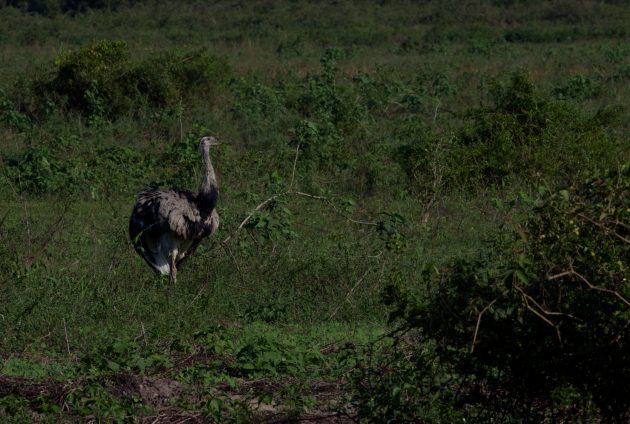
A Greater Rhea grazed deep in the savannah. It looked a bit like an ostrich, although considerably smaller. It is, in fact, the largest bird in South America and, like the ostrich, is unable to fly. I also saw one with chicks, but I’ll save that story for another day.
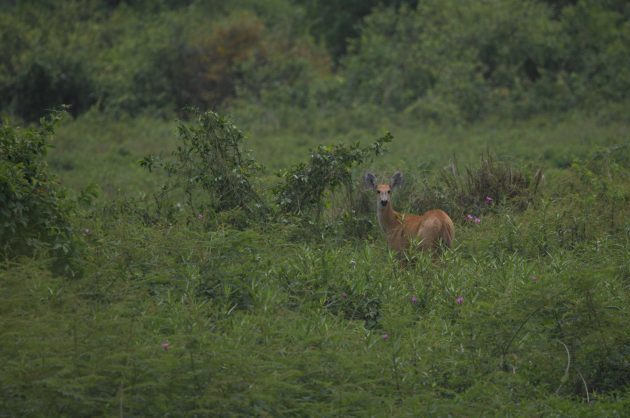
Birds were not the only animals along the road. A car ahead of us spotted a deer and pointed it out, but by the time we got closer, it had scampered away, occasionally looking back at us. It seemed happy enough to keep an eye on us, provided we kept our distance.
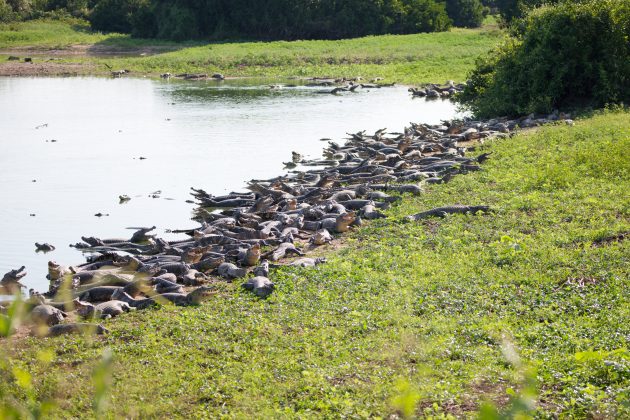
At one of the many bridges, there were hundreds of caimans gathered around a pool, some lying on the banks and others in the water. Large gatherings like this happen during the dry season, when falling water levels concentrate the animals in the remaining pools.
One of the interesting things on this drive was the number of large birds along the Transpantaneira. I’m sure there were lots of smaller birds as well, but the large ones were much easier to spot from a vehicle. The smallest I remember noticing along the road was probably a Ringed Kingfisher, which is hardly a small kingfisher.
At the Jaguar Camp lodge, Crested Caracaras were wandering around the grounds like free-range chickens in a rural village.
There was also a lone Sunbittern that insisted on just walking along the grounds of the lodge and not doing any wing display. I had once crossed a slippery, rocky riverbed with a low canopy of trees to see one of these birds, and although I did manage to see it spread its wings, my photos left much to be desired.
Part 2 will cover the birds I encountered along the Cuiabá River and its smaller channels, where I would be photographing from a speedboat.




Leave a Comment