

I noticed that I tried to escape the winter mentally by working on posts about tropical Sri Lanka. This however also has a logistical reason which is that I do not go out birding as much in winter, meaning I have little current material to write about. For a while, I expected myself to use this as an incentive to find greater enjoyment in the frigid outdoors in winter. By the time the cold, dark skies dragged out in March last year however, I realised that I simply don’t seem to be built that way. Realising that I can’t overcome my past of having grown up in the tropics, I decided to stick to my strengths and mainly share photos from colourful Sri Lankan birds.
I did however recently spend some time in Munich and the Alps to the south of the city, which I thought would make for some more seasonally appropriate material. I’ll thus share some bird photos from Munich in this post and my next one will be dedicated to some sightings from a hike in the mountains. I’ve been to Munich many times before and thus I didn’t see any new birds, but enjoyed seeing some typical birds of the city nonetheless.
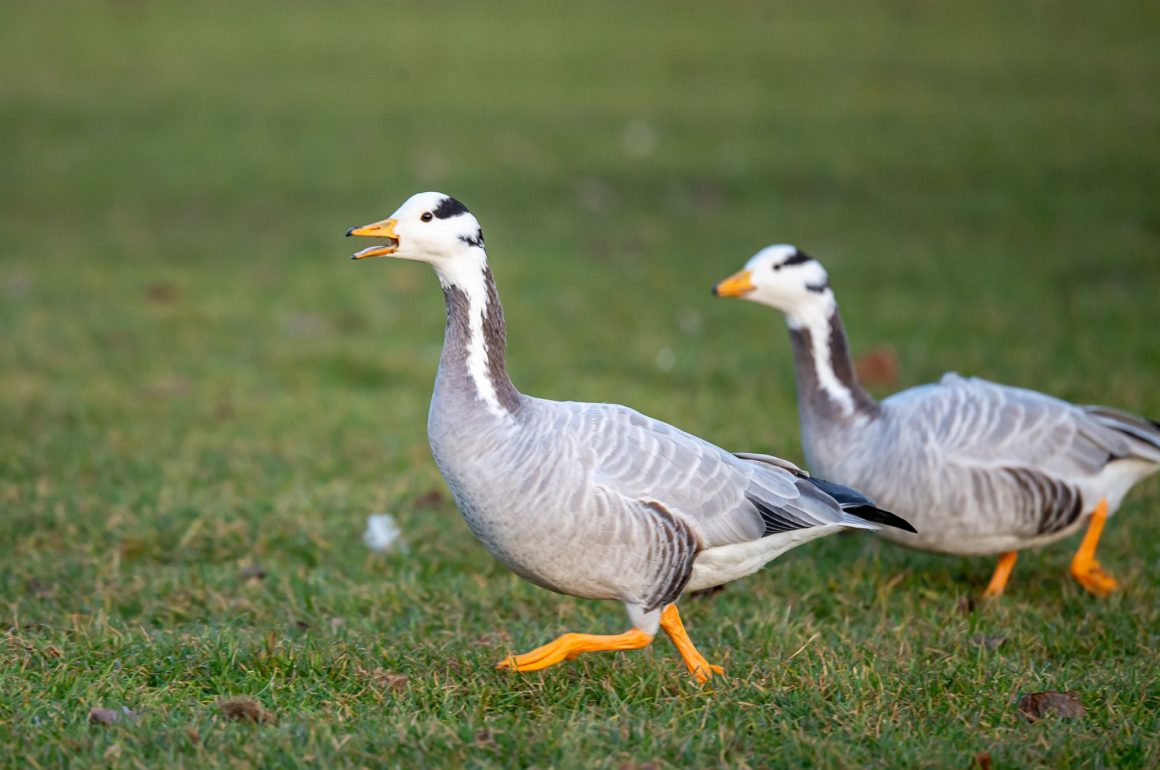
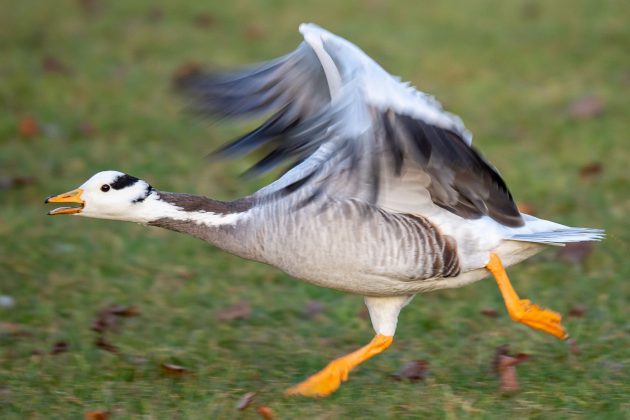
On a walk through the Englischer Garten (“English garden”), a group of Bar-headed Geese caught my attention. This species is pretty common in this area, apparently becoming established after escaping from what is now the Max Planck Institute for Biological Intelligence to the south of the city. This by the way is the place where Konrad Lorenz performed his famous imprinting experiments on geese. Even more interesting about this species however is its impressive ability to fly at insane heights during its migration in the native range in Asia. Migrating over the Himalayas at an average altitude of 5,000-6,000 metres above sea level is an unbelievable feat given the low density of air and thus low oxygen concentration, as well as the cold temperatures and dry air (an interesting paper on this here).
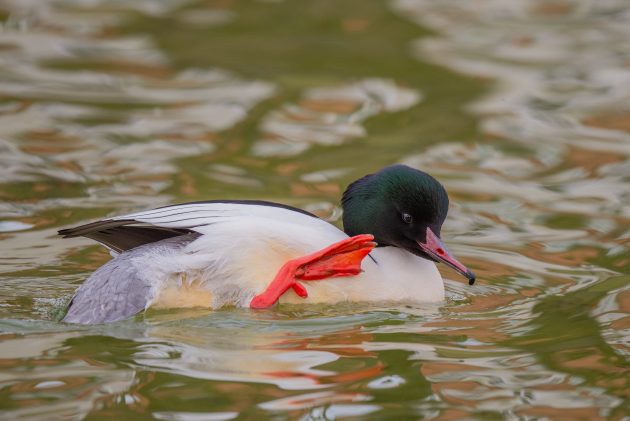
No less extraordinary in terms appearance (but arguably so when it comes to physiology) is the Common Merganser. This species is common in the small lakes in the city parks and particularly abundant on the Isar river that flows through the city. This species is a formidable underwater predator and seems to be less agile on dry ground. Not that it needs to be able to walk or hop around the ground though, as it can easily cover the distance between two bodies of water in no time given that it usually flies at speeds of around 60 km/h according to the Cornell Lab.
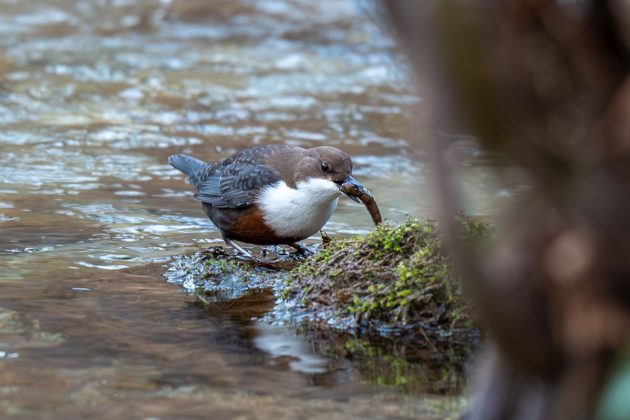
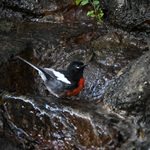
Becoming a bit intimidated at the thought of a sharp-billed, toother hypersonic jet that can chase you over land and underwater, I decided to focus a bit more on cuddlier birds. A White-throated Dipper was exactly what I needed. Normally already adorable with its dark plumage and the flashy white throat allowing it to blend into the mass of pebbles on the river shore, the cold weather forced this individual to fluff up its plumage, looking even rounder than normal. Dippers are really amazing birds and I love to watch them foraging for ages as the hop into the water, swim on the surface, or – best of all – observe it through the clear water as it creeps along the rocky ground underwater, using the current to pin it down. I was surprised when it caught a pretty big fish. It required quite some work to prepare, but eventually the dipper managed to swallow the whole thing.
I really enjoy birding in Munich, especially as birds that are still pretty special, such as dippers, being easily seen. The large number of green spaces provide plenty of opportunities to sit down and observe some of the species as they go about their business.




Oh, the dreaded waterfowl of metropolitan parks… 😀
There was a time here in Heidelberg when a mixed waterfowl flock in our park comprised of species from all continents:
Canada Goose: North America
Muscovy Duck: South America
Egyptian Goose: Africa
Swan Goose: Asia
Pink-footed Goose: Europe
Black Swan: Australia
It was always a guilty pleasure checking the flock and “ticking off” all the continents.
All the continents, Jochen?
Well, Antarctica has no waterfowl, or has it? 😉