

When we had a pre-trip meeting with our guide to discuss the best birding experience for us in Japan, he suggested we might be interested in adding a few extra days to bird on the southern island. Not wanting to fly across the world and miss any birds, we quickly said, “Yes, let’s do it.” So, after seeing Blakiston’s Fish-Owl, Steller’s Sea-Eagles, and much more in Hokkaido, we boarded a plane bound for Kagoshima.
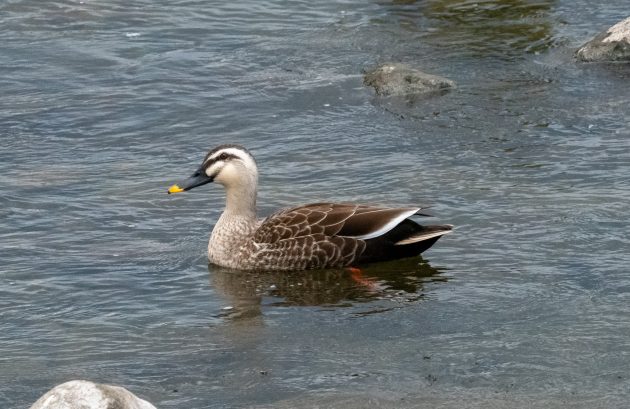
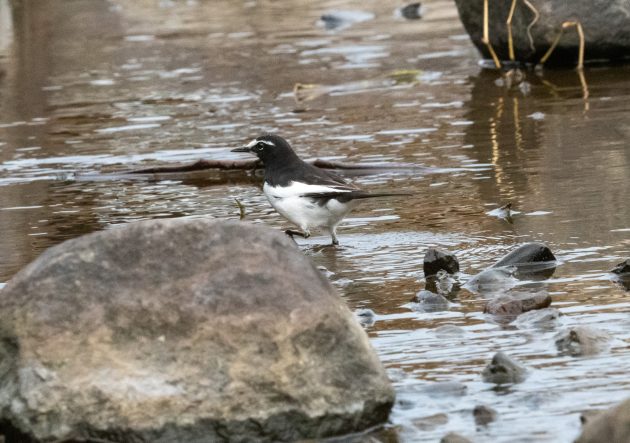
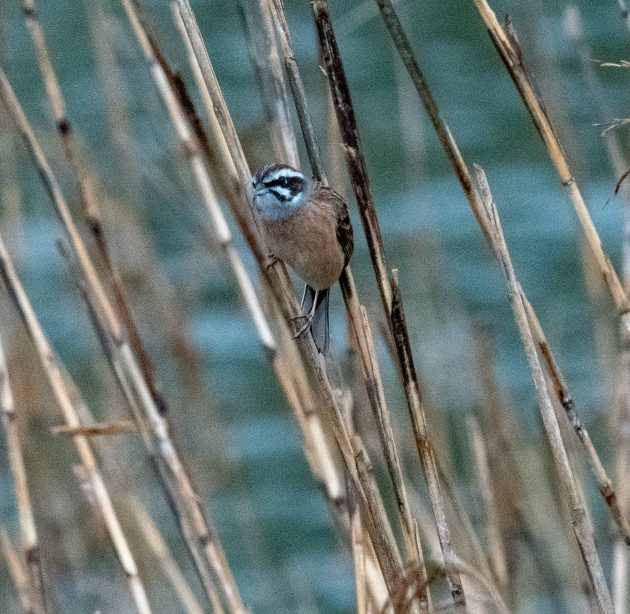
Kagoshima had much more tolerable weather conditions (for me) than the snowy north, temperate enough for tea fields beside the highway. Once we landed, we headed towards Izumi, where the Crane Bird Watching Center is, but made a brief stop at the Sendai River. Our first lifer, a Meadow Bunting, was singing on top of a light post. We walked upstream towards some farm fields where a Russet Sparrow was hopping amongst the rows. A few Green-winged Teal, Tufted Ducks, Eastern Spot-billed Duck, and Eurasian Wigeons were swimming between rocks in the river. Downstream, we had our lifer Japanese Wagtails, a beautifully pied wagtail, along with Gray and White Wagtails.
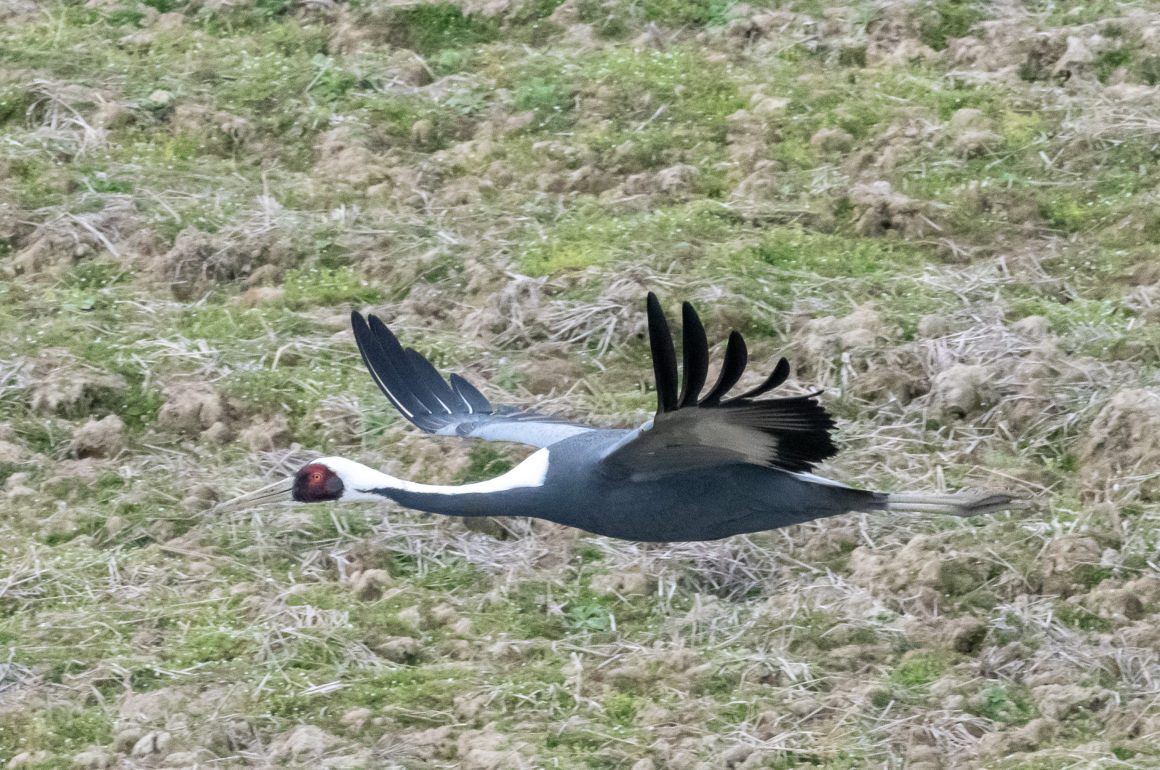
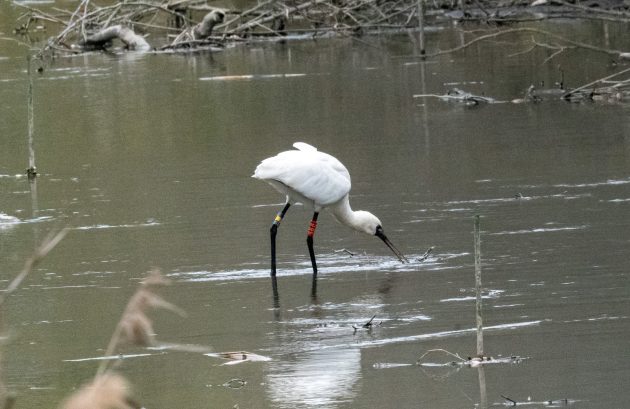
After we had our fill of the river, we grabbed some lunch at a nearby convenience store and went off to Izumi. The site is huge, composed of reclaimed farm fields and an interpretive center in one section. In the 2025/2026 season, there were approximately 13,000 individuals, including 11,000 Hooded Cranes, 1,700 White-naped Cranes, and 17 Common Cranes. From the tower, we saw the cranes a bit distant; the best views were seen as they flew over towards the larger group. There were also some Northern Lapwings skittering around the fields and a small pond with Eurasian and Black-faced Spoonbills, and other water birds.
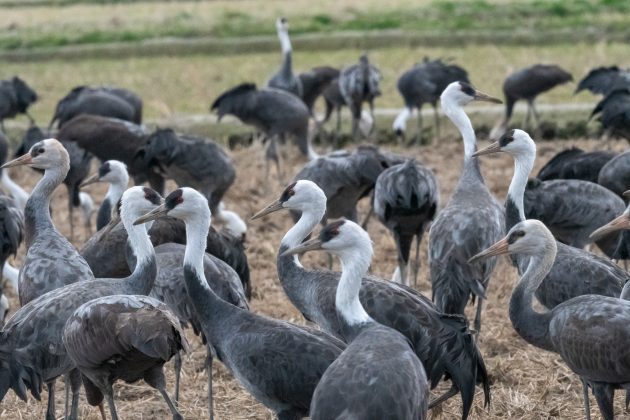
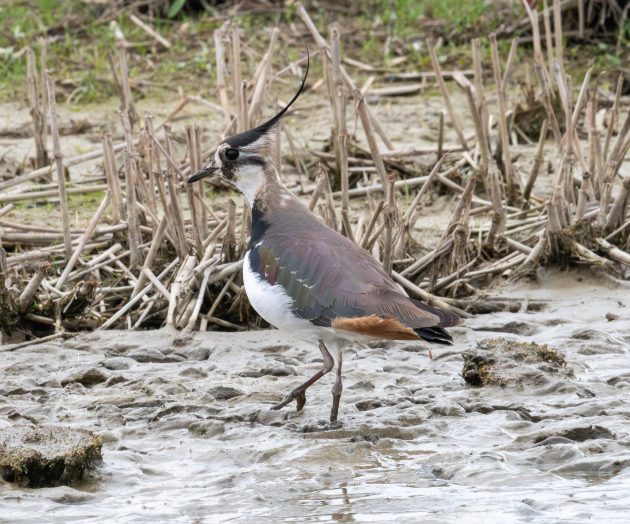
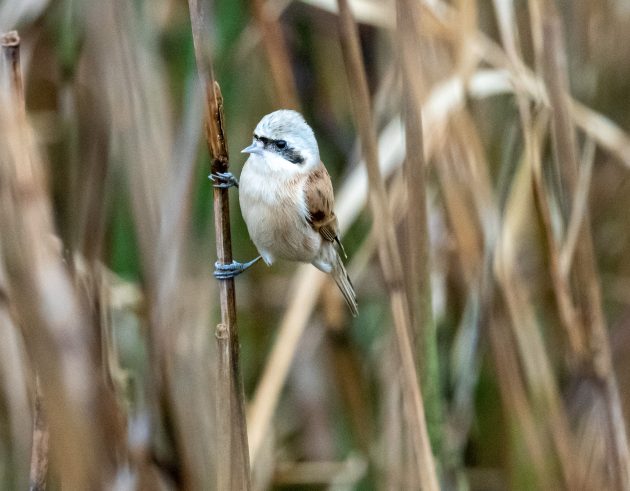
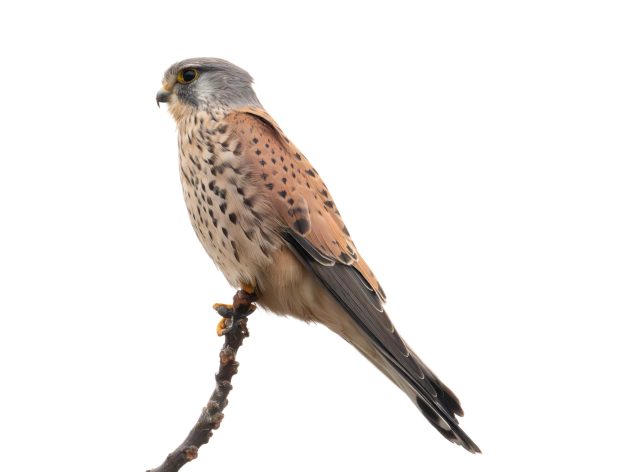
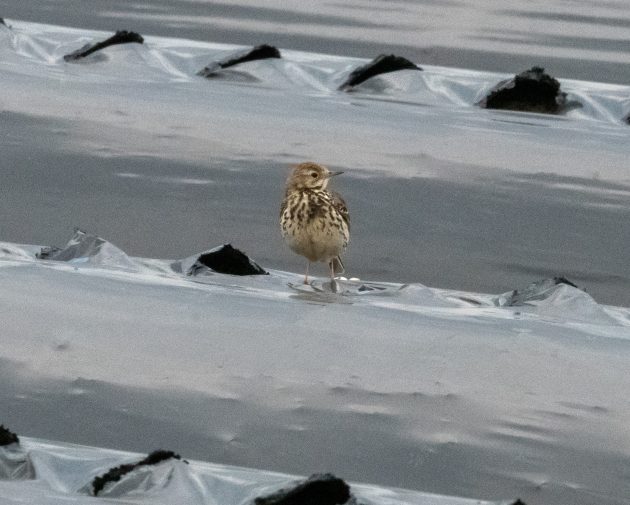
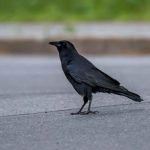
For the remainder of the day, we spent exploring the East and West Reclamation Areas, where the cranes were much closer, and we could pull the car right up alongside them. Smaller birds were taking advantage of anything moving around the fallow fields, like Siberian Pipit, Oriental Greenfinch, wagtails, and Eurasian Skylarks. In a group of black birds, we found our lifer Daurian Jackdaws. The West Area offers riparian areas that host Chestnut-eared Bunting, Meadow Bunting, Chinese Penduline-Tit, and a confiding Eurasian Kestrel.
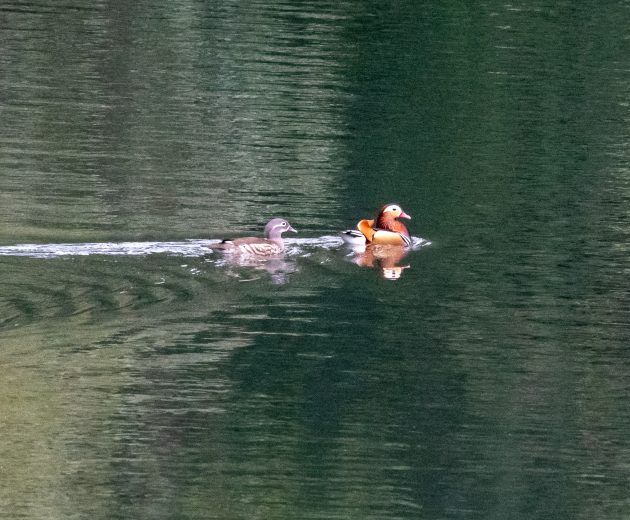
I was eager to visit the Kogawa Dam because the eBird lists for this site included many birds I hoped to see. It did not disappoint! We drove about four miles through forested roads overlooking the reservoir. It was pretty isolated with no other cars around. But plenty of birds! Our guide stopped the car when a group of tits was pacing us, and in it we spotted a Varied Tit. Pale Thrushes foraged beside the road, and Brown-eared Bulbuls called from the treetops. Then in the reservoir, we found our targets: Mandarin Duck and Baikal Teal. I still cannot believe I saw a real, live Mandarin Duck! What a stunning bird!
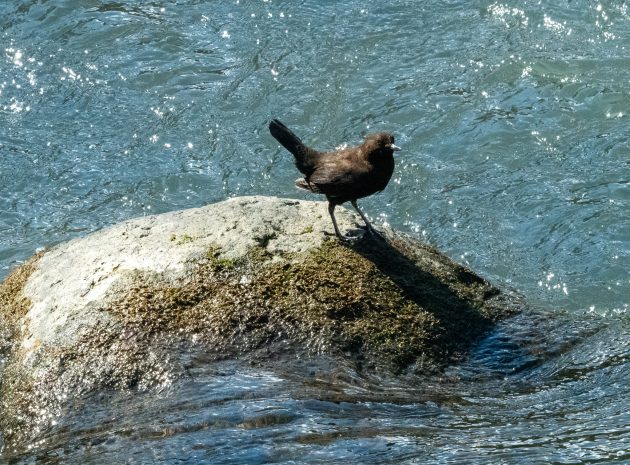
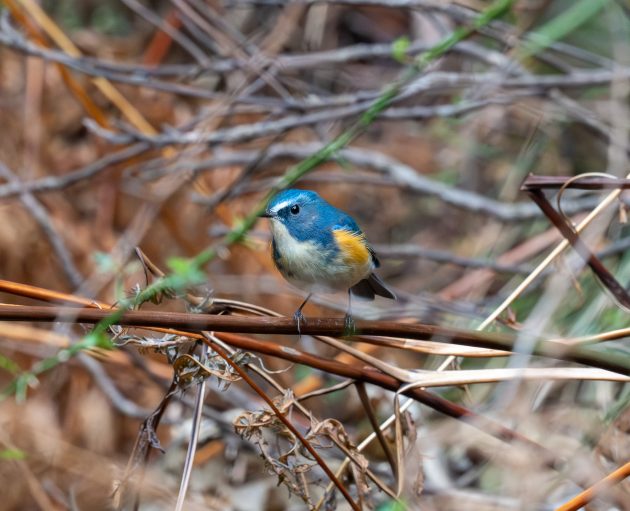
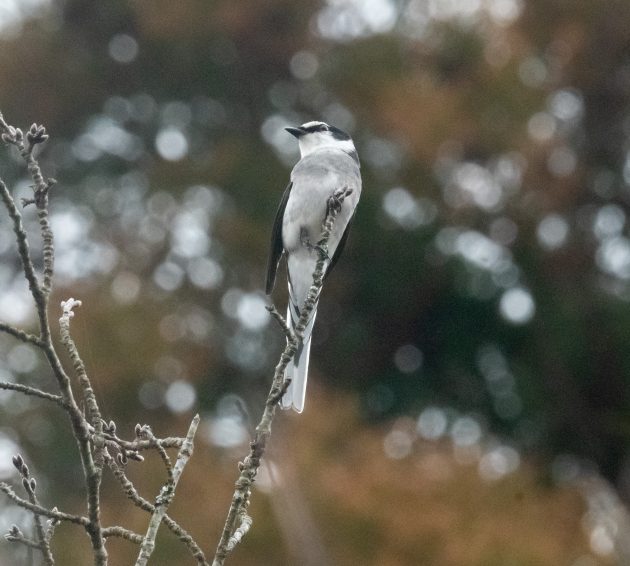
Over the next few days, we saw so many amazing species with more circling of the reclamation areas and back at the dam. We were happy to see Crested Kingfishers rattling over streams, a rare Demoiselle Crane mixed into the larger group, Ryukyu Minivets in the treetops, Red-flanked Bluetail scolding us from bushes, and a Brown Dipper bobbing in hot spring runoff.
Birding in this area was so rewarding with lots of great sightings!








Leave a Comment