

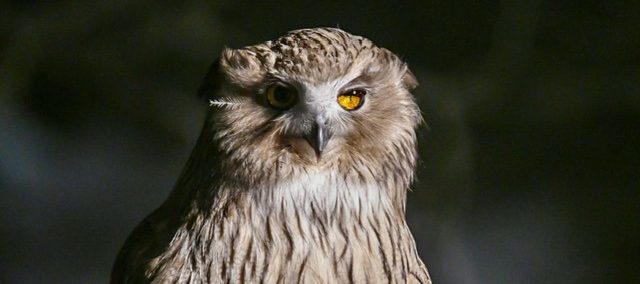
Blakiston’s Fish-Owls became a bird known to many birders and non-birders thanks to Jonathan Slaght’s Owls of the Eastern Ice, which opened many eyes to this iconic species and the challenges researchers face in working with it. When I learned that you could more easily see this species in Hokkaido, Japan, without trudging through snow in remote Russia, staying in abandoned shacks, and sharing bottles of vodka with locals, this destination was quickly added to my travel shortlist.
In my previous post, I wrote that Japan was not a birding spot I had dreamed of visiting, and that was still true. However, the Blakiston’s Fish-Owl was the draw that made me book the trip. We began planning this trip much further in advance than is typical for us, almost a year before we were slated to travel. This ended up being a good call, as northern Japan is an extremely popular destination in February, and boat trips and blind spots tend to book up quickly.
So after seawatching in Nemuro, we headed north towards our accommodations for the evening, the Livemax Resort Shiretoko Seafront, which was probably one of the most interesting places I have ever stayed, mostly due to a hot stone lounger in the bathroom where I could spend the rest of my life. We had a few minutes to warm ourselves with coffee before heading out to the Washi no Yado, Fish Owl Observatory, a short drive away. We arrived at 5:00 pm to what felt like an old country diner restaurant with lots of customers enjoying dinner. We walked past and set up in front of our assigned window with no idea what would happen next. The building was a simple, long, narrow building with large windows on one side.
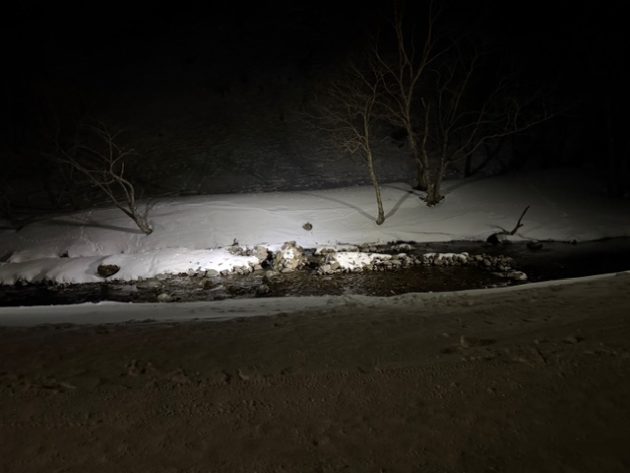
Our guide, Koji, heard some scuttlebutt that the owl had been seen the previous night, just after 5:00 pm, and again at 10:00 pm. More folks filed in and set up their gear aimed at the creek, a few yards in front of the building, with large LED lights trained on the spot where the owl typically appears. Then the owners came through and removed the windows in front of us, exposing us to the elements, which were just below freezing. Small kerosene heaters provided limited heat.
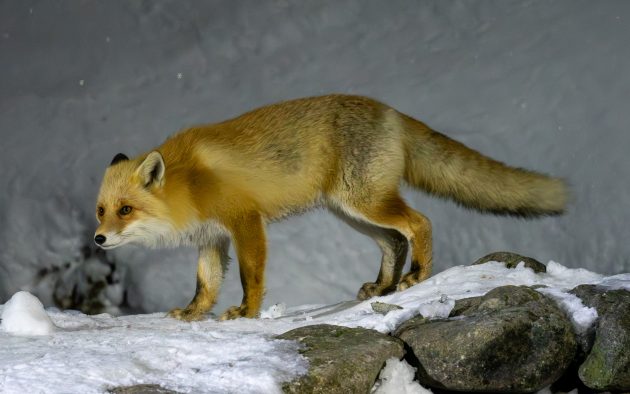
The time passed slowly. A fox appeared briefly to sniff around the stream. 10:00 pm finally came, but the owl did not. At that point, about half of the folks in the blind left. The cold and exhaustion were getting to me; I periodically fell asleep in my chair, hoping that if an owl did arrive, the crowd would awaken me. Then 12:00 am rolled around, our guide was getting antsy to leave, as we had a busy next day, and it didn’t look like the owl would come. So, at 12:30 am, we left and went back to sleep for a bit before our day started.
The next evening, we checked into the Yuyadi Daiichi, a luxury resort with a nice lobby overlooking a few bird feeders. Much to our surprise, this is another potential Blakiston’s Fish-Owl viewing location! We birded around the grounds a bit, hoping for a Brown Dipper, but did not have much other than the tinkling calls of tits in the treetops.
So we went back to the lodge, Erik and I grabbed a few beers from the vending machines and plopped down at the fire in the lobby to edit photos and watch the feeders. Not long after we sat down, someone noticed an owl in the trees about fifty feet above the stream – it was the female Blakiston’s Fish-Owl! She sat up there surveying the scene for a few minutes before flying downstream. Then, the male appeared! He was about in the same spot as the female was. A staff member from the lodge dashed out to raise the lid off an outdoor tank to reveal some fish for the male to come to. He took the hint and glided down to stand on a stick decorating the tank.
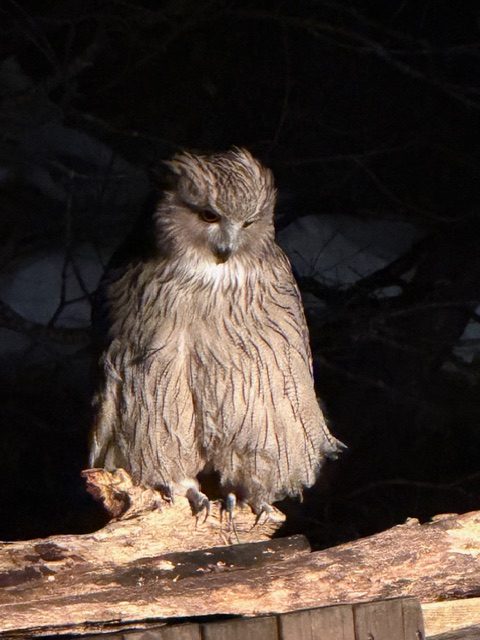
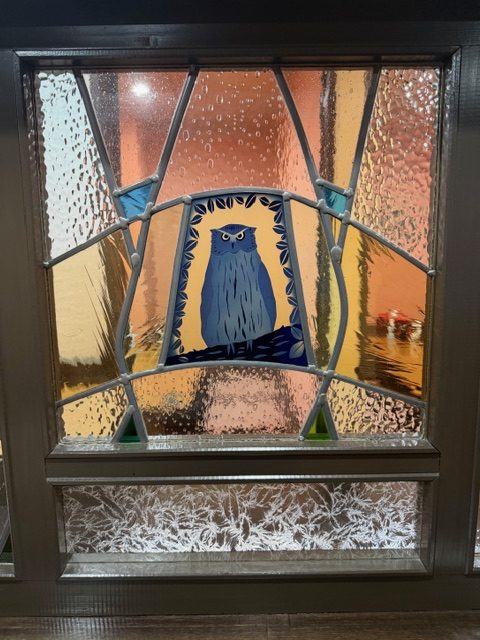
The crowds of guests flocked to the window as the male owl caught and ate at least two fish before heading out for the night. After the disappointment of missing the owl, the previous night was soon forgotten as we relished the sighting in the warm comfort of this lodge.
If you would like to hear more about this adventure, check out our Hannah and Erik Go Birding podcast episode for more!








Thanks,. What a treat as was the book.