

Sometimes I feel the Chinese holiday schedule has been optimized for Shanghai birders. Both the first week of May and the first week of October are national holidays – and both happen to be peak weeks for bird migration in Shanghai. Good news for working Shanghai birders, not so great news for curmudgeons like me, who would rather be alone while birding.
So, the first few days of October saw many largish (i.e., 4-8 people) groups walking through Nanhui’s microforests. These days, the birders are young and quiet and respectful to the birds, a big change from some of the old photographers encountered here up to a few years ago. Apparently, blocking the road has deterred the old guard, while COVID may have led to a surge of interest in younger people. Personally, the charm of birding in groups still escapes me, but the same applies to other well-respected pastimes such as line dancing and karaoke singing.
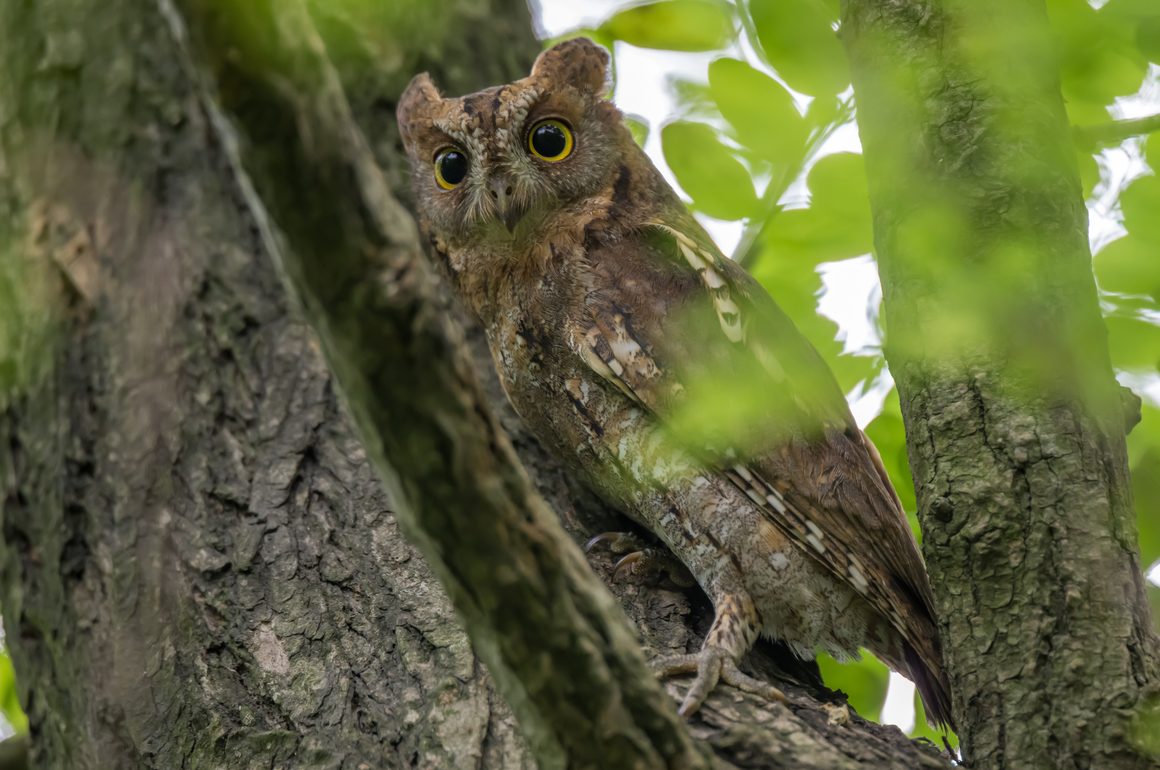
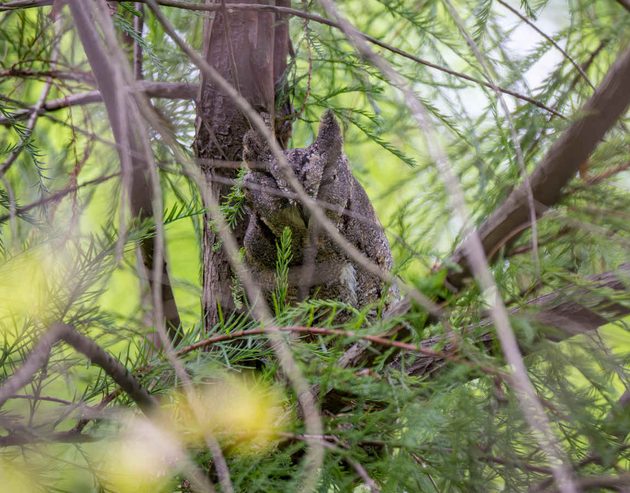
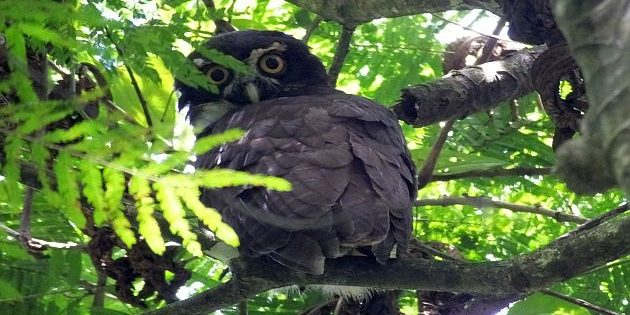
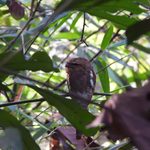
Unfortunately, in early October, the number of birders at the microforests far exceeded the number of birds. And of those, many were hiding rather well, too. Like these Oriental Scops Owls.
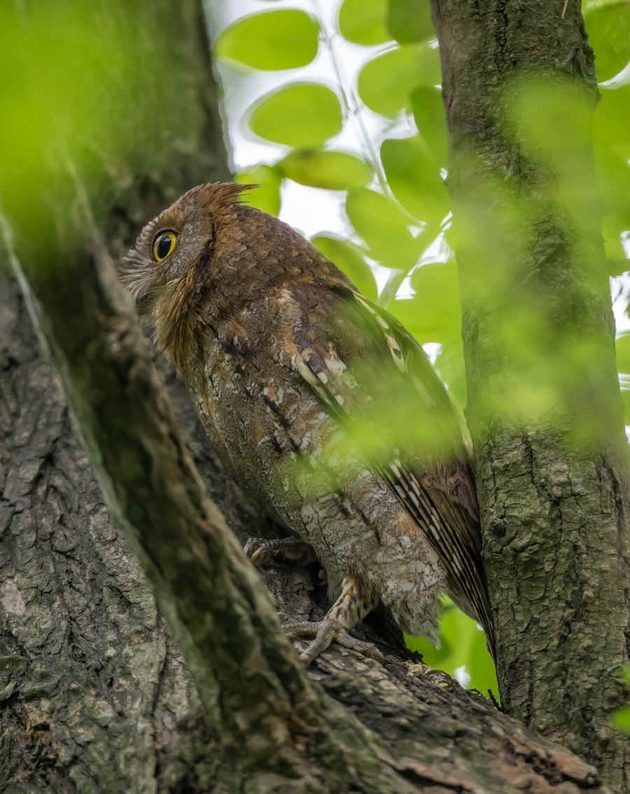
It is not exactly the same as watching The Pitt, but if you want to read about successful surgery of a scops owl after a suspected building collision, look here.
(Apologies for the seemingly uncalled-for TV series reference, but the title of the paper on its own does not sound too interesting: Hybrid External Fixator Tie-In Fixation for an Open Tibiotarsal Fracture in an Oriental Scops Owl (Otus sunia)).
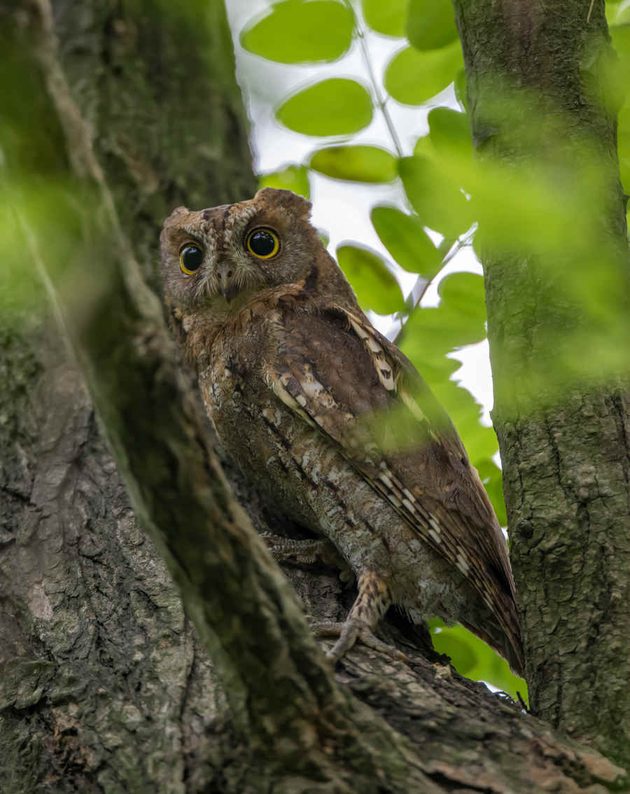
One study found that between 1984 and 2022, the autumn migration date of the owl advanced by about 5.5 days, possibly due to climate change. Possible reasons include early departures allowing the owls to arrive at wintering grounds with time to establish themselves in prime territories, and early spring arrivals triggering earlier autumn departures for individuals maintaining consistent residence periods in breeding areas.
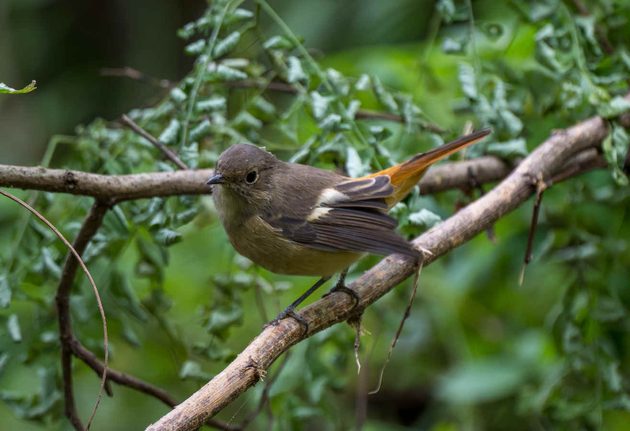
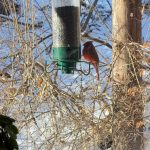
I wonder whether the same logic applies to this female Daurian Redstart, which I saw on October 5 – very early compared to its usual arrival dates in Shanghai.
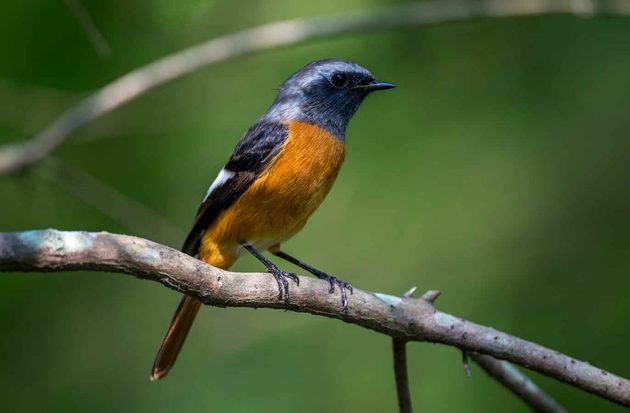
I saw the first male a few days later – beautiful as ever.
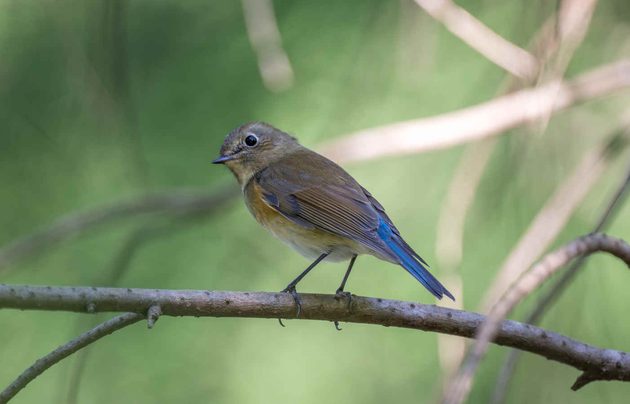
At roughly the same time, the first Red-flanked Bluetails have arrived in Shanghai. After not seeing them for several months, the females look very attractive – though I already know that I will be less excited about them later in winter.
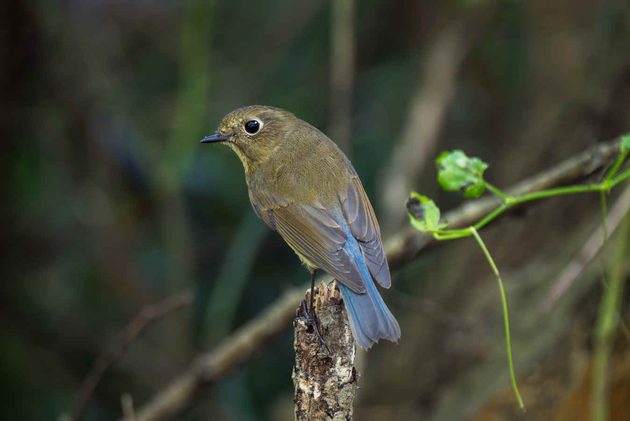
Similar to owls, Rufous-tailed Robins are also reasonably well-camouflaged, but they move around and thus are a bit easier to see.
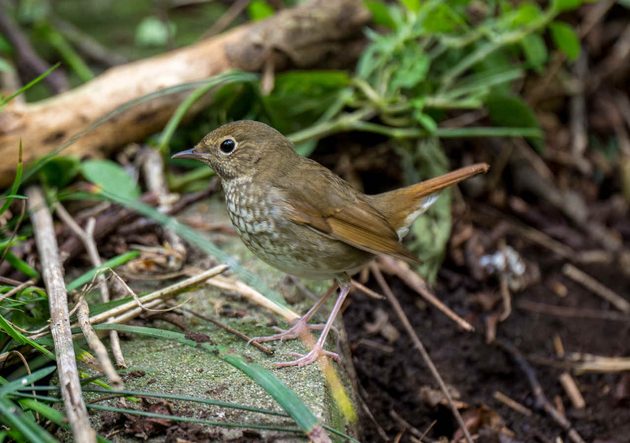
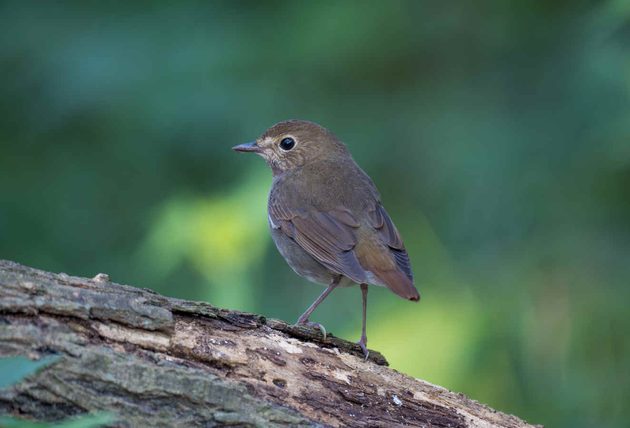
Their scientific name, Larvivora sibilans, indicates that they are hissing or whistling – you can check here if that is a good description.
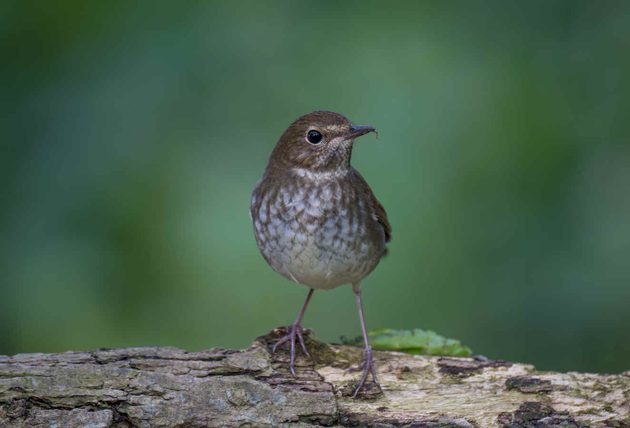
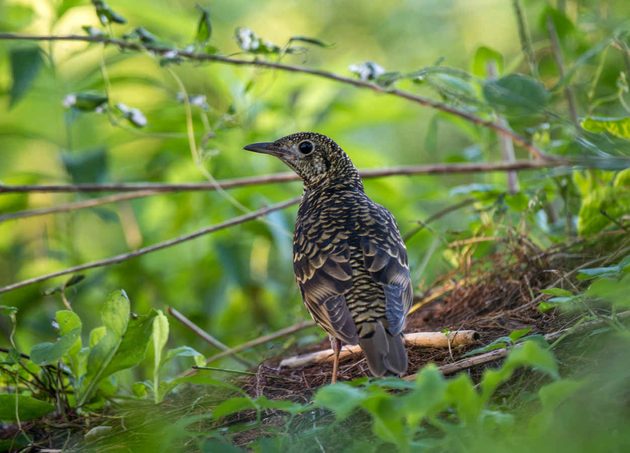
Another master of camouflage: White’s Thrush.
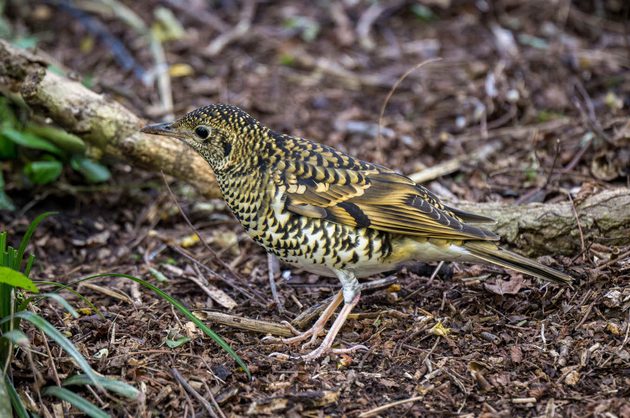
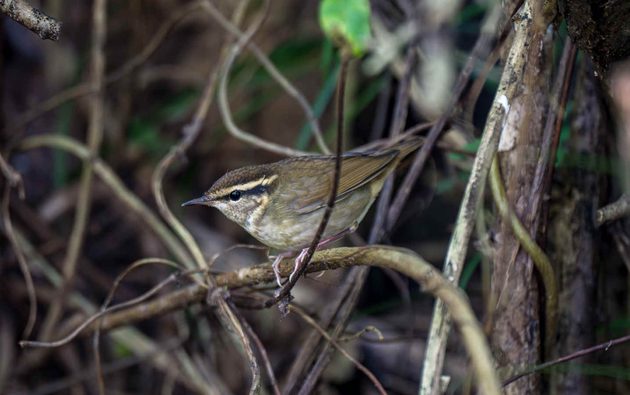
The Asian Stubtail is also remarkably invisible unless it moves – which it does quite a bit.
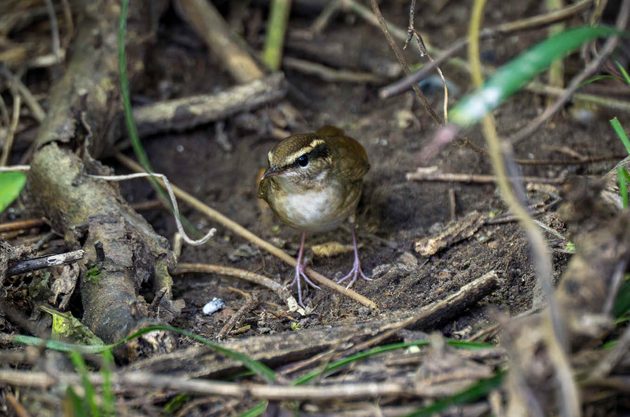
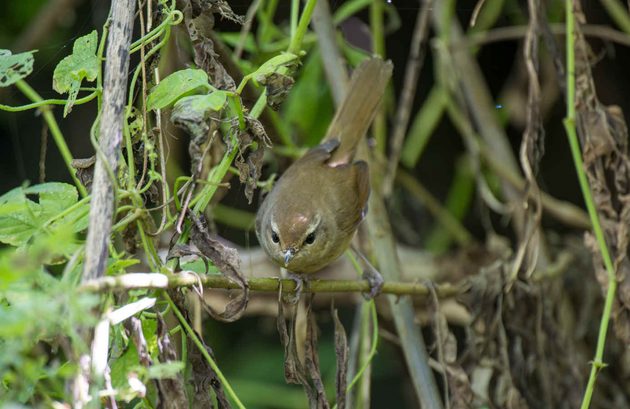
Bigger but similar in this respect: the Manchurian Bush Warbler
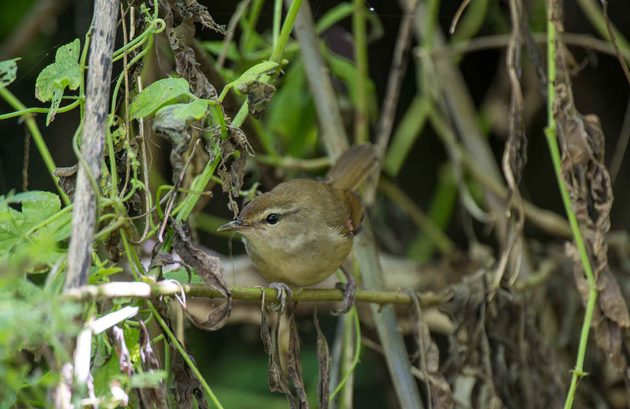
Not quite as good at camouflage: The Grey-backed Thrush.
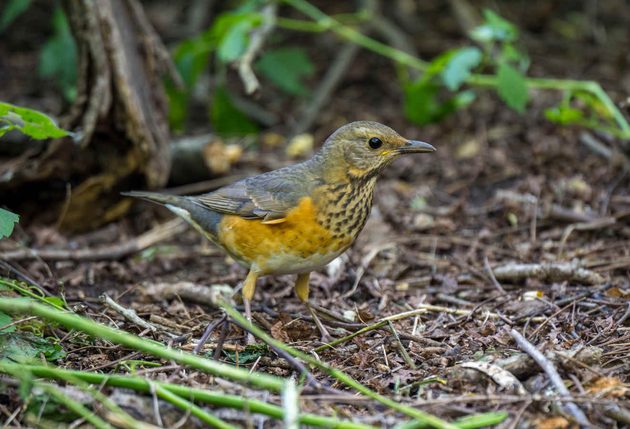
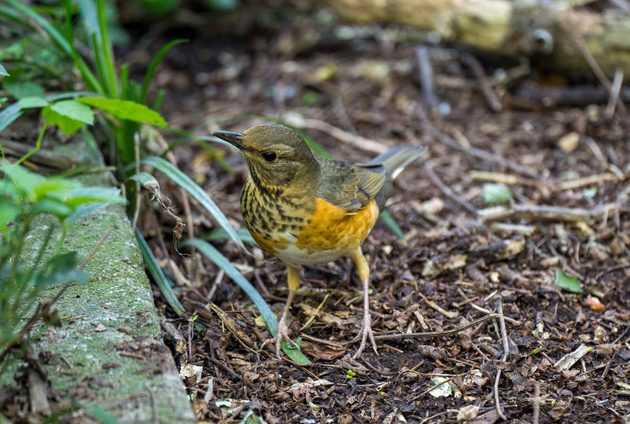
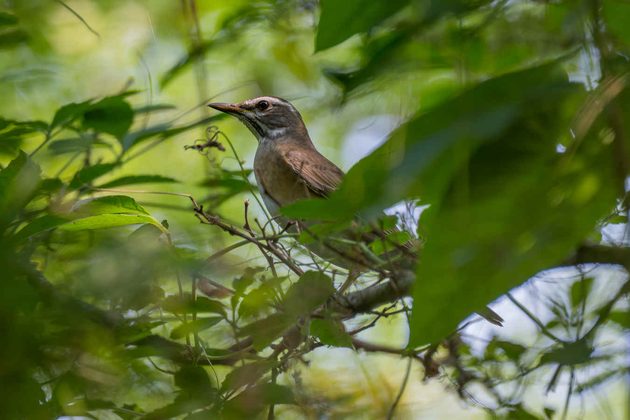
Intermediate camouflage: Eyebrowed Thrush
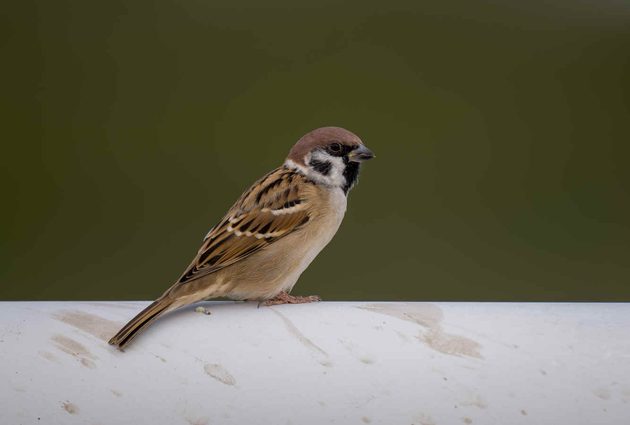
Not trying hard in this exposed position: Eurasian Tree Sparrow.
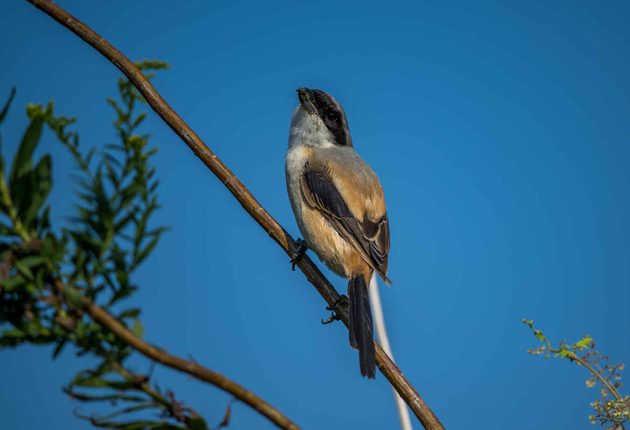
At least one species is almost always fairly easy to see at Nanhui: the Long-tailed Shrike.
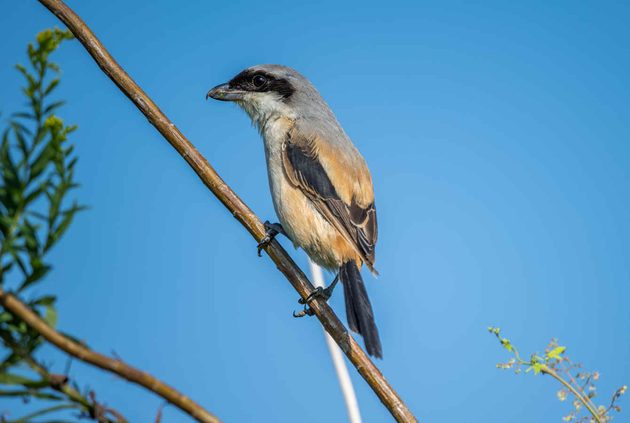
Given that this species seems to almost enjoy bullying other species, it seems almost fair that it is parasitized by species such as the Asian Koel – but not here in Shanghai.
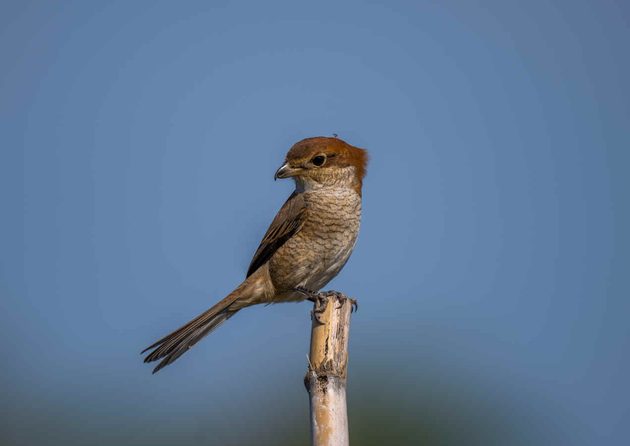
Among the species bullied is a relative, the Brown Shrike, which at this time is migrating south and thus forced to interact with the larger resident Long-tailed Shrike.
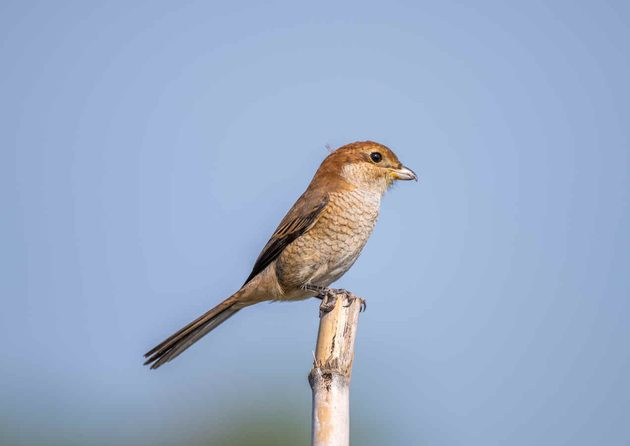
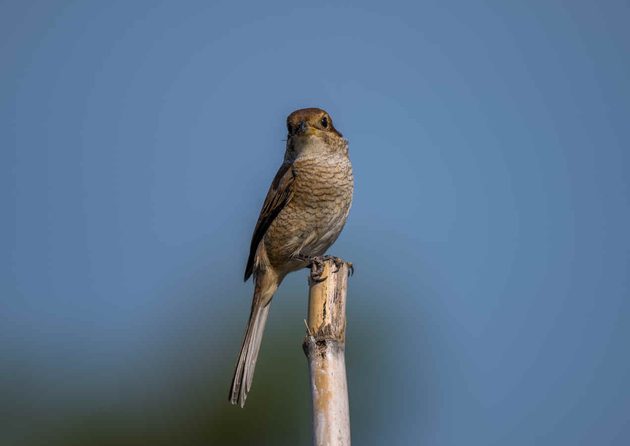
While overall, the Brown Shrike is a common species, some subspecies are not – in particular, the Japanese Brown Shrike. This leads to papers with rather specific titles such as Establishing Salvage Incubation Protocols for Abandoned Eggs of the Brown Shrike Lanius cristatus superciliosus
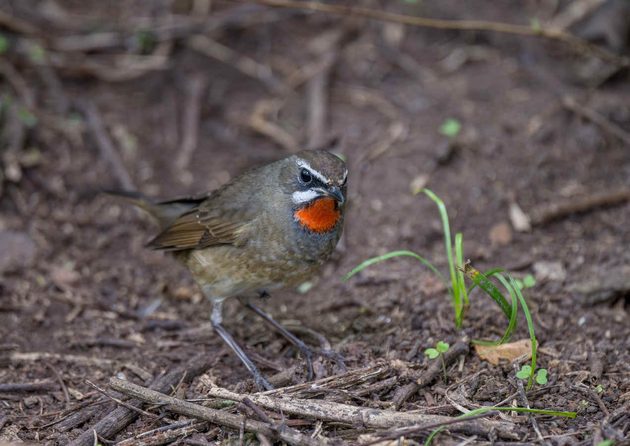
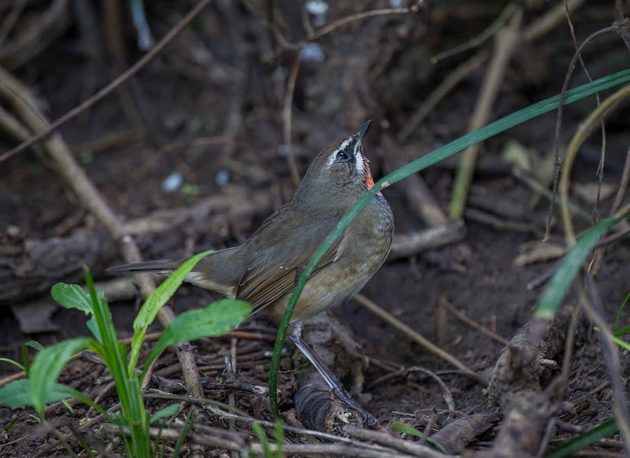
Is it sexist to be a bit disappointed in only seeing a female Siberian Rubythroat?
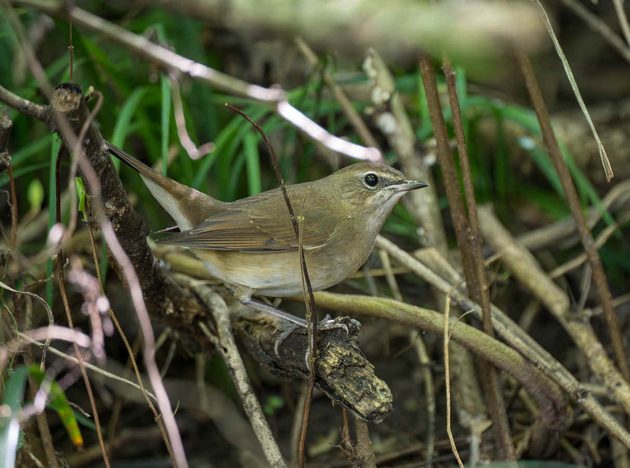
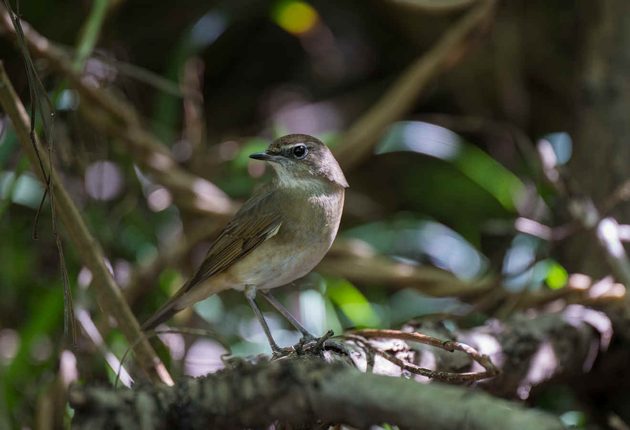
Or justified, given the looks of the male which I saw a few days later?
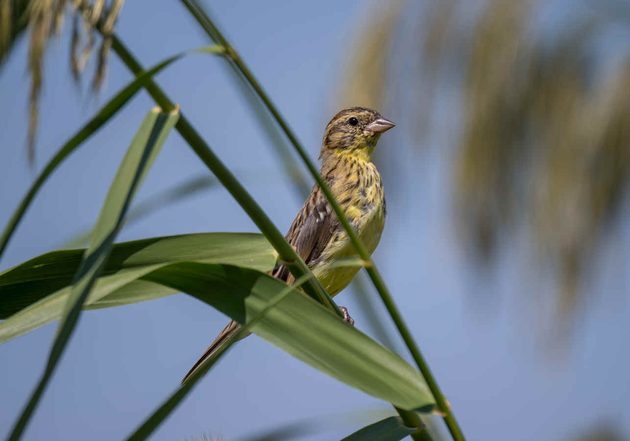
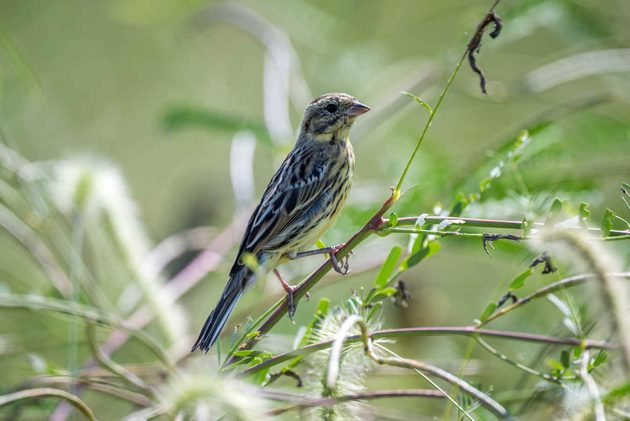
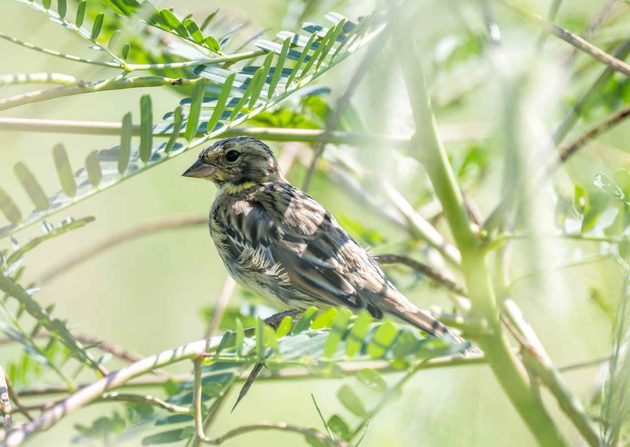
And again, photos of some Yellow-breasted Buntings before they get caught in Southeast Asia.
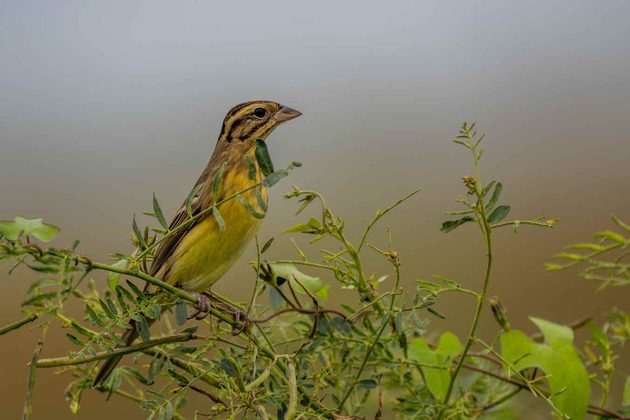
At least the birds shown here have already survived passing through other well-known persecution sites in the Bohai Bay area in China (source).
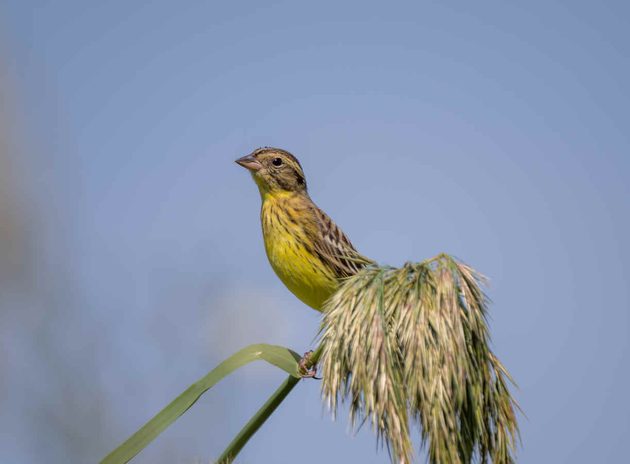
However, to be fair to humans, one paper argues that persecution is not the main reason for the drastic decline of the species: “The extermination of birds in wintering grounds significantly accelerated the decline in numbers but was hardly its main cause.” Instead, the decline in food on wintering grounds is cited as the main cause (source).
But then again, why should one be fair to humans? We are rarely fair to other species.
And it seems we are totally ok with that. To cite a recent article in The Economist on Effective Altruism (EA): “But as it has become stronger, EA has become stranger. Some EAs see the moral distinction between humans and other animals as weak, because animals experience suffering. “
So, apparently, in The Economist’s view, it is weird not to prioritize humans over animals. I disagree.
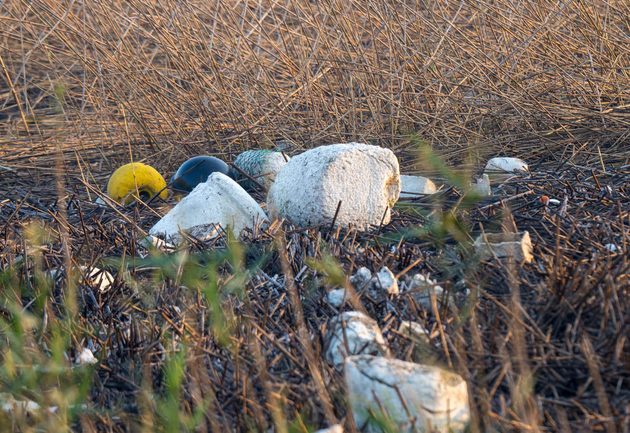
Nanhui coastline: Macro-, not microplastics







Leave a Comment