

After my university fieldtrip to Tenerife, I headed to Madeira with two friends. We spent a few days hiking, swimming in the sea, and exploring the towns of the island. It goes without saying that I had my camera and binoculars at hand constantly, which came in handy as we saw all of the endemics except Zino’s Petrel (of course) and some other nice birds as well.
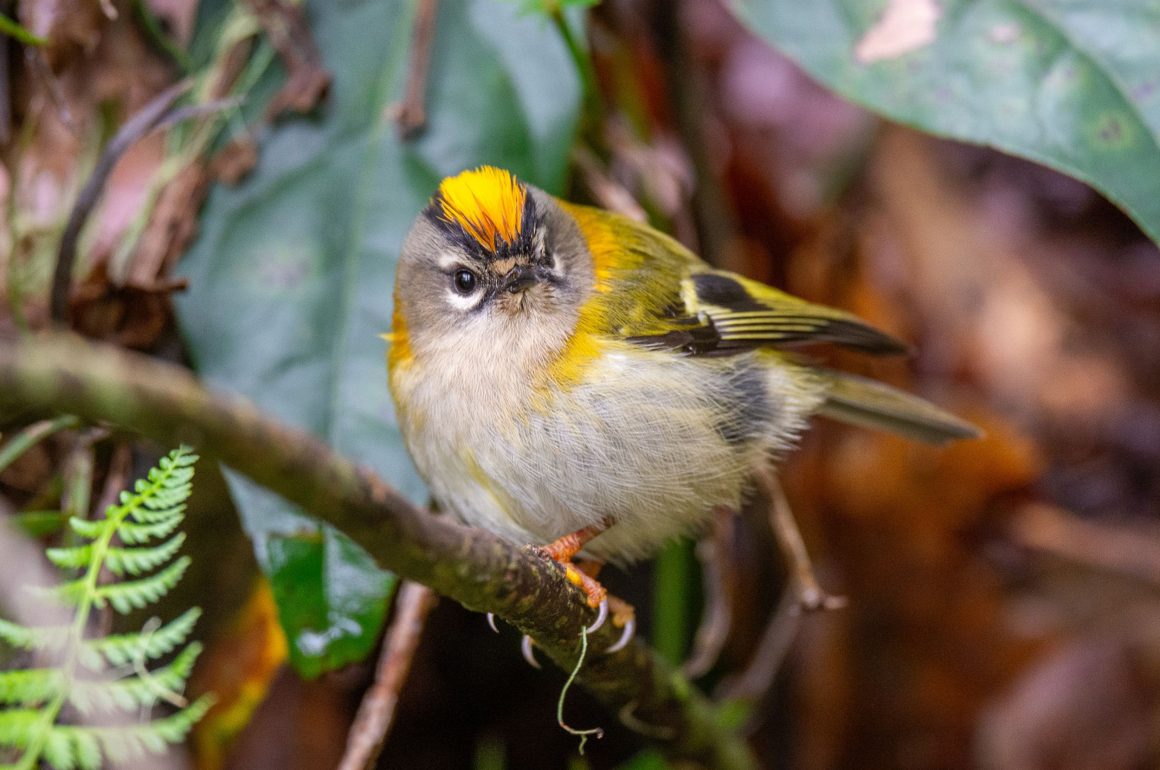
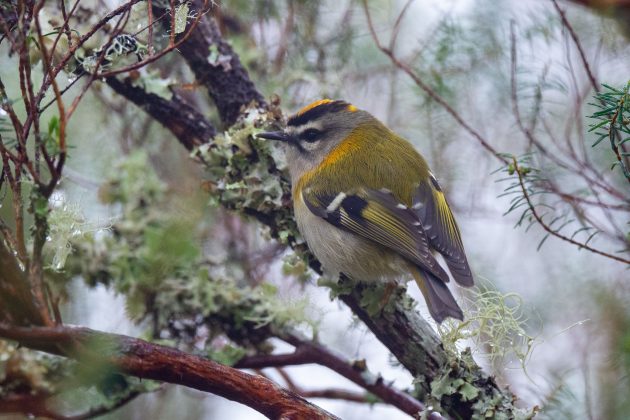
One of my favourites was Madeira Firecrest. While they have the same proportions as their European cousins (i.e. tiny balls of feathers), their plumage seems somewhat more saturated. One individual in particular put on a great show as it puffed up its crest and hopped around on the forest floor directly in front of us (cover image).
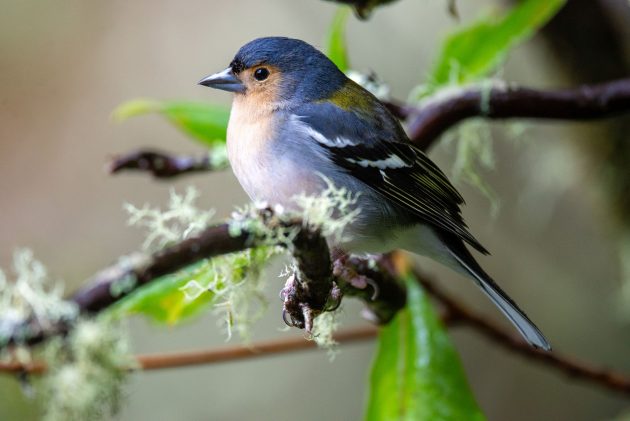
You usually expect endemics to also be somewhat hard to find. I think no species throws this assumption into disarray as much as the Madeira Chaffinch. Not only was it the most common species on our hikes in the laurel forest, it was also outrageously tame. Clearly they are used to being fed by the large number of tourists that frequent these trails, as I just stretched out my hand (with nothing on it) and an individual immediately perched on it. Similar to the Canary Islands Chaffinch that I saw for the first time only a few days earlier, these birds’ plumage has a beautiful colour palette of cream, bluish slate and green.
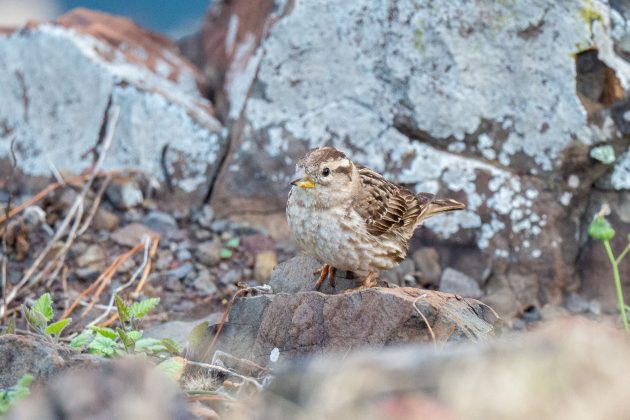
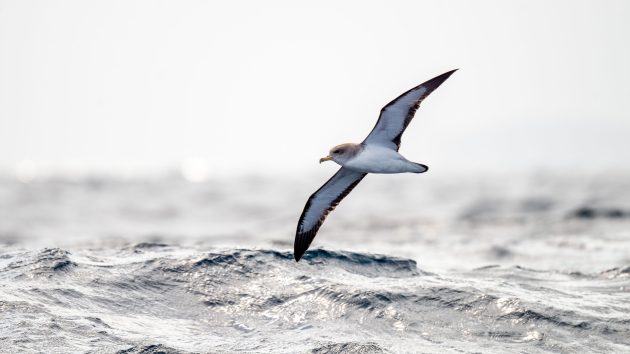
On the final day, we decided to do a whale watching trip, after the planned one on Tenerife had been cancelled due to bad weather. Just before the trip we went on a hike on the Sao Lourenco peninsula on the far east of the island. The rugged scenery at sunrise was complemented by incredibly strong winds that generated a very dramatic setting, but also meant that relatively few birds were in evidence. Fortunately, a small family of Rock Sparrows kept us entertained here, a rather bland species but one I hoped to come across here. The subsequent whale watching trip itself produced pilot wales and striped dolphins, although I was happy to be passionate about birds as the shearwaters (mostly Cory’s and a few Manx) provided constant entertainment when there were no cetaceans around.
Madeira’s laurel forests are relatively similar to those in Tenerife and I enjoyed seeing some shared features in the biogeography of these Macaronesian islands. The distinct Portuguese atmosphere in the towns was very evident though, and the landscape is somewhat more dramatic with cliffs rising immediately from the sea upwards, as evidenced by the unique airport runway built on columns along the slope.








Good read, and some very pleasing pictures.
Thank you, David! 🙂