

I was priviledged enough to spend a week on Tenerife, one of the Canary Islands off the coast of northwest Africa, on a university field trip in spring. Tenerife is well-known among birders (and visited frequently, e.g. see this 10,000 Birds post from last year) and as it was my first time in the Macaronesian islands, I was particularly excited about the mouthwater array of potential lifers. By virtue of being a fieldtrip on biodiversity conservation, we spent a good amount of time outside. As one of my friends is a birder as well, I had many opportunities to savour the island’s avifauna. One of the island’s worst storm in decades made landfall during our stay that prompted island-wide red alerts and cancellation of all outdoor activities, but the Teide, Spain’s highest mountain at 3,700 metres, shielded us from the bad weather that hit the west of the island. We thus spent two days by the pool and eating ice cream in the sun on the northeast of the island while the west received heavy snow and rain. This was rather absurd but also meant that several outings that would have produced more birds, including a whale watching trip, were cancelled.
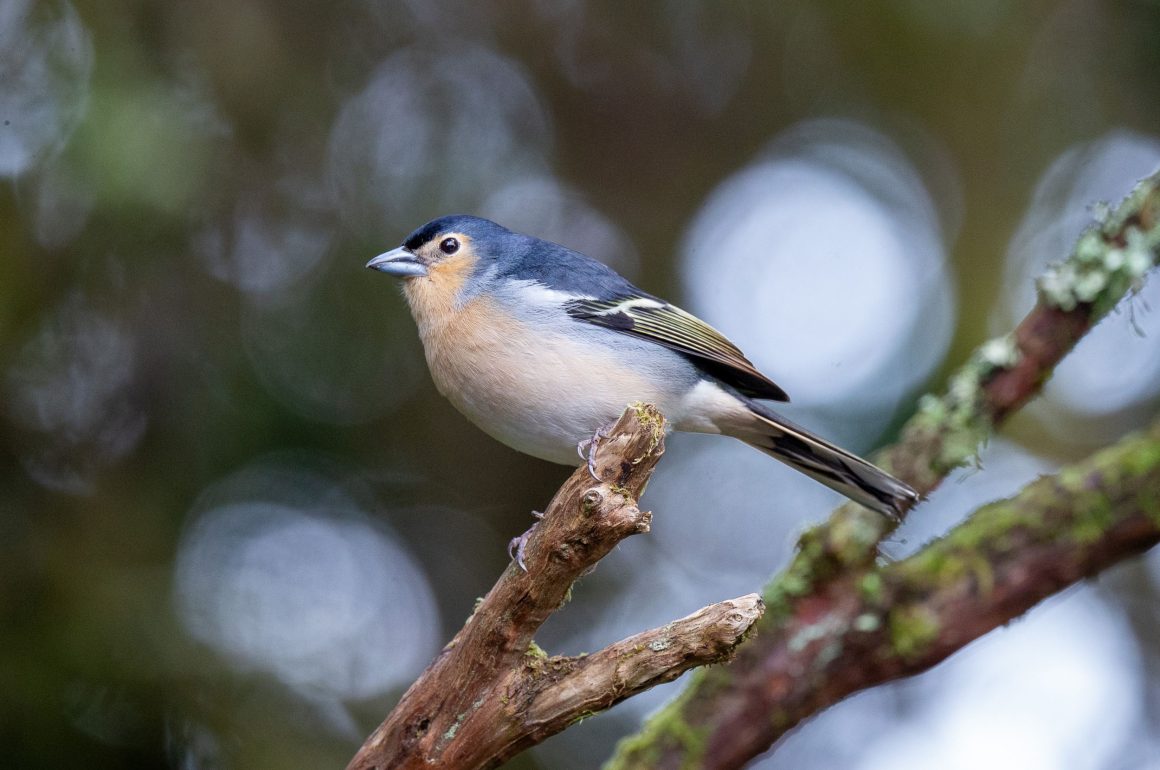
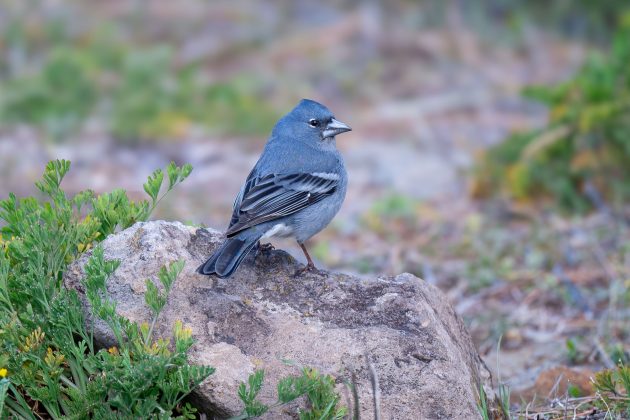
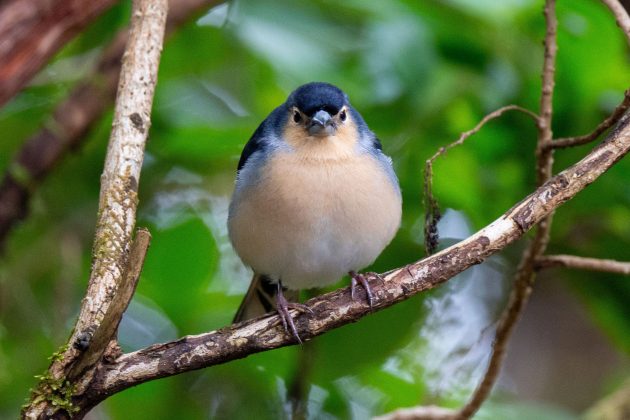
Fortunately, I still managed to see all terrestrial target species. Both Tenerife Blue Chaffinch and Canary Islands Chaffinch were easily found, the former in the pine forest and the latter in the laurel forest. Both were pretty tame, which was amazing as they are truly beautiful birds.
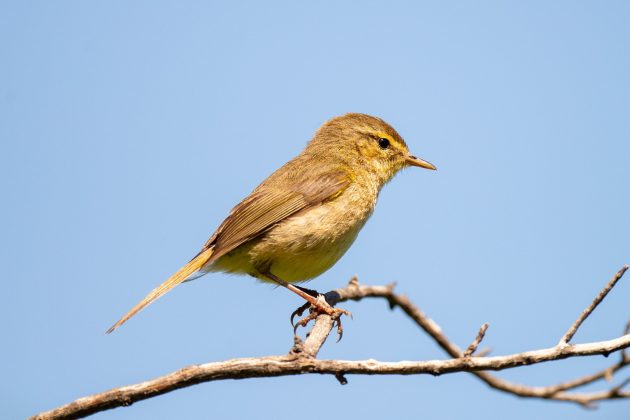
I enjoyed several animated discussions with my coursemates on speciation, and whether we would categorise ourselves as lumpers or splitters. Some birds inspired particularly heated arguments, such as the Canary Islands Chiffchaff.
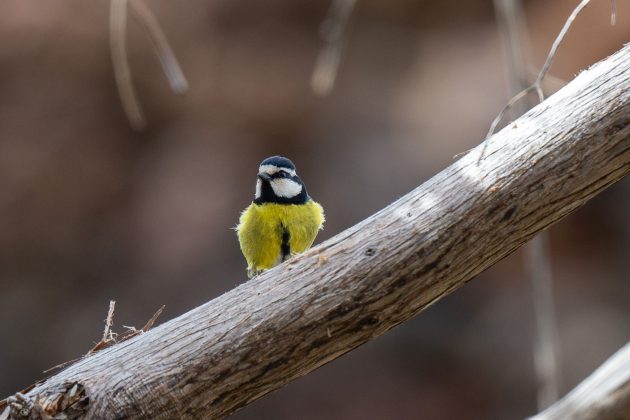
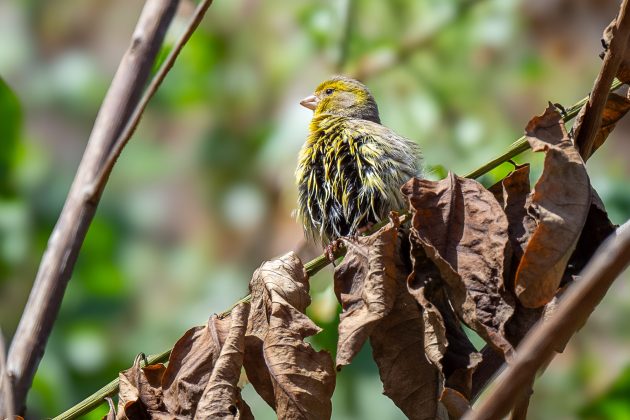
For others, we were happy to simply accept their appearance regardless of where we had placed ourselves on the splitter-lumper continuum. African Blue Tit and Island Canary are good examples. I had been wanting to see the former for ages given its significantly more saturated plumage compared to its congener on the European mainland, while hearing canaries singing in the wild was a cool experience as well.
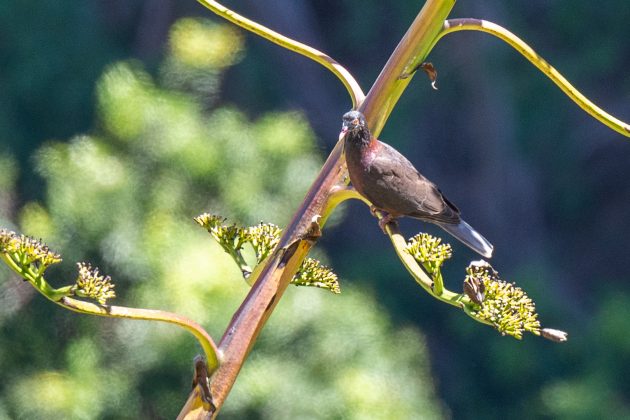
To the amusement of my coursemates who are not particularly interested in birds, seeing the two pigeons (Bolle’s and Laurel) was probably the birding priority for me. At every Feral Pigeon we passed during strolls in La Laguna, where we stayed, they turned to me with grins on their faces, remarking “another pigeon” and pretending to lose it in excitement. I did see both fortunately, although Bolle’s Pigeon only afforded a glimpse as our van sped through the laurel forest.
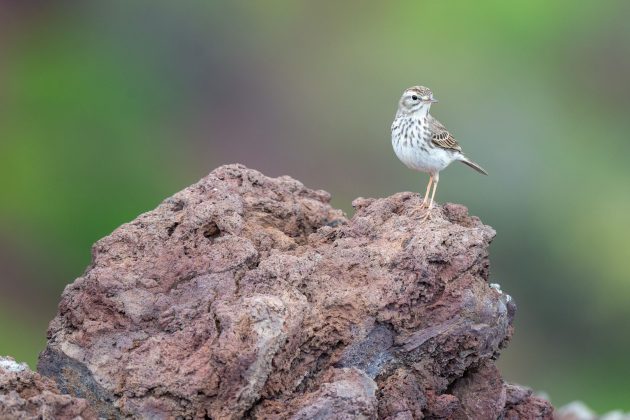
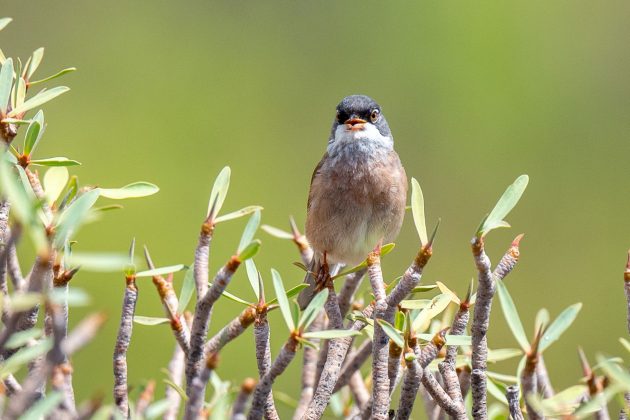
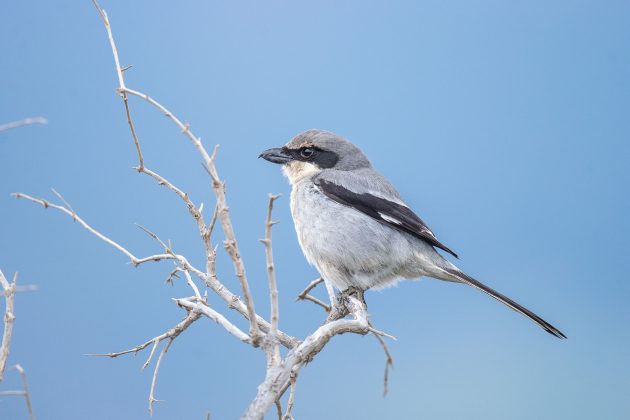
We also spent some time in the arid southeast of the island. This area has distinctively different birds and I was on the lookout for Bethelot’s Pipit and Spectacled Warbler in particular. Both were quite common, and a Great Grey Shrike offered unbeatable views as our group passed a perched individual just metres away. It really was ridiculously tame, which was very surprising as all previous individuals I’ve seen were pretty shy.
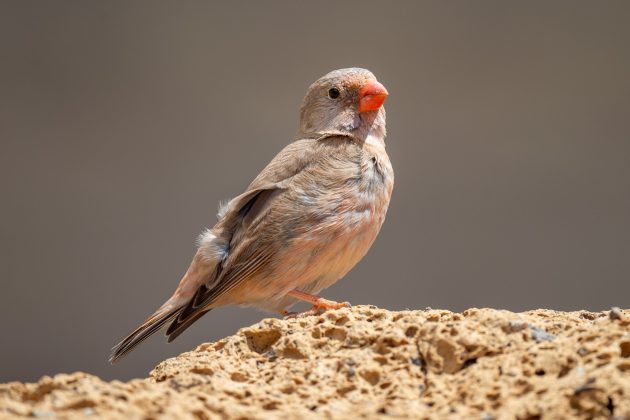
The day after the fieldtrip ended, I returned here to track down Trumpeter Finch, which always appealed to me in field guides and which had been seen there recently. Fortunately, I managed to find a very obliging individual that offered unbeatable views.
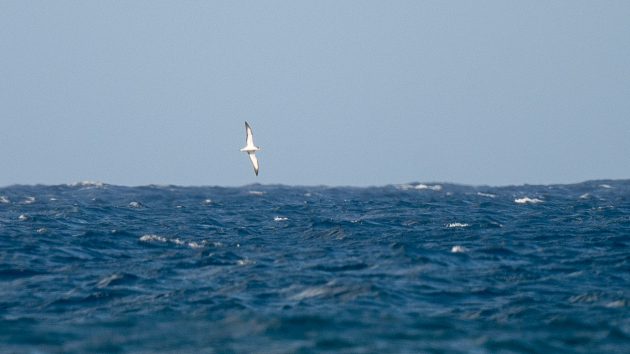
We ended the trip with a day at the beach, which was not only relaxing for me though because I was on a mission to obtain at least somewhat acceptable photos of Cory’s Shearwaters that passed by relatively close to shore.
My first visit to the Canary Islands was thus a great success, and the ease with which birding and general travel can be combined on the islands is definitely a great indicator of its quality as a birding location. Two friends and myself continued on to Madeira, where I also had some good sightings that I will share in my next post.






Leave a Comment