
There is no better birding site in Sri Lanka than the Sinharaja Rainforest, particularly when it comes to seeing endemics. Sinharaja is quite an expansive forest and there are multiple places where it can be accessed, hosting a slightly different suite of birds. However, most people equate Sinharaja with its northern entrance at the village of Kudawa, which is also the focus of this post. In my next post, I’ll cover the main southern entrance near the town of Deniyaya.
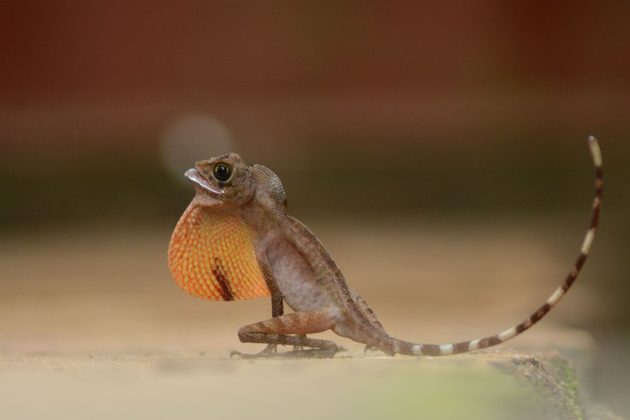
The stunning vegetation from rattan palms and pitcher plants to giant rainforest trees aside, Sinharaja is a truly amazing site not only for its birds, but also reptiles. There are several endemic species, including the Sri Lanka Kangaroo Lizard. These lizards are pretty common along the trails but can be tricky to find. With luck, you might see one displaying, which is when they reveal a huge orange flap of skin that’s normally tucked away at their throat.
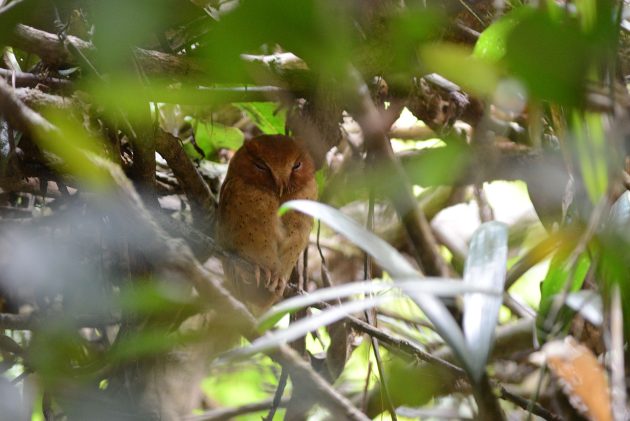
Staying true to the blog and moving on to the birds, Sinharaja’s star species is the Serendib Scops-Owl. As people like to point out, this bird was only described to science in 2004. This is pretty insane to consider, and thus it’s obviously really special to see this bird. You never come across them by chance though. The guides normally locate these birds based on their calls (probably best not to share the exact method for how they find the birds considering it’s such a threatened and localised species), and then show it to visitors for a small fee the next day. The word usually spreads quickly so if you ask your guide (you’re obliged to have a guide to enter the forest) that you want to see one, they can typically point you to the right person.
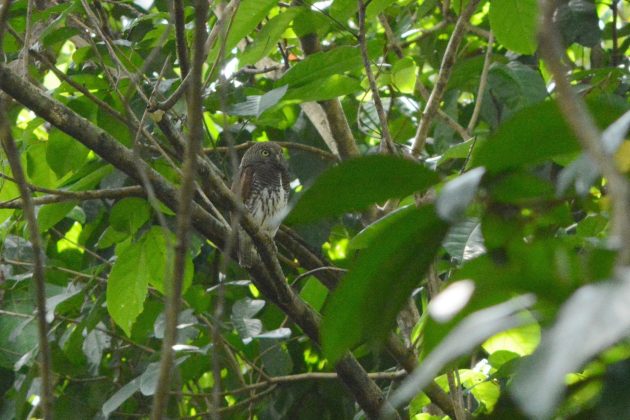
Slightly more widespread in Sri Lanka but always not much easier to find is the Chestnut-backed Owlet, also an endemic species. This adorable species is known to occur in some places outside the forest where a guide can find it for you, but I prefer to see birds with more chance involved, even if that means you’re more likely to miss them. I was lucky with the Chestnut-backed Owlet as I found a pair on a hike to Sinhagala, a cliff outcrop in the middle of the forest.
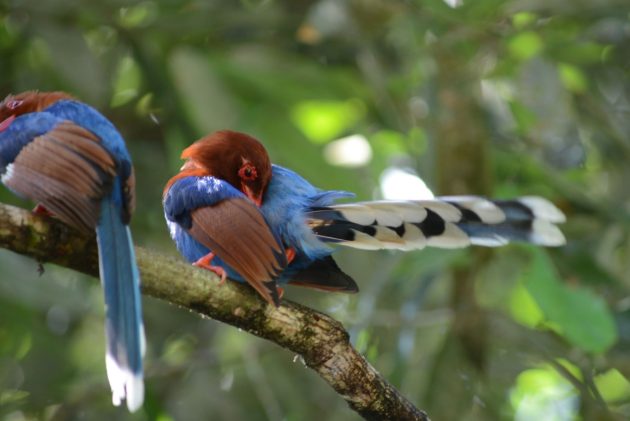
Another characteristic birds of Sinharaja, and probably one of the birds non-birders will come across most in tourist brochures, logos, etc. is the Sri Lanka Blue Magpie. This species often hangs around the visitors centre or along the trails at the forest entrance. The combination of their warm brown and bright blue plumage together with the coral red bill truly is stunning, and the fact that they move around in active groups adds to their amusing character.
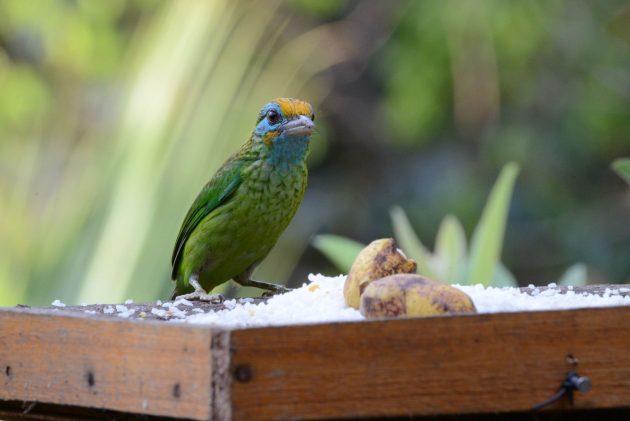
A legendary place at the north entrance to Sinharaja is Martin’s Lodge. Owned by the family of the late Martin Wijesinghe who played an instrumental role in the protection of the rainforest, this is the best place to stay by far, given that it’s right by the forest edge. The bird feeders here attract a good number of birds as well, including the endemic Yellow-fronted Barbet.
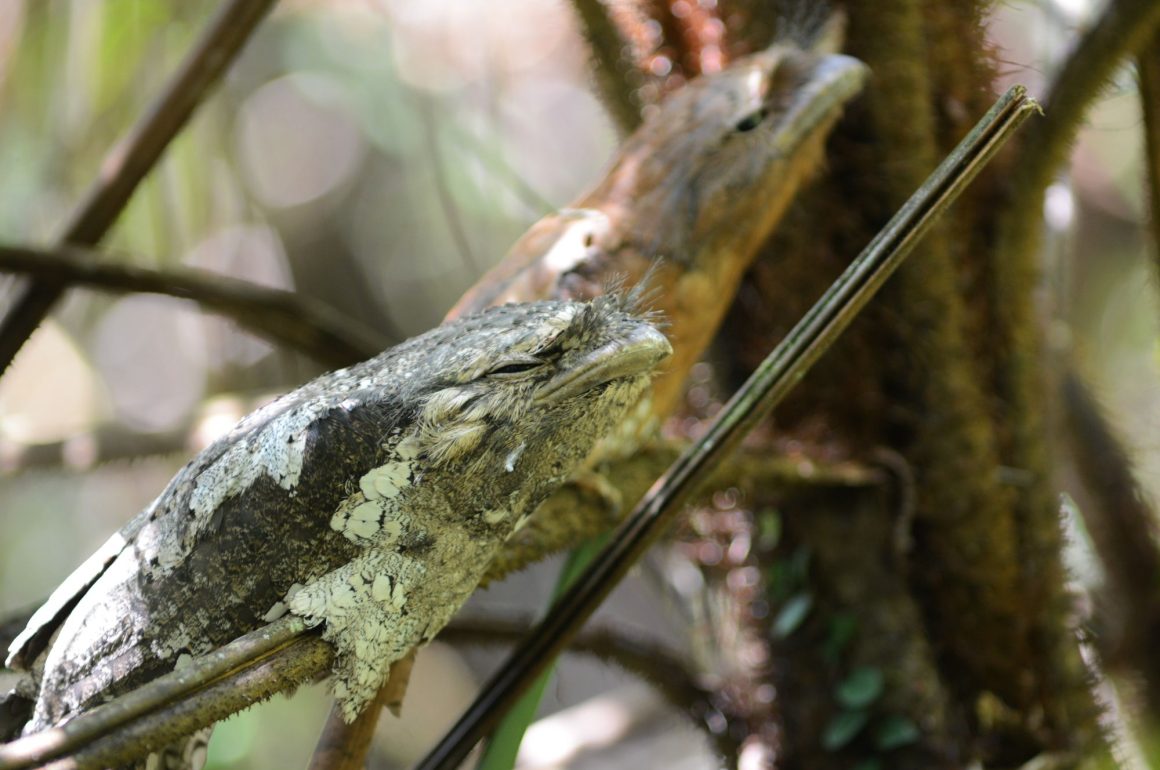
While these photos definitely don’t do justice to Sinharaja’s natural splendour, I hope they give a sense for some of the birds that can be found there. The large numbers of birders visiting this site also means that guides have great knowledge of where to find birds, with species such as Sri Lanka Frogmouth (see featured image) being easily found at specific stake-outs that the guides know. With a huge list of further endemics and other special birds in the forest, this is really the one site that can’t miss from a birder’s itinerary on a trip to Sri Lanka.



It’s a great place for birds, though on the day of my visit it rained with tropical intensity for the whole of the morning. Sadly, I remember the rain more than the birds. It was one of the last days of a 14-day birding trip to Sri Lanka, and we hoped to mop up all the endemics we had missed. We didn’t. (The Serendib Scops Owl hadn’t been discovered then.)
Real splendor!
Fantastic cover photo!
The rain can indeed be relentless there! On one of my last days in Sri Lanka, I nearly missed the last endemic, Sri Lanka Thrush, because of the rains. Fortunately they stopped last-minute and we managed to find the beast.
It’s really crazy how recently the owl was discovered!
Thank you, Kai!