

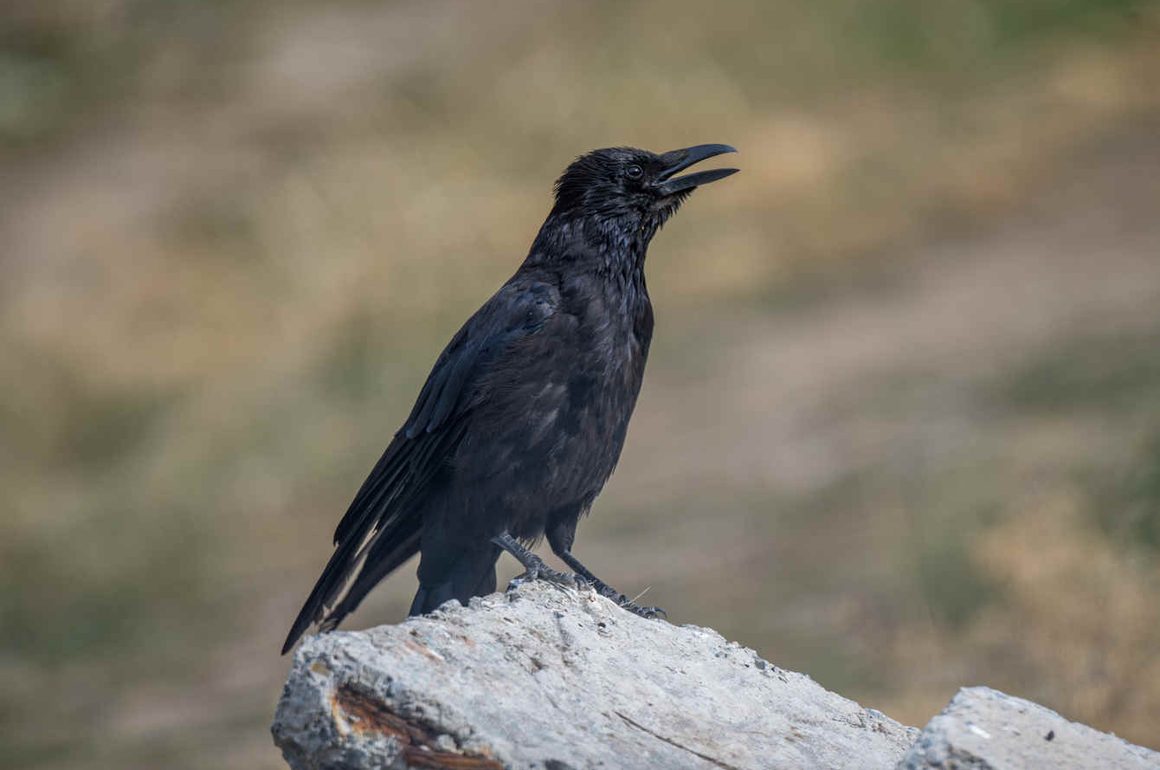
… is at least what several Xinjiang corvids told me. Not very original. Well, they are birds, not blog post writers.
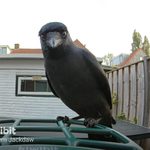
The ones I saw come in three sizes. The S size is the Jackdaw. Typical weight is about a quarter of a kilogram.
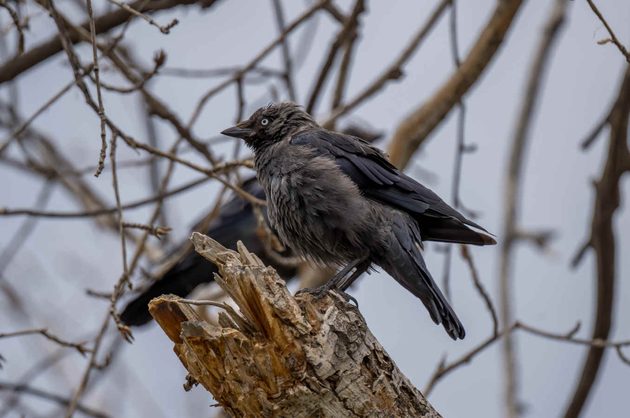
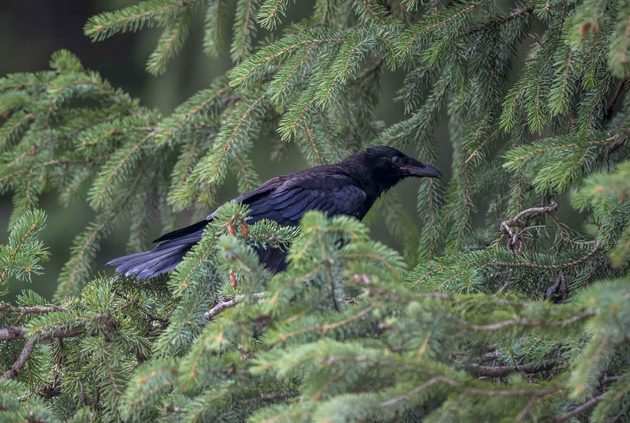
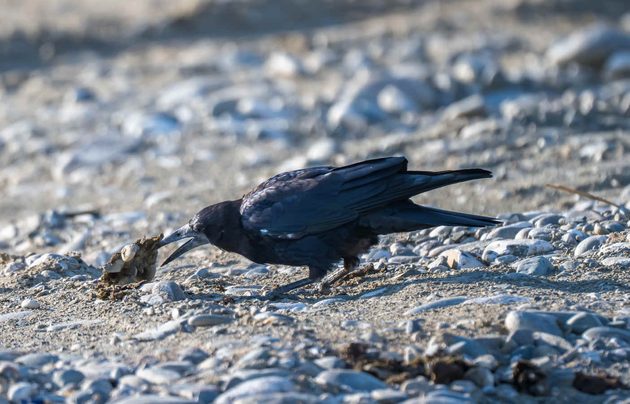
M is generally regarded as the most popular size, and thus (market economics in action!) represented by two species, both weighing about half a kilogram: the Carrion Crow …
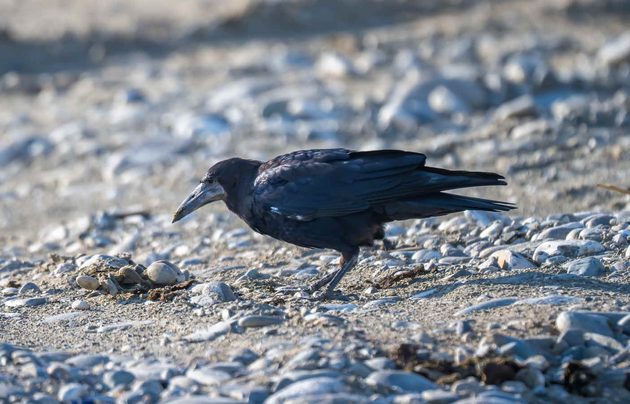
… and the Rook.
Finally, the L size (or maybe even XL?) is the Common Raven, coming in at around 1 kg (a bit less before boxing matches).
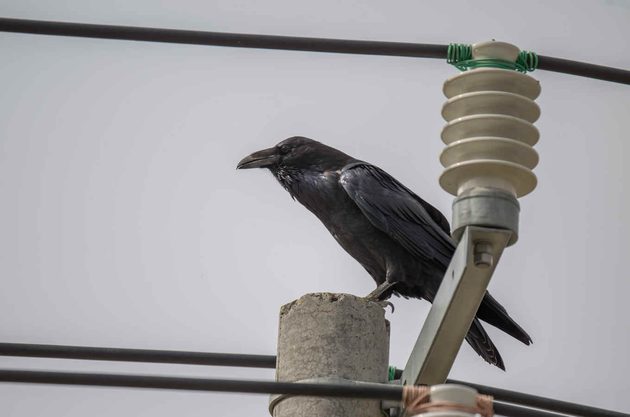
So, why does evolution need four species, the management consultant in me (always looking for simplication/ elimination of redundancies) asks?
ChatGPT gives a nice table as an answer.
| Dimension | Jackdaw | Rook | Carrion Crow | Common Raven |
|---|---|---|---|---|
| Sociability | ++ | ++ | – | + |
| Colonial breeding | + | ++ | –– | –– |
| Lives close to people | ++ | + | ++ | + |
| Urban adaptability | ++ | – | ++ | + |
| Open-country association | + | ++ | + | – |
| Habitat breadth | + | – | ++ | ++ |
| Diet variety | + | + | ++ | ++ |
| Territoriality | – | – | ++ | ++ |
| Forages in large groups | ++ | ++ | – | + |
| Nesting flexibility | ++ | – | – | ++ |
Two pluses mean the characteristic is particularly pronounced; two minuses mean it is relatively uncharacteristic.
So, it turns out that the Jackdaw …
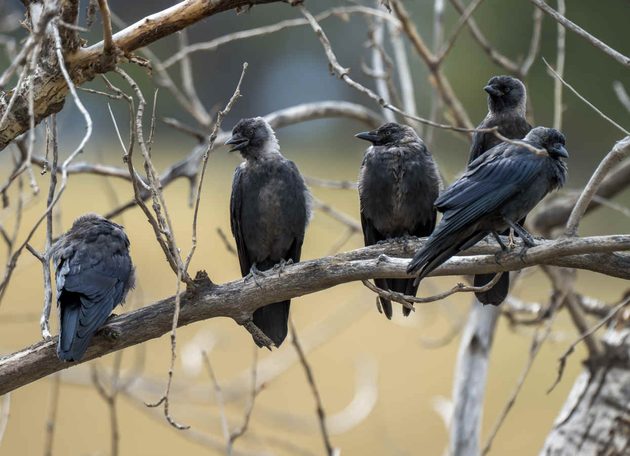
… and the Rook are the social ones (urgh, from the point of the blog post writer’s point of view).
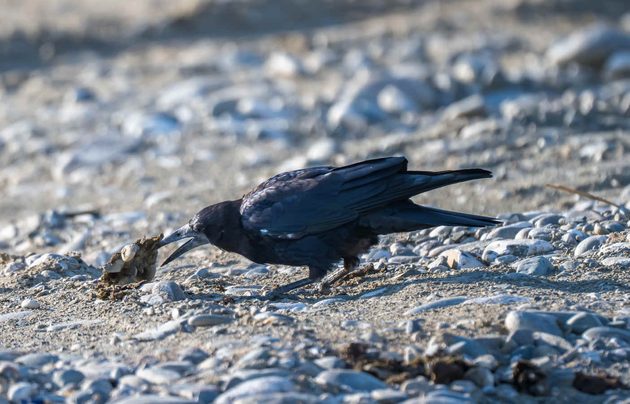
They are less territorial and are happy to forage in large groups, unlike (in particular) the Carrion Crow. Thus the need for two medium-sized species, I guess.
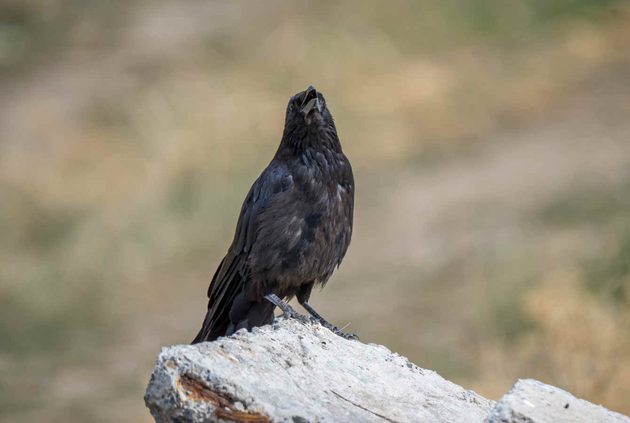
So, if I am reborn as a corvid, I would not want to be reborn as a Jackdaw or Rook. The choice between Raven and Carrion Crow? Not sure yet. Ask me again when the question becomes urgent. At the moment, I tend towards the raven – living too close to people does not sound very appealing.












Leave a Comment