

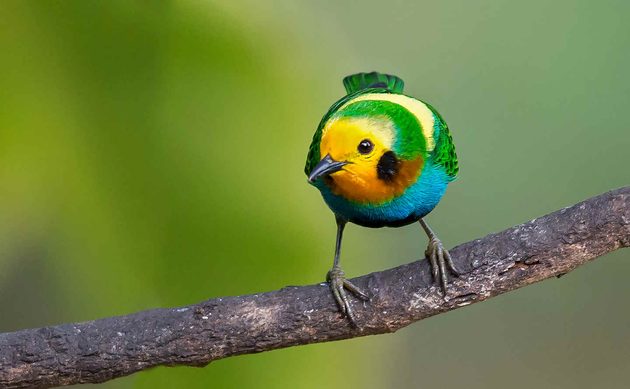
Which bird species do you think is the biggest attraction to visitors of your lodge?
The Multicolored Tanager. This Colombian endemic is a highlight of our excursions to the nearby San Antonio cloud forest and KM18 area. Araucana Lodge provides a comfortable base for exploring this habitat.
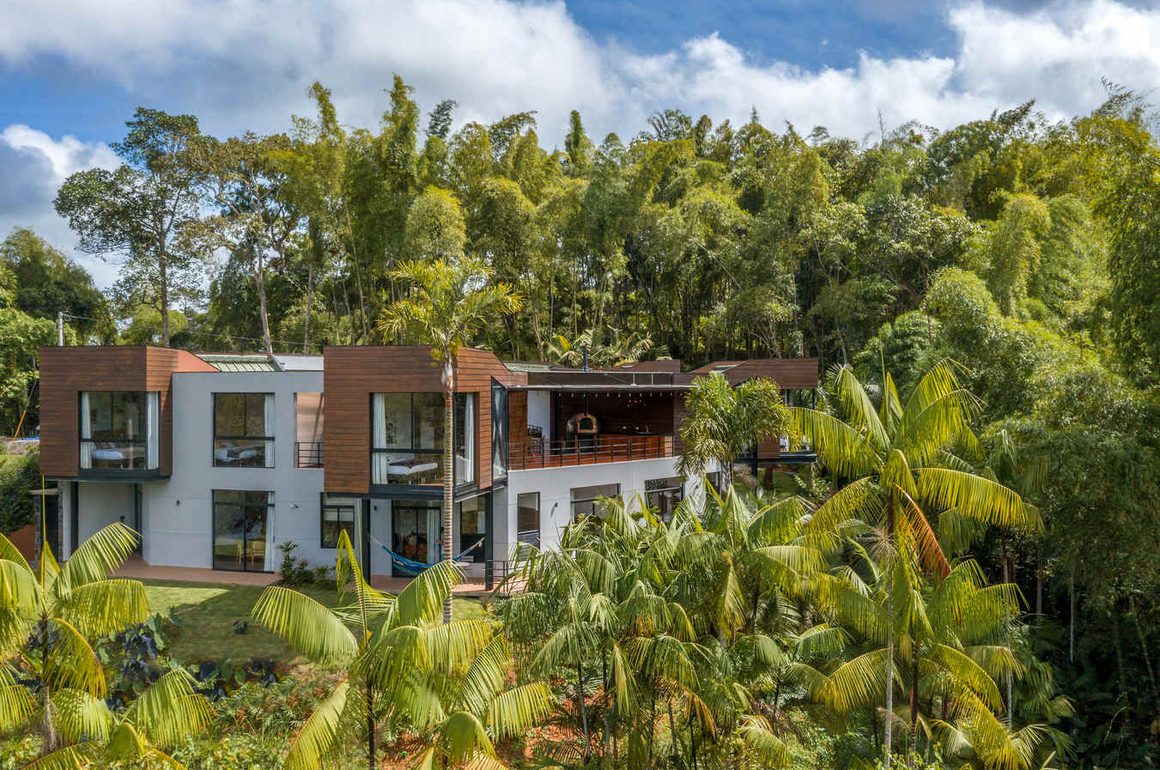
What is the name of your lodge, and since when has your lodge been operating?
Araucana Lodge opened in January 2019. We are a family-owned, ten-room lodge in Colombia’s Western Andes, outside Cali, at approximately 1,600 metres (5,250 feet) above sea level.
How best to travel to your lodge?
Fly into Alfonso Bonilla Aragón International Airport, which serves Cali (airport code CLO). We can arrange a road transfer to the lodge. Please send us your flight details in advance so we can coordinate your arrival. Our organized birding tours start and finish in Cali and include airport transfers.
What kind of services – except for accommodation and food – does your lodge offer to visiting birders? (e.g., guided tours, photography blinds, bird feeders, etc.)
Guests can explore our forest trails and gardens and spend time at the bird feeding station. Through our sister company, Colombia Birdwatch, we arrange private itineraries and scheduled group tours with bilingual bird guides, local guides at many sites, transportation, and reserve visits. We also offer dedicated bird photography tours. Excursions reach a range of habitats, from cloud forest and the Pacific foothills to dry forest and wetlands.
What makes your lodge special?
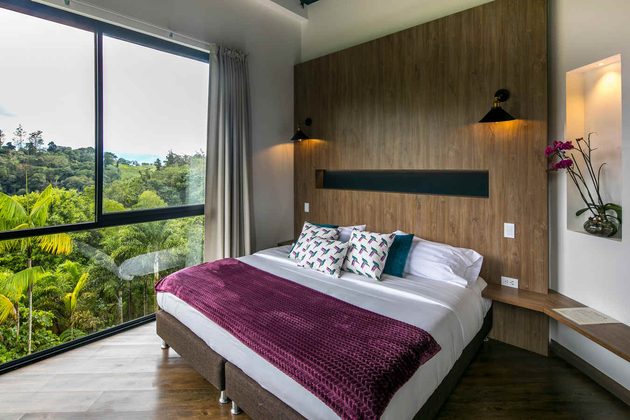
Araucana combines birding with the warmth of a family home. The property has been part of our family since our grandparents established their finca here in the 1950s. Today, protected forest, gardens, bamboo and a working farm surround ten individually decorated rooms inspired by the region’s birds.
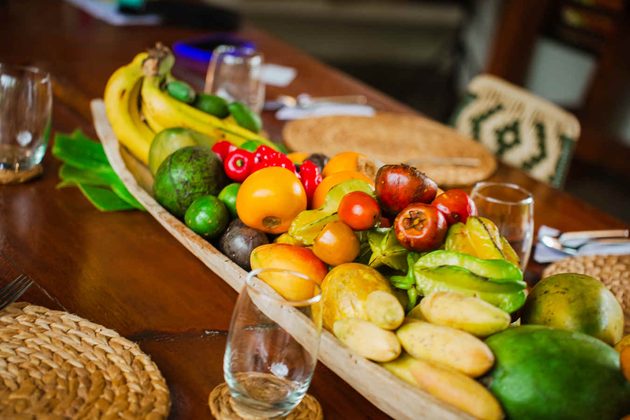
Guests can enjoy birds on the property, explore very different habitats on day trips and return to the same room each evening. Our kitchen uses vegetables, herbs and fruit grown on the farm, and meals around the communal table are an important part of a stay.
What are the 10–20 most interesting birds that your lodge offers good chances to see?
On the lodge grounds and forest trails, our target species include Parker’s Antbird, Grayish Piculet, Apical Flycatcher, Smoky-brown Woodpecker, Bar-crested Antshrike, Spectacled Parrotlet, Scaled Antpitta, Crimson-rumped Toucanet, Colombian Chachalaca and Scale-crested Pygmy-Tyrant.
Nearby excursions add Multicolored Tanager and Chestnut Wood-Quail in the KM18 and San Antonio area, and Toucan Barbet, Glistening-green Tanager and Empress Brilliant in Upper Anchicayá. These 15 species represent both the property and the surrounding region; forest species can require patience and a guide’s local knowledge.
What is the best time to visit your lodge, and why?
Birding is rewarding throughout the year. January to March and July to September have historically been drier periods, with February and March often a good choice for visitors seeking less rain. Rainfall has become less predictable, however, and some rain can help keep birds active. We recommend choosing dates around the habitats and species you most want to see, and bringing rain protection in any season.
Is your lodge involved in conservation efforts? If yes, please describe them.
Yes. We protect and care for the forest and watersheds on the property. We capture rainwater, compost organic waste, recycle, reduce single-use plastics, and use room key systems that help save electricity. Our organic gardens supply part of the kitchen’s produce.
We also support the surrounding community through local employment, training and professional development, purchases from local food producers, and work with local artists and artisans. For us, caring for the landscape and supporting the people who live here are closely connected.
What other suggestions can you give to birders interested in visiting your lodge? (for example, what to bring, how to prepare for the visit, etc.)
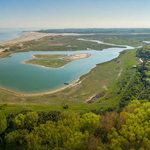
Bring binoculars, comfortable waterproof walking shoes or boots, rain protection, and layers. Temperatures change with elevation: the lodge and cloud forest can be cool, while excursions to places such as Sonso Lagoon and San Cipriano can be hot and humid. A reusable water bottle is useful; drinking-water refill stations are available at the lodge.
Tell us your target birds, photographic interests, preferred pace, mobility needs and dietary requirements before your visit. We can use that information to plan a suitable private itinerary and arrange guides in advance.
Do you have activities for non-birders? If so, please describe.
Yes. Guests can walk the forest paths, explore the gardens and farm, enjoy the terrace, or simply relax in nature. We can also arrange visits to Cali’s markets and historic centre and to botanical gardens in the region.
Our culinary journeys offer another way to experience the area, through garden harvests, hands-on cooking, Colombian coffee, market visits and shared meals. Private culinary itineraries are available by arrangement.
If any reader of 10,000 Birds is interested in staying at your lodge, how can they best contact you?
Email us at info@araucanalodge.com or visit www.araucanalodge.com. Include your preferred dates, group size, and whether you are interested in a lodge stay, a guided birding itinerary or a photography tour. We will be happy to help plan your visit.
Is there anything else you would like to share with the readers of 10,000 Birds?
We would love to welcome you to the place where our family grew up watching birds. Leave a little time between excursions to enjoy the lodge itself: a quiet morning at the feeders, a walk through the gardens, or a meal with fellow travellers can become a memorable part of the trip.
Photo Credits: Araucana Lodge except Multicolored Tanager (Juan José Arango) and tropical fruit/Araucana team (José Cadena).





Leave a Comment