

Earlier this month I experienced a poignant moment: I gave away my shotguns after more than 50 years of ownership. Shotguns? You may well ask why a weekly correspondent of 10,000 Birds, and clearly one with a passion for all things avian, should have had shotguns in the first place. I will explain.
I’ve been interested in birds for as long as I can remember. That enthusiasm for birds has never wavered, but when I was in my mid teens my interest broadened to include shooting, or what is generally know in America as hunting. (On this side of the Atlantic hunting generally means following hounds on horseback, while a hunter is the term for a horse you might ride while hunting). When I was 16 I bought a double-barrelled 12-bore shotgun and took up pigeon shooting.
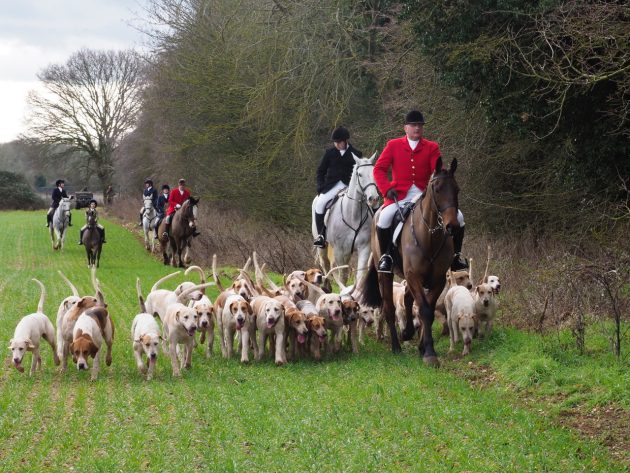
In the UK, a hunter refers to the type of horse used for following hounds
Here in the UK Wood Pigeons have always been regarded as a pest species: they don’t have a close season, and there’s no bag limit when shooting them. They also happen to be a challenging quarry, and one that is good to eat. I became a keen pursuer of pigeons, usually accompanied by a friend who, like me, was equally interested in birds. Pigeon shooting didn’t take over from bird watching, but it complemented it. Often our outings produced very few birds in the bag, but the hours spent in the countryside, observing nature, were immensely enjoyable.
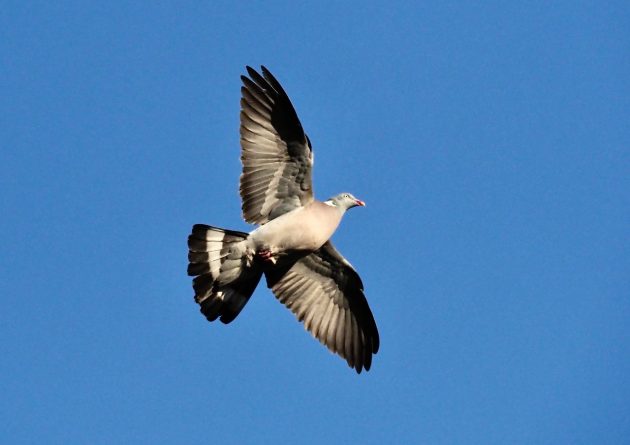
Wood Pigeons are in important quarry species in Britain. They have no close season, nor are there any bag limits, but the population thrives
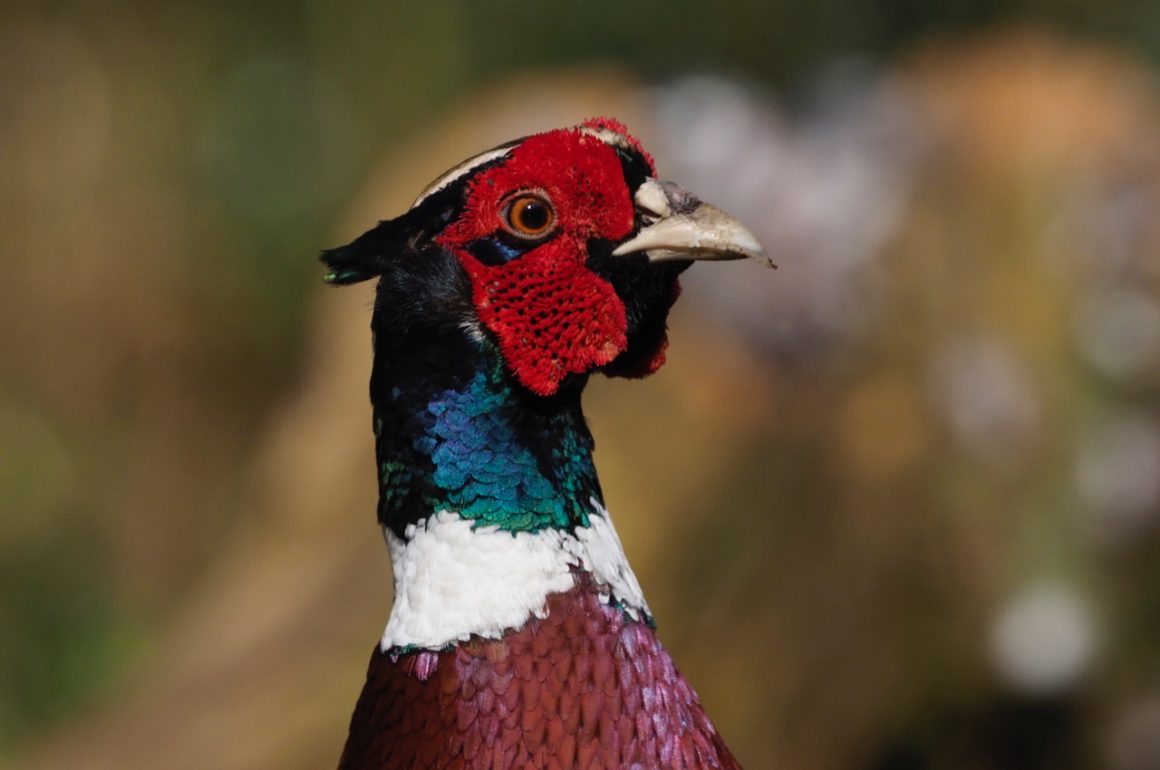
Though pigeons were our main quarry, we also shot rabbits when we got the chance, while my first-ever Pheasant, shot one Boxing Day, was a major prize. I was so thrilled that I had it stuffed, and it’s only relatively recently that I finally got rid of it, as it was looking somewhat tatty. My enthusiasm for shooting was enhanced by reading authors like BB (D.J.Watkins-Pitchford), who was a great naturalist, a keen shooting and hunting man and a beautiful writer. I delighted in reading other works by sporting-naturalist authors such as Jim Corbett, J.K.Stanford, Abel Chapman and Peter Scott. Combining an interest in shooting and birds didn’t seem in the least bit strange to me, though I’m sure it did to many people.
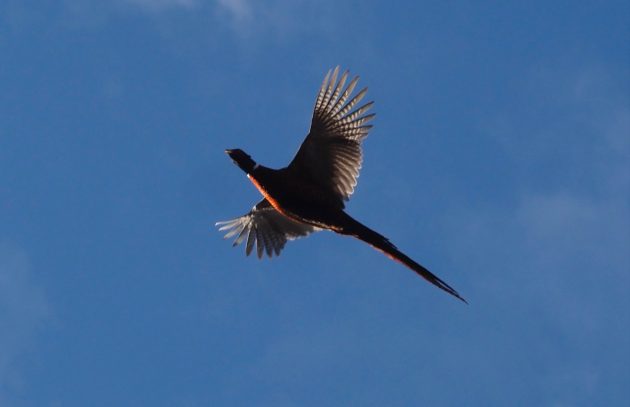
Pheasant shooting is big business in the UK, with millions shot every season
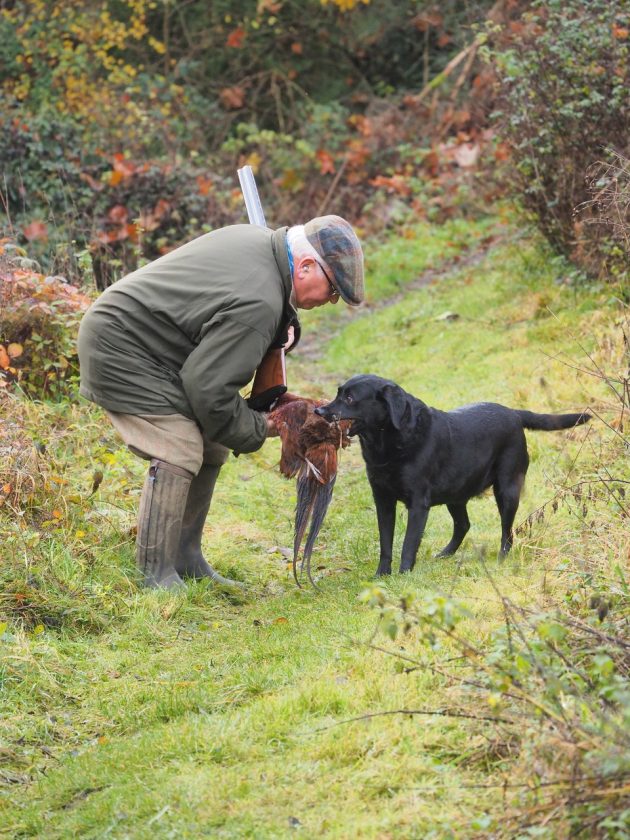
I also became involved with shooting through my job, as at the age of 20 I joined the editorial team of Shooting Times & Country Magazine (which, incidentally, I still write for). Shooting Times has been published weekly since 1882. My shooting experiences broadened. I went wildfowling (duck shooting on the foreshore) for the first time, while Pheasants replaced Wood Pigeons as my principal quarry.
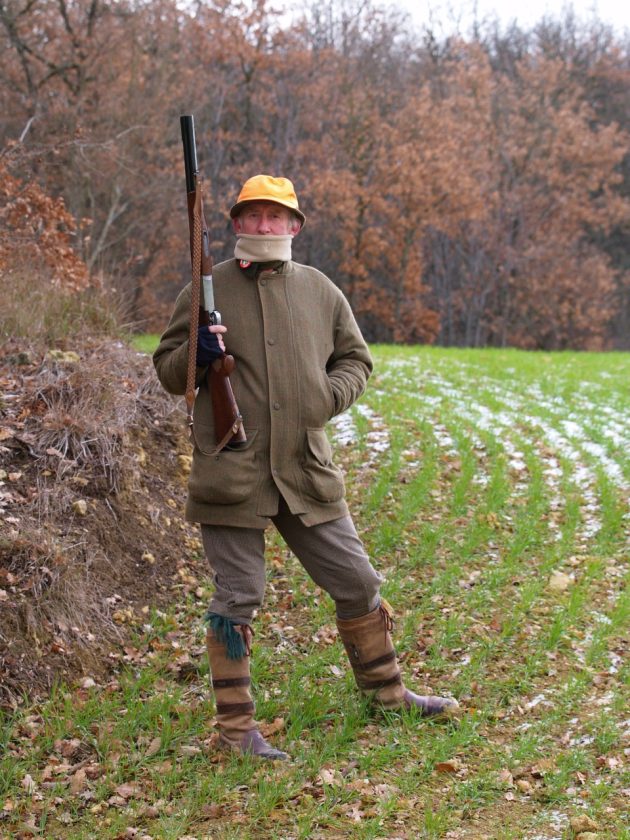
Wild-boar hunting in France. No boars were shot, and I never fired the (borrowed) gun
In the years that followed I experienced most of the types of shooting that are practised in the British Isles, from deer stalking to driven Pheasants, and shot a wide variety of quarry, but my interest was always in the pursuit rather than firing the gun. My favourite days were spent hunting hedgerows with spaniels, coming home, perhaps, with four or five pheasants. I was a pot hunter, as what I shot I ate. The first meal I ever cooked for my wife (when she was still my girlfriend) was Pheasant in cream sauce: I had shot the bird, and plucked and dressed it.
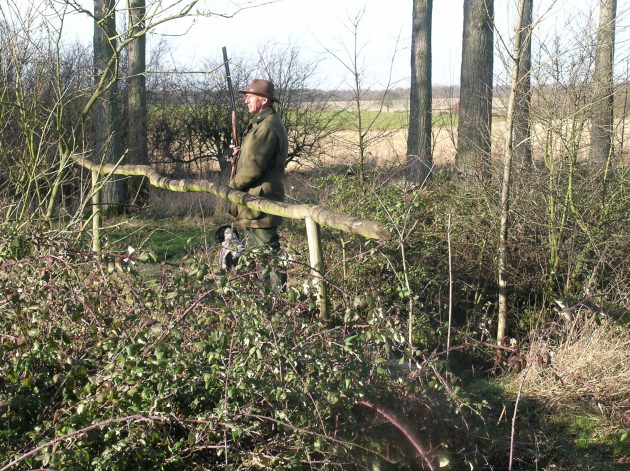
There were many aspects of shooting that I loved. The camaraderie, the picnic lunches, seeing the dogs work, being out in the countryside regardless of the weather. I continued shooting because I was quite good at it and I didn’t miss much – my hand-to-eye co-ordination was helped by the fact that I played competitive tennis and squash. However, as the years passed I became less interested in the actual shooting, culminating in me forgetting to take my gun once for a Boxing Day shoot (I did remember my spaniels). I reached the point when I found working the dogs much more rewarding than carrying a gun.
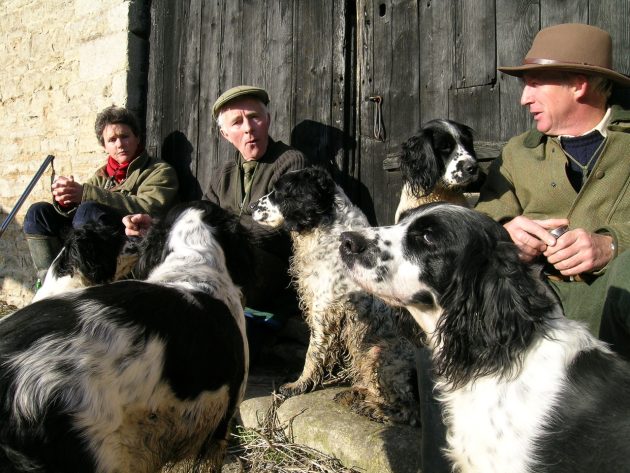
A shooting lunch with spaniels 21 years ago – the author on the right
Eventually I didn’t want to shoot anymore, but I still enjoyed working my dogs. Spaniels were originally bred for shooting, and that’s what they like doing best. My current spaniel, Emma, is really a birdwatching dog, but she has two or three shooting excursions a year which she loves. My guns remained unused for years, which is why I decided to get rid of them. Unlike the USA, there’s no right to bear arms here in Britain, and an expensive certificate from the police is required to posses them. That certificate was due for renewal.
I don’t regret my shooting, as it has given me a much broader perspective on conservation and the challenges of ensuring wildlife survives in the modern countryside. I’ve witnessed how farms and estates where shooting takes place invariably have more wild birds than neighbouring land where there’s no shooting, as game cover is valued by many more species than just Pheasants and Partridges. Most birdwatchers would like to see driven Grouse shooting banned, but heather moorland managed for Red Grouse also provides invaluable habitat for birds like Curlews, Lapwings and Golden Plovers. Stop the shooting and the impact would have far-reaching implications for other birds.
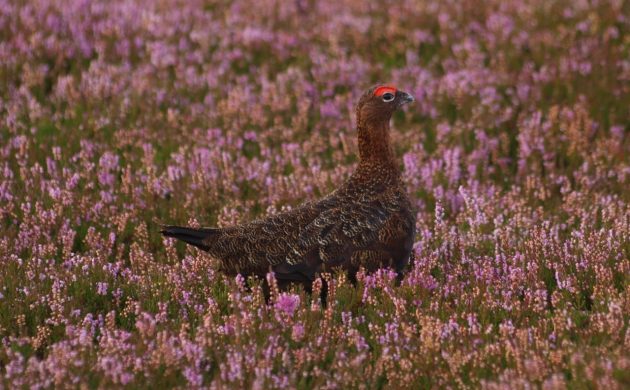
Grouse shooting in Britain remains highly controversial
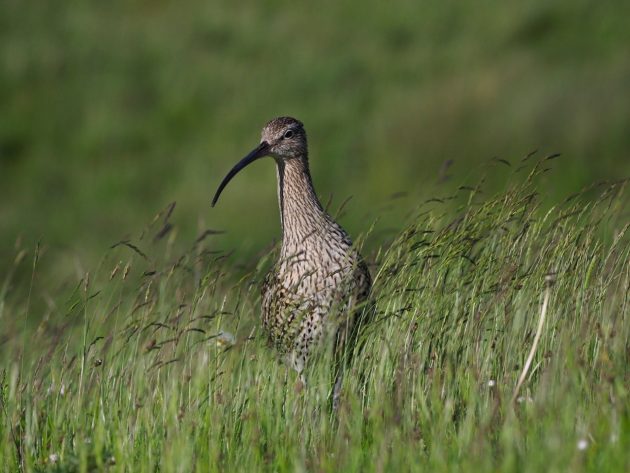
Curlews thrive on moors managed for grouse shooting
Sir Peter Scott, the founder of the Wildfowl and Wetlands Trust (WWT), is widely regarded as one of the pioneers of the modern conservation movement. Not for nothing did Sir David Attenborough call him “the patron saint of conservation”. In his twenties Scott was a passionate wildfowler, as his books Wild Chorus and Morning Flight bear witness. In his autobiography, The Eye of the Wind, he wrote: “If anyone asked me, and they frequently did, how I could equate the killing [geese were his favourite quarry] with my evident love of the living birds, my answer was given without hesitation. They were man’s traditional quarry and it was part of man’s instinct to hunt; it was part of the bird’s instinct to be hunted, My delight and admiration for the wild geese was based as much upon their supreme capacity to remain watchful and to look after themselves as it was upon their beauty and grace. There was nothing sentimental about my regard for them.”
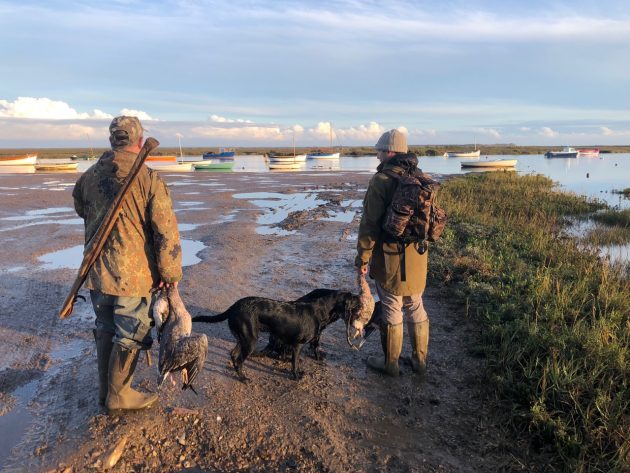
Wildfowlers in North Norfolk after a successful outing
I suspect that I am one of the last of a disappearing breed: the naturalist shooting man. It seems to be rare these days for anyone to combine the two interests. I never understood why anyone who went shooting could enjoy the day if they didn’t appreciate the countryside or know the names of the birds they saw. Respect for my quarry was an essential part of my shooting creed.
Shooting has given me a set of field skills that many birdwatchers often lack, such as how to approach birds without disturbing them, even where and when to look for them. I’m interested in much more than the birds I see, noting the land use taking place, the crops being grown, how the woodland or hedgerows are being managed, whether game crops have been planted. I’m sure that many birders do this, too, but my shooting background has certainly made me more aware of these things.
Though I may have given up my guns, I haven’t lost my hunting instinct. These days I carry a camera rather than a gun, and a good photograph has become my trophy. It’s just as challenging but much more satisfying, while I can also share my best pictures with readers on 10,000 Birds. What’s more, there’s no closed season when it comes to photography, every species is on the quarry list, and I don’t require a certificate from the police to keep my camera. I recommend it.




Beautiful story. Very recognisable.
I understand and accept such views.
…and I was fighting shooting lobby in my country too many times.
Responsible shooting can be a force for the good for conservation; shooting migrant birds (such as turtle doves) is another thing altogether, especially when the shooting is unsustainable. However, I think it is vitally important to work with those who shoot, not simply to oppose them.
Yep. Was fighting for Turtle Doves and Quails for good 15 years. Until the burnout. In the same period, at one bird club AGM, I voted for a hunter (also birder) to become the new president.