

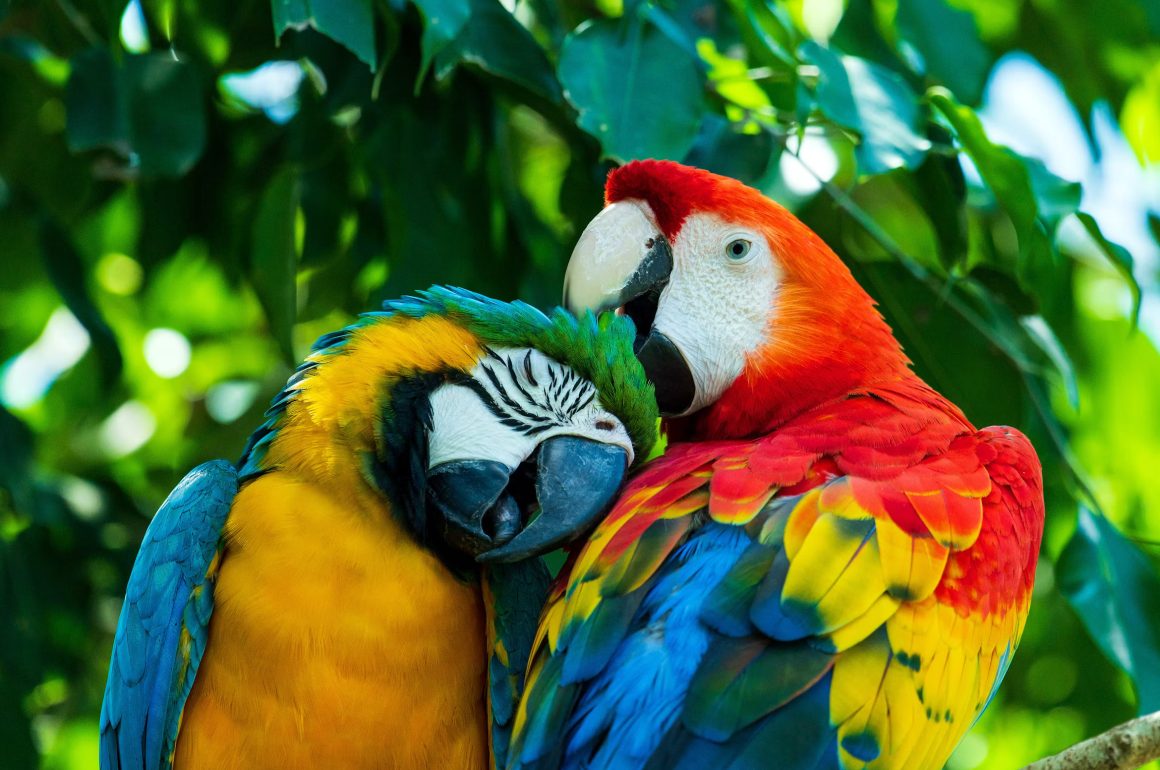
A few days ago I ducked into a little old bookshop and came out with a book about providing “First Aid for Birds” by July Rach and Gary A. Gallerstein. I wasn’t looking for anything specific – I just decided on a whim, when my eyes landed on the beautiful cover, that I’d give them permission to wander a little further. The book’s worn spine indicated that its previous owner hadn’t used it sparingly. The small notes and question marks scattered through the pages made it seem like someone had cultivated the gift of critical thinking. Brilliant, I thought. I wondered if it helped save a feathered friend on more than a couple of occasions.
Now, this wasn’t a brand-new book. And even if it had the year 2026 stamped on the cover, I still wouldn’t feel qualified to judge whether the medical advice is spot-on, or assume any single resource holds the whole truth. Still, I found the material well structured, and I’ll share some of the questions it answers, without the answers themselves – because these may change. I think these are relevant for any bird owner or the accidental rescuer. The list is by no means exhaustive:
- What should a bird first aid kit contain?
- What constitutes an emergency? When should you call immediately? Call on the same day? Call the next day?
- Do you have the vet’s contact info (phone number and address)? What about the closest emergency hospital’s?
- Why might calling the vet before leaving home help?
- If the vet asks, can you answer basic questions right away? These would be typically related to: age, gender, routine, medical history, etc.
- Are you familiar with common illnesses in birds and the early signs?
The book was split into two parts: first aid and prevention, but for the purpose of this review I’ll focus on the first. All in all, I spent a pleasant afternoon in its company. By the time I realised the afternoon had slipped by, I was surprised by how many of the “random” facts stuck without trying.
For starters, I learned that birds don’t have diaphragms, and they don’t sweat either – facts that sound strangely technical, but what does that concretely mean? That a bird should never have to worry about sweat marks at the disco after a wild dance, of course! Then, there was the reminder that birds are masters at hiding illness. A gradual loss of appetite might be easy to miss, unless one is watching closely – ideally by weighing the bird regularly – because by the time the problem is obvious, it may already be well underway.
The book also managed to puncture several ideas that may seem harmless at first. Sharing beer with one’s lap chicken might feel like a “bonding” moment, but if the bird struggles to breathe afterward, it’s more likely due to the alcohol than the mad butterfly chase. Alcohol is extremely dangerous to birds, even in small amounts. Another example: rushing to the car without thinking through the basics (like putting one’s pet in its carrier) might make matters worse.
The practical advice was coherently organised, sometimes summarised into a box on the side of the page. The sections on the emergency situations were split into four parts: signs, home treatment, veterinary treatment and prevention. The book even gave advice that may go against instinct: Do not clean its environment right away. It may provide important clues to help the vet determine the underlying issue. And if one ever sees a young bird that seems “clumsy”, one should know internal disease can also present this way. People owned by budgies may be well aware of the following: a broken wing feather not dealt with properly could mean the bird could bleed out.
I found myself thinking how careful one must be with dates and records. The bird’s hatch date matters, and will eventually come up. Also, the “wait and see” approach can lead one into a trap: When respiratory distress strikes, a bird’s condition can worsen quickly. Different burns, it explained, aren’t all treated the same – first aid measures change depending on the type. And for birds who experience the “earthquake syndrome”, installing a small night light can prevent it from hurting itself. Another memorable aspect was that the entry point for bacteria following an attack could be an invisible (to the eye) scratch. Even if the bird appears alert, a life-threatening infection could rapidly develop.
Naturally, I wouldn’t like to replace professional veterinary advice or imply every case has a neat solution. I believe everyone is responsible for finding what works best for them, and building up a knowledge base that supports their birds’ health journey. My main aim is to help raise awareness about one of the most loving things one could do for one’s birds.
Would you like to share something you’ve recently learned about caring for a bird – that would make it jump through the hoops with excitement? Something that, if it could speak, would make it say: “This human is so caring!”
In closing, I will leave you with a few quotes from “First Aid for Birds”:
“In order to notify your vet of the changes in your pet’s routine, you need to know your pet’s routine.”
“Your bird can sense your stress and this will just exacerbate its distress.”
“Remember, any treatment offered at home will delay more specific treatment by your veterinarian.”
Image attribution:
“Out with the family” by David Clode











Leave a Comment