

By Mehran Khan
Mehran Khan is the founder of Animal Feather, where he writes about birds, wildlife, insects, and the fascinating ways animals interact with their environments.
In this era of rapid technological advancement and population growth, you will see these birds almost everywhere in any city, whether it is a rooftop or an office wall, a children’s park, a busy roadside bus stop, trees outside homes, or the spaces beneath bridges and overpasses.
The presence of these birds in cities confirms that they have adapted to the urban environment.
Within city limits, the noise of vehicles, factories, and machinery, coupled with the ever-growing human population, is making the urban environment increasingly complex. Areas that once featured diverse plant life and trees are now dominated by paved concrete roads and towering structures. Despite this, certain bird species have not only managed to survive but are actually increasing in number. It is remarkable how these urban birds have adapted to conditions we could never have even imagined.
It is not enough to simply say that these birds have adapted to the urban environment because not all birds found in cities are truly “urban,” as some have migrated from distant regions. These birds face various challenges, making it essential to examine every aspect of their lives from their diet to their breeding habits.
Not every bird is a city bird
Not all birds seen in cities are “urban birds” because some come from rural areas, while others make a brief stopover there during migration.
Sometimes, birds that typically live in flocks are spotted alone in cities. Such birds usually become separated from their flocks after being injured by hunters or predators.
If one compares these birds found in cities with the local human population, striking similarities emerge. Not everyone in a city is a permanent resident; some people stay in various cities while traveling, while many arrive for work and return to their villages once their tasks are complete. Others live in the city for employment but often return to their permanent homes during the weekend.
Exploring cities
Birds found in cities do not deliberately head towards urban areas, nor do they set out in search of them. Nevertheless, they somehow come into contact with various cities. There are three primary reasons for the movement of these birds within such urban environments.
Food searching
Every bird needs food to survive, but such food is not easily available in urban areas; consequently, these birds search for various locations and remember where specific sources of food can be found.
Imagine an area where houses are built all around; in such a place, these birds can find food prepared (cooked) by humans. If there is a park or a similar space featuring various types of trees, they can find insects there. Furthermore, in areas where people grow vegetables in their backyards, these birds can find seeds and various types of grains.
Speaking from personal experience, we had cultivated corn on a small patch of land at the back of our house, and the crop had fully matured. Parrots would visit every morning to feed on the corn kernels; they had become very familiar with the spot. Once the corn was finished and the crop harvested, a few parrots continued to visit for a day or two, but then they stopped coming altogether, realizing that there was nothing left for them there.
Nest searching
Another major reason why these birds head towards cities is the search for a suitable location where they can build nests, raise their young, and remain safe from external threats.
Searching partners
Like humans, urban birds also need a partner to establish a home; sometimes they find one easily, while at other times, they have to explore different areas to locate a mate.
Buildings can become nesting sites
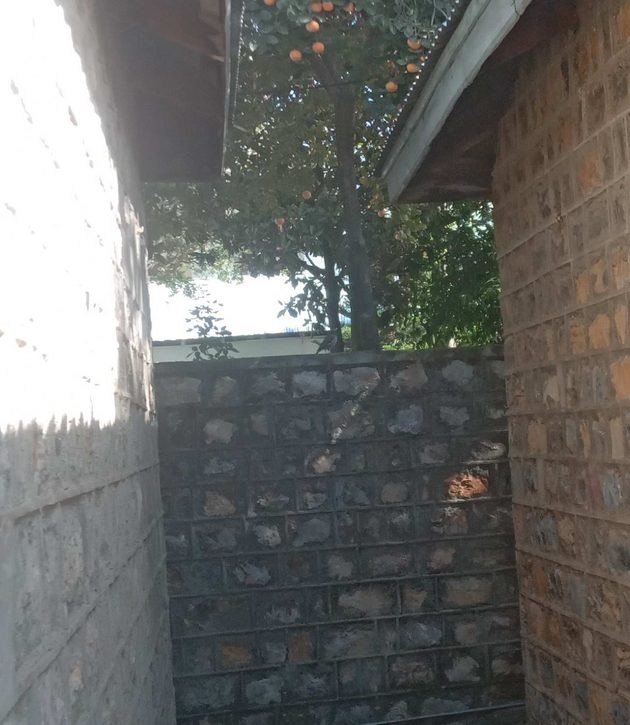
Buildings in cities serve the needs of human habitation, offices, and industries. However, birds view these structures quite differently, seeing them as vast rock faces where they can build their nests. Some birds construct their nests in suitable spots such as near ventilators or in wall crevices without altering the structure, while others modify the site before building.
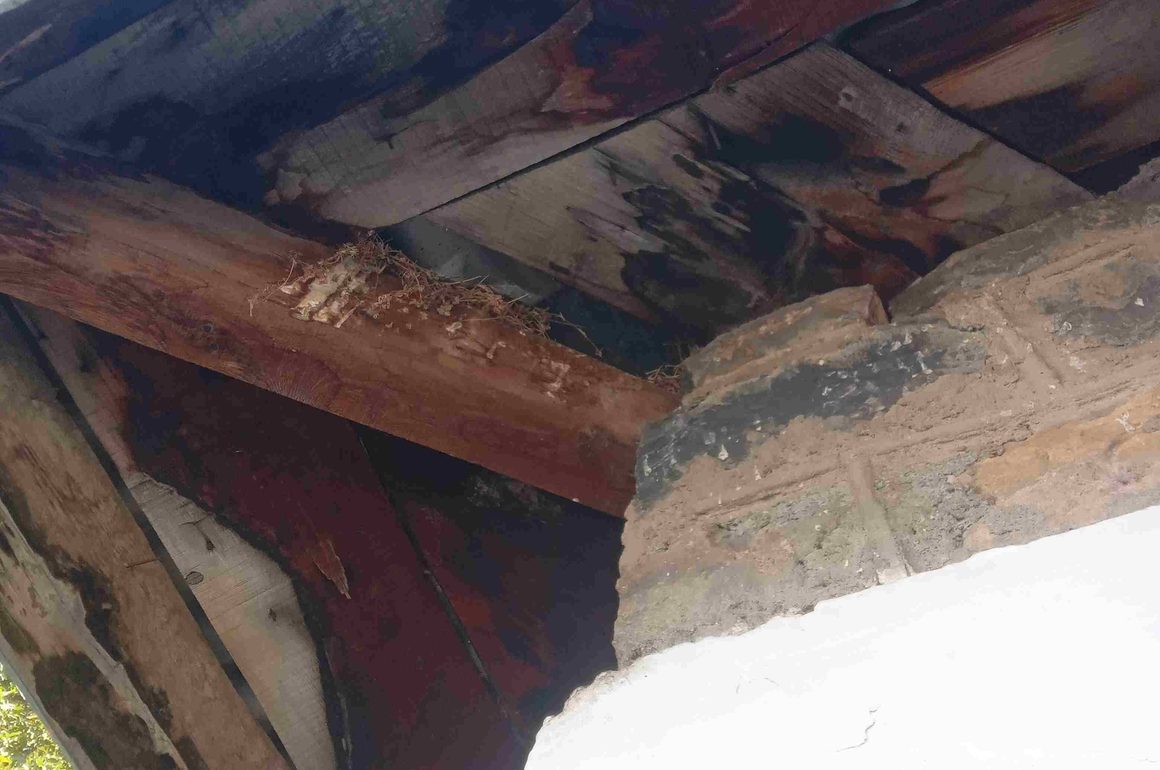
Based on my personal experience, I have observed both types of birds. There was a house in our neighborhood where sparrows had built nests in the small crevices of a stone wall; similarly, I have seen dove and pigeon nests under bridges. I even witnessed an incident where parrots were gnawing at a wooden roof to build nests inside it; from a distance, it looked as though they were repairing the roof. Home designs change over time; for instance, there is a growing trend nowadays to completely seal modern houses. Consequently, these birds have to work much harder to find suitable places to build their nests.
Some city birds are less afraid
Human interference in the forests is negligible, due to which interaction between the birds inhabiting them and humans remains very limited. Whenever such an encounter occurs, the birds immediately fly off to a safe location, as they perceive humans as a threat.
Over time, birds found in urban areas have become quite accustomed to humans. It appears they have realized that humans do not pose as great a threat as they once believed. Another significant factor may be that, after observing human activity throughout the day, these birds have become astute enough to recognize when a person or a specific human movement might pose a danger to them. Take the common sparrow, for instance: whenever it spots a morsel of food, it moves forward to retrieve it without any hesitation or fear, even in the presence of people.
Their song may change
Forests are characterized by a prevailing silence, where the only sounds heard are the chirping of birds or the rustling of the wind amidst the quiet. In such an environment, birds not only thrive but also communicate easily with one another. In contrast, urban areas are filled with various forms of noise that hinder the transmission of communicative signals between birds. Modern research reveals that some urban-dwelling birds have significantly altered their vocalizations, suggesting that most birds possess the ability to modify their calls.
They can adjust their nest-building
Although birds are typically seen building nests using twigs, in urban areas they have also learned to construct them from items discarded by humans such as plastic, wire, and paper. While this behavior is interesting to observe, further research is needed to determine whether the use of these materials poses any risk to the birds themselves, their eggs, or their offspring.
City life can change their timing
Birds live according to a strict schedule, with set times for waking, sleeping, and breeding. While birds in rural areas adhere to this routine, those living in cities face significant challenges in doing so. Urban environments are characterized by late-night activity and constant noise, which prevent birds from getting restful sleep. Furthermore, cities experience more intense and prolonged heat compared to rural areas; buildings absorb heat, keeping temperatures elevated for extended periods. This sustained heat negatively affects the hatching process and can sometimes disrupt the birds’ breeding cycle.
Cleverness helps, but not every time
Birds found in urban areas often display remarkable intelligence, yet this intelligence does not always work to their advantage; at times, it can even land them in trouble. To understand this, let us consider two examples. The first involves a crow that uses its beak to try to crack a walnut; when unsuccessful, it flies to a height and drops the nut onto the road, a method that sometimes breaks the shell and sometimes does not. If the walnut remains intact, the bird demonstrates its ingenuity by placing it on the road exactly where a vehicle’s tire is likely to pass; consequently, as soon as a vehicle drives over the nut, it cracks open.
The second example is that of a bird entering a house where a mousetrap has been set. A trap that offers a way in but no way out. Relying on its intelligence, the bird enters the trap, only to fail in finding an exit and become trapped inside.
What we can learn by watching city birds
You do not need to travel to remote areas to observe urban birds, as they can easily be spotted on your rooftop or in a nearby park. Observing them offers you the chance to understand various aspects of their lives( how they adapt to the urban environment despite the challenges they face, how they forage for food, where and how they build their nests, what captures their interest, and the extent of their interaction with humans).
Final thought
Urban birds were not naturally suited to city life, but they have adapted to the urban environment. However, there are limits to this adaptation. Through a process of trial and error, these birds have learned how to survive in modern cities and have achieved considerable success in doing so. However, the question remains whether the urban population will provide amenities (such as placing food and water on rooftops or installing artificial nesting boxes) or create further difficulties for these birds (through changes in building design).











Leave a Comment