

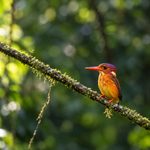
I noticed that I tried to escape the winter mentally by working on posts about tropical Sri Lanka. There is a logistical reason for this as well though. As I do not go out birding as much in winter, I have little current material to write about. For a while, I expected myself to use the need for material as an incentive to spend more time in the frigid outdoors. By the time the cold, dark skies dragged out in March last year however, I realised that I simply don’t seem to be built that way. This time around, I decided to stick to my strengths and mainly share photos of colourful Sri Lankan birds.
I’ll try to do the European avifauna justice nonetheless, and what better way to do this than visiting a place well-known for Common Starling murmurations? This is probably one of the most impressive avian sights during the English winter and can definitely be as exhilarating as observing some colourful rainforest-dwelling bird in the tropics. I headed out to RSPB Otmoor, a nature reserve near Oxford that essentially consists of a large wetland with a few hedgerows and drier grassy patches. Otmoor is supposedly a good place for the starlings, but before the murmurations take place at sunset I decided to spend the afternoon birding the reserve.
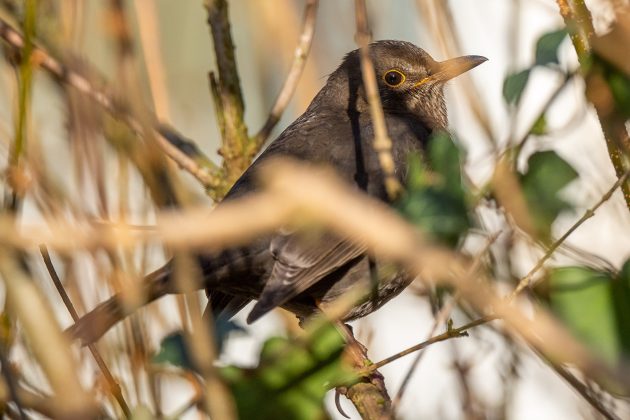
Winter often delivers good numbers of thrushes, and Otmoor definitely delivered in this regard. Loads of Redwings and Fieldfares were around, producing quite a racket in the thickets but being frustratingly difficult to see well. Only their cousins, a few Eurasian Blackbirds, seemed relaxed enough to stay put for a photo through the dense tangles.
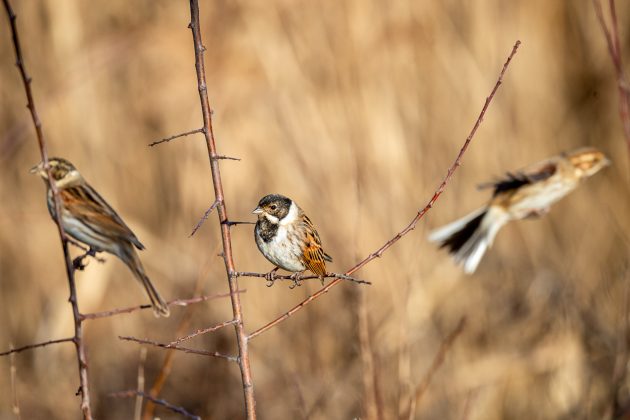
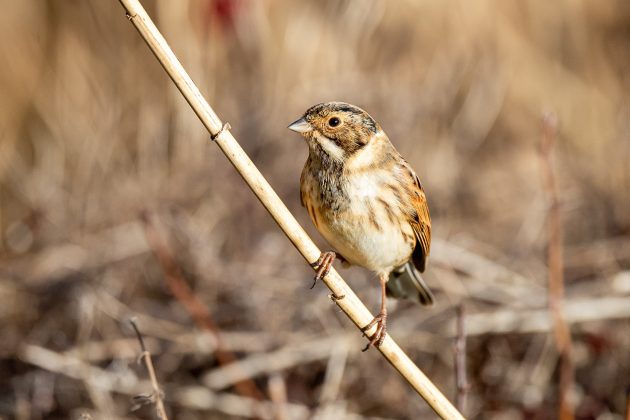
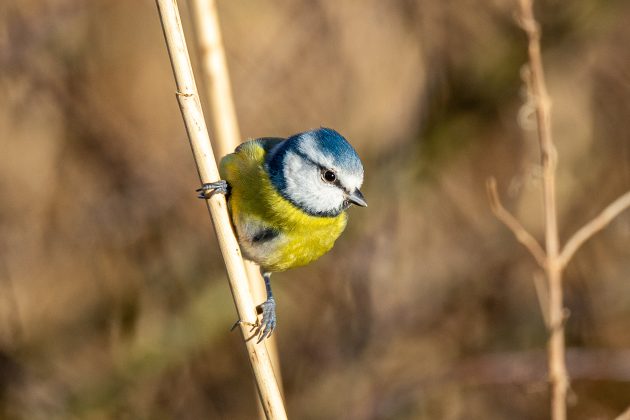
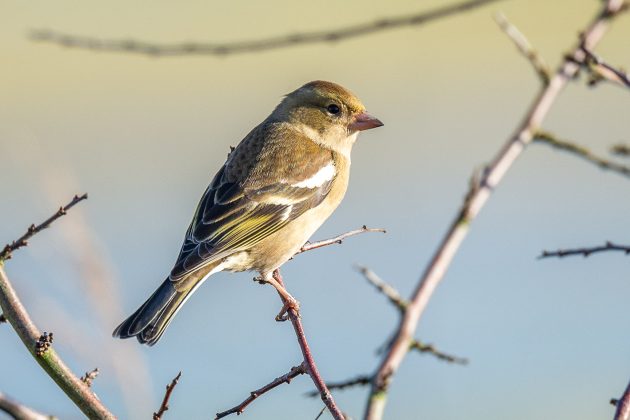
It seemed like somebody had placed some seeds on the ground around the reserve’s hide, as a large number of Common Reed Buntings, Blue Tits and Common Chaffinches were around here. In the beautiful sunlight that is a rarity these days, I enjoyed watching these birds from up close. The hide provided an ideal setting because these small passerines are often very skittish around feeding stations, taking to the skies at the slightest disturbance.
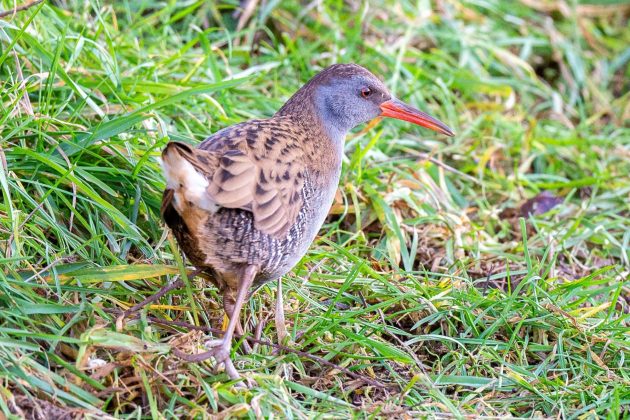
The highlight of the day came when a Water Rail suddenly emerged from a hedgerow and began probing the ground in full view, lingering in the open for several minutes. I had only encountered this species once before, and although it may be slightly less elusive than some of its rallid relatives, it is still far from a bird you expect to see strolling about so brazenly. Eventually, it seemed to decide the performance was over and slipped back into the thicket, leaving behind a scene that gave no hint that a rail had just passed through.
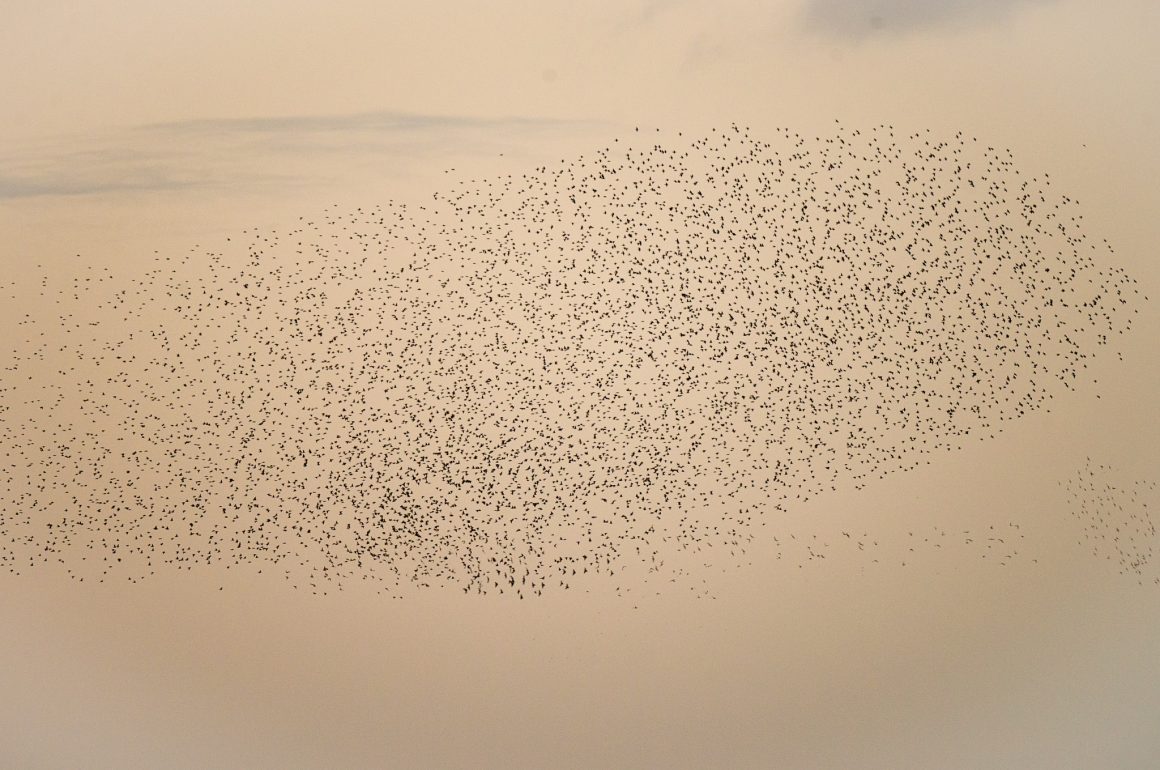
I was finally rewarded with a ‘small’ murmuration of a few thousand birds moving about as a large blob in the far distance. My expectations definitely exceeded the actual magnitude of the event. It’s not that I imagined the whole sky turned dark and your own voice being drowned out by the combined fluttering of tens of thousands of starling wings. Rather, I hope for a large flock doing some interesting antics to produce some dynamic shapes in the air before dropping into the hedgerows. While there was an impressive number of birds and I did enjoy watching the spectacle, it was good to realise that not every murmuration takes the shape of a hundred-metre high figure reminiscent of a bird.
The outing was a great break from the hectic city life to explore a new spot otdoors in the sun and appreciate the peaceful atmosphere of birds going about their daily business. In fact, I enjoyed winter birding more than expected and will therefore share two more posts of this stuff, but in Germany instead.









Leave a Comment