

One of the things I like about going on birding trips is that it tends to take you to places that are a little bit remote, a little bit undeveloped – places you would otherwise probably not go. Taking in the local scenery – if only while having a meal, because birding time is precious – can be interesting and enjoyable.
And so it was in the town of Bislig on Mindanao, apparently the Easternmost town of the Philippines, with a central population of about 30,000. It has the hotel closest to the well-visited (by birders, at least) PICOP area – or in the words of my guide Irene, “every birder who goes to PICOP stays here”.
And one day, after a somewhat frustrating day at PICOP, I had an hour of daylight right outside the hotel, never moving more than 50 meters away from it. And took photos of birds.
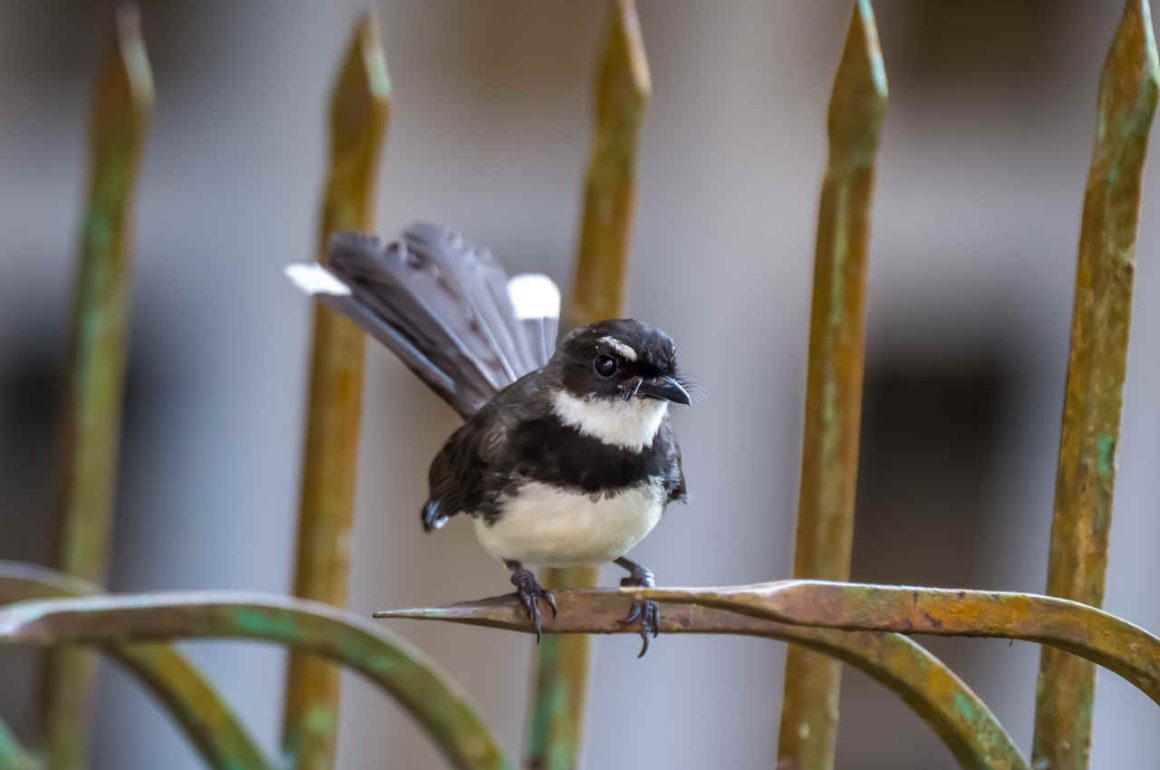
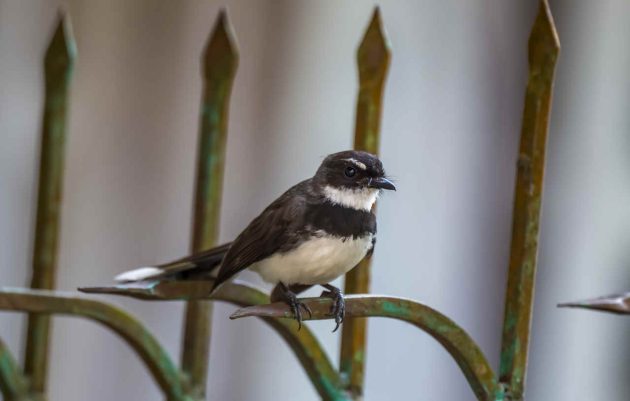
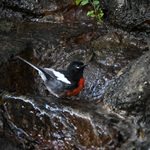
My favorite: a pair of Philippine Pied Fantails, doing their fantail thing. This species is fun to watch – indeed, the birds are “very active; constantly on move when foraging” (HBW).
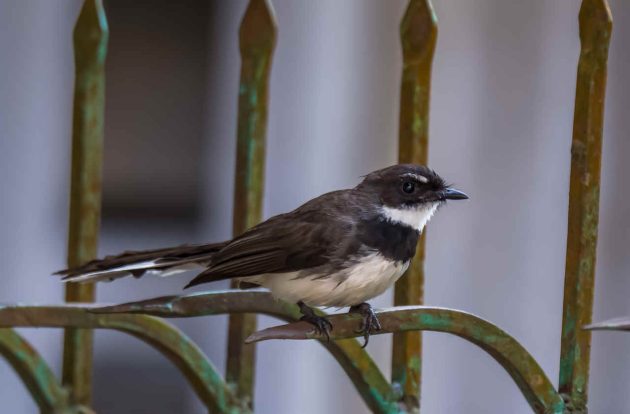
And its presence just about 10 meters from the hotel entrance seemed to confirm the HBW statement on its conservation status: “Its need for only lightly wooded habitats places it at little risk.”
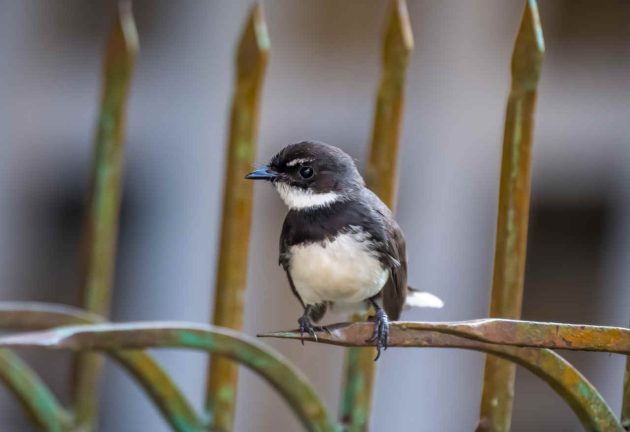
The scientific name Rhipidura nigritorquis highlights the black collar of the species (niger: black, torquis: collar).
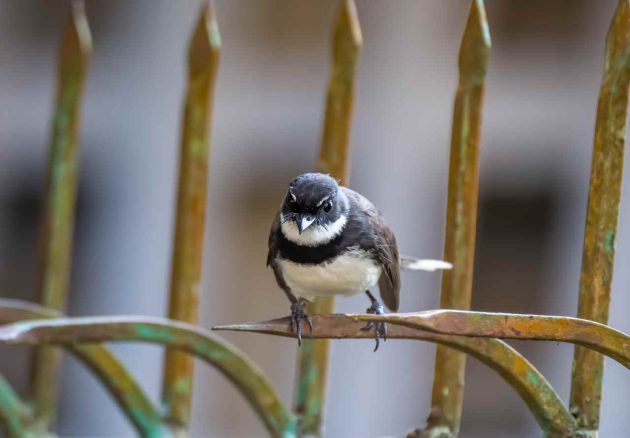
And for those birders who care about such things, it is a Philippine endemic.
Unlike the Grey-streaked Flycatcher, which I can also see in Shanghai during migration.
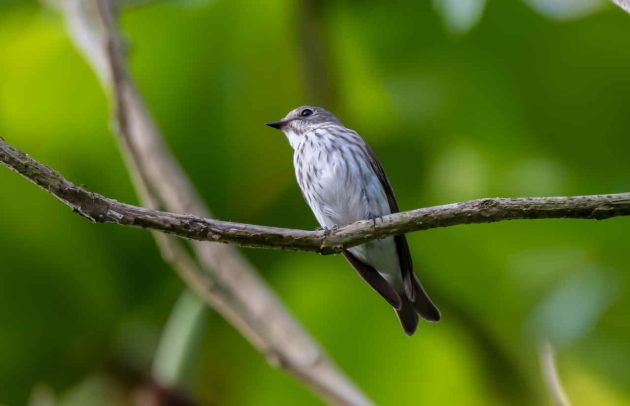
Not that there is that much to see, I am afraid.
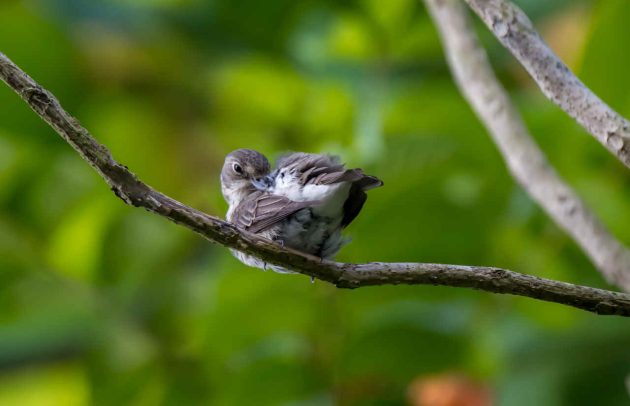
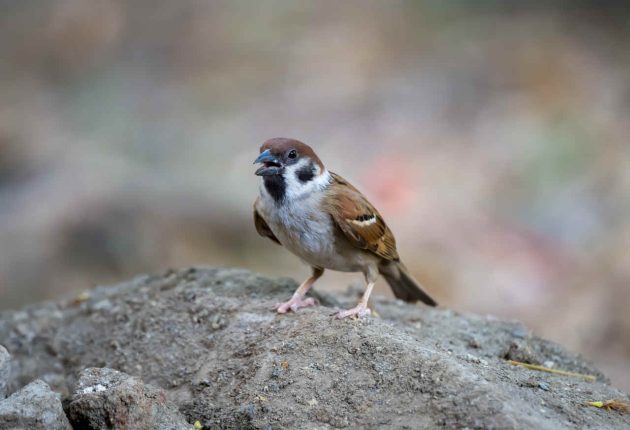
I much prefer the similarly ordinary but somehow much quirkier Eurasian Tree Sparrow. Different from the US, it is a native species here …
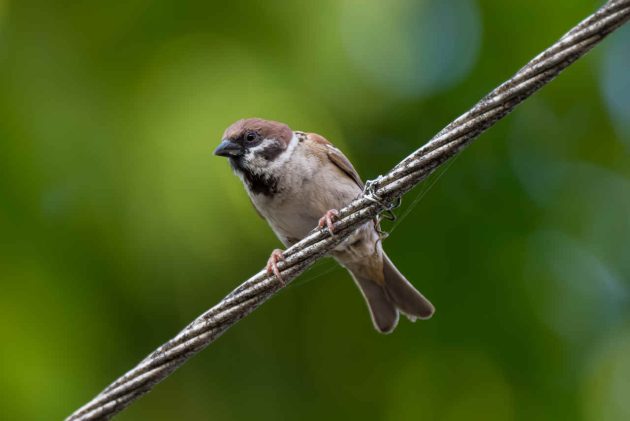
… and behaves much like one as well.
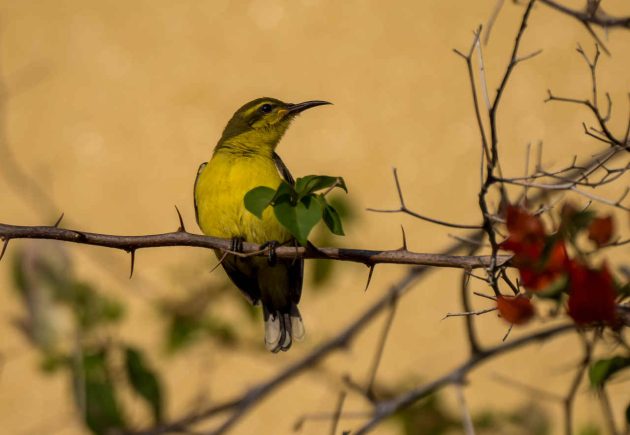
The very small garden of the hotel is apparently the right habitat for the appropriately named Garden Sunbird.
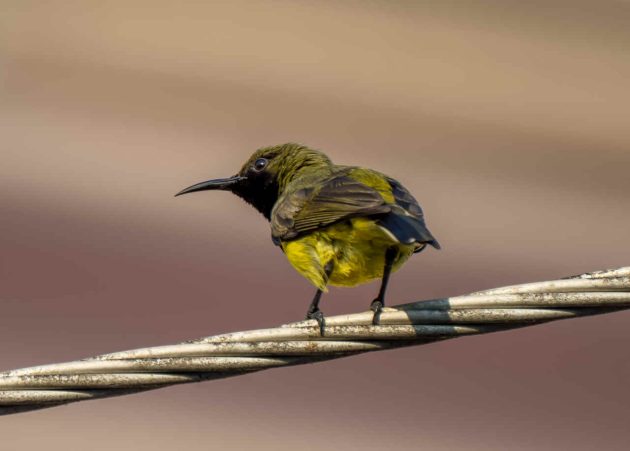
It seems to be more or less a Philippine endemic, give or take a few islands close to Borneo.
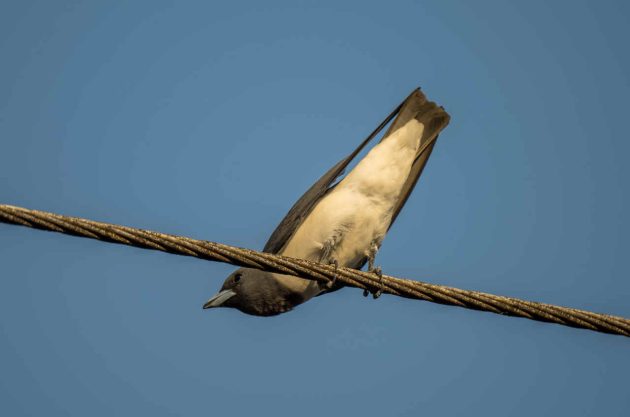
Wood Swallows like this White-breasted Woodswallow to me indeed look a bit like they are made of Wood – this slightly lifeless look – though I am not sure their name is derived from that.
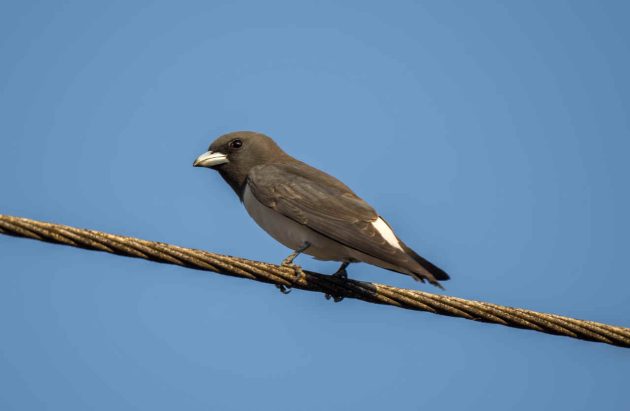
This is almost more of an Australian than a Southeast Asian bird.
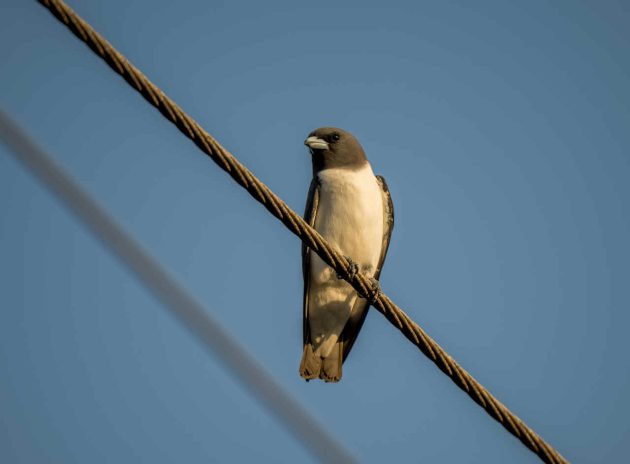
It is a cooperative breeder – one paper describes a nest attended by 6 different adults. And they did not only share incubation but also cooperatively defended the nest from potential predators, and fed the nestlings. Possibly as a result, all four nestlings successfully fledged.
Bird reference in an unpopular but good song, part 53. Today: “New Threats from the Soul“, Ryan Davis & the Roadhouse Band, with the lyrics
I will never be (never be)
Anything (anything)
Other than a caged bird swinging from a chain swing, whistlin’ for my payseed
Pecking on a W9
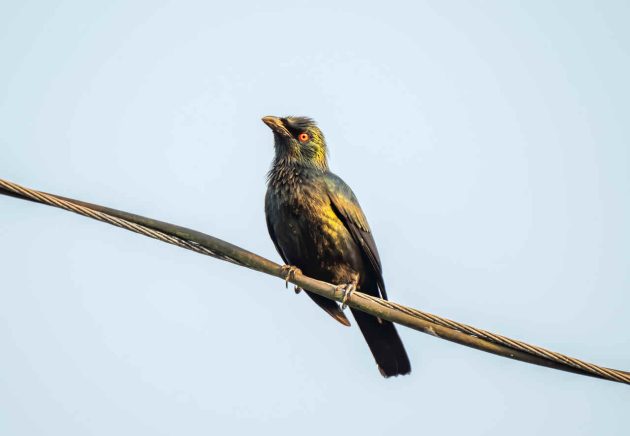
Finally, I am pretty sure that for local birders, the Asian Glossy Starling is not an exciting bird at all, but I find the red eyes and the glossy bluish-blackish sheen of the plumage very attractive.
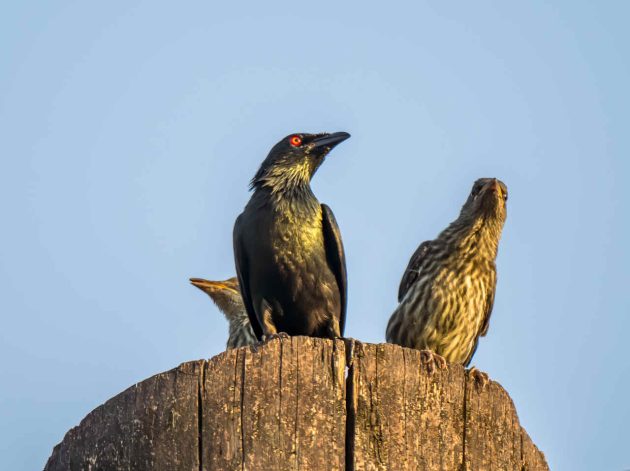
Unfortunately, this does not apply to the juveniles, many of whom try not to be out in the open at daytime for exactly that reason.
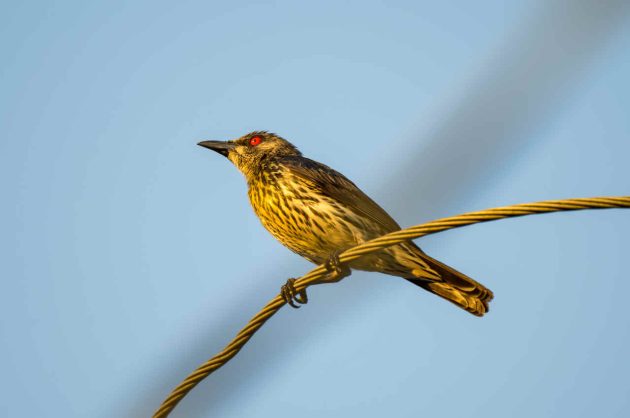
Interestingly, despite its wide distribution in Southeast Asia, the species is named after the Philippines (the panayensis in the scientific name Aplonis panayensis apparently is a corrupted form of the country name).
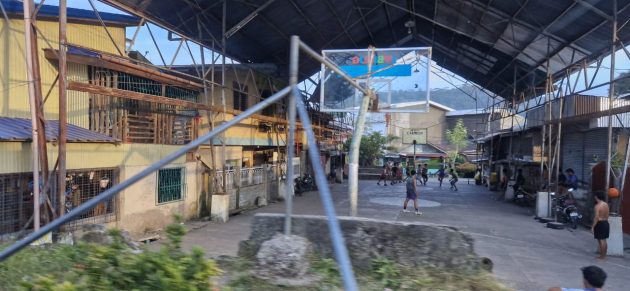
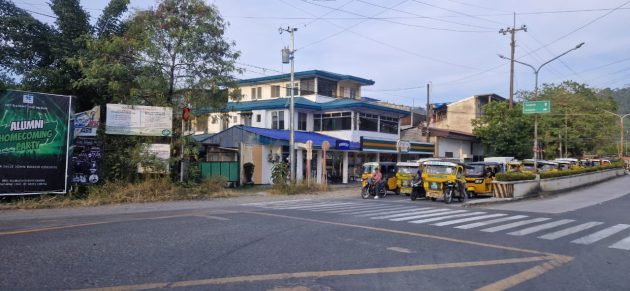
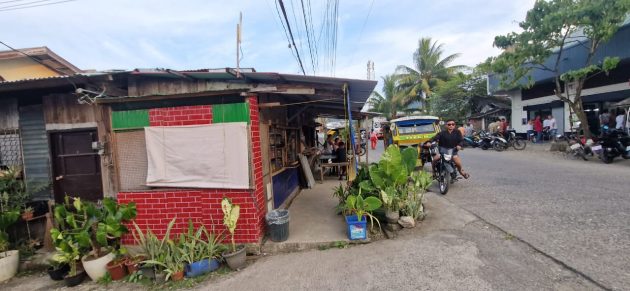
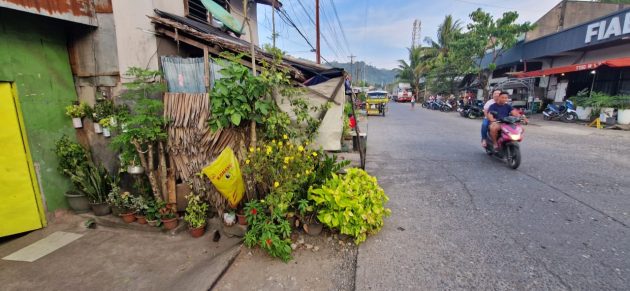
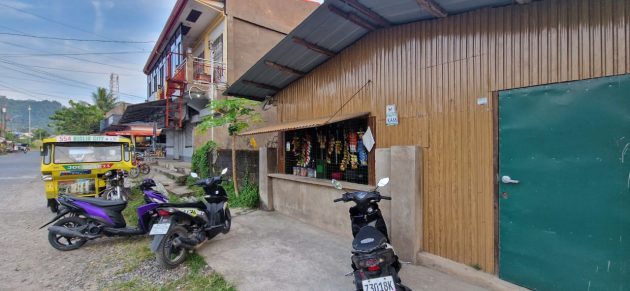
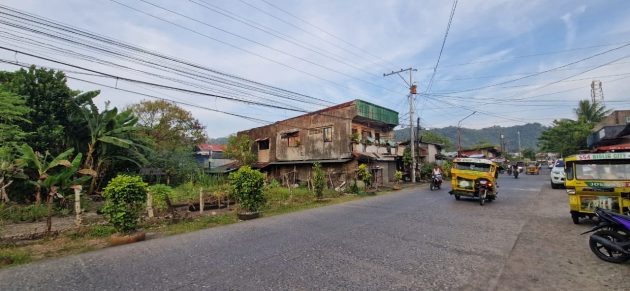
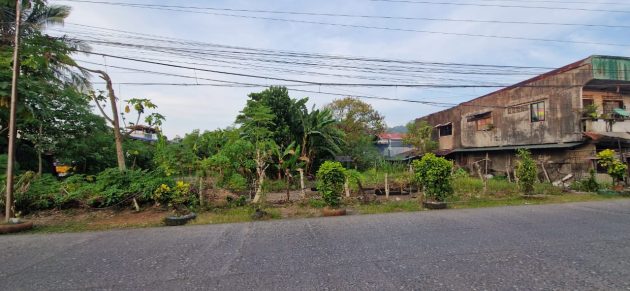
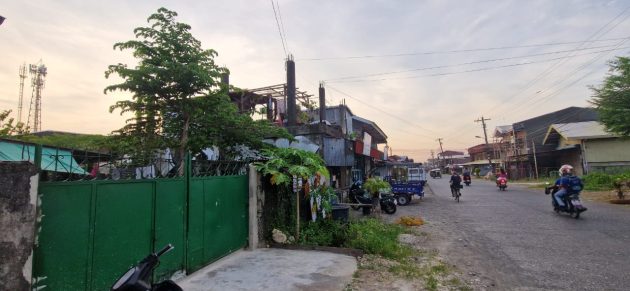
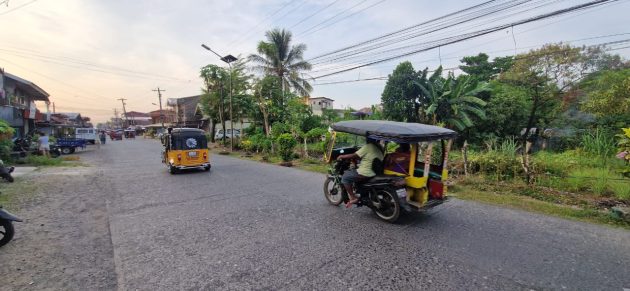
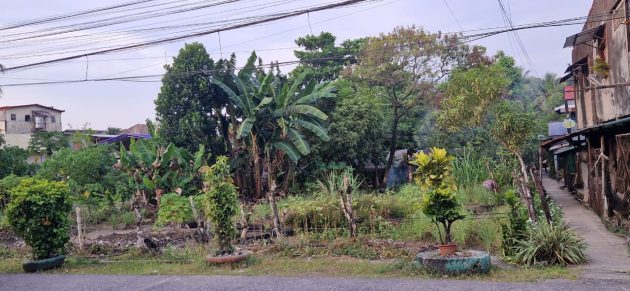
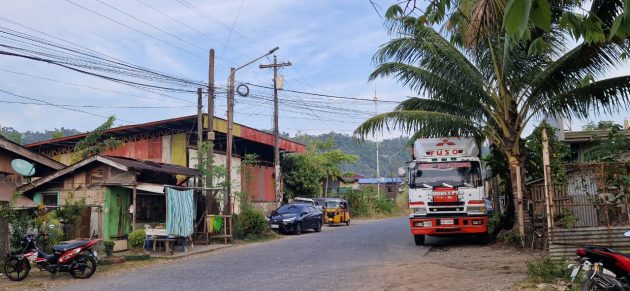
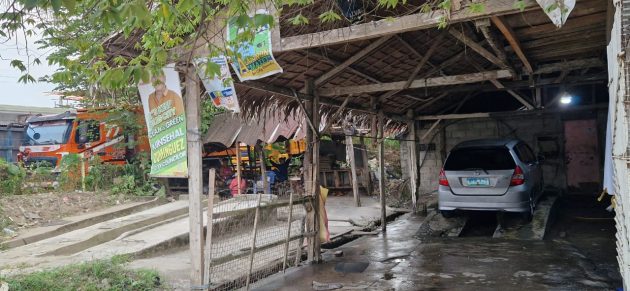
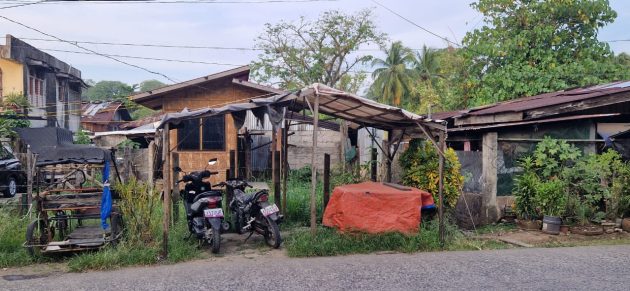
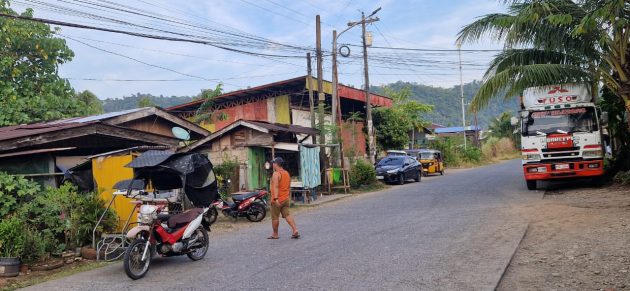
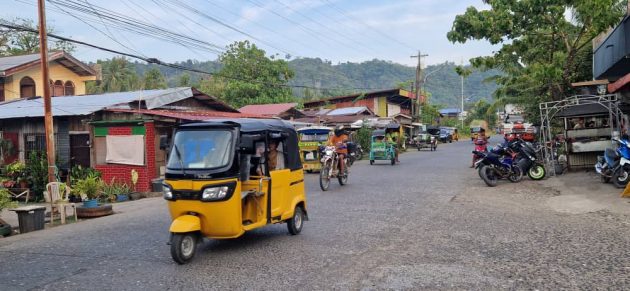
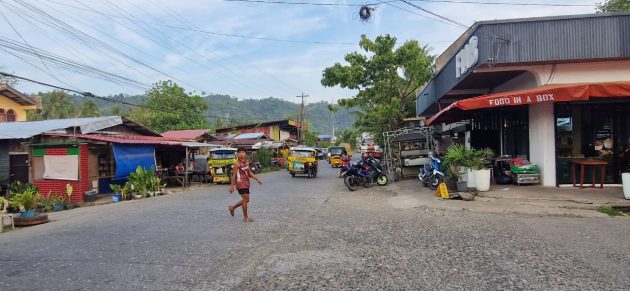
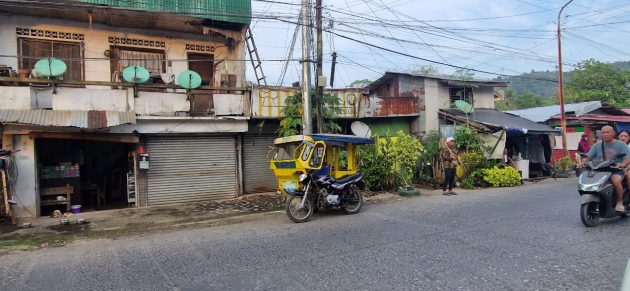
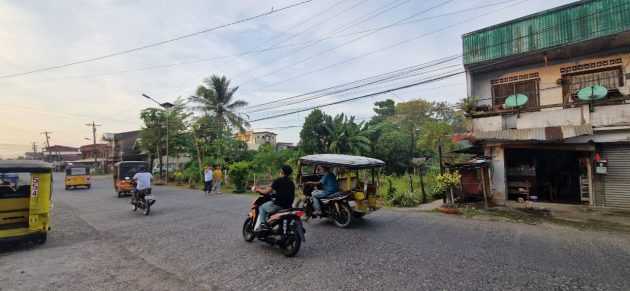
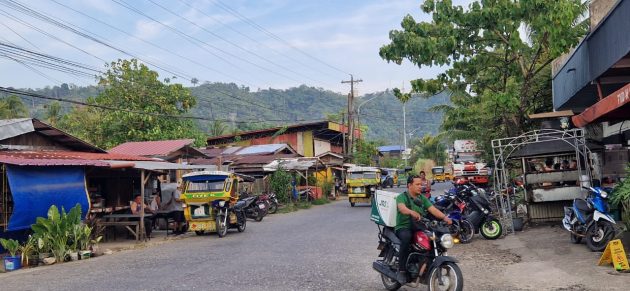
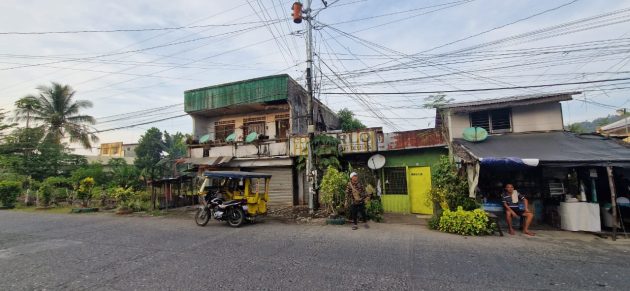
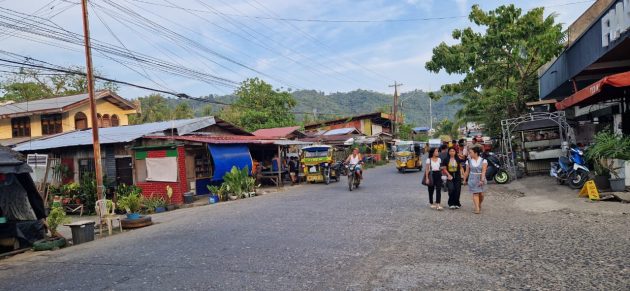
Which leads us back to the country, and to the initial idea of seeing interesting places more or less by accident while birding. I will therefore end this post with some photos of the downtown area of Bislig. Wouldn’t mind just walking around there for a day or two, but then I would miss some birds, right?









Urban birding can bring unexpected surprises. Great pics too!
I was just thinking about how surprising urban birding can be if you make time for it and pay attention. You nailed it!