

Highlights
Bolivia is one of South America’s most rewarding yet comparatively under-visited birding destinations. Approximately 1,470 bird species have been recorded in the country, including around 16 species considered endemic under commonly used international taxonomies. Exact totals vary as taxonomic authorities split, combine, or reclassify species.
The country’s extraordinary diversity comes from its geography. A journey across Bolivia can pass from Amazonian rainforest and seasonally flooded savannas to cloud forest, inter-Andean dry valleys, Chiquitano forest, the Gran Chaco, high-altitude puna and lakes above 4,000 metres.
Bolivia is particularly important for range-restricted and threatened birds. Among its headline species are the Blue-throated Macaw, Red-fronted Macaw, Horned Curassow, Rufous-faced Antpitta, Masked Antpitta, Bolivian Recurvebill, Bolivian Earthcreeper, Cochabamba Mountain-Finch and Black-throated Thistletail. The Blue-throated and Red-fronted Macaws are found naturally only in Bolivia.
For visiting birders, Bolivia offers:
- Around 1,470 recorded species.
- Approximately 16 national endemics, depending on taxonomy.
- Excellent opportunities to see macaws, antpittas, hummingbirds, condors, flamingos and Chaco specialities.
- Enormous habitat diversity across a relatively compact north–south route.
- Productive birding close to Santa Cruz, Cochabamba and La Paz.
- Remote reserves where tourism directly supports threatened-species conservation.
- Far fewer visiting birders than neighbouring Peru, Brazil or Ecuador.
Key Bird Species and Families
Endemic Birds
The following species are classified as endemic to Bolivia under the Clements/eBird 2025 taxonomy. Different authorities may produce a slightly different list, particularly because of the taxonomic treatment of the Palkachupa Cotinga.
Horned Curassow Pauxi unicornis
The Horned Curassow is one of Bolivia’s most sought-after and difficult birds. It inhabits a humid montane forest, principally in the Carrasco–Amboró region. It is usually found in remote, well-preserved forest and should never be considered a guaranteed sighting.
Coppery Thorntail Discosura letitiae
An enigmatic hummingbird known from historical Bolivian specimens. Its identity, current distribution and status remain poorly understood. Although included on the endemic list, it is not a realistic target for a conventional birding itinerary.
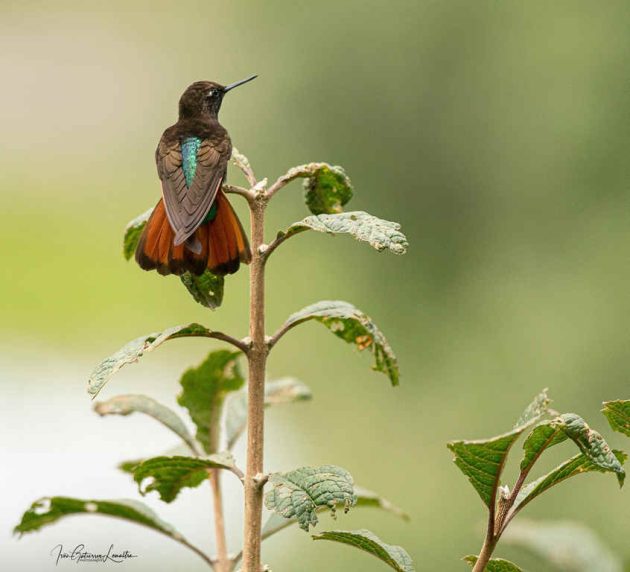
Black-hooded Sunbeam Aglaeactis pamela
A distinctive endemic hummingbird of the central Bolivian Andes. It is one of the principal targets around Cochabamba, particularly in high-elevation shrubland and woodland near Cerro Tunari and surrounding valleys.
Cliff Parakeet Myiopsitta luchsi
A distinctive parakeet of cliffs and dry inter-Andean valleys in central and southern Bolivia. It was formerly treated as part of the Monk Parakeet complex but is recognised as a separate species by eBird/Clements.
Blue-throated Macaw Ara glaucogularis
One of Bolivia’s flagship conservation species. This Critically Endangered macaw is restricted to the seasonally flooded Llanos de Moxos in Beni. Important areas include the Barba Azul Nature Reserve, the Laney Rickman Reserve and private properties around Trinidad and Loreto.
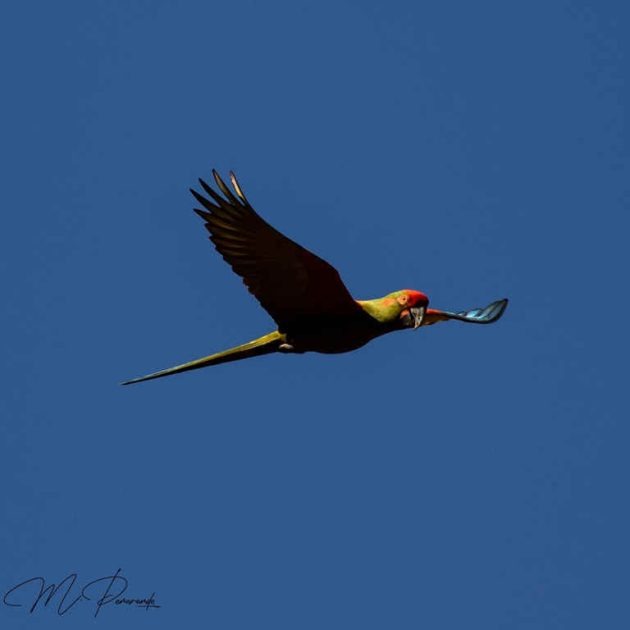
Red-fronted Macaw Ara rubrogenys
A Critically Endangered endemic of Bolivia’s dry inter-Andean valleys. Important areas include the valleys around Comarapa, Saipina, Mizque, Omereque and the Red-fronted Macaw Community Reserve.
Bolivian Antpitta Grallaria cochabambae
A cloud-forest endemic to the central Bolivian Andes. It is frequently detected by voice before being seen and is an important target in the Cochabamba and central Yungas regions.
This species should not be confused with the Rufous-faced Antpitta, which is also a major Bolivian speciality but is not classified as a strict national endemic under the current Clements/eBird treatment.
Masked Antpitta Hylopezus auricularis
A highly localised endemic associated with river-island and seasonally flooded forest near Riberalta in northern Bolivia. Its extremely limited known distribution makes it one of the country’s most distinctive range-restricted birds.
Berlepsch’s Canastero Asthenes berlepschi
A high-Andean endemic found in puna, rocky slopes and montane scrub. It is principally associated with the Cordillera Real and adjacent highlands.
Black-throated Thistletail Asthenes harterti
A skulking endemic furnariid of humid treeline vegetation and high-elevation shrubland. It is normally detected by its call and can be difficult to observe clearly.
Bolivian Spinetail Cranioleuca henricae
A localised endemic of dry inter-Andean woodland and scrub, particularly in the valleys of the La Paz region.
Unicolored Thrush Turdus haplochrous
A poorly known and localised endemic thrush of humid lowland and foothill forest in northern Bolivia. It is secretive and seldom encountered.
Bolivian Brushfinch Atlapetes rufinucha
An endemic brushfinch of montane forest, scrub and woodland edge in the central Bolivian Andes. Taxonomy within the wider brushfinch complex has changed substantially, making the scientific name particularly useful.
Bolivian Blackbird Oreopsar bolivianus
One of the more accessible Bolivian endemics. It inhabits rocky cliffs, agricultural valleys and dry inter-Andean landscapes and is often encountered in flocks.
Gray-bellied Flowerpiercer Diglossa carbonaria
An endemic Andean flowerpiercer found in high-elevation shrubland, woodland edge and gardens. It is regularly encountered on birding routes through the central and northern Andes.
Cochabamba Mountain Finch Poospiza garleppi
A localised endemic of dry montane scrub, rocky slopes and agricultural edges in the Cochabamba region. Cerro Tunari and surrounding valleys are among the most important areas for this species.
Other Important Bolivian Specialities
The following birds are not all strict national endemics, but they are important targets on a Bolivian birding itinerary.
Rufous-faced Antpitta Grallaria erythrotis
A characteristic speciality of humid montane forest in the central Bolivian Andes. It is usually located by voice and is frequently sought around Cochabamba, Comarapa and suitable Yungas forest.
Bolivian Recurvebill Syndactyla striata
A scarce and restricted-range furnariid of montane woodland and forest. Despite its English name, it should be described as a Bolivian speciality rather than a strict national endemic.
Bolivian Earthcreeper Tarphonomus harterti
A dry-valley furnariid strongly associated with Bolivia and neighbouring areas. It occurs in arid scrub, rocky valleys and semi-open woodland.
Bolivian Warbling Finch Poospiza boliviana
A regional speciality of dry montane scrub and inter-Andean valleys. It is not marked as a strict Bolivian endemic under the current Clements/eBird checklist.
Scimitar-winged Piha Lipaugus uropygialis
A rare and localised cotinga of humid montane forest in Bolivia and southeastern Peru. It is one of the most important cloud-forest targets in the country.
Chestnut-crested Cotinga Ampelion rufaxilla
An impressive Andean cotinga found in high montane forest. It may be encountered in the Siberia and Comarapa region and other suitable Andean forests, but it is not endemic to Bolivia.
Titicaca Grebe Rollandia microptera
A flightless grebe restricted to Lake Titicaca and connected waters in Bolivia and Peru. It is one of the most important targets around Lake Titicaca.
Royal Cinclodes Cinclodes aricomae
A Critically Endangered specialist of mature Polylepis woodland. It is extremely scarce and should be treated as a difficult target rather than an expected sighting.
Inti Tanager Heliothraupis oneilli
A recently described and highly localised species associated with the Apolo region. Its seasonal movements need to be considered when planning a specialist northern Bolivia itinerary.
Blue-throated Piping-Guan Pipile cumanensis
An important bird of humid lowland and foothill forest, particularly in Amazonian and northern areas.
Other important species are Black-legged Seriema, Three South American Flamingos, James’s Flamingo, Andean Flamingo, Chilean Flamingo
Golden-capped Parakeet
Key Bird Families
Parrots and Macaws
Bolivia is particularly important for parrots. Major targets include the endemic Blue-throated and Red-fronted Macaws, Cliff Parakeet, Military Macaw, Hyacinth Macaw, Blue-headed Macaw and large mixed groups of lowland parrots and parakeets.
Cotingas
The country supports an exceptional selection of cotingas, including the Palkachupa or Apolo Cotinga, Scimitar-winged Piha, Chestnut-crested Cotinga, Amazonian Umbrellabird, Andean Cock-of-the-rock and several lowland cotingas.
Antpittas
Important species include Bolivian Antpitta, Masked Antpitta, Rufous-faced Antpitta and several additional Yungas and high-Andean antpittas.
Ovenbirds and Furnariids
Bolivia’s elevational and habitat diversity produces an impressive selection of canasteros, thistletails, earthcreepers, spinetails, miners and treerunners. The family contains several of the country’s national endemics.
Hummingbirds
The hummingbird community ranges from Amazonian lowlands to high-Andean puna. Notable species include Black-hooded Sunbeam, Wedge-tailed Hillstar, Red-tailed Comet, Giant Hummingbird, Blue-capped Puffleg and numerous Yungas species.
Tanagers and Allies
The Andean regions are particularly strong for mountain tanagers, flowerpiercers, brushfinches, warbling finches, sierra finches and mountain finches.
Curassows and Guans
The Horned Curassow is the outstanding target, while other important species include Razor-billed Curassow, Wattled Curassow, Bare-faced Curassow and several guans and chachalacas.
Antbirds
Amazonian, Chiquitano, Chaco and Yungas habitats support a wide selection of antshrikes, antwrens and antbirds.
Flamingos and High-Andean Waterbirds
The Altiplano supports James’s, Andean and Chilean Flamingos, together with Giant Coot, Andean Goose, Puna Teal, Andean Avocet and numerous shorebirds.
Owls, Potoos and Nightjars
Bolivia offers excellent nocturnal birding. Chaco Owl, Great Potoo, Common Potoo, Band-winged Nightjar and several forest and open-country owls are possible.
Ruby-topaz Hummingbird
Best Regions for Birding
1. Santa Cruz and the Eastern Lowlands
Santa Cruz de la Sierra is the main gateway to birding in eastern Bolivia. Nearby wetlands, savannas and forests support species such as Red-legged Seriema, Greater Rhea, Toco Toucan, Burrowing Owl, Chestnut-fronted Macaw and many raptors and waterbirds. Useful sites include Lomas de Arena, the Botanical Garden, Laguna Guapilo and the wetlands around Cotoca and Paurito.
2. San Miguelito and Jaguarland Reserves
San Miguelito Jaguar Conservation Ranch is an established birding hotspot east of Santa Cruz. Its combination of Chiquitano forest, wetlands, lagoons and open country supports seriemas, rheas, toucans, macaws, Jabiru, Sunbittern, Great Potoo and numerous raptors. It is also an excellent place to combine birdwatching with mammal watching.
Jaguarland Reserve Bolivia is another excellent option, with more than 300 bird species recorded across forest, pampas, wetlands, canals and agricultural areas. It is particularly suitable for travellers interested in combining birding with jaguar and general wildlife watching.
3. Amboró National Park, Samaipata and Yana Puma Reserve
Amboró is one of Bolivia’s most biologically diverse protected areas, where Andean, Amazonian and subtropical habitats meet. Important sites include Refugio Los Volcanes, Bermejo, Samaipata and Laguna Volcán. Possible birds include Military Macaw, Andean Condor, Yungas Manakin, Chestnut-tipped Toucanet, Golden-headed Quetzal and mixed flocks of tanagers and furnariids.
Located beside Amboró and Refugio Los Volcanes, Yana Puma Reserve is an exciting new birding and conservation site. Its forests and mountain trails have already recorded more than 300 bird species and offer excellent opportunities for birdwatching, hiking, photography and wildlife observation.
4. Comarapa and the Serranía de Siberia
Comarapa is one of central Bolivia’s most important birding bases. The surrounding habitats range from dry inter-Andean valleys to the high cloud forests of Siberia. Important birds include Rufous-faced Antpitta, Black-hooded Sunbeam, Chestnut-crested Cotinga, Bolivian Earthcreeper, Black-throated Thistletail and mixed Andean flocks. Nearby valleys are also important for Red-fronted Macaw, Cliff Parakeet and Bolivian Blackbird.
5. Cochabamba and the Central Andes
Cochabamba is particularly important for endemic and range-restricted Andean birds. Cerro Tunari, Corani, Incachaca and the old Chapare road offer chances for Black-hooded Sunbeam, Cochabamba Mountain Finch, Bolivian Antpitta, Bolivian Brushfinch, Gray-bellied Flowerpiercer and several canasteros and earthcreepers.
6. La Paz, the Yungas and Lake Titicaca
La Paz offers an exceptional birding route from high-altitude puna into humid Yungas forest. Important areas include La Cumbre, Cotapata, Coroico, Chuspipata, Zongo Valley and Lake Titicaca. Highlights include Titicaca Grebe, Giant Coot, Black Siskin, Andean Condor, hummingbirds, antpittas, mountain toucans and large mixed-species flocks.
7. Apolo and the Northern Yungas
Remote Apolo is one of Bolivia’s most specialised birding destinations. Its headline species is the Palkachupa, or Apolo Cotinga, together with the recently described Inti Tanager and many foothill and Yungas birds. Access and bird movements can be seasonal, so careful planning is important.
8. Beni and the Llanos de Moxos
The flooded savannas of Beni are the main destination for the endemic Blue-throated Macaw. Important sites include Barba Azul Nature Reserve, the Laney Rickman Reserve, Trinidad, Loreto and Riberalta. Other birds include Greater Rhea, Southern Screamer, Jabiru, Orinoco Goose, Cock-tailed Tyrant and large concentrations of parrots and waterbirds.
9. Madidi and the Amazonian Foothills
Madidi protects habitats ranging from Amazonian rainforest to Andean foothills and cloud forest. Access is normally through Rurrenabaque, San Buenaventura and community lodges like Sadiri Lodge. . The wider region supports macaws, Crested Eagles, toucans, jacamars, puffbirds, antbirds, manakins, cotingas and hundreds of other forest species.
10. Kaa-Iya, Villa Montes, and the Gran Chaco
The Bolivian Gran Chaco offers distinctive dry-forest birding. Kaa-Iya del Gran Chaco National Park is remote and demanding, while Villa Montes provides access to the southern Chaco, the Pilcomayo River, foothills and nearby wetlands.
Important birds include Black-legged Seriema, Chaco Owl, Quebracho Crested Tinamou, Crested Gallito, Stripe-backed Antbird, Black-bodied Woodpecker and Many-coloured Chaco Finch. The region is best suited to dedicated birders comfortable with heat, long drives and basic conditions.
11. Sucre, El Palmar and the Dry Valleys
The dry valleys of Chuquisaca are important for Red-fronted Macaw, Andean Condor and other range-restricted birds. El Palmar is especially attractive for its endemic janchicoco palms, dramatic landscapes, Quechua communities and opportunities to observe macaws and condors.
12. Uyuni and the Southwestern Altiplano
The high-altitude lakes south of Uyuni are outstanding for James’s, Andean and Chilean Flamingos. Other birds include Andean Goose, Puna Teal, Andean Avocet, Puna Plover, Lesser Rhea and Andean Hillstar. The region is extremely high, cold and exposed, so gradual acclimatisation is recommended.
Best Birding Season
Bolivia can be birded year-round, but May to October is usually the easiest period, with drier weather and better road access. High-altitude areas can be very cold, while eastern Bolivia may experience smoke during the late dry season.
November to March is greener and often lively for birds, but heavy rain can affect roads and access. April is a good transition month.
For rare or seasonal species, check recent eBird records and local conditions before travelling.
Birding Trip Suggestion(s)
Eastern Bolivia and Beni – 12 Days
Approximately 350–450 bird species
- Day 1: Arrival in Santa Cruz
- Day 2: Santa Cruz lowland birding
- Day 3: Travel to Refugio Los Volcanes
- Day 4: Refugio Los Volcanes and Amboró birding
- Day 5: Travel towards Comarapa
- Day 6: Comarapa valleys and endemic birding
- Day 7: Red-fronted Macaw Reserve
- Day 8: Return to Santa Cruz
- Day 9: Fly to Trinidad
- Days 10–11: Beni wetlands and Blue-throated Macaw birding
- Day 12: Departure
**Key birds: Red-fronted Macaw, Blue-throated Macaw, Cliff Parakeet, Bolivian Blackbird, White-eared Solitaire, Andean Condor and several macaws, parrots and savanna species.
Best of Bolivia Birdwatching – 21 Days
Approximately 550–650 bird species
- Day 1: Arrival in Santa Cruz
- Days 2–3: Santa Cruz and Amboró foothills
- Days 4–5: Refugio Los Volcanes
- Days 6–7: Comarapa and the Red-fronted Macaw Reserve
- Day 8: Travel to Cochabamba
- Days 9–10: Cochabamba valleys and highlands
- Days 11–12: Chapare cloud forests
- Day 13: Fly to La Paz
- Days 14–16: La Paz and the Yungas, including Jucumari Lodge.
- Day 17: Lake Titicaca and Altiplano birding
- Day 18: Fly to Rurrenabaque and commence Sadiri Lodge Birding.
- Days 19–20: Sadiri Lodge and Madidi National Park
- Day 21: Departure
Key birds: Red-fronted Macaw, Blue-throated Macaw where the Beni extension is included, Black-hooded Sunbeam, Bolivian Warbling Finch, Cochabamba Mountain Finch, Masked Antpitta, Titicaca Grebe, Andean Cock-of-the-rock and Amazonian macaws and toucans.
Practical Tips
- Use an Experienced Local Bird Guide: Many Bolivian specialities are localised, vocal and difficult to identify. A knowledgeable guide can greatly improve the chances of finding antpittas, tapaculos, furnariids and other skulking birds.
- Check Recent eBird Records: A species appearing on a hotspot checklist does not mean it is common, present at that time of year or accessible. Review recent dates, observer effort, photographs, recordings and seasonal patterns.
- Download Information Before Travelling: Mobile coverage is unreliable in national parks and remote reserves. Download regional eBird packs, Merlin sound files and offline maps in advance.
- Allow Time for Altitude Acclimatisation: La Paz lies at approximately 3,600 metres, and several birding sites exceed 4,000 metres. Avoid scheduling strenuous high-altitude birding immediately after arrival.
- Prepare for Extreme Temperature Changes: A single itinerary may include freezing Altiplano mornings and temperatures exceeding 35°C in the Chaco or lowlands.
- Carry Sun and Insect Protection: Strong ultraviolet radiation is a serious consideration at high elevations. Mosquitoes, ticks, chiggers, and biting flies may be present in the lowlands and forests.
- Expect Long Drives: Bolivia is a large country, and many birding sites are connected by difficult or slow roads. Distances should not be judged solely from a map.
- Use Suitable Vehicles: High-clearance or four-wheel-drive vehicles may be required for remote reserves, particularly during the wet season.
- Check Current Road and Fire Conditions: Flooding, landslides, road protests, construction and seasonal fires can alter travel plans with little notice.
- Support Conservation Projects: Community reserves, private conservation properties and specialist ecolodges help demonstrate that protecting birds and natural habitats can provide sustainable income.
Books
Links
By Nicholas Mcphee
Nicholas Mcphee of Nicks Adventures Bolivia can be reached at Nicksadventuresbolivia@gmail.com
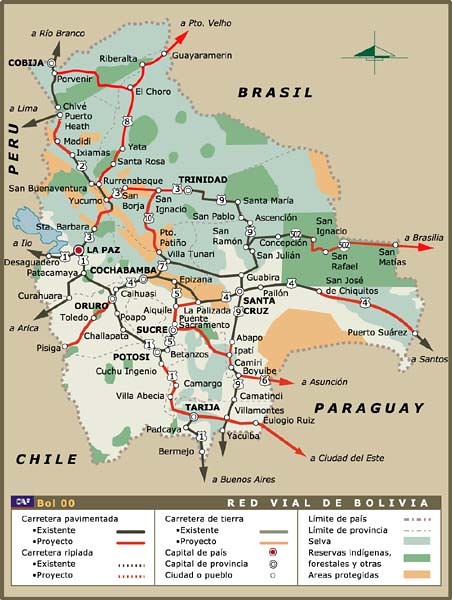
“Mapa vial de Bolivia” by thejourney1972 (South America addicted) is licensed under CC BY 2.0.





Leave a Comment