

What is your favorite bird species?
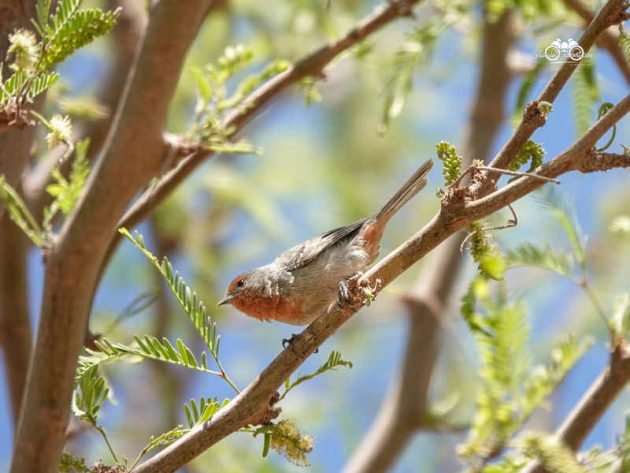
My favorite desert species is the Tamarugo Conebill (Conirostrum tamarugense), a tiny passerine highly dependent on the Tamarugo tree. It’s a migratory bird that returns every spring to the oasis where I live.
What is your name, and where do you live?
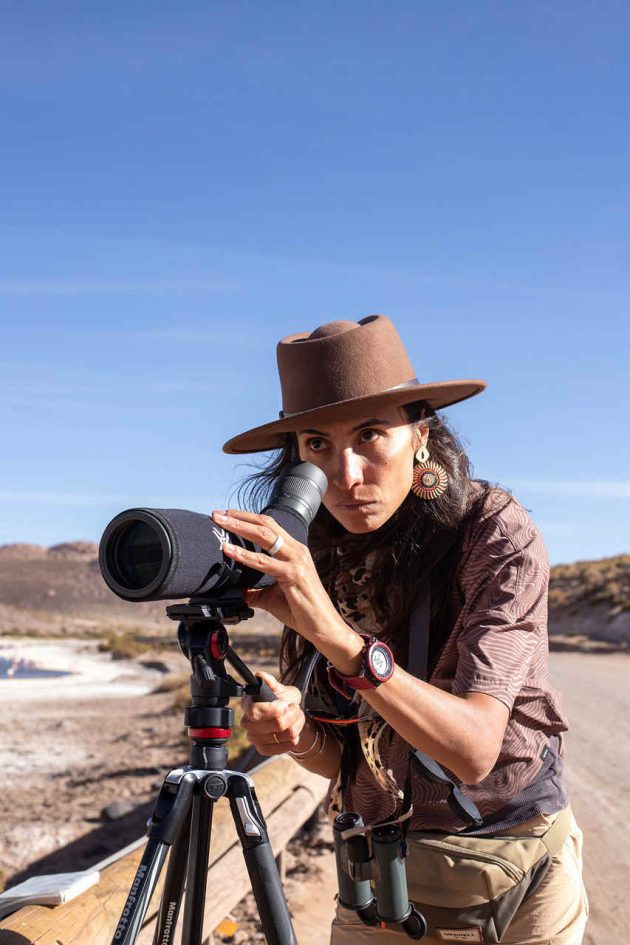
My name is Valeria Heindl, and I live in San Pedro de Atacama, north of Chile.
What are the main regions or locations you cover as a bird guide?
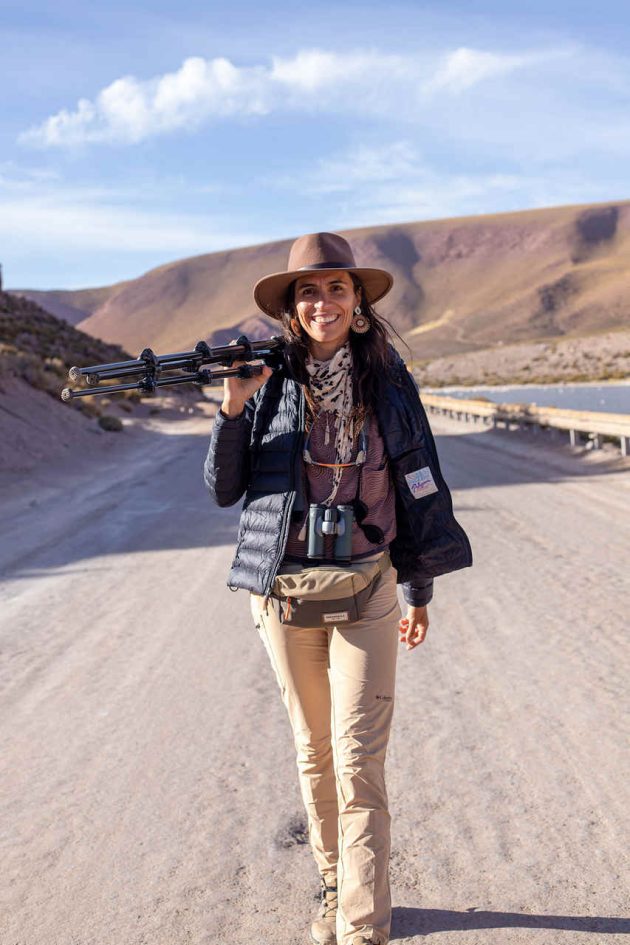
My main guiding area is San Pedro de Atacama, which features 4 distinct biomes: Desert Oasis, Canyons/Scrub zone, the Atacama Salt Flat, and the Altiplano. While most of our 400,000 annual visitors come for the landscapes; experienced birders highly value this area. It offers easy access to target species like the Diadem Sandpiper-Plover, Horned Coot, and three species of flamingos. I also organize trips to Chile’s central valleys for endemics and pelagic trips off the coast of Antofagasta.
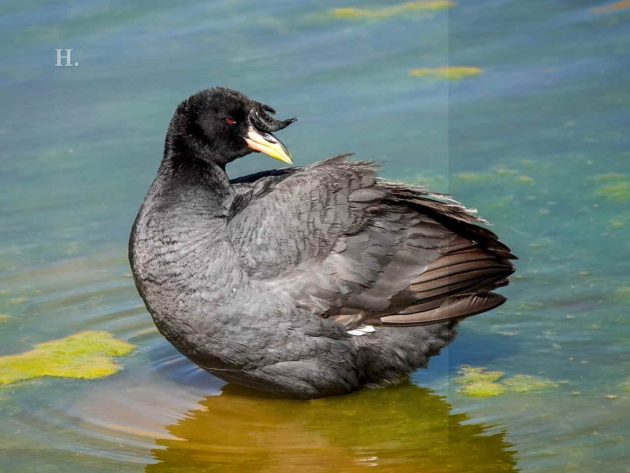
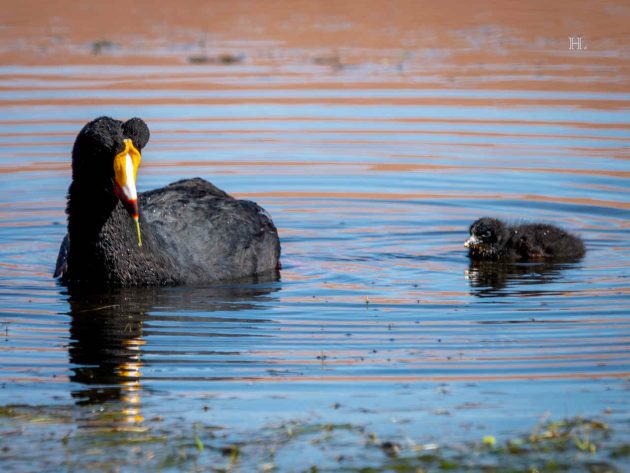
Horned Coot
How long have you been a bird guide?
I’ve worked as a naturalist guide here for 11 years, specializing in birdwatching since 2020.
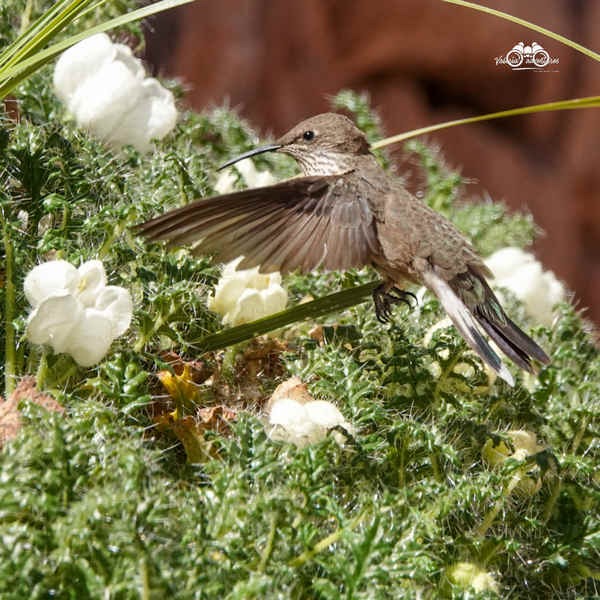
Andean Hillstar
How did you get into bird guiding?
I’ve always loved nature and wildlife, but my passion for birds truly exploded when I moved to Chile and became a naturalist guide. During the COVID pandemic, with no tourists around, my husband and I turned our focus entirely to the skies. We started keeping detailed records of our sightings and diving deep into learning, taking every course we could find—from bird ecology and biology to wildlife photography and pelagic birds. As soon as the world reopened, our obsession took us on incredible journeys all over the Americas, birding through Argentina, Bolivia, Brazil, Colombia, Ecuador, the USA, and Chile. By 2021, I knew I wanted to share this deep connection with others, so I launched my own tourism company to officially offer specialized birdwatching tours.
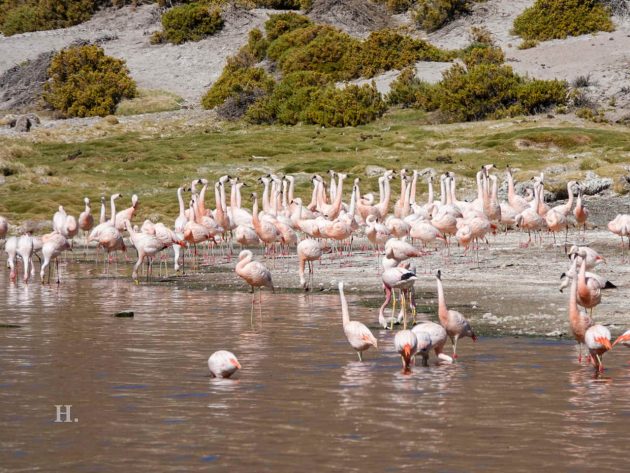
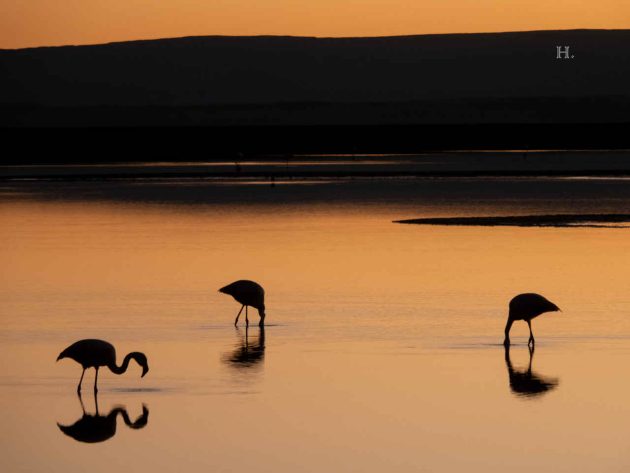
Chilean Flamingo
What are the aspects of being a bird guide that you like best? Which aspects do you dislike most?
I love my job, and there is honestly very little I dislike about it. I especially enjoy guiding true nature lovers—people who don’t just want to tick birds off a list, but who genuinely care about the flora, mammals, and the entire ecosystem. It’s beautiful to share those moments when clients connect deeply and get emotionally touched by a wildlife encounter.
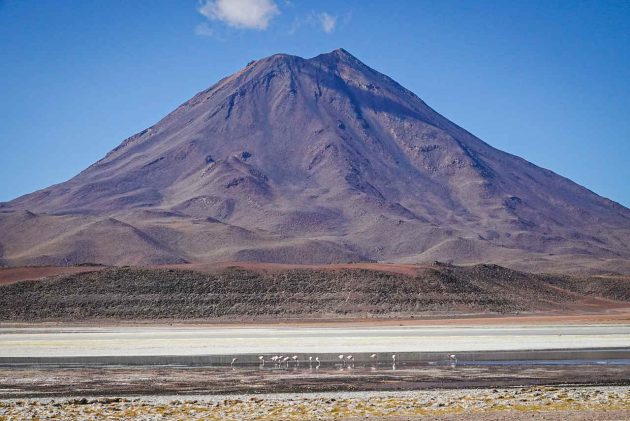
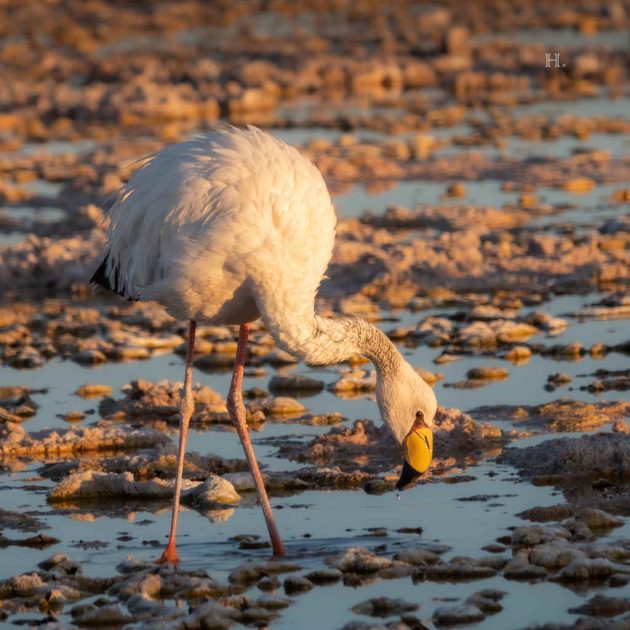
James’s Flamingo
What are the top 5-10 birds in your region that are the most interesting for visiting
birders?
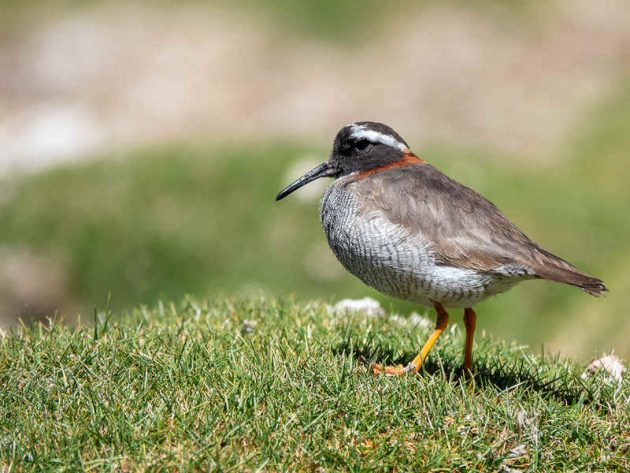
- Diadem Sandpiper-Plover: The Altiplano gem and a top target. Seen year-round in high-altitude wetlands.
- Horned Coot: A unique species featuring a distinct horn appendage instead of a frontal shield.
- Giant Coot: The largest coot in the world. They build massive floating nests and can be easily seen at the Putana wetland.
- Tamarugo Conebill: A tiny but loud oasis visitor that returns every spring to nest in Tamarugo trees.
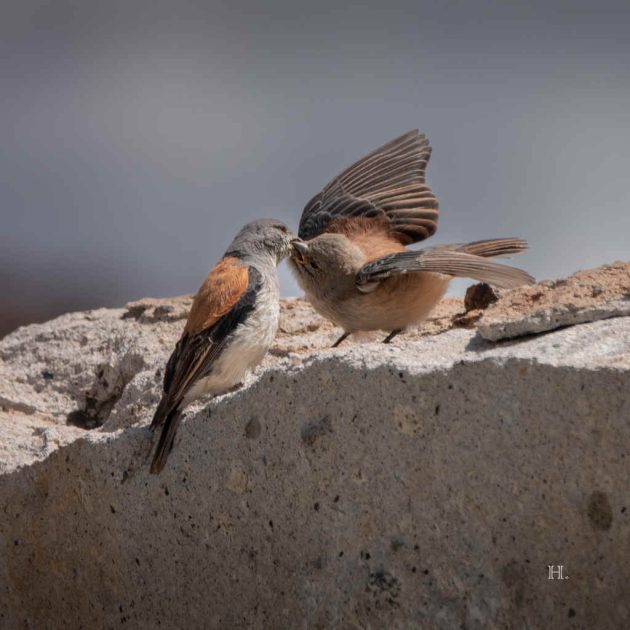
- Red-backed Sierra-Finch: Restricted to the high Andes between 4,000 and 5,000 meters above sea level.
- Flamingos (Andean, Puna, and Chilean): Three of the world’s six species can be seen here year-round due to altitudinal migration.
- Andean Hillstar: A tiny hummingbird that nests on rocky mountain slopes.
- Rufous-bellied Seedsnipe: High-altitude residents, so cryptic they are easily missed unless they vocalize.
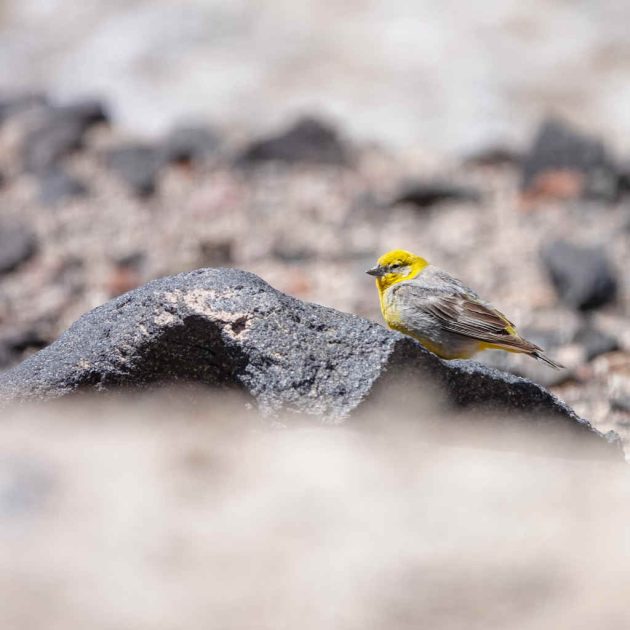
- Bright-rumped Yellow-Finch: Hard to find, but worth the effort in Andean bogs above 4,000 meters.
- Puna Plover: The highest-living plover in the world, beautifully adapted to the seemingly barren, high-altitude salt flats and lagoons of the Altiplano.
Giant Coot
Bright-rumped Yellow-Finch
Can you outline at least one typical birdwatching trip in your area? Please briefly describe the locations, the key birds, and the approximate duration of such a trip
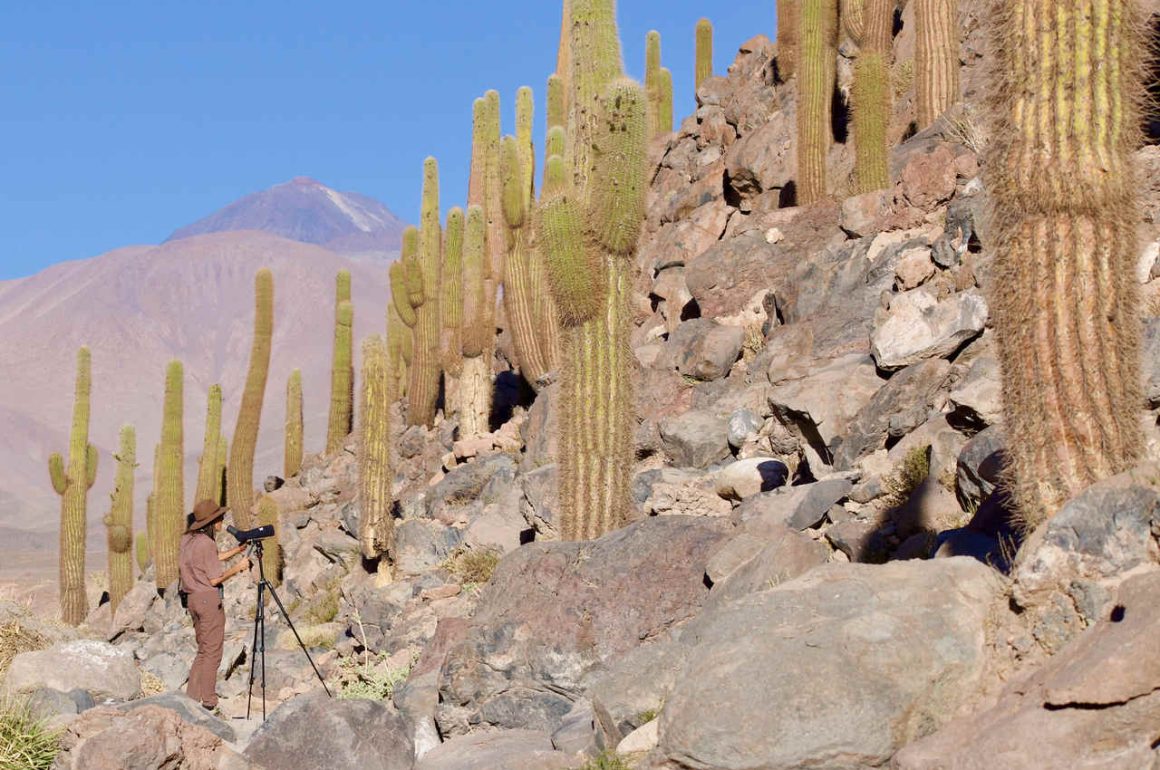
For a dynamic and highly productive experience, our typical half-day trip departs in the afternoon and lasts about 5 hours. We move by car to cover the vast distances comfortably, making our first stop at Guatin Canyon to admire the giant cacti and look for canyon zone specialists like the Straight-billed Earthcreeper and Black-hooded Sierra-Finch. From there, we head up to the high Altiplano wetlands, focusing on the Machuca, Putana, and Jauna bogs. This altitude transition allows us to find key targets like the Diadem Sandpiper-Plover, Horned Coot, Red-backed Sierra-Finch, and three flamingo species, while regularly spotting mammals like Vicuñas, Vizcachas, Guanacos, and Culpeo Foxes.
Diadem Sandpiper-Plover
For those looking for the complete experience, we expand this into a full-day tour. This allows us to drop down into the massive Atacama Salt Flat, a stunning, hyper-arid landscape where specialized hypersaline lagoons host nesting flamingos and unique shorebirds (like Puna Plovers and Andean Avocets), and explore the oasis ecosystems around San Pedro and Toconao. Since we cover distinct biomes and extensive terrain, all our itineraries are 100% customized and adapted based on the specific target species our clients wish to find.
Atacama Salt Flat
What other suggestions can you give to birders interested in your area?
Since we travel by vehicle to high-altitude areas, the most important thing to bring is plenty of drinking water and warm layers of clothing, as temperatures drop incredibly fast in the Altiplano. Regarding gear, binoculars and a camera are essential, though I always carry a high-quality Vortex spotting scope for the group to get crisp, close-up views.
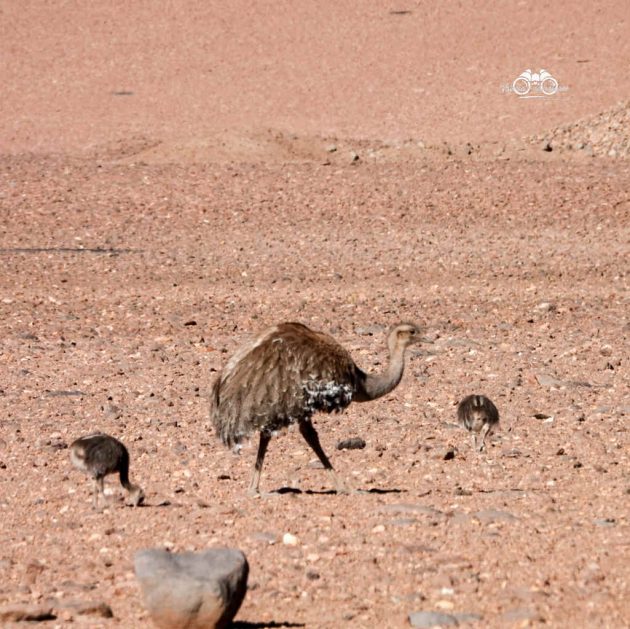
Puna Rhea
If any readers of 10,000 Birds are interested in birding with you, how can they best contact you?
The best way to reach me is through my email or WhatsApp for a direct message. You can also follow my daily updates on Instagram or check out my Google Business profile to see my work. My website is currently under construction, but it will be live very soon.
- Email: contact.vheindl@gmail.com
- WhatsApp: + 56 9 8422 4662
- Instagram: Valerias_adventurs
- Google Profile: Valeria’s Adventures
Red-backed Sierra-Finch
Is there anything else you would like to share with the readers of 10,000 Birds?
If you are planning a trip to this part of the world, it is important to know that we have tourism all year round. While spring and summer offer the peak of overall bird activity and the breeding season, coming during the off-season has incredible advantages. You get to experience these majestic and vast landscapes completely in calm, without the big crowds of tourists. Winter, for instance, brings some of the clearest skies on the planet, which is why I also run my own astronomical observatory here. This region has that rare magic where you can spend the day tracking unique birdlife and the night looking up at the dark skies and spectacular celestial objects. It is a truly fascinating place to experience around the clock.


Never in my wildest dreams would I have thought about birding but this post really made me enthusiastic… on the wish list!
We went with Valeria over 3 days of adventures out of San Pedro de Atacama and each trip was amazing. We are not actually birders but Valeria’s expertise and enthusiasm made each day an amazing experience. The memories will stay with me forever. Aside from so many birds we also saw a puma and an Andean Cat. Both are very rare sightings.