

A few months’ break in this series of regular posts on birding in Shanghai has apparently gone unnoticed, much to the disappointment and humiliation of the writer. Despondent yet somehow undeterred, he ventured out to Chongming Island on a very hot July day, despite July being arguably the worst birding month in Shanghai, and later filed this report on his bird sightings.
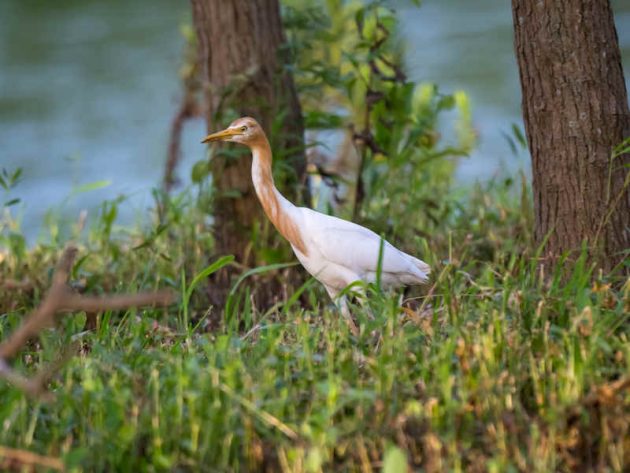
Cattle Egret: Several dozen of them on rice paddies, despite a cattle count of zero.
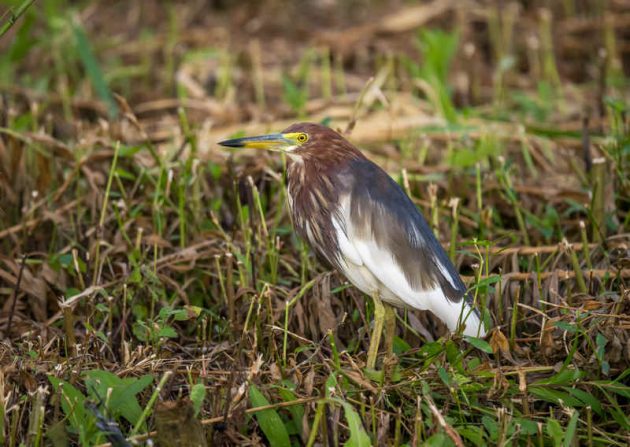
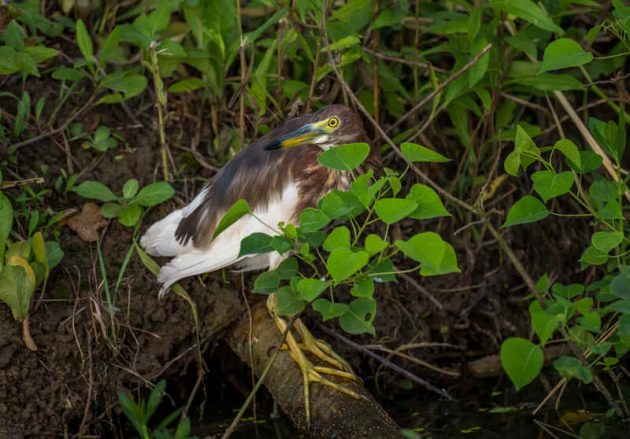
Chinese Pond Heron: Still mostly in their stylish breeding plumage – perhaps the best looking of all pond herons. National bias? Me?
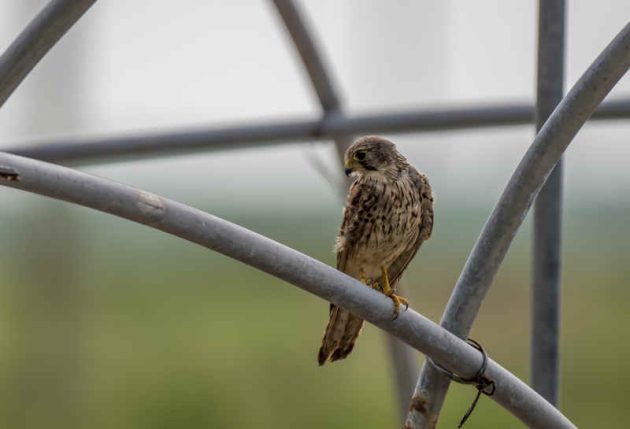
Common Kestrel: A female next to a big corn silo—a reminder that grain storage attracts rodents, and rodents attract kestrels.
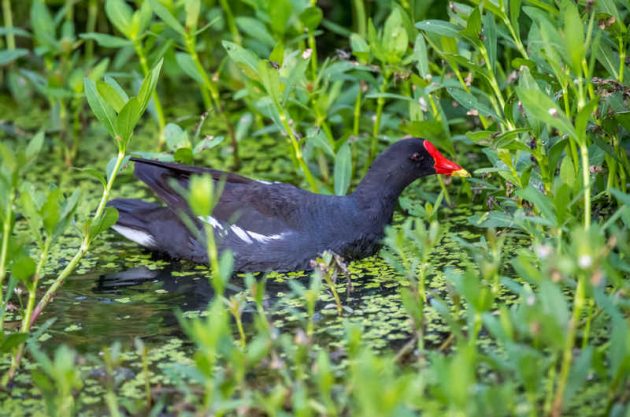
Common Moorhen: Still not convinced by the color scheme.
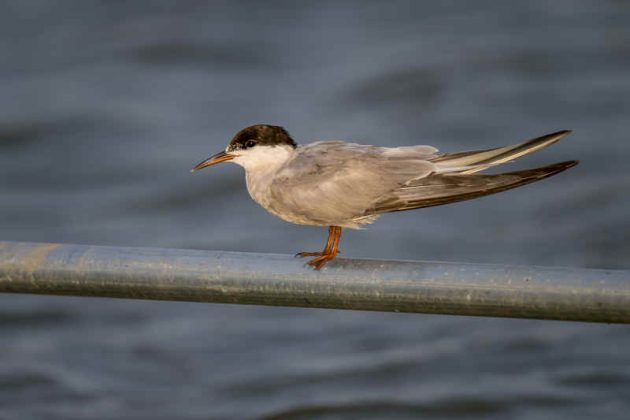
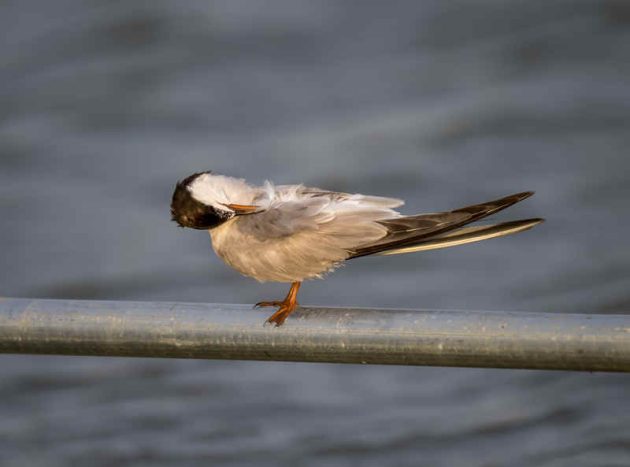
Common Tern: The first sentence of the Cornell account (“The Common Tern is the most widespread and familiar North American tern”) briefly made me wonder whether this bird was a vagrant.

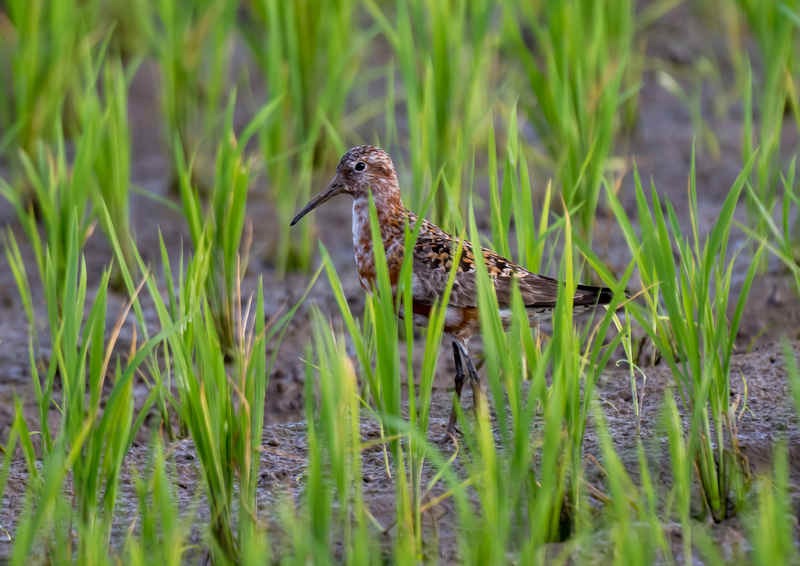
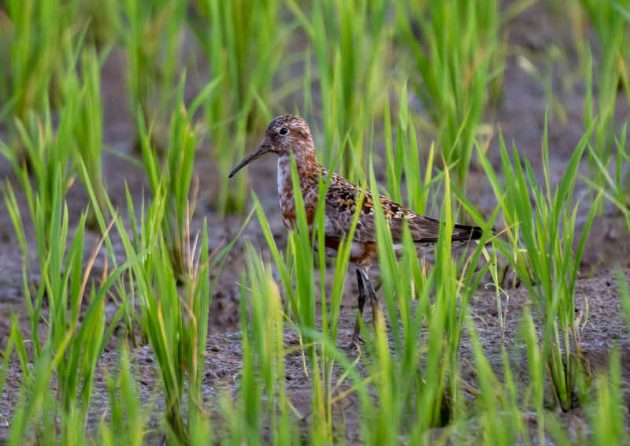
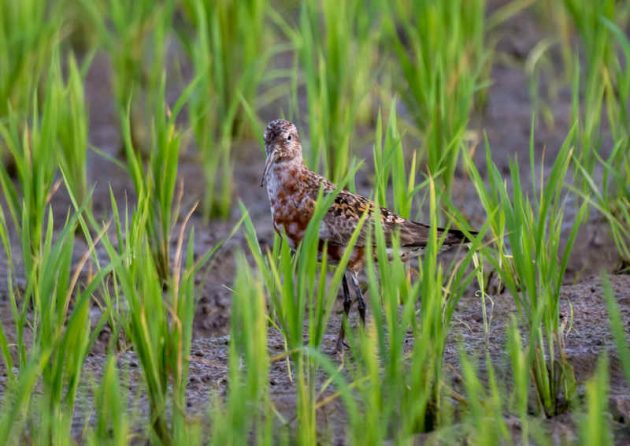
Curlew Sandpiper: Maybe the most interesting sighting of the day, certainly the most interesting plumage. Unfortunately, listed as Vulnerable, mainly due to severe degradation of shorebird habitat along the Yellow Sea (HBW). The males have a rather traditional approach to fatherhood: once all eggs have been laid, they leave, leaving incubation entirely to the female.
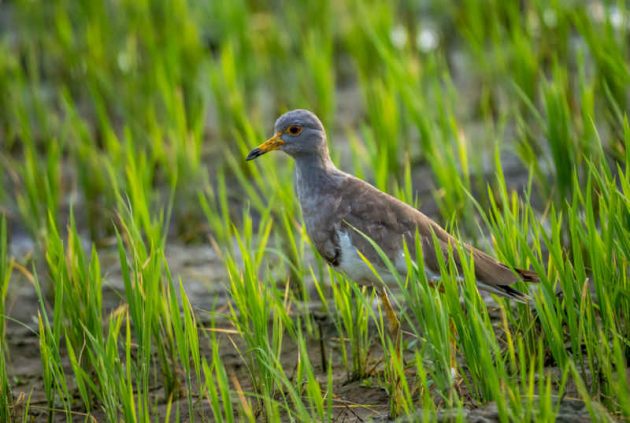
Grey-headed Lapwing: Strangely, the HBW describes this lapwing as “mostly silent”, while at least today it was by far the noisiest among all species encountered.

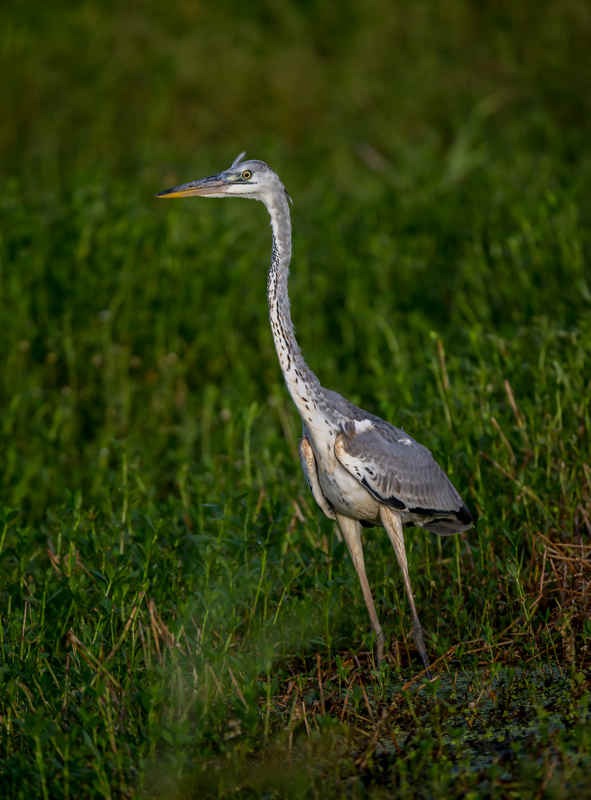
Grey Heron: Usually flies away the moment my camera is in position. This individual was presumably a bit suicidal.
Little Egret: Looking stylish while wading through mud.
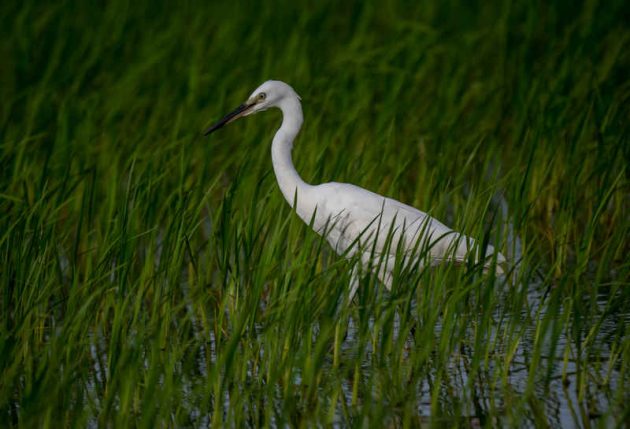
Little Ringed Plover: Not sure the eye-ring is real or photoshopped.


Long-toed Stint / Sharp-tailed Sandpiper: For some reason, I always confuse these two species, despite the latter being much larger. After years of pretending otherwise, I finally asked ChatGPT how to tell them apart. The answer, condensed to its essentials: Long-toed Stints are tiny, fine-billed birds with long legs; Sharp-tailed Sandpipers are noticeably larger, heavier-billed, buffier on the breast, and much less hyperactive. (ChatGPT comforts me by saying that this is a surprisingly common identification problem. I have my doubts, but it was kind of ChatGPT to say so.)
(self-test below)
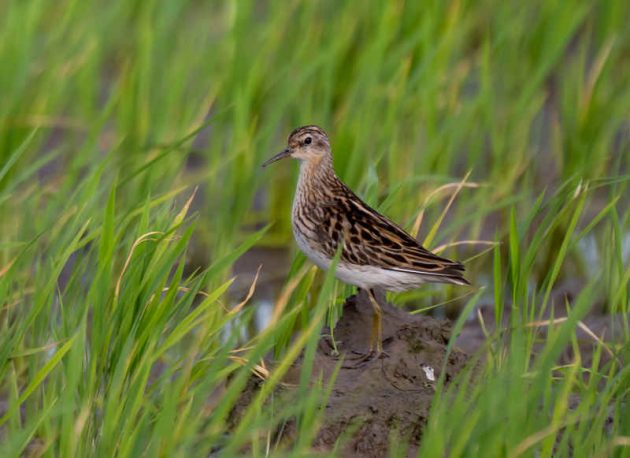

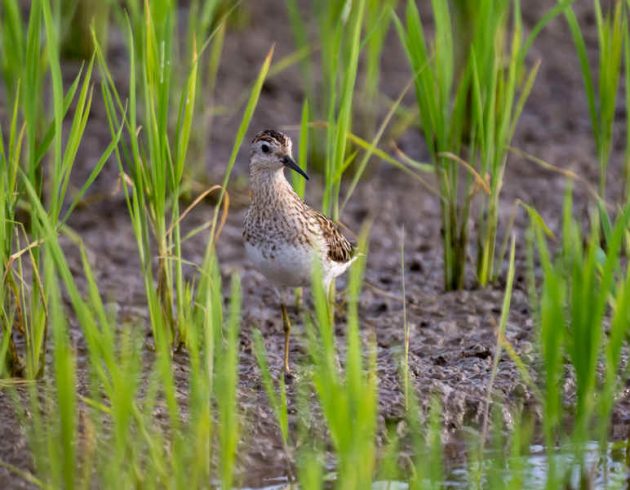
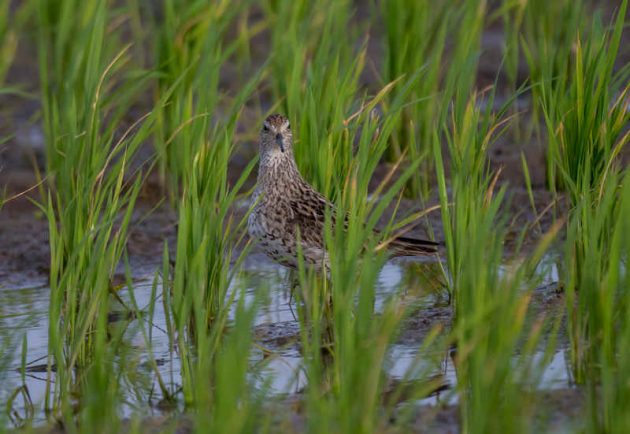
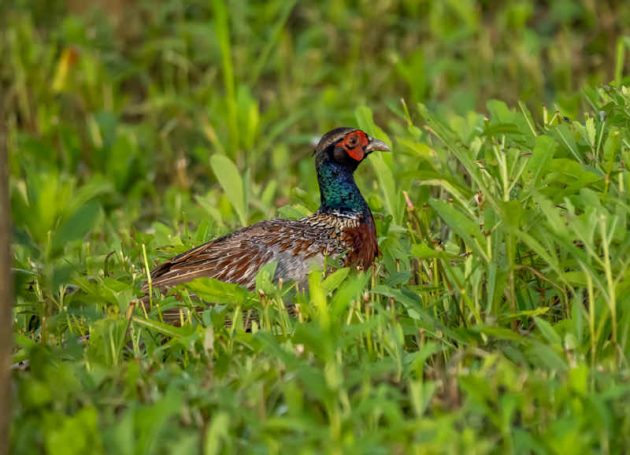
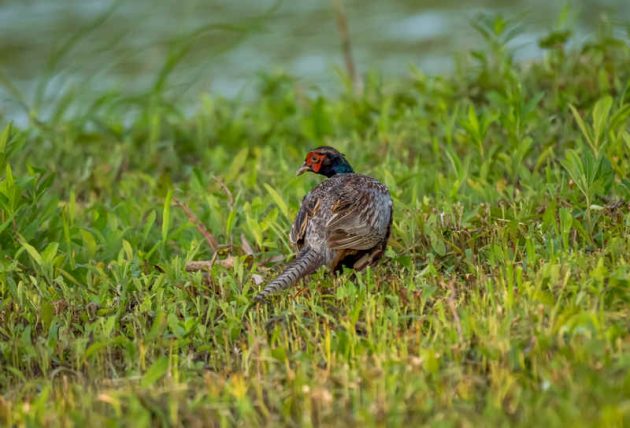
Ring-necked Pheasant: Usually they notice me much earlier than I notice them – and disappear.
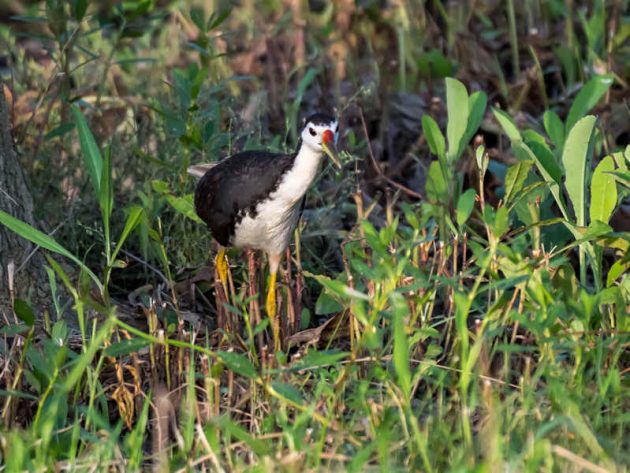
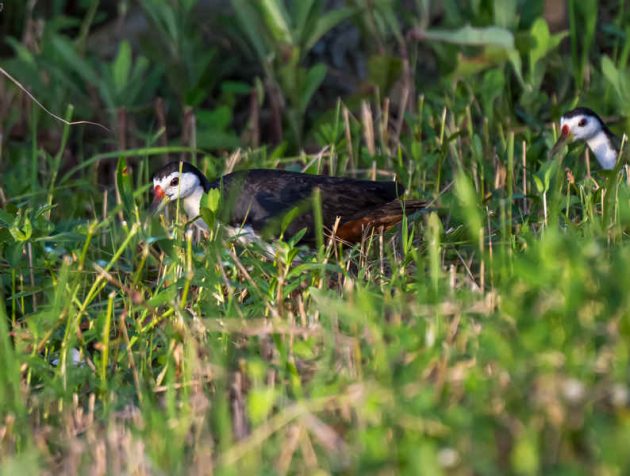
White-breasted Waterhen: Wins today’s award for Most Annoying Vocalization.
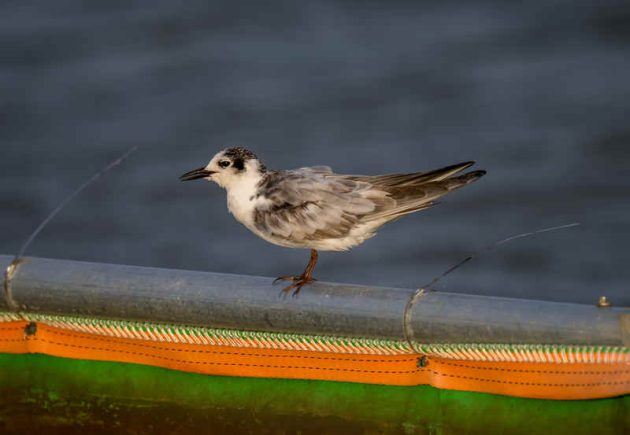
White-winged Tern: White-winged?
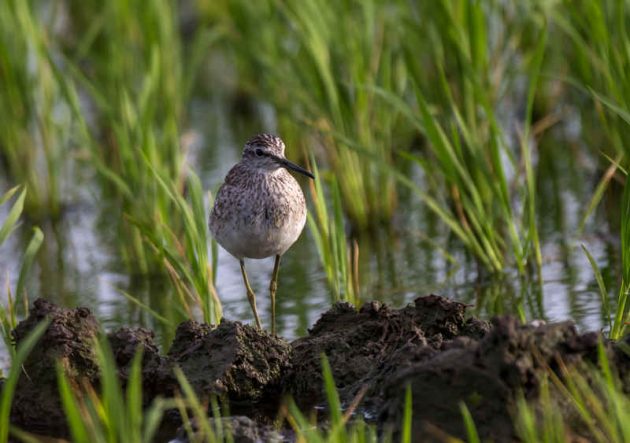
Wood Sandpiper: Because you can never have enough similar-looking brownish shorebirds.







HBW describes this lapwing as “mostly silent”, because the Nearctic focus of this source probably means the specimen was dead, with a tag on its foot.
Welcome back to the Shanghai report. It’s fascinating to see the birds we have in common here in the UK (such as Moorhen and Grey Heron) and those we don’t (Sharp-tailed Sandpiper, Long-toed Stint, etc). Great pictures, too, but only what we have come to expect. I am forced to think that Chinese birds are slightly more approachable than ours. I wish I could get photographs half as good as that from a shorebird outing.