

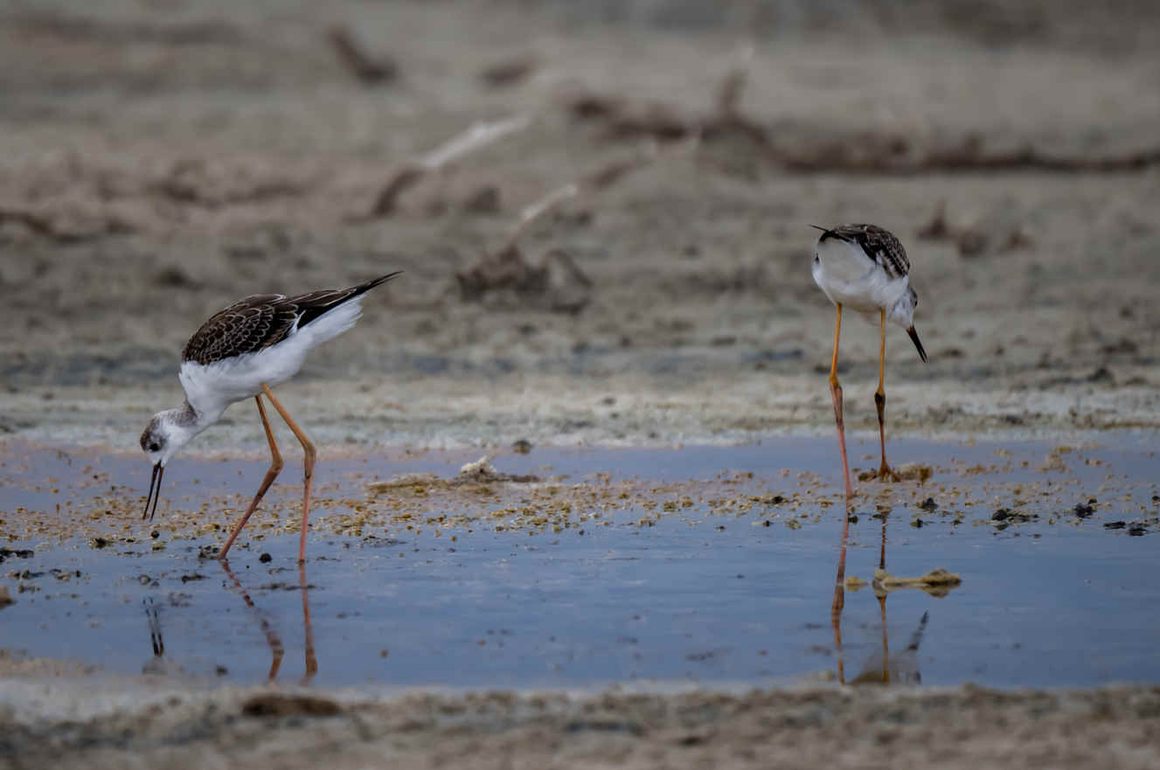
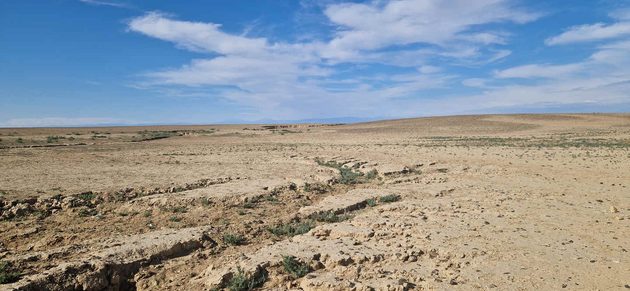
Given that Xinjiang is generally very dry – only about 10% of its area is suitable for human habitation – it is not a place where one expects to see many waders.
Wetland and not wetland in Xinjiang
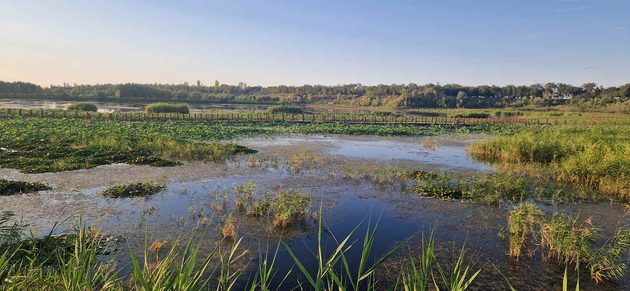
And yet, I saw plenty of them in August: Black-winged Stilt, Pied Avocet, Northern Lapwing, Little Ringed Plover, Kentish Plover, Black-bellied Plover, Black-tailed Godwit, Common Redshank, Ruff, Little Stint, Temminck’s Stint … In fact, a 2000 paper lists 38 wader species observed in Xinjiang.
Pied Avocet
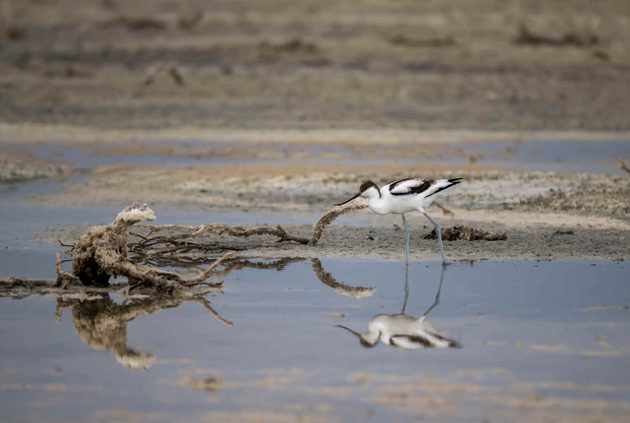
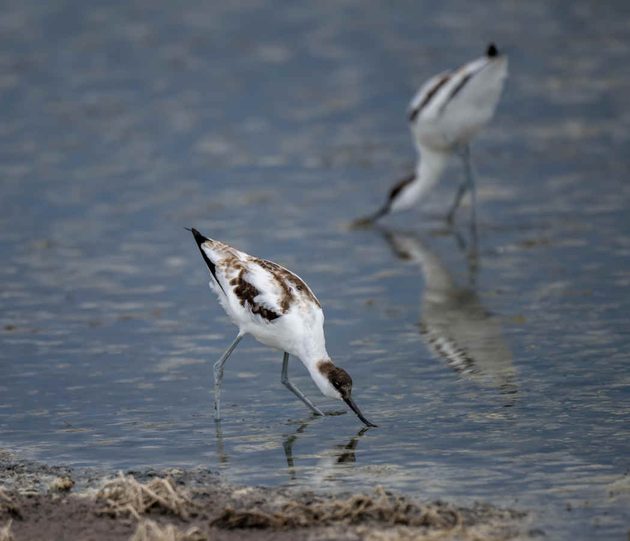
Which probably means waders do not really need water, right?
Black-bellied Plover
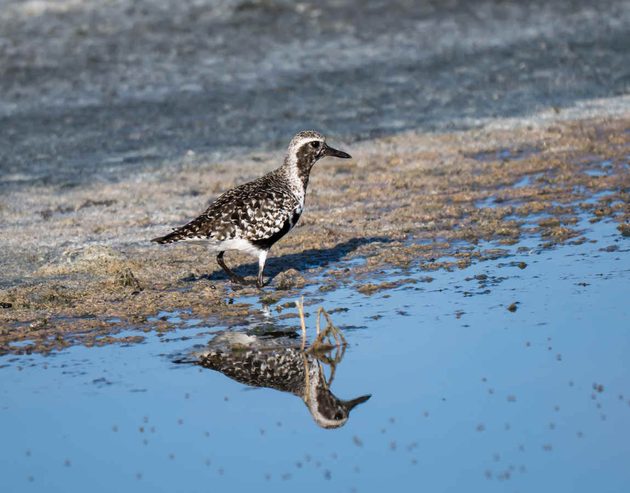
Well, not exactly. Waders need wet places, but they do not necessarily need big, deep lakes and oceans. Shallow wetlands will do nicely. So will man-made reservoirs.
Ruff
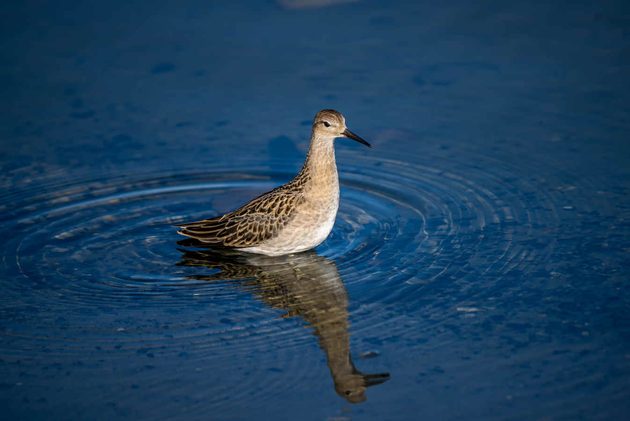
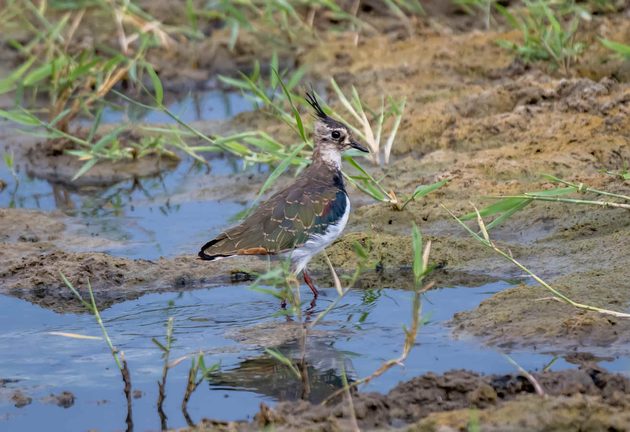
And Xinjiang has those. Some of them look rather inhospitable – alkaline, shallow, and very sparsely vegetated, as some of the photos show – but that seems to be okay. In fact, that combination can be quite good for waders.
Common Redshank
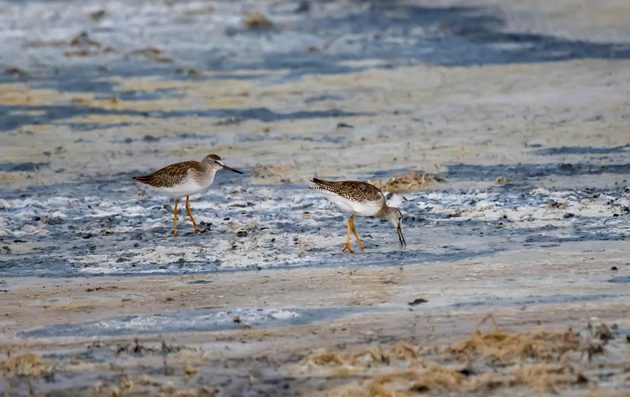
Where does the water come from? Xinjiang is extremely continental and extremely dry, but it also has high mountains. Meltwater from these mountains feeds rivers and wetlands in an otherwise arid country.
Northern Lapwing
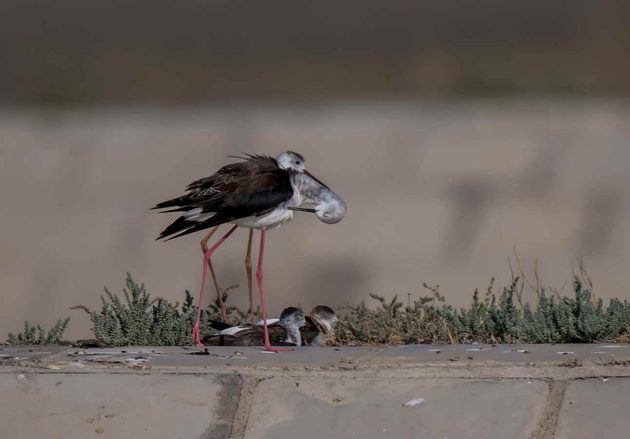
That makes Xinjiang attractive enough to some waders that they actually breed here, like these Black-winged Stilts (and at least nine other species).
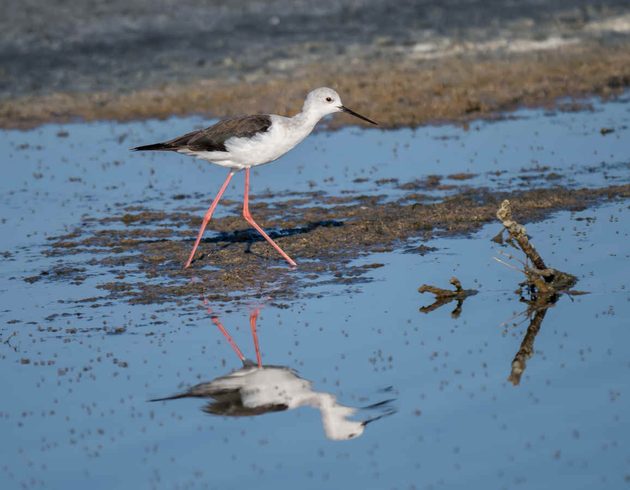
Another reason for the presence of waders in Xinjiang is that it lies on the Central Asian Flyway. This flyway connects breeding grounds in northern Eurasia with wintering areas farther south. The lakes and wetlands of Xinjiang thus act as gas stations for birds on migration. And we all know that such service stations do not necessarily need to be particularly beautiful to be attractive.
Little Stint
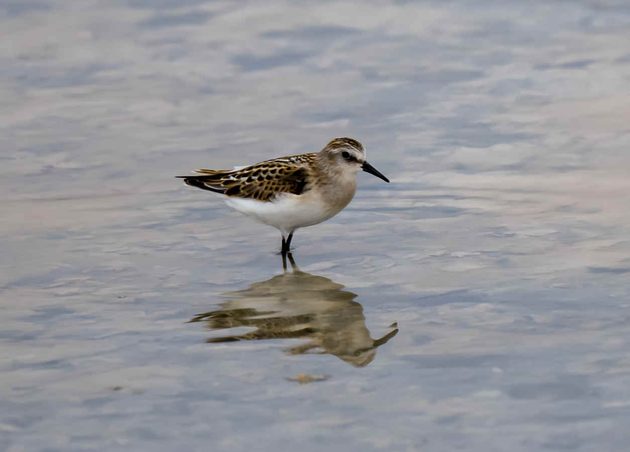
Bird photos taken in Xinjiang, China in August 2026 at Ulungur Lake, except for Black-winged Stilt with chicks (Tachakou)







Leave a Comment