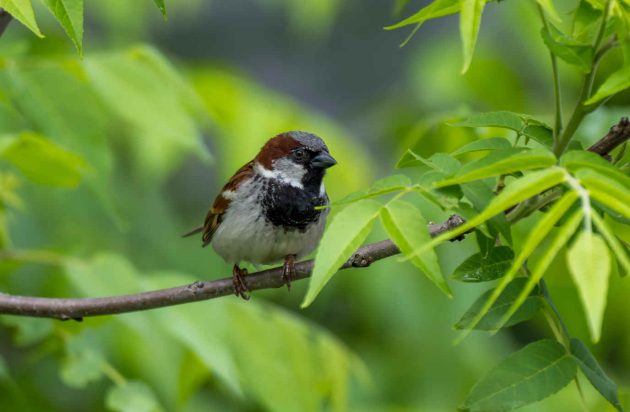
The House Sparrow is not native to North America but has been remarkably successful there since its introduction. This makes the statement in its HBW species profile that “In this account we have emphasized North American works” seem rather odd. Ornithological nationalism? It might get some applause from the Trump administration, though it seems a strange approach to preparing a scientific species profile.
With about 7,000 papers on the House Sparrow in total (source), focusing primarily on the North American ones is certainly a good way to reduce the workload. It is perhaps less obviously a good way to describe the species. Maybe the next, even lazier authors will exclusively focus on birds in zoos.
Helpfully, the species profile also provides some information about the authors themselves, telling me that one “bicycles, fences foil and epee, and plays cello and bass,” while the other “is active in Scouting and enjoys nature photography, woodcarving, and swimming.” Do I really need to know this? I guess it explains why they did not have much time left to look at non-North American papers.
The two authors do seem to agree, in the section “Priorities for Future Research,” that “ample opportunity still exists for additional research and study”—presumably ideally in North America, I guess.
Some sections of the profile give a good impression of what ornithology must have looked like in the days of Audubon and for quite some time afterwards:
“Volumetric analysis of stomach contents based on 4,848 adults taken between 1879 and 1925, primarily from Alabama, Connecticut, Illinois, Iowa, Kansas, Massachusetts, Michigan, Mississippi, Pennsylvania, Vermont, Virginia, Wisconsin, and District of Columbia: 60% livestock feed (wheat Triticum, oats Avena, cracked corn Zea, sorghum Sorghum), 18% cereals (grains from field or storage), 17% weed seeds (major species: ragweed Ambrosia, crabgrass Digitaria, bristlegrass Setaria, knotweed Polygonum), and 4% insects.”
Four thousand eight hundred and forty-eight dead House Sparrows. Ornithologists apparently took their sample sizes seriously in those days.
HBW also provides valuable information for female House Sparrows wondering when not to look into a mirror: “Body mass cycles daily with maximum in late afternoon and minimum just before onset of feeding in morning.” Yes, I am a bit ashamed of that joke.
Being both common and widely distributed, the House Sparrow is frequently used to investigate the bioaccumulation of pollutants such as lead and zinc (source 1, source 2, source 3).
I found myself thinking of “Country House“ by Blur while reading a paper comparing the health of rural and urban House Sparrows in Europe. Apparently, the rural birds are healthier, possibly because of better food in the countryside and greater stress in cities.
Another paper looks specifically at the decline of urban sparrows and identifies reductions in insect biomass and the availability of nesting sites as key factors.
Sometimes, research papers are frightening not because of their main subject but because of what they mention almost in passing. One paper examines why wild juvenile sparrows sometimes die after being captured—and casually mentions that this happens to almost half of the sparrows caught.
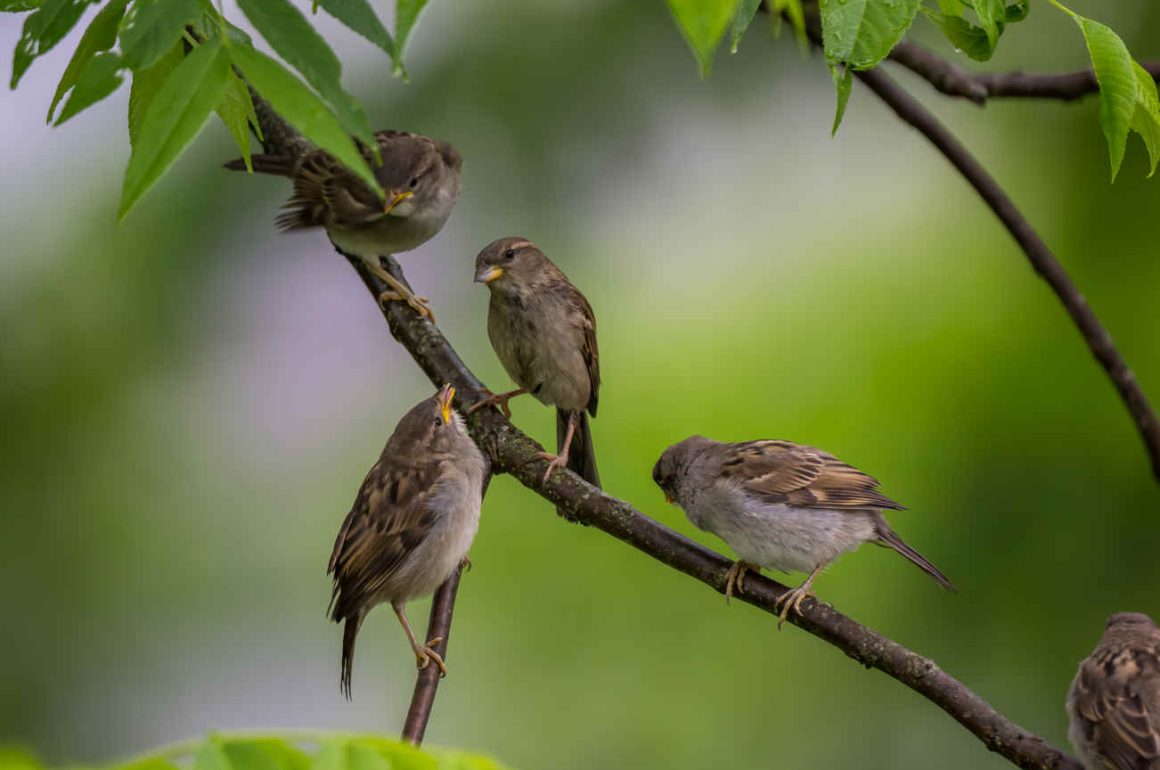
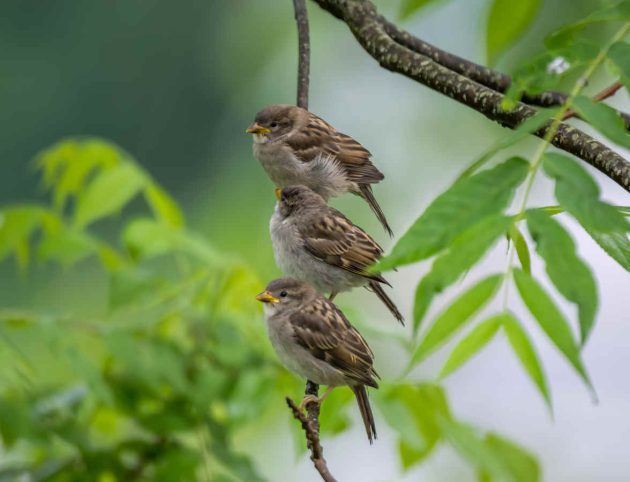
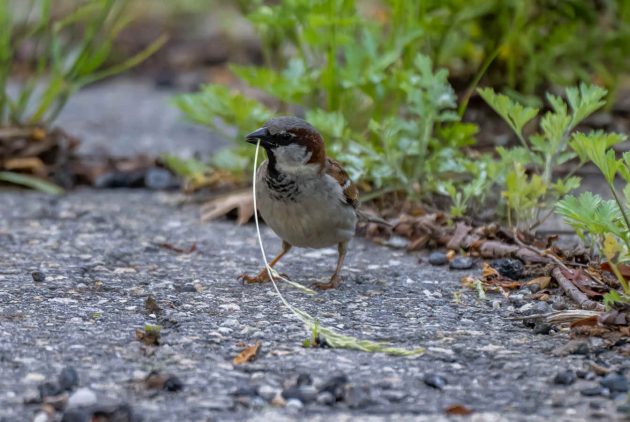
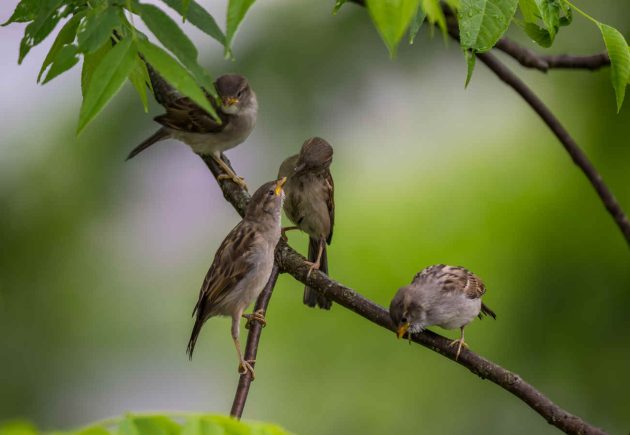
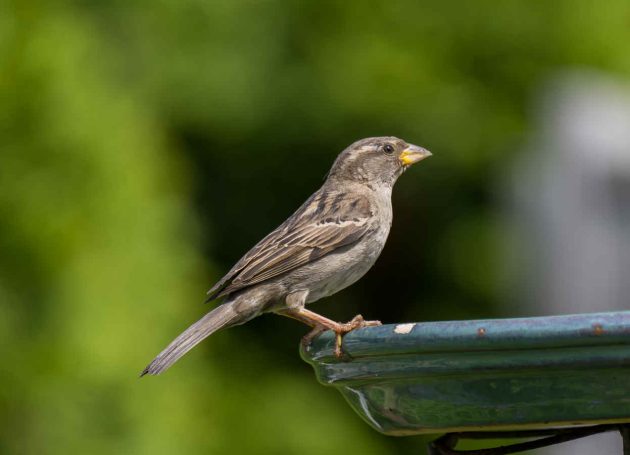
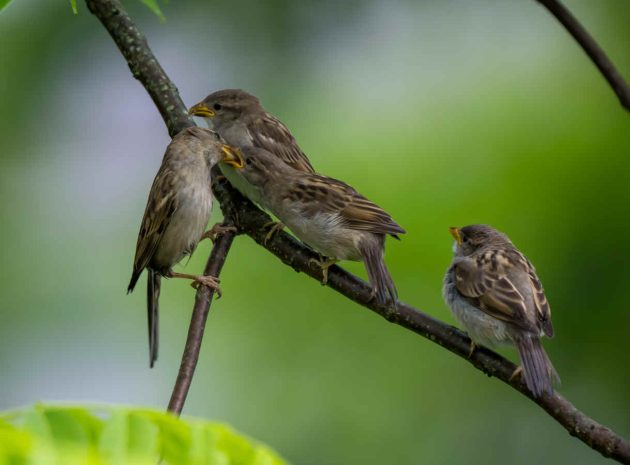
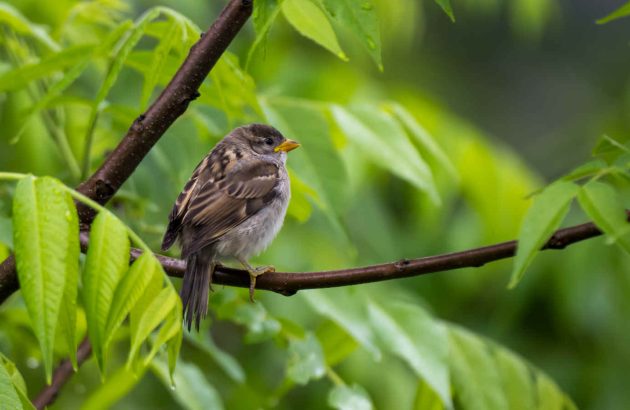
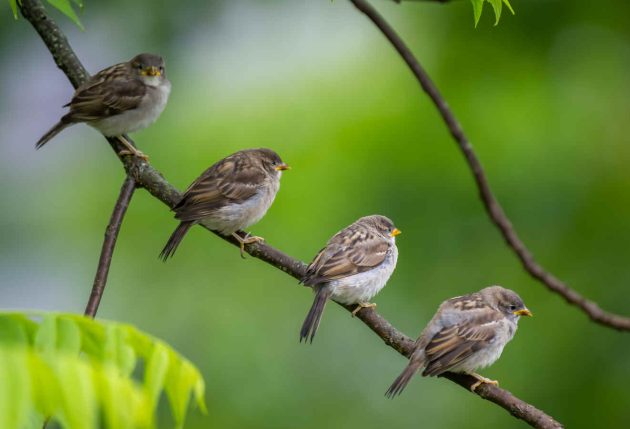
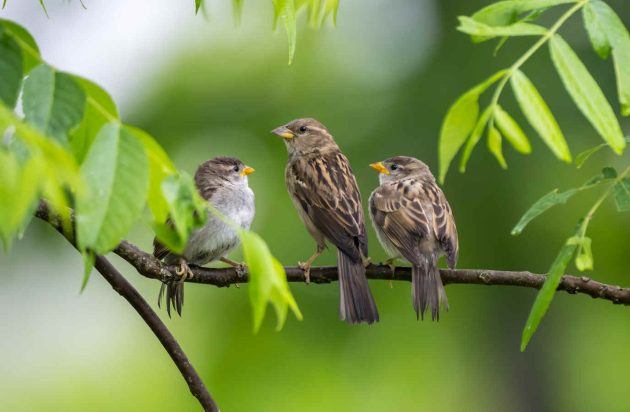
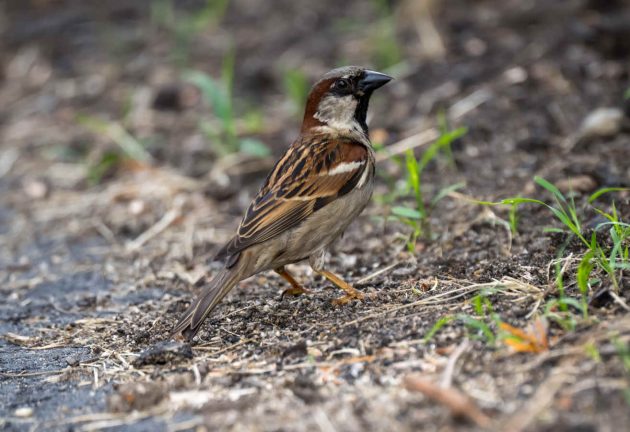
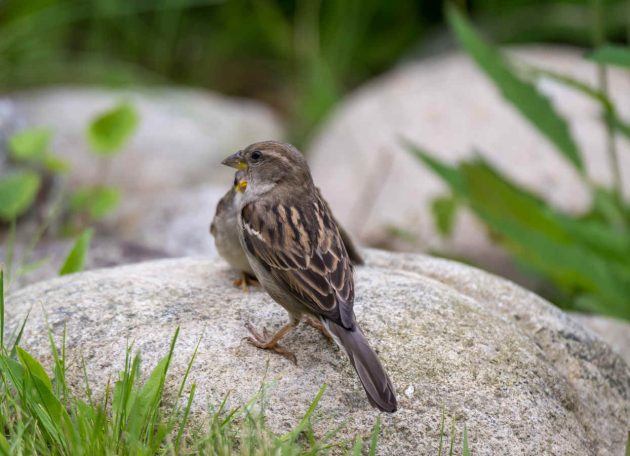
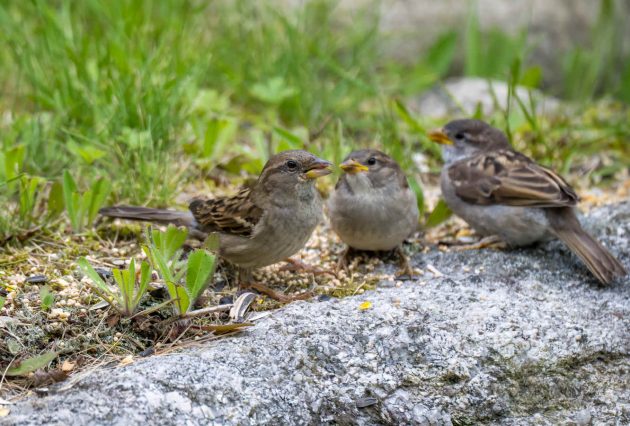
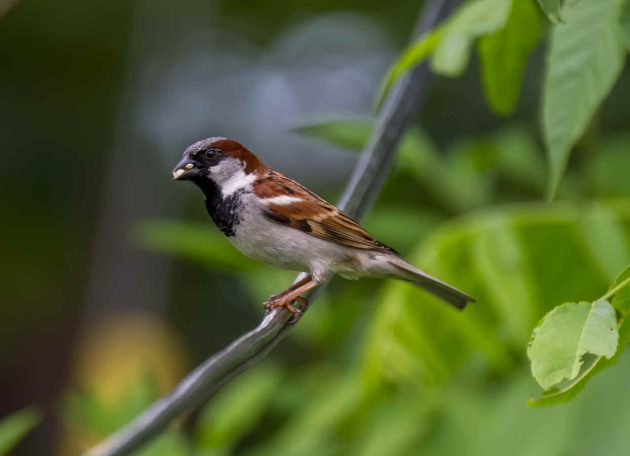
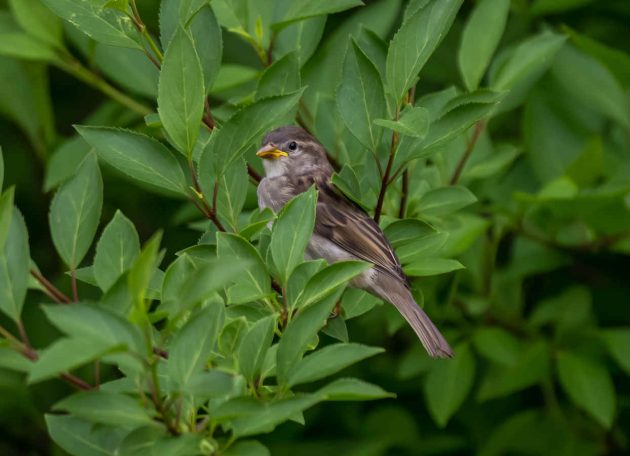
Photos taken at Bath, Maine, in June 2026
1
Written by Kai Pflug
Kai has lived in Shanghai for 22 years. He only started birding after moving to China, so he is far more familiar with Chinese birds than the ones back in his native Germany. As a birder, he considers himself strictly average and tries to make up for it with photography, which he shares on a separate website. Alas, most of the photos are pretty average as well.
He hopes that few clients of his consulting firm—focused on China’s chemical industry—ever find this blog, as it might raise questions about his professional priorities. Much of his time is spent either editing posts for 10,000 Birds or cleaning the litter boxes of his numerous indoor cats. He occasionally considers writing a piece comparing the two activities.
The 4,848-stomach diet study is a gift for anyone who feeds birds, because it explains something backyard feeders still argue about: House Sparrows are grain and weed-seed birds first, insect-eaters a distant fourth. That is exactly why the cheap mixes built on cracked corn, wheat and milo turn a feeder into a sparrow station, and why switching to straight black-oil sunflower, safflower or nyjer thins them out so quickly — the 1879–1925 birds would have told the same story. The urban-decline paper is interesting in the same light: nest sites and insect biomass, not seed. In the cities where I’ve watched them, the sparrows that raise successful broods are the ones with a hedge or a patch of unmown ground nearby to hunt caterpillars for the chicks; a well-stocked feeder alone doesn’t seem to do it. And thank you for the rural-vs-urban health comparison, I hadn’t seen that one.










The 4,848-stomach diet study is a gift for anyone who feeds birds, because it explains something backyard feeders still argue about: House Sparrows are grain and weed-seed birds first, insect-eaters a distant fourth. That is exactly why the cheap mixes built on cracked corn, wheat and milo turn a feeder into a sparrow station, and why switching to straight black-oil sunflower, safflower or nyjer thins them out so quickly — the 1879–1925 birds would have told the same story. The urban-decline paper is interesting in the same light: nest sites and insect biomass, not seed. In the cities where I’ve watched them, the sparrows that raise successful broods are the ones with a hedge or a patch of unmown ground nearby to hunt caterpillars for the chicks; a well-stocked feeder alone doesn’t seem to do it. And thank you for the rural-vs-urban health comparison, I hadn’t seen that one.