

Surely the most horrible season: summer. Birds are moulting and quiet, pre-dawn rising is at 3:00 hrs and there are ticks and biting insects everywhere. And then add the minor issues of glaciers melting, trees dying and major rivers not having enough water to float a ship. Thankfully, in the northern hemisphere it seems to be over now.
While walking my dog, I realised Mother Nature had dumped a lot of European Robin and Great Tit on my local park. This could only mean one thing: migration had started in earnest and whatever I had planned for Friday morning was now much lower priority (who needs a coronary bypass when birds are around?). I needed to get to the coast and check out the Kapittelduinen before the wind would turn north and send all the birds to warmer climes.
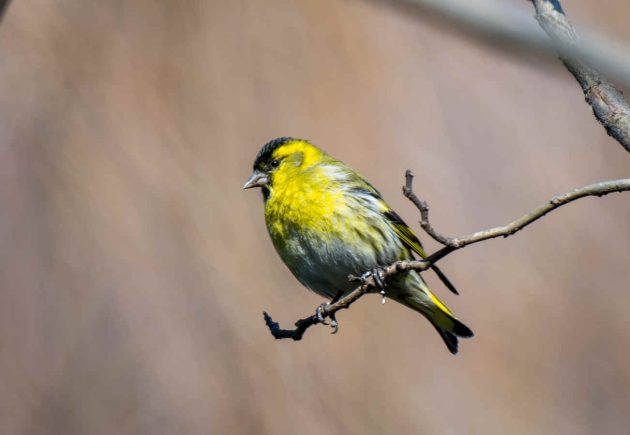
Marvelous it was: less than 10 minutes out of the metro and I had already seen or heard Meadow Pipit, Hawfinch, Greenfinch, Chaffinch and Woodlark. Large swarms of Starlings flew over the dunes, followed by Eurasian Siskin (picture by Kai) and Common Linnet. A few Eurasian Goldfinch popped up in the shrubs and thus I had seen a full suite of finches within the hour.
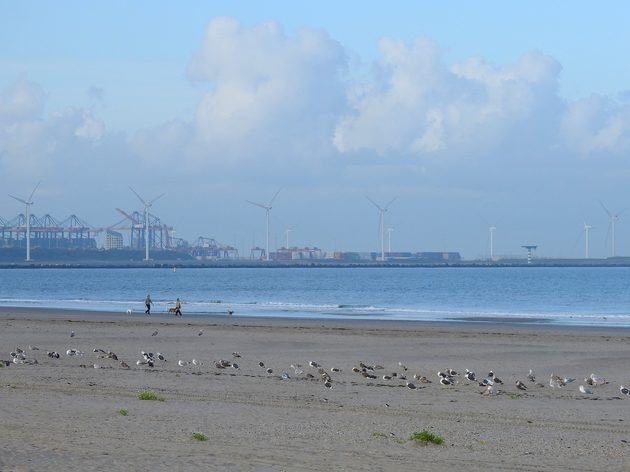
I crossed the dunes onto the beach and checked out a group of gulls. Backlit by the lovely industrial landscape of the Europoort, I spotted Herring Gull and Lesser Black-backed Gull of various ages and some Black-headed Gull flying over.
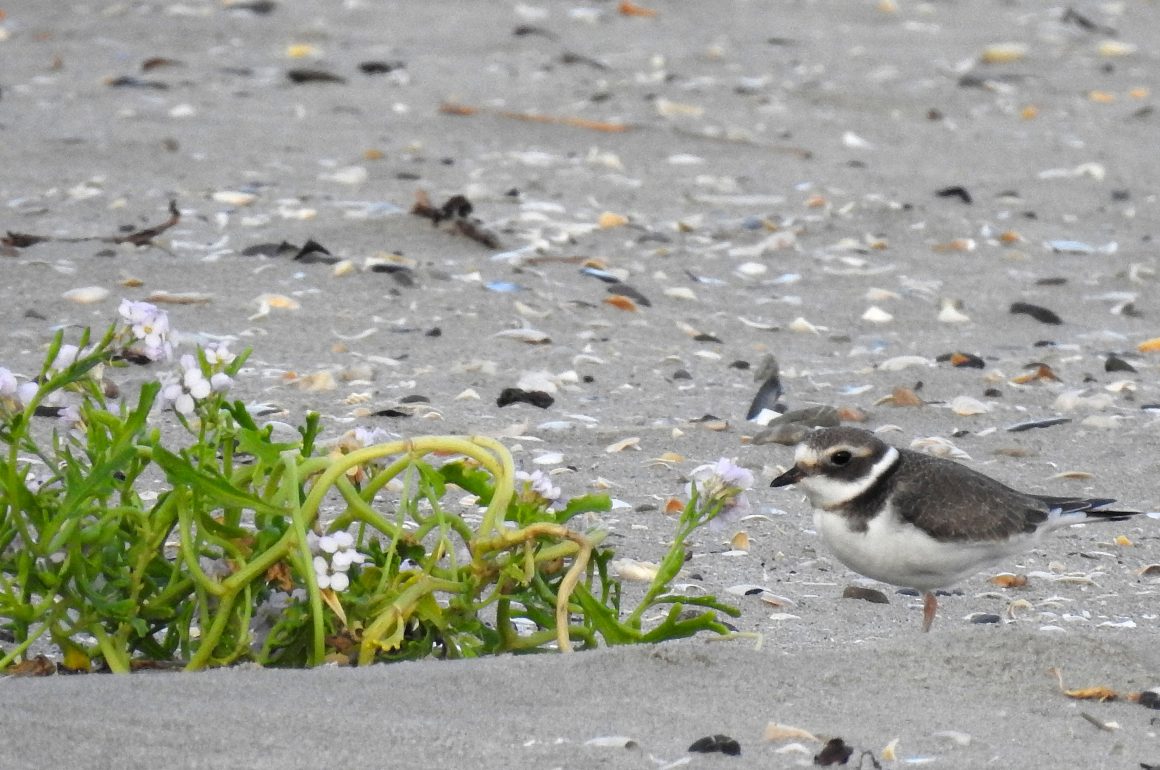
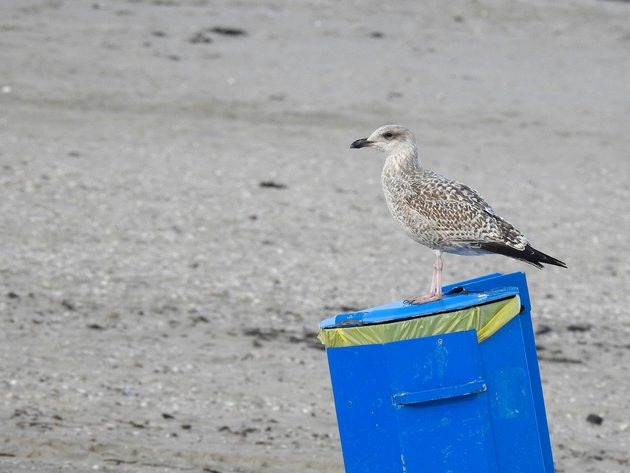
Common Ringed Plover kept their distance, both from me and the gulls. I walked a few steps towards them to get a better picture but they immediately ran away. No surpise as we learned recently on this very website. You will have to settle for the header picture’s quality since I didn’t bring a competent photographer with me. A juvenile gull was checking out the recycling bin for edible morsels or PET bottles with unclaimed deposits.
Walking back into the dunes and towards the station, a Tree Pipit and a pair of Skylarks bid me farewell. What these birds lack in colour they do make up in manners. Such nice birds, and a fitting end to a well-spent Friday morning with a grand total of 33 species in 90 minutes.







Leave a Comment