

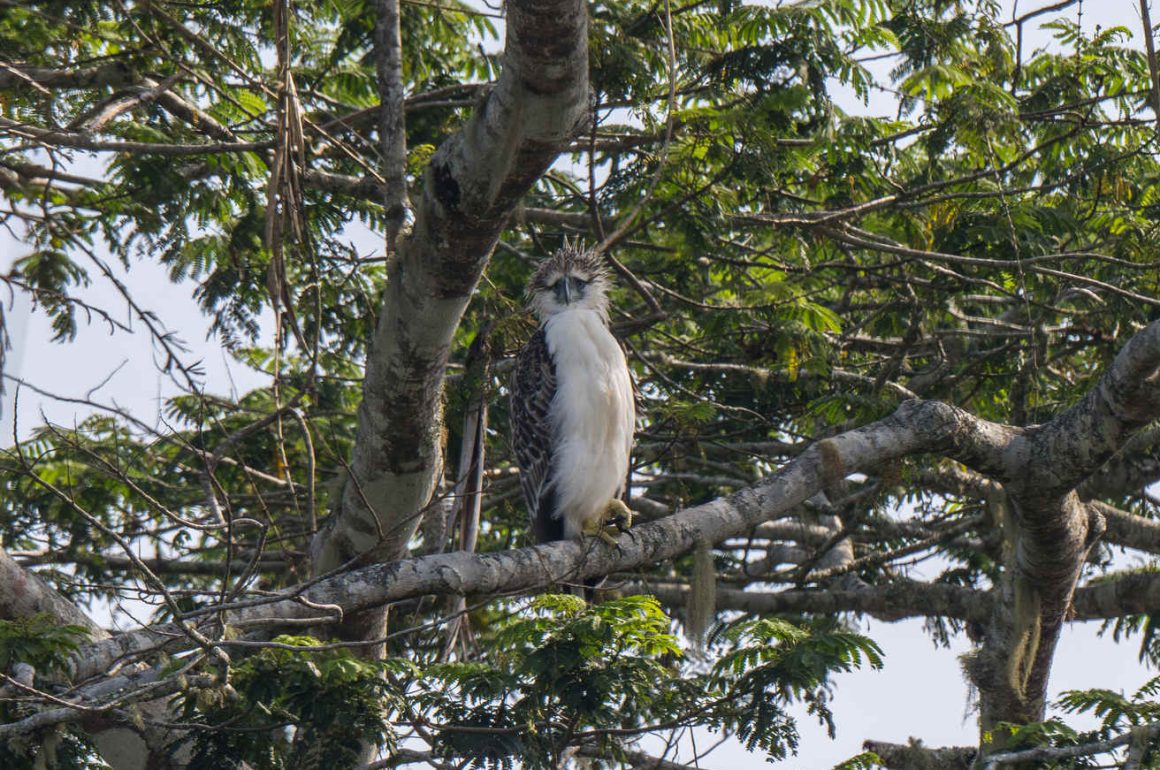
The Philippine Eagle is “of the world’s most endangered birds. Global population calculated to be 90-250 pairs, or 180-500 mature individuals (250-750 individuals in total), based on an estimate of 82-233 breeding pairs for [the] island of Mindanao” (in the abbreviated style of the HBW).
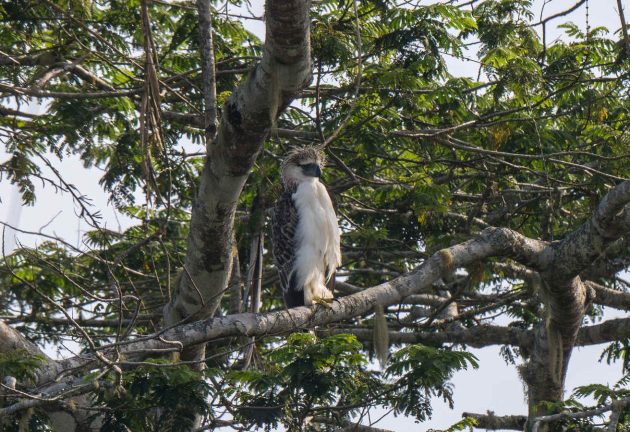
Another paper provides an estimate of 392 breeding pairs (range: 318–447 pairs), or 784 mature individuals, across the Philippine Eagle global range and continues to point out that the method described in the paper “is a promising spatial modelling tool with widespread applications”, which seems to reflect more concern for the career of the researchers than for the endangered eagle (am I in a bitter mood? You bet I am).
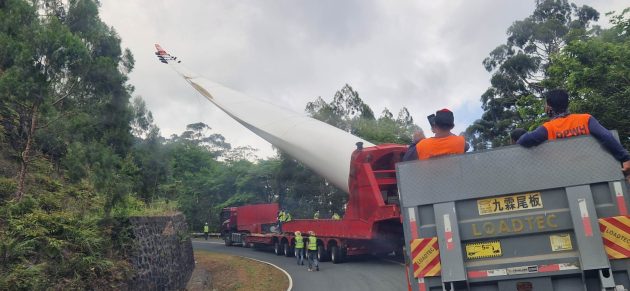
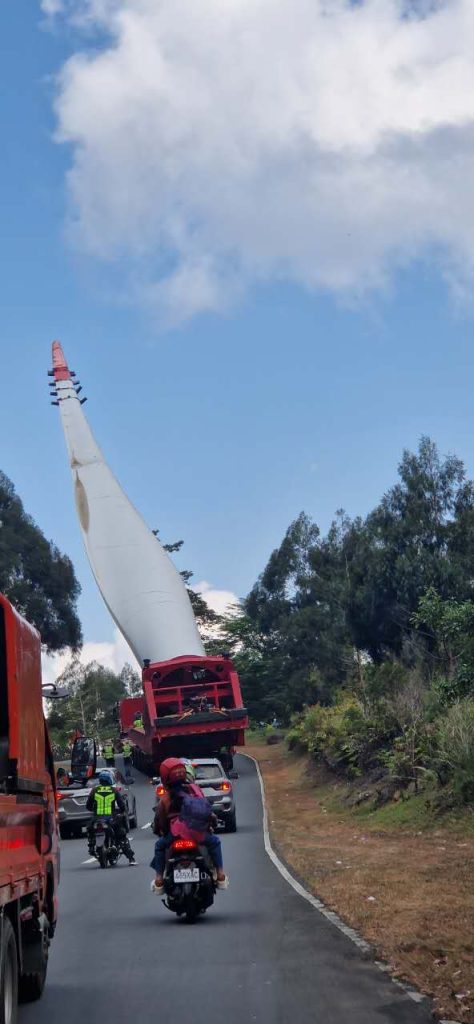
Habitat loss and hunting are among the reasons for this situation (source). And indeed, while on Mindanao, I often heard and saw illegal logging in supposedly protected areas (the perpetrators just bribe the local officials and thus are completely unafraid of any consequences), as well as other activities destroying habitat, such as the setup of massive wind turbines on Luzon (getting these turbines into the right places meant having to fell thousands of old and important trees – the photo probably shows why.)
The “relaxed” breeding cycle of the species does not help – as result of long post-fledging dependency, successful breeding usually requires two years.
Jumping on the bandwagon of endangered species, the 2025 9th International Symposium on Multidisciplinary Studies and Innovative Technologies (ISMSIT) featured a paper on the “Philippine Eagle Optimization Algorithm”, which claims to be (and I quote this with a hearty degree of scepticism) “a meta-heuristic and population-based search algorithm inspired by the territorial hunting behavior of the Philippine Eagle” but sounds to me more like something mathematicians come up with to justify their work while at the same time “helping promote the critically endangered Philippine Eagle”. I guess I will meet the authors in hell one day. (Bitter, me?)
On a somewhat more positive note, there seem to have been some successes in conservation in particular in cooperation with indigenous populations, as described here. Apparently, the NGOs involved in the project actually did something exciting and unexpected, namely, learning about local conservation by considering the Indigenous perspective on values, goals, issues, strengths, weaknesses, opportunities, and threats. And then working with them along these lines. Who would have thought that such an absurd approach could be successful? (I know I am overdoing the bitterness here but am not going to apologize for it).
Of course, anyone who has read so far will not be surprised that this post does not end on a positive note. Yet another study found that while the benefits of eagle conservation are far higher than the costs, only a minority of respondents potential national aggregate benefits outweigh the conservation costs significantly, only a minority (23-31%) of surveyed individuals expressed willingness to contribute financially.
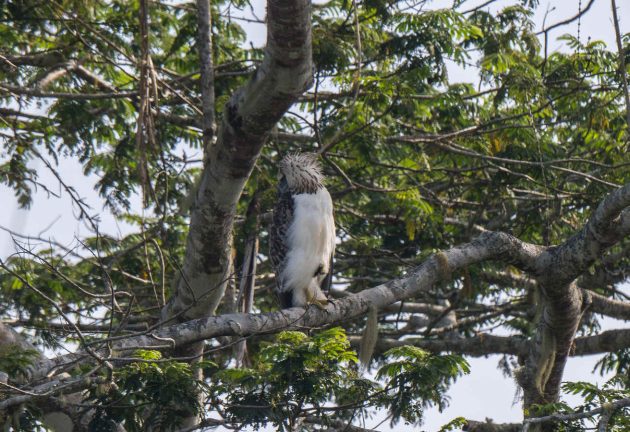
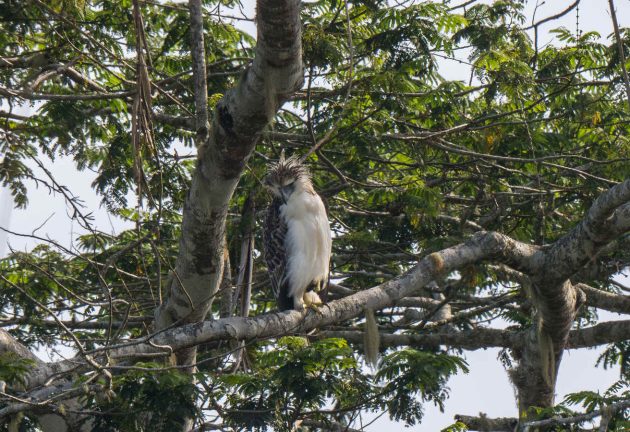
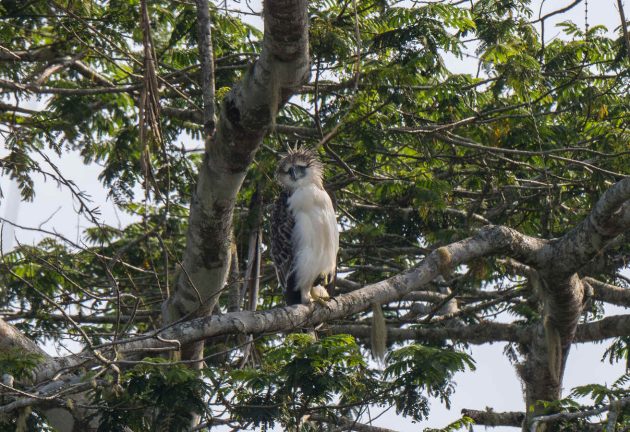
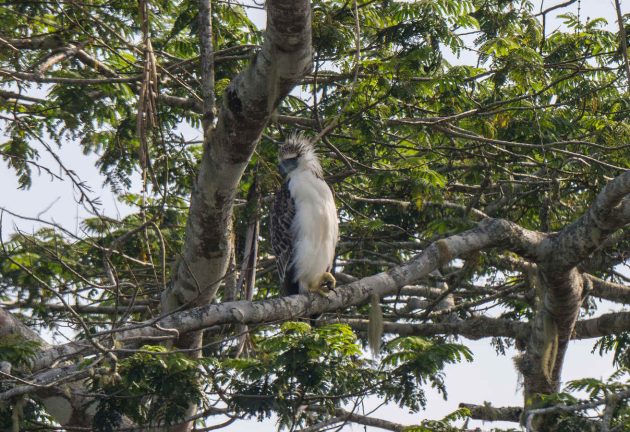
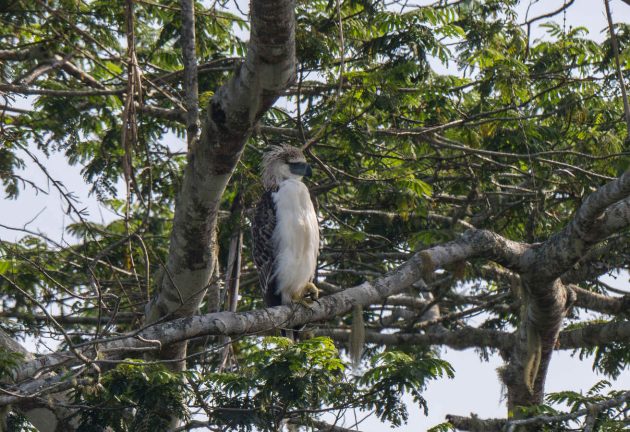
All eagle photos (presumably an adult female) were taken at Cinchona National Park in Mindanao in April 2026. Thank you very much to Irene Dy for her guiding, and also for her hatred for the people who destroy the habitat of the eagle.
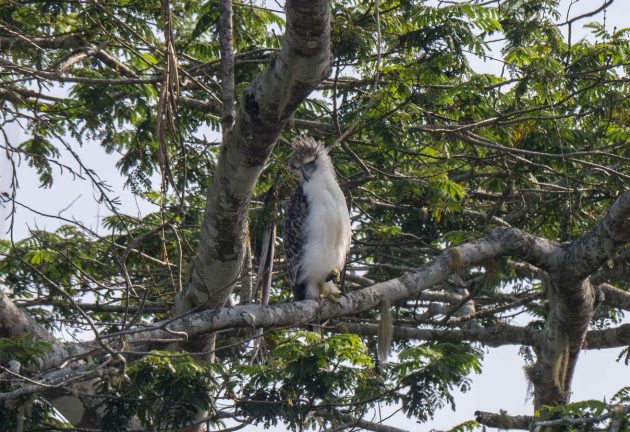
* Sticklers may note that this is a Species Spotlight appearing in my usual spot for general birding posts. Then again, I doubt sticklers paying such close attention to our publication schedule really exist. I’d be very happy if you contradict me on this in the comments.













An important reminder of why conservation efforts matter so much.
Involving Indigenous culture is spreading to the ends of the Earth!
What i’ve seen in the Americas is close to spellbinding. Look at Eco-tourism in Clolumbia, and the reintroducuctiom cultural fire management in the Western United States. Regenerative Farming is ramping up as well.