

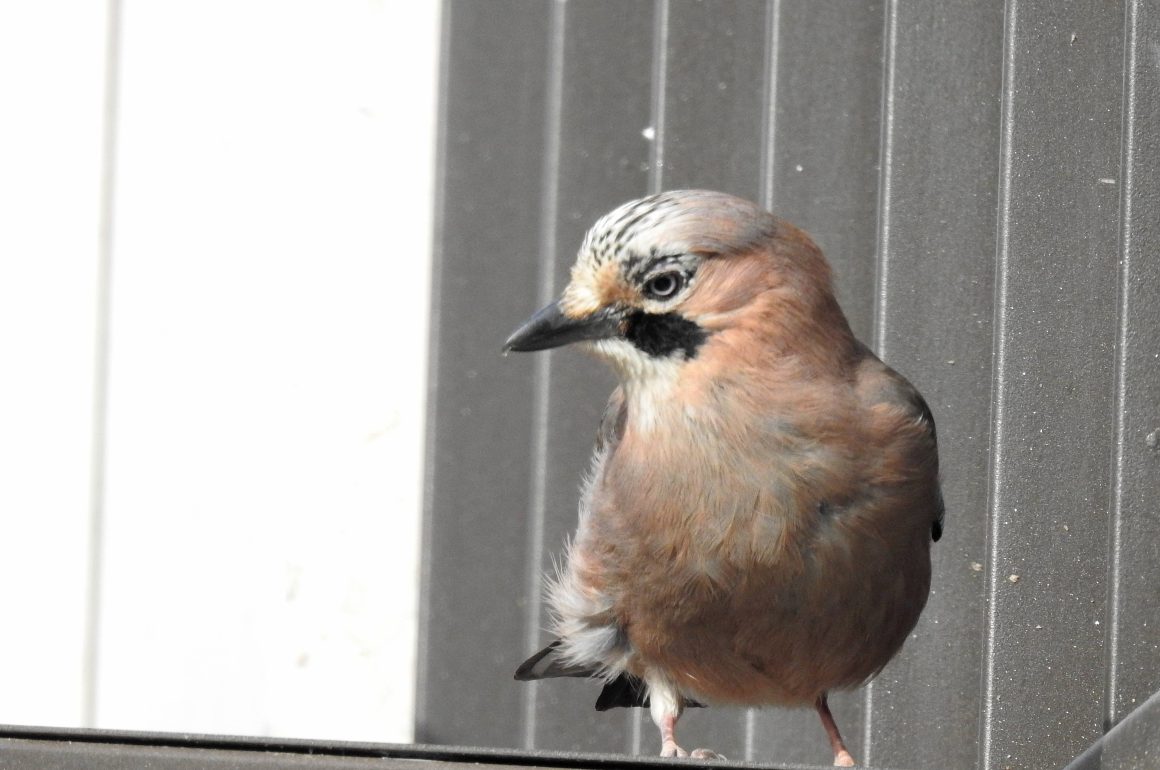
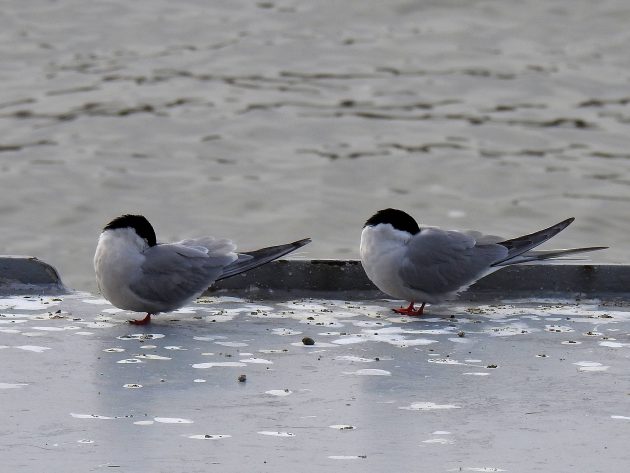
Past my prime and what have I achieved? A reasonable question we all ask ourselves occasionally, usually in the same frame of mind that makes one ask “is there life after death?” and “why do single socks go missing in the laundry?“. Existential questions, probing life’s enduring mysteries. I am on my downward slope and I have seen one in five bird species on this planet. Is this an achievement worthy of celebration? Asking birds, like these Common Terns will not give you any answers, they can’t be bothered.
Turning to science seems a good alternative. Cold, hard facts, no wishy-washy sentimental stuff (ugh, feelings). The problem with science – in this case ornithology – is that after years of the highly laudable splitters (wonderful people who gave us two thrashers instead of one) we now seem to be back in an era of lumping. My percentage is shrinking due to the malign acts of these despicable lumping characters. I don’t want to compare these lumpers with historical examples of despicability but at least Atilla the Hun was a splitter…
Lumpers are bad news for listing, but does the disappearance of a recently lumped species make for an existential threat? The answer – which is an emphatic yes – may surprise you. Naturally, the listers will not live a day longer or shorter because of lumping, but the lumping can threaten the species involved. There’s something dreadfully wrong with human psychology and the way it affects conservation. Human beings only seem to like protecting rare animals. This was taken to the extreme in the nineties when conservationists proposed to use the abundant Saiga’s horn instead of rare rhino’s horn. The result was of course lots and lots of poaching and a population crash for Saiga. The Saiga became rare and hence worth protecting so the conservationists’ website is now claiming victory after many years of essentially repairing the self-inflicted damage. And to think management consultants have a bad rep. Am I a bit cynical? Sure, but I am not wrong.
Back to birds. A rare species (e.g., Near Threatened) gets lumped with an abundant species (Least Concern) and all of a sudden, the need to protect the rarer version disappears. The former species becomes a sub-species and loses its special status. This is the existential threat I am talking about because the conservationists will follow suit, off to another job protecting different rare species.
A rational scientist convinces a committee, names get changed, species are lumped and the rare version might go extinct. How can we possibly stop this from happening, I hear you ask. This website has 15,000 daily readers. Every single one of you is a nice person, willing to sacrifice sleep and family life to watch birds. Some of you are donating to conservation charities. My advice: do some research and check whether your charity of choice protects landscapes or biotopes. Forget about the flagship species – they may not survive a lump – protect the flagship itself.
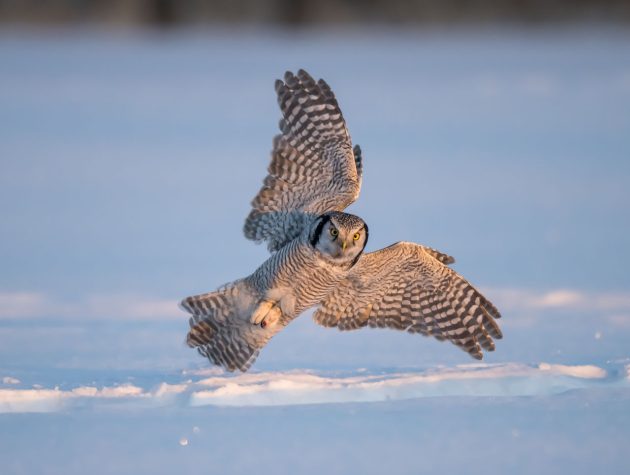
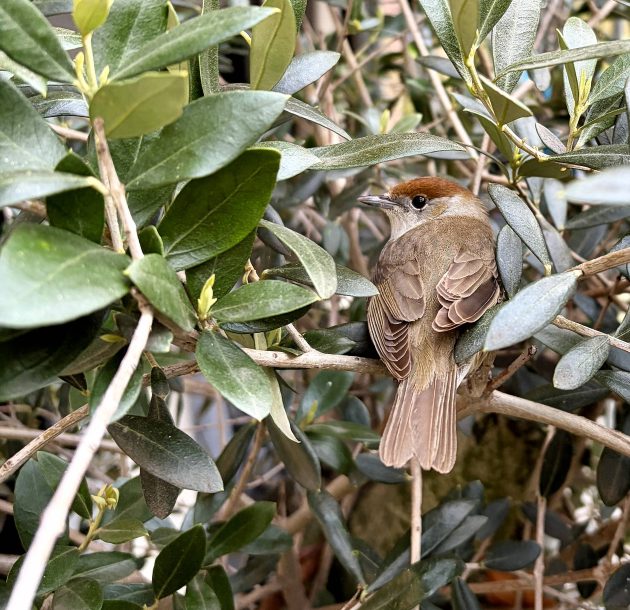
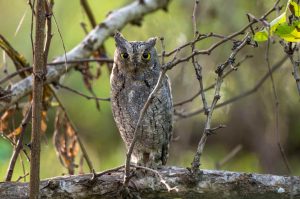
The visuals do not bear any meaning on the content – a bit like Instagram. The photograph of the Northern Hawk-owl is by Kai Pflug. His post also inspired the title.











As a bioregional mapper in Queensland, Australia, I totally agree.
Keep the habitat and worry less about its constituents.
This morning I’ve been watching Mediterranean shearwaters off the coast of Menorca. The last time I saw them they were called Balearic shearwaters and were regarded as critically endangered, but now they have been lumped with Yelkoun shearwaters which are far more numerous. However, I can remember when they were all regarded as varieties of Manx shearwaters. Confusing.