

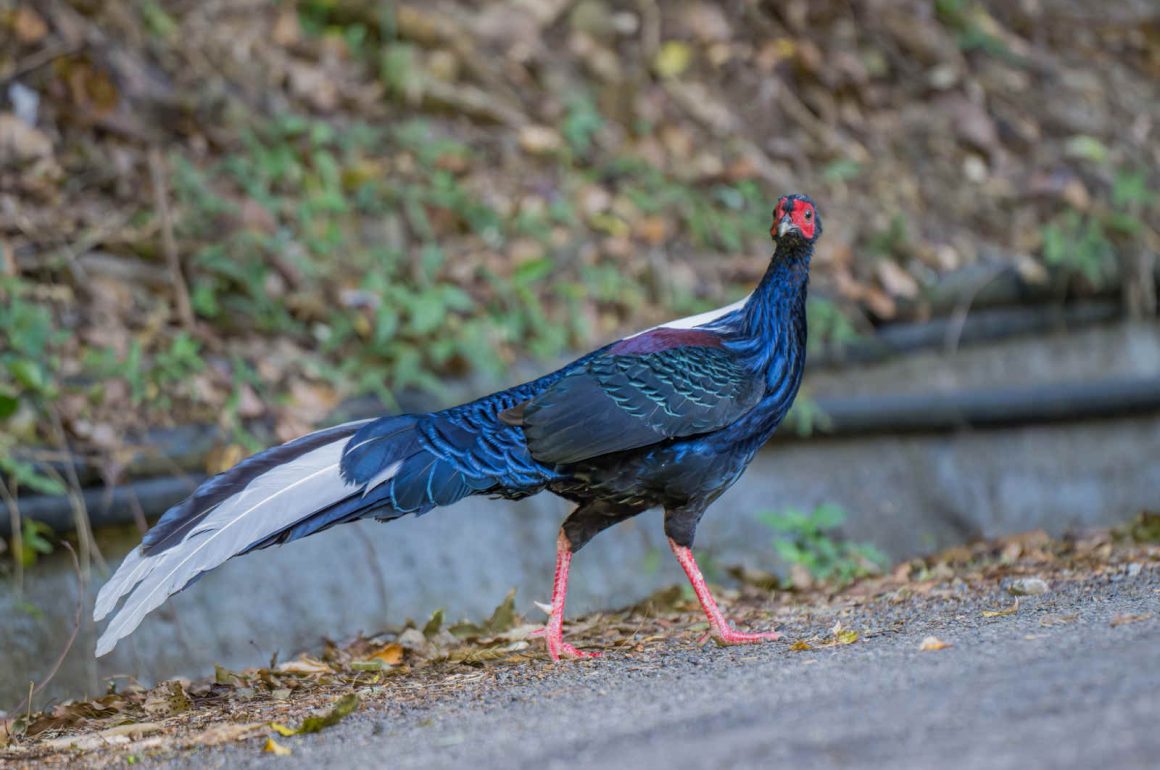
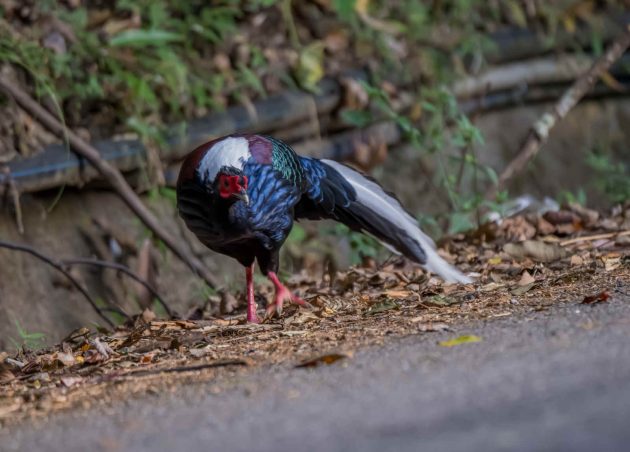
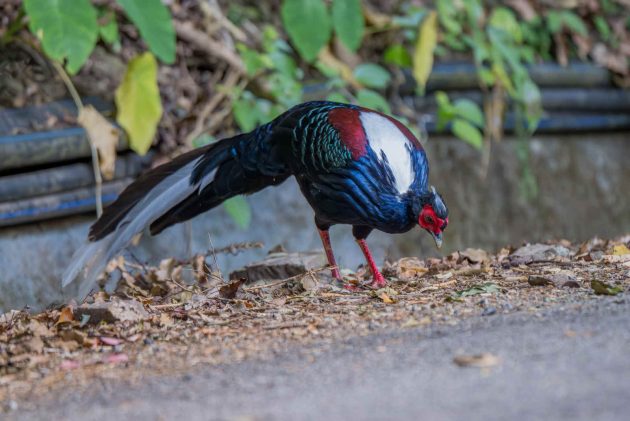
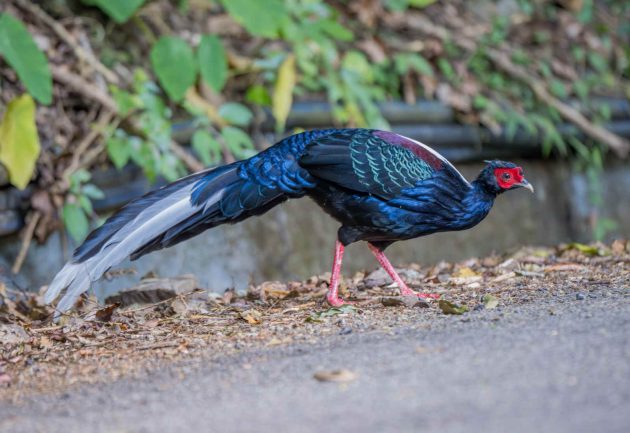
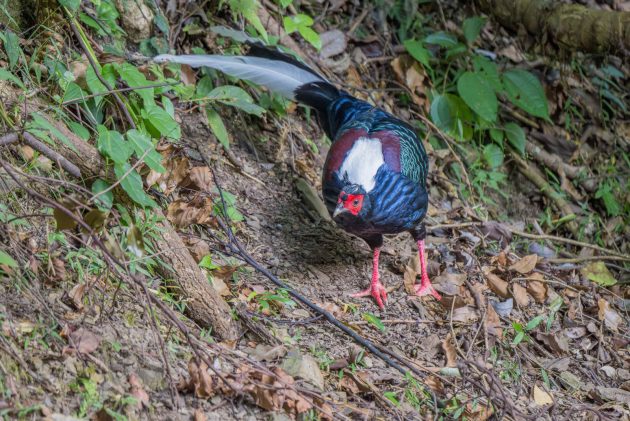
Swinhoe’s Pheasant is a pheasant endemic to Taiwan.
The species is categorized as Near Threatened – an improvement from its earlier status as Vulnerable. There is some uncertainty about its population – one estimate from just one park is as high as another estimate for the whole population on Taiwan.
Compared to its closest mainland relative, the Silver Pheasant, it is a K-selected bird species (“quality strategy”) – basically, that means it has fewer and larger eggs than the Silver Pheasant, which is (at least relatively speaking) an r-selected bird species (“quantity strategy”).
(I count myself as a 0-selected species, meaning I have zero kids and no interest in passing on my genes).
Here is a treat for those interested in parasites: a paper titled “Characterization of co-infections of haemosporidian parasites in Swinhoe’s pheasant (Lophura swinhoii): Utilizing nanopore sequencing for species-level detection and mitochondrial-genome analysis”.
Exciting – it comes with profound insights such as “Avian haemosporidian parasites are vector-borne apicomplexans that infect bird species globally and pose considerable challenges in detection due to frequent co-infections and morphological convergence.”
Swinhoe’s Pheasant is also apparently a species prone to inbreeding (to be polite to the bird, let’s not call it incest): another paper “found higher levels of genetic drift and inbreeding in the Swinhoe’s pheasant genome”. But we should not hold that against them. There is probably not much choice on a smallish island like Taiwan.
The HBW also raises some suspicion about the sex life of the species – but then seems to shy away from taking any hard conclusions: “polygamy suspected, but pairs frequently seen together”.
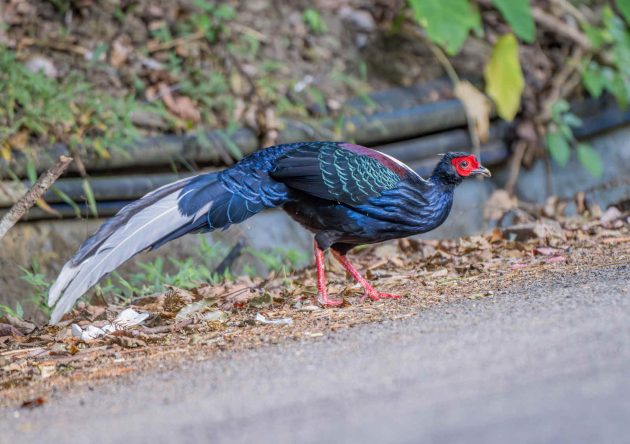
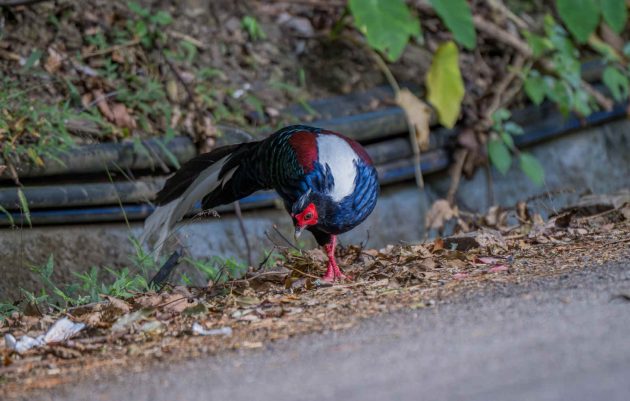
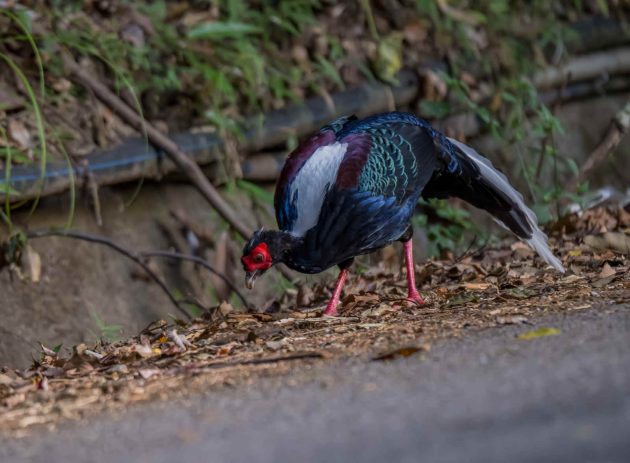
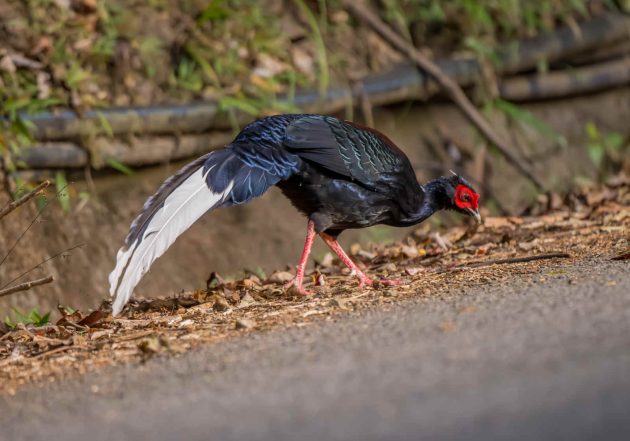
In at least one respect, HBW is spot-on: “Most foraging seems to occur in early morning and late afternoon, typically along road edges”.
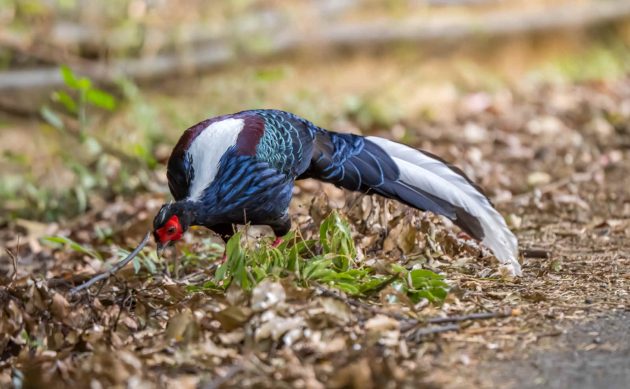
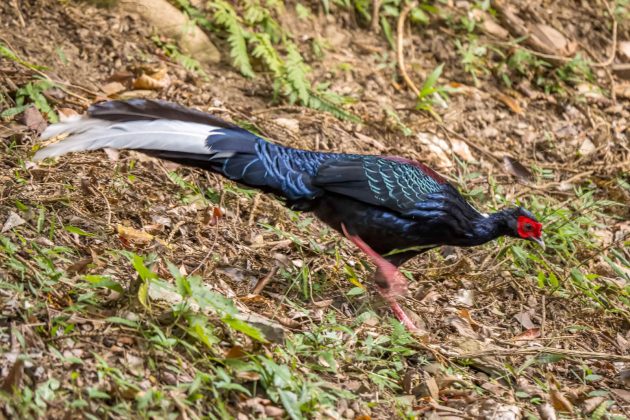
Indeed, the photos shown here were all taken on the side of a road at Dasyueshan, Taiwan, in the morning of November 08, 2025.







Leave a Comment