

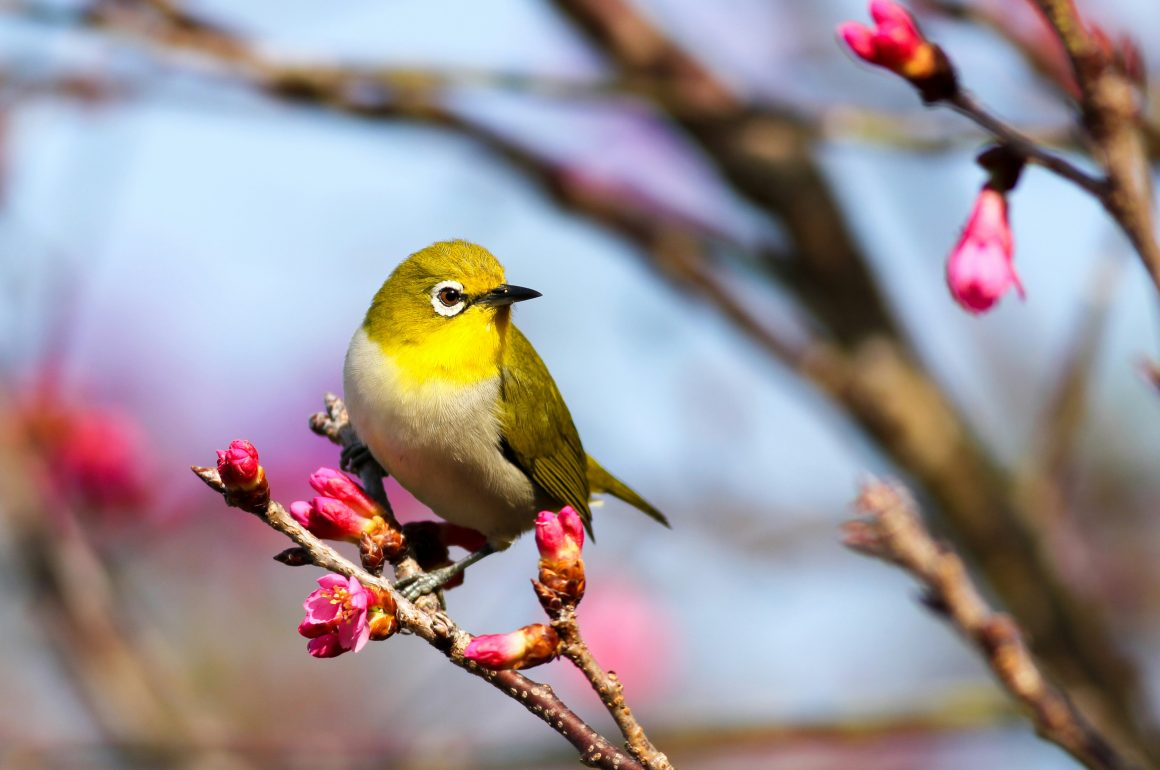
Love birdwatching? It can be a fun pastime, but it also helps scientists gather important information about the surrounding environment. Bird populations serve as vital indicators of an ecosystem’s health. They respond to changes, are easily observable, and perform important ecological functions like eating bugs and spreading seeds. Watching them and sharing your data can help conservation efforts.
From Coal Mines to Citizen Science
In the past, miners would bring canaries into the mines to detect toxic fumes, such as carbon monoxide. Birds are susceptible to chemicals, so the canaries would warn miners if they needed to evacuate. This idea expanded into a metaphor for indicators of larger danger.
Birds can still help humans identify danger today. Modern citizen science involves the average person assisting researchers in some way. Birdwatchers can record their sightings and report them to a database, helping researchers determine the health of birds in a particular region. If the bird population is dwindling, this indicates an environmental issue. Once scientists have the information, they can take the steps to conserve the area.
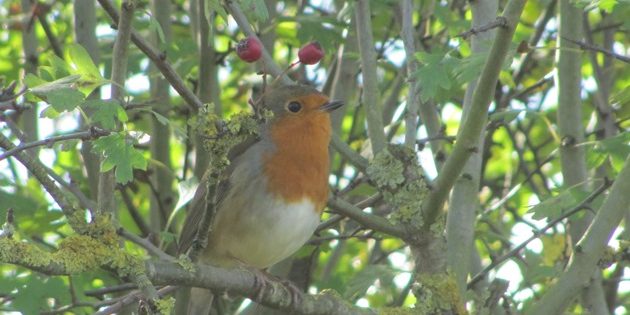
A notable example of birds being environmental indicators is in Flint, Michigan. American Robins were captured, and scientists found high blood lead levels in their system, indicating contaminated soil in the area. The Environmental Protection Agency, or EPA, only takes action when the lead amount is 15 parts per billion or above. Still, lead is not safe. Flint had contaminated water, so the theory checked out.
Another case occurred in Tehran, Iran. Scientists collected lead samples from the feathers of House Sparrows and found higher concentrations in birds from north of Tehran compared to the control group. This helped them discover instances of air pollution in that region.
Birds can be powerful indicators of a region’s environmental health. Through studying them, scientists can discover areas of concern in different regions. Birdwatchers aid this search by recording their individual findings.
How Birdwatchers Contribute to Environmental Monitoring
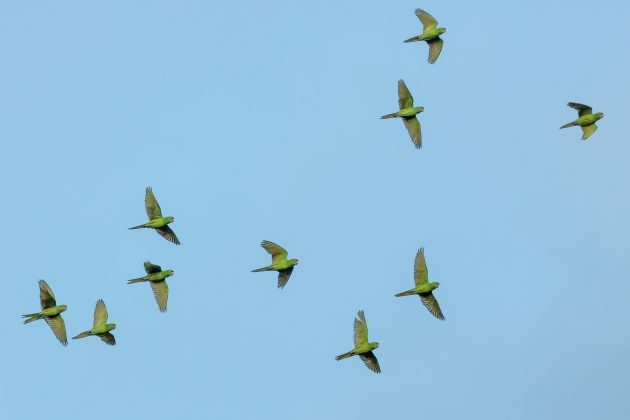
Birdwatching is more critical than ever. In North America, bird populations have decreased by around 2.9 billion birds, and experts predict this trend will persist. A primary cause is the combination of urbanization and agriculture, which occupy large parts of habitats. Climate change, including drastic weather changes, also contributes to the issue.
In 2025, a study found that 229 bird species need immediate help. Some birds with significantly impacted populations include Allen’s Hummingbird, Saltmarsh Sparrow and Tricolored Blackbird. This is due to environmental degradation, harsh weather and habitat loss. Even light pollution in cities affects birds. Without accurate data, scientists cannot justify conservation attempts. When birdwatchers share their findings, they add to the evidence and spark real change.
Recently, scientists conducted a study following reports of a decline in Purple Martins in the United States. Upon further investigation, they discovered an abundance of mercury and other toxic fumes in the birds’ Amazonian wintering grounds. They would not have investigated this without the initial observation of dwindling Purple Martins. Now, they can take steps to eliminate the mercury harming the bird population.
In another example, birdwatchers using the popular eBird site to record data noticed unusual activity in bird populations. The Kent Land Trust investigated and discovered some invasive plants in Kent, Connecticut. They removed and replaced them with native species. This helped local Wood Ducks, Green Herons, Great Blue Herons and Belted Kingfishers. These populations were already lessening, but because watchers shared their data, scientists and conservationists stepped in.
Ways to Make A Difference
Contributing to scientific research can be integrated into activities you already enjoy. By sharing your observations through organized programs, you provide crucial data that helps scientists monitor environmental health and enact change. eBird, point count surveys and the Audubon Christmas Bird Count are all helpful ways to get involved. eBird and the Christmas Bird Count are online birdwatching programs for everyone. Point count surveys involve signing up for a specific case study. Regardless, every effort helps scientists monitor the local environment.
Heeding the Canary’s Call
Most people consider birdwatching a fun side hobby, but sharing data from the activity can create a real environmental impact. Birds are excellent indicators of an ecosystem’s health. When bird populations suffer, it’s a sign that other species and the larger environment are as well. Contribute to conservation by sharing your birdwatching journals with scientists.









Leave a Comment