
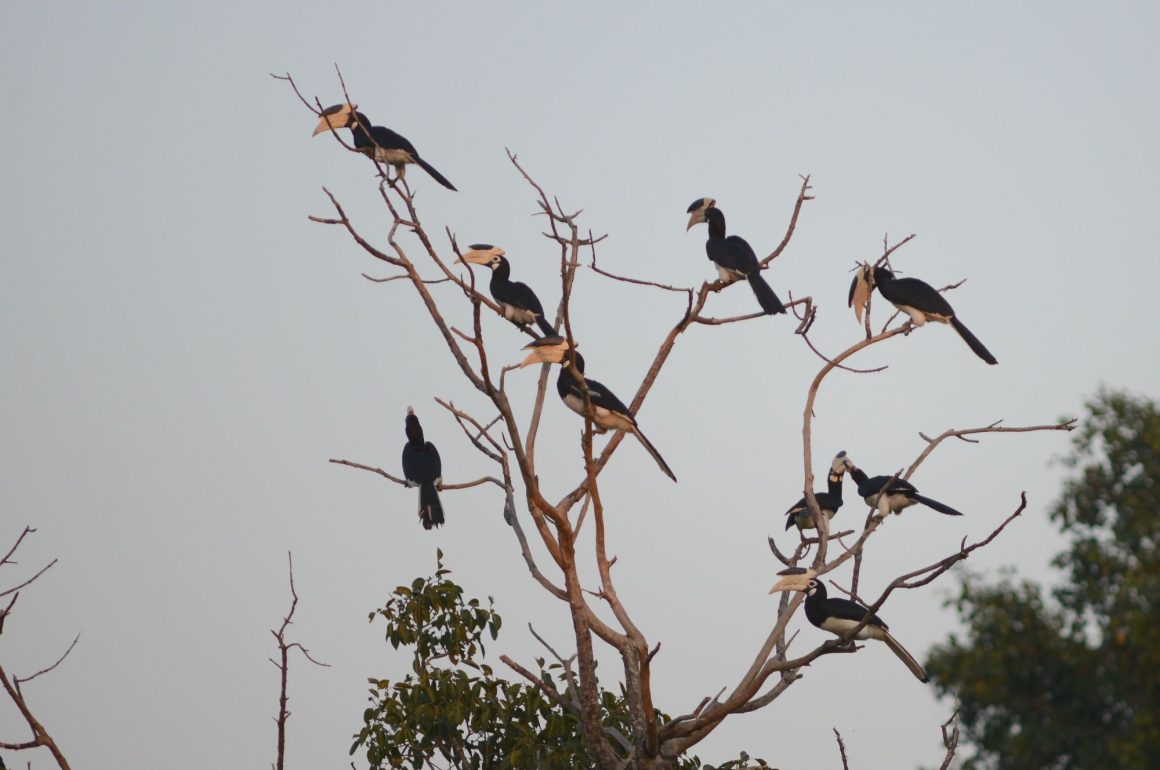
Wilpattu National Park is one of the most popular places to go among Sri Lankan nature lovers. By being situated in the northwest of the country and thus off the typical tourist route focusing on the south of the island, it is however not well known to international tourists. This is probably somewhat of a blessing as it is way less busy than the southern national parks like Yala, despite offering a stunning suite of mammals and birds.
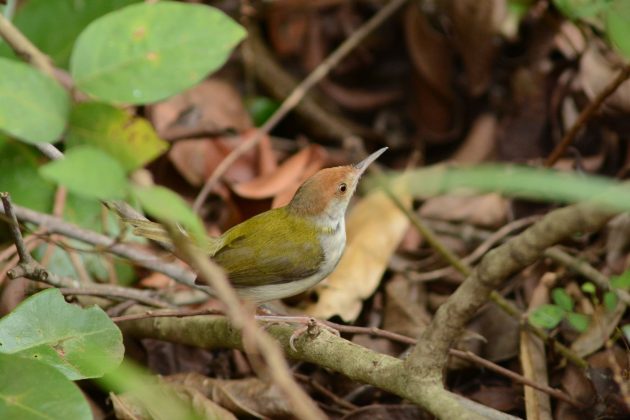
Wilpattu consists of jungle dotted with a patchwork of wetlands called villus. The latter host a good selection of waders and other waterbirds, while the dense woodlands host a huge number of resident and migrant species, in addition to leopard and sloth bear. Even when no specials are around in a given moment, typical birds such as the Common Tailorbird provide some welcome distraction.
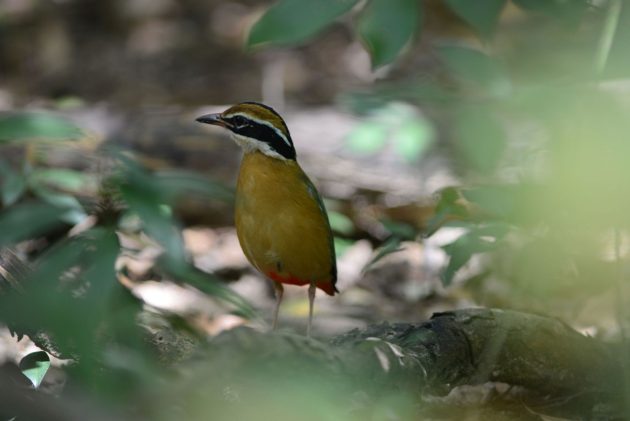
This is however usually not needed, as good birds are virtually around every corner. The popular Indian Pitta, for example, can be abundant. I remember spending a day in the forest and eventually not even stopping for them as I literally saw over a dozen in the hours before.
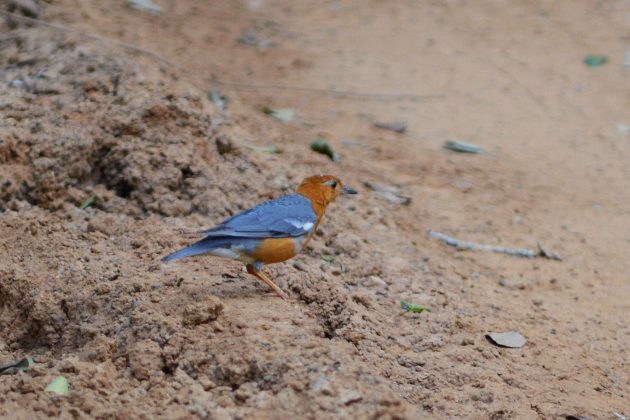
One of the best birds I saw in the park is the Orange-headed Thrush. I’ve been wanting to see this beast for ages not only as it is an uncommon migrant but mainly for its beautiful colouration, especially considering that it’s a thrush. I saw two individuals one day, one of which was simply a fly-by sighting just outside the park. Illuminated by the golden evening light, this bird looked like a glowing ball of orange and blue as it fluttered by, into an impenetrable thicket.
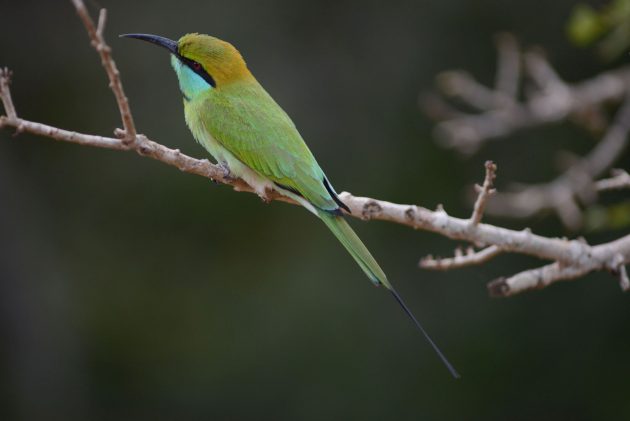
Green Bee-eaters line the road at regular intervals like sentinels, swooping off to catch insects and returning to their favourite branch. They couldn’t care less about the jeeps driving by and often you can approach to within arm’s length (well, just imagine you have a very long arm), offering excellent photo opportunities.
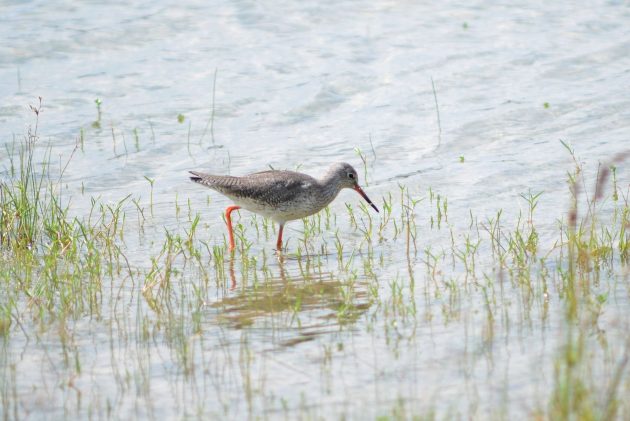
The villus are also a great place to scan with your binoculars as a large collection of waders is usually around. This Common Redshank is one of the more typical species, fattening up here before heading back to their breeding grounds in central Asia. I always enjoy seeing the same species of wader in different places on earth and knowing they could potentially be the same individual, a testament to the incredible physical abilities of these small beings.
I can definitely recommend staying at least two days in the park to give you enough time to explore. There are lots of uncommon species that you may chance upon with luck, such as Spot-bellied Eagle-Owl, and given that this park is quite different to many of the typical tourist destinations in the country, it provides visitors with a much more detailed understanding of the avifauna of the island.




Nice article, Luca, I like the whole Sri Lanka series
Luca, which comfortable accommodation option would you recommend, especially to the people with mobility issues (hence, no tree houses)?
Hi Dragan, apologies for my very late reply. I stayed at the Green Sapphire Holiday Resort, which was a BnB-type accommodation, all on the ground floor. I believe there were few ledges etc., so it should be largely accessible (though probably best to check out photos on booking.com to confirm!) Jeeps for the park can pick you up right by the accommodation so that also makes things quite easy. I hope that helps!
Thank you, Peter!