

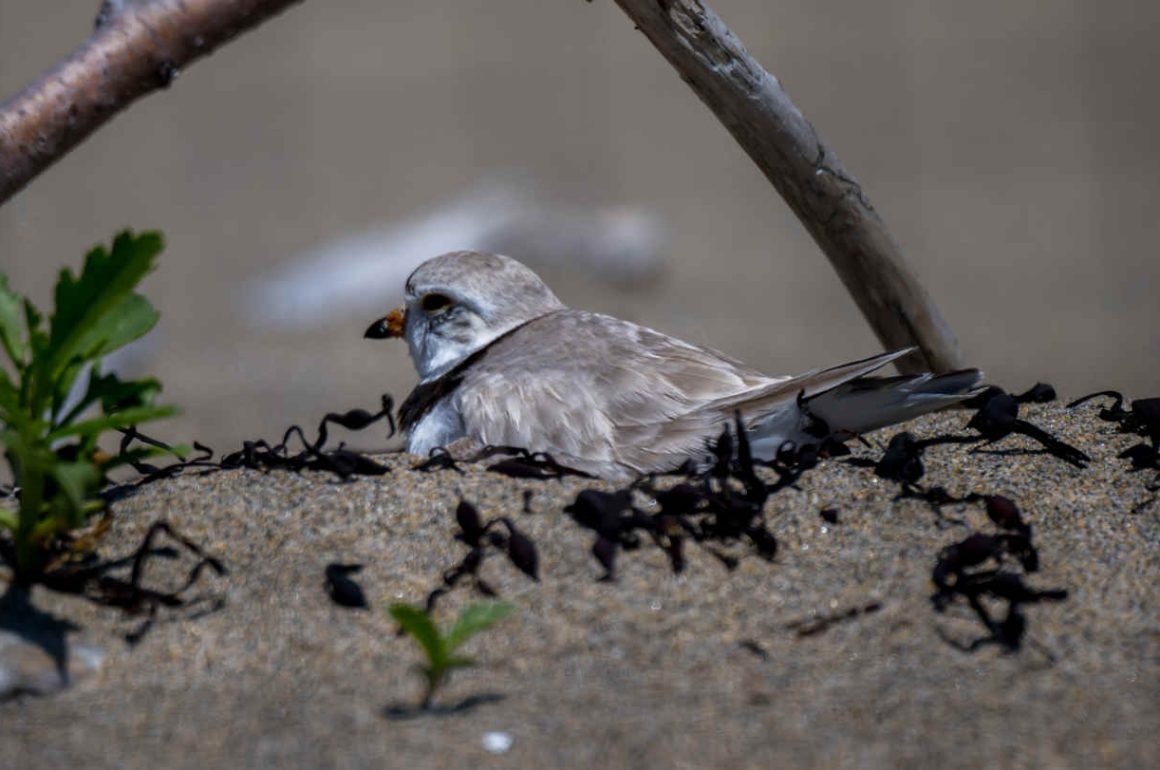
The Piping Plover is a cute-looking shorebird listed as Near Threatened. In 2001, the total population was only about 6,000 birds, primarily in the USA and Canada.
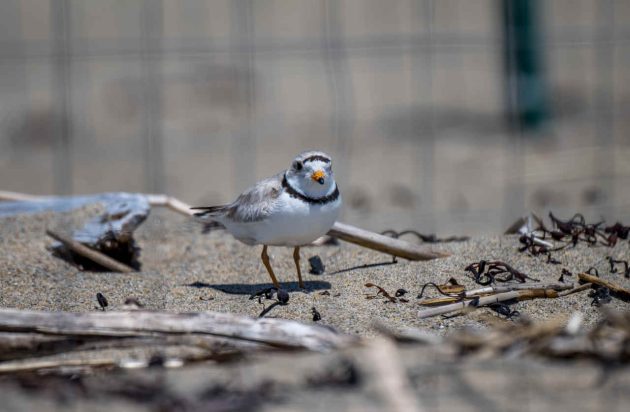
One of the threats to the species comes from sharing their beach habitat with people – birds in this situation spend less time foraging and more time being vigilant (source).
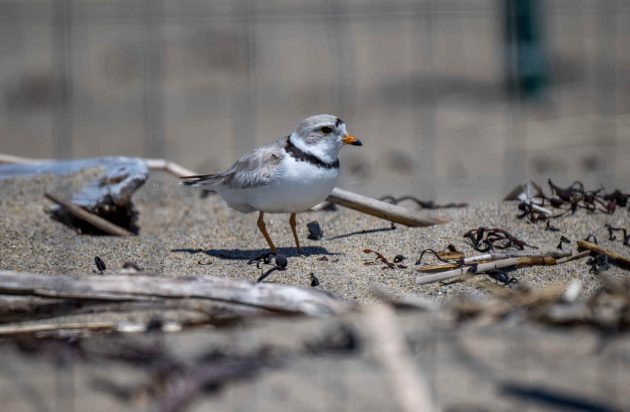
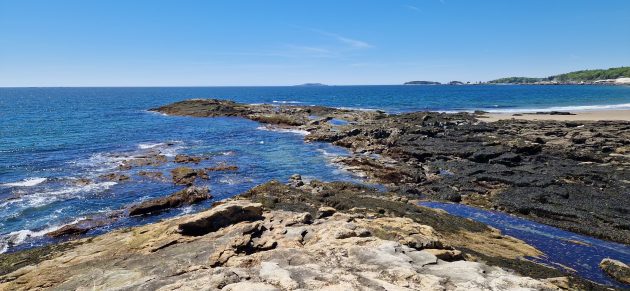
Fortunately, a 2011 study already found an increase in numbers to about 8000 Piping Plovers, as the beaches the plover uses for breeding are highly managed. At Reid State Park in Maine, where I saw the species, nesting sites are fenced off and also protected from aerial attack by predators.
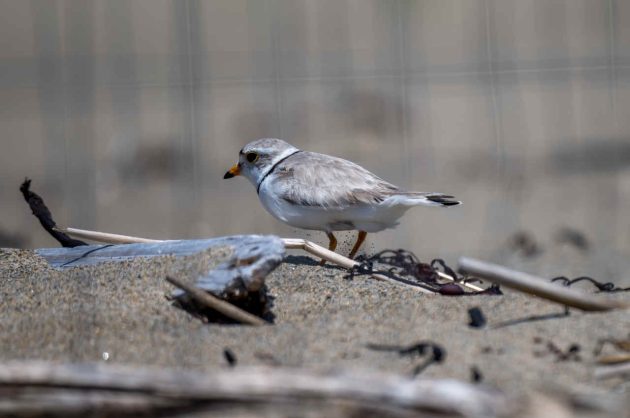
When the first nesting attempt fails, one option is to renest. However, for the Piping Plover, the renesting rate is relatively low at 25% when reproductive attempts fail in the nest stage (egg-laying and incubation) and at only 1.2% for reproductive attempts when broods are lost (source).
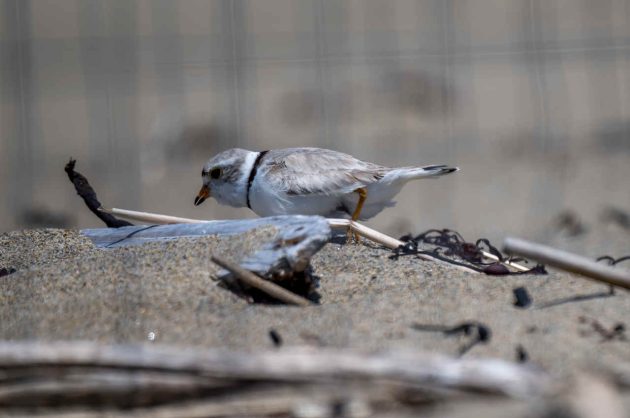
Another limitation on the number of Piping Plovers is the availability of suitable beach habitat – for example, habitat availability may be increased by sand deposition caused by storm- or flood-induced sediment transport. In one study, an increase in the amount of nesting habitat by 27–950% led to an increase in plover populations by 72–622% (in a study interestingly authored by the United States Army Corps of Engineers).
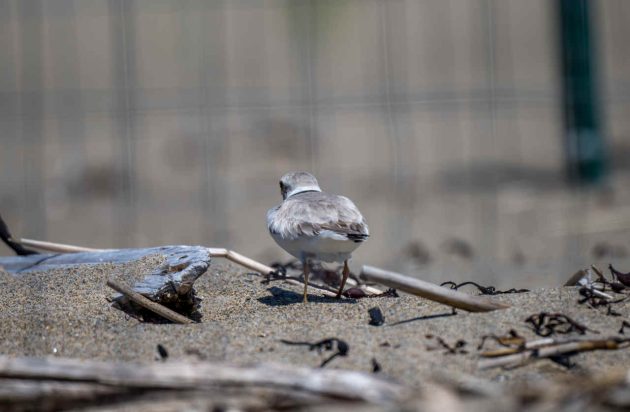
Typical for a species with a strong presence in the US, the HBW entry is quite long. The section on sounds alone has 1285 words – a bird I looked up early today (Philippine Cuckoo-dove) is only allowed 333 words for the whole profile and only 18 words on sounds. Lesson learned: If you want visibility as a bird species, better select a habitat which also hosts plenty of ornithologists.










Piping Plover is in my list of Top Ten Bird species and every summer I lie in the sand to photograph baby Piping Plovers. Some years, there are many nests and babies, more often, eggs and chicks become breakfast for racoons, foxes, or nests are washed out by tides and storms or destroyed by humans. On the positive side, more beach visitors appears to be aware of the importance of Piping Plovers. I’ve noticed far less complaining about roped off sections of beach and dog bans than in the past.